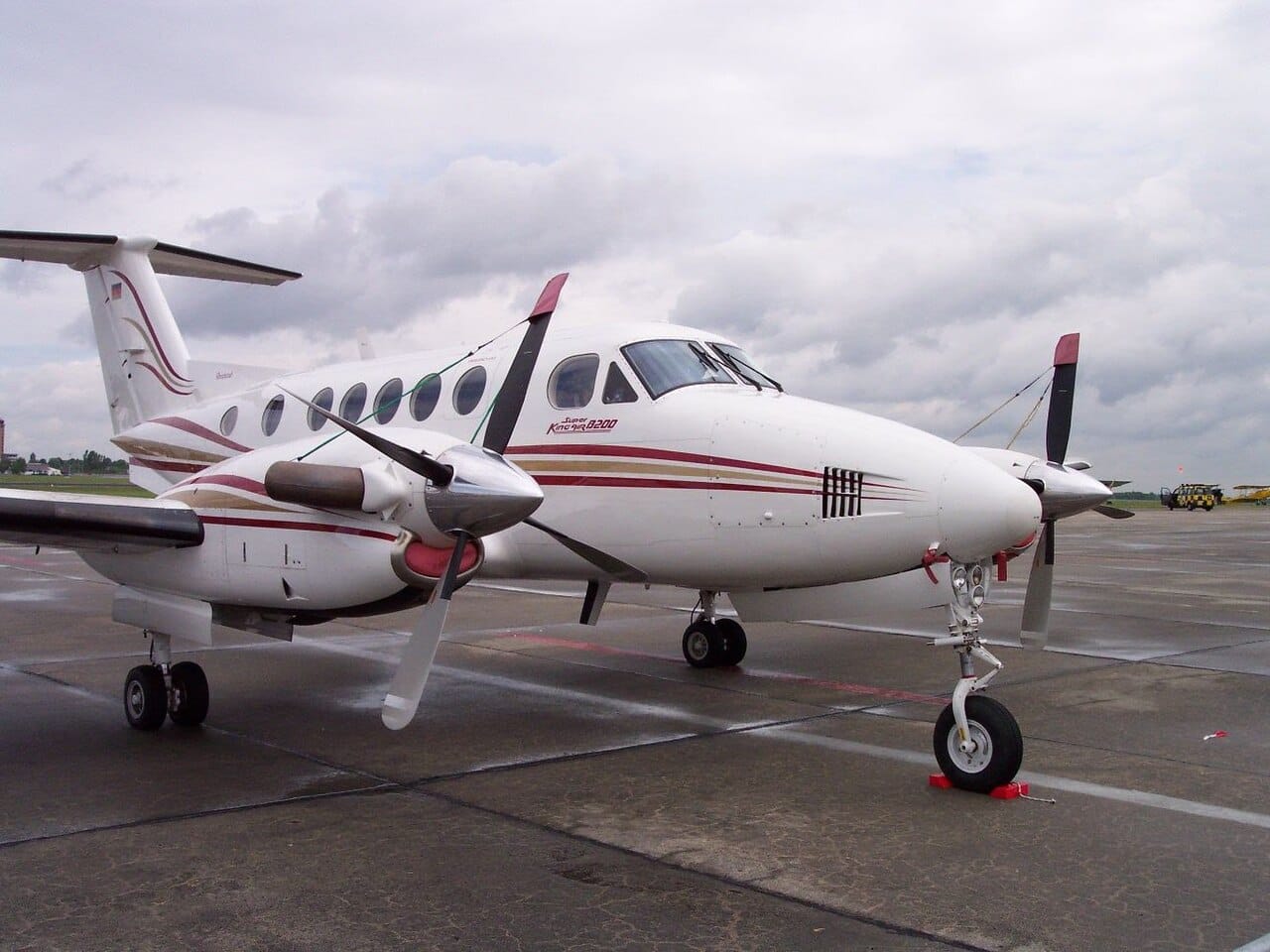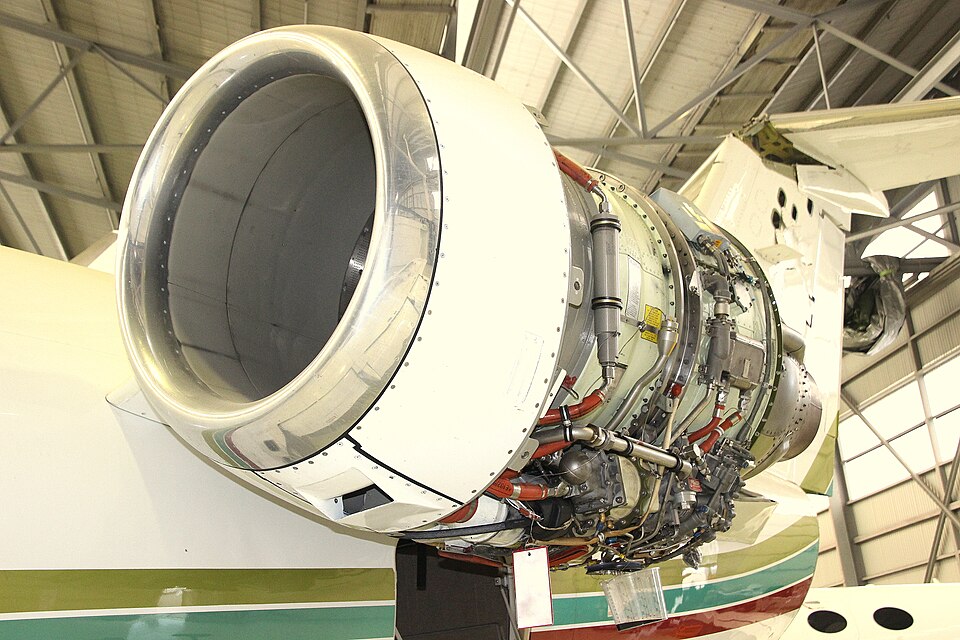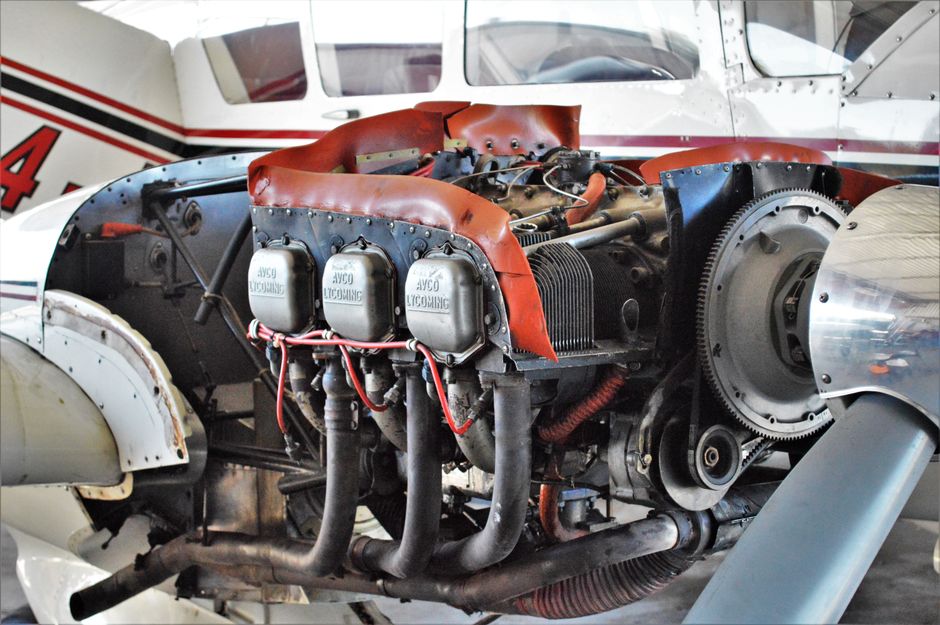
Lycoming’s published TBO is one of the most misunderstood numbers in piston-aircraft ownership. For most privately operated aircraft under Part 91, reaching or exceeding the manufacturer’s recommended overhaul time does not automatically make the engine unairworthy or the airplane illegal to fly. But operating past TBO can still affect resale value, insurance, financing, and how closely the engine needs to be monitored.
The key is understanding the difference between a manufacturer recommendation and a regulatory requirement. Lycoming publishes recommended overhaul intervals in Service Instruction No. 1009, while the FAA primarily regulates airworthiness, required inspections, Airworthiness Directives, and other mandatory limitations.
This article explains when Lycoming TBO is only guidance, when overhaul intervals can become mandatory, and what running past TBO can mean for maintenance decisions, insurance, and aircraft value.
Key Takeaways
Lycoming publishes recommended TBO figures in Service Instruction No. 1009, which lists hours by engine model along with a 12-year calendar recommendation. Under Part 91, that document carries no force of law, so a mechanic cannot ground your airplane at annual simply because the tach reads past TBO. The picture changes if you fly for hire under Part 135, or if your aircraft is enrolled in a manufacturer's inspection program under 14 CFR 91.409(f) — then the program's overhaul times become binding. Insurance rarely refuses a past-TBO engine outright, but underwriters do tighten hull values and ask more questions, and no hull policy pays for an engine that simply wears out. Resale is where you actually pay: buyers discount a run-out engine by close to the full installed cost of an overhaul, which on a four-cylinder Lycoming typically means shop quotes in the tens of thousands of dollars.
| Question | Short answer |
| Is TBO a federal regulation? | No. It comes from Lycoming Service Instruction No. 1009, a manufacturer recommendation. |
| Can I legally fly past TBO under Part 91? | Yes, as long as the engine is in airworthy condition and inspections and ADs are current. |
| Can an IA fail my annual for being over TBO? | Not for the hours alone. Findings must be actual unairworthy conditions. |
| Does TBO bind commercial operators? | Usually yes under Part 135, and yes if you have elected a manufacturer's program under 91.409(f). |
| Will insurance drop me? | Rarely, but expect questions, possible hull value limits, and no coverage for ordinary wear-out. |
| What does it cost at resale? | Roughly the price of the overhaul the next owner has to fund, sometimes a little more. |
| Is there a calendar limit too? | Lycoming recommends overhaul at 12 years regardless of hours flown. |
Where TBO Actually Comes From
What document sets the number?
Lycoming's recommended TBO hours live in Service Instruction No. 1009, which the manufacturer revises periodically. It is a table: engine model on the left, recommended hours on the right, with notes about accessory overhaul and about engines that sit idle. Alongside the hourly figures, Lycoming recommends overhaul at 12 years even if the hours have not accumulated, because corrosion and seal deterioration do not care whether the propeller is turning.
The hours vary by engine model, configuration, and overhaul history. Under Lycoming's current Service Instruction No. 1009BF, many qualifying factory-new and factory-rebuilt O-320, O-360, IO-360, O-540, and IO-540 engines now carry recommended TBOs as high as 2,600 hours, while overhauled engines may retain shorter intervals such as 2,000 hours. Always check the exact engine model and its applicable notes in the current revision.
| Engine family | Typical recommended TBO | Found in |
| O-235 series | About 2,000–2,400 hours by model | Cessna 152, some light two-seaters |
| O-320 series | Up to 2,600 hours for qualifying factory-new/rebuilt engines; varies by model and overhaul history | Cessna 172, Piper Cherokee 140/160 |
| O-360 / IO-360 | p to 2,600 hours for qualifying factory-new/rebuilt engines; varies by model and overhaul history | Cherokee 180, Mooney, Cardinal, Arrow |
| O-540 / IO-540 | Up to 2,600 hours for qualifying factory-new/rebuilt engines; varies by model and overhaul history | Six-cylinder Pipers, Cherokee Six |
| TIO-540 turbocharged | Often shorter than normally aspirated versions | Turbo Lance, Aerostar, Navajo |
| All of the above | 12 years calendar recommendation | Every low-use engine |
Heads Up: Do not assume your engine's TBO from the family name. An O-360-A4M and an angle-valve IO-360 can carry different recommendations, and Lycoming revises Service Instruction 1009 over time. Look up your exact model and dash number in the current revision before you build a budget around it.
Recommendation versus requirement — who decides?
The FAA draws a hard line between documents the agency has made mandatory and documents the manufacturer publishes on its own. An Airworthiness Directive is law. A Service Bulletin, Service Instruction or Service Letter is the manufacturer's advice, unless an AD specifically incorporates it by reference. Lycoming's TBO sits squarely in the advice column for Part 91 operators.
What the regulations do require is straightforward. Under 14 CFR 91.7, the pilot in command must determine the aircraft is in an airworthy condition before every flight and must discontinue the flight when an unairworthy condition occurs. Under 14 CFR 91.409, most privately operated airplanes need an annual inspection every twelve calendar months, plus a 100-hour inspection if they carry persons for hire or are used for flight instruction supplied by the provider. Nothing in those sections says "overhaul at 2,000 hours."
Why It Matters: The regulations regulate condition and inspection, not elapsed hours since overhaul. That is why the phrase you will hear around hangars is "running on condition." It is a legitimate practice, not a loophole.
When TBO does become binding
There are real situations where the number stops being optional:
Part 135 on-demand and commuter operations. Under 14 CFR 135.421, a certificate holder operating an aircraft type-certificated for nine or fewer passenger seats must maintain it under the manufacturer's recommended maintenance program or an FAA-approved program. If your program is the manufacturer's, the manufacturer's overhaul times come with it. Charter and air-tour operators generally do not run engines past TBO without an approved escalation.
Aircraft subject to an inspection program under 91.409(f). Large airplanes, turbojet multiengine airplanes, turbopropeller-powered multiengine airplanes, and certain turbine-powered rotorcraft must use an inspection program permitted by 91.409(f). Selecting the manufacturer's program makes its required inspection schedule part of the operator's compliance program, but 91.409(f) by itself should not be read as making every manufacturer-recommended engine TBO automatically mandatory.
Leases, loans and club rules. A bank note, a leaseback agreement or a flying club's bylaws can require overhaul at TBO as a contract term. That is not the FAA talking, but it is enforceable against you all the same.
Flying411 keeps piston singles, twins and their engine histories in one place, so you can compare time since overhaul, calendar age and program status across listings instead of piecing it together seller by seller.
What Happens at Your Annual Inspection
Can a mechanic ground the airplane over TBO?
Not on hours alone. The scope of an annual is spelled out in Appendix D to Part 43, and the inspector's job is to look for the listed items and report what he or she finds. The record entry rules in 14 CFR 43.11 require the inspector to either sign the aircraft as airworthy or provide the owner a signed list of discrepancies. Being past a nonmandatory manufacturer-recommended TBO, by itself, does not make the aircraft unairworthy under ordinary Part 91 operation. An IA can disapprove the aircraft if the inspection reveals an actual unairworthy condition, noncompliance with an Airworthiness Directive, applicable airworthiness limitation, or other required approved data.
In practice, some inspectors are uncomfortable signing off high-time engines and will say so. That is a professional judgment call about liability, not a regulatory finding. You can ask them to put the concern in the aircraft records as an owner-advisory note rather than a discrepancy, and you are free to take the airplane to a different IA. What you cannot do is ignore a genuine finding because you think it is cosmetic. For a walk-through of what a typical inspection covers and costs, see our guide to the Cessna 172 annual inspection.
What running on condition actually requires
Think of it like keeping a high-mileage pickup on the road. Nobody retires the truck at 150,000 miles because a manual said so, but you do watch the oil, listen for new noises and fix small things before they become tows. A past-TBO Lycoming needs the same discipline, with better instruments:
- Differential compression checks interpreted the way Lycoming intends. Service Instruction No. 1191 covers the procedure, including use of a master orifice tool rather than chasing a single magic number.
- Borescope inspection of every cylinder at each oil change or inspection, looking at valve faces, cylinder walls and combustion deposits.
- Oil filter cutting and oil analysis on a consistent interval so you are reading a trend, not a snapshot. Lycoming Service Bulletin No. 480 addresses oil and filter change intervals and screen cleaning.
- Exhaust valve and guide condition checks. Lycoming Service Bulletin No. 388 describes the "wobble test" procedure many shops run at roughly 400-hour intervals.
- Oil consumption and cylinder temperature trends. A gradual change is information. A step change is a symptom.
Pro Tip: Start the oil analysis program before the engine reaches TBO, not after. Two data points on a 2,100-hour engine tell a buyer nothing. Fifteen data points that show flat iron and aluminum readings over 700 hours tell a buyer quite a lot, and that record is the single best argument you can make for running on condition.
Good to Know: Far more Lycomings come apart early for camshaft and lifter spalling than for cylinder wear, and inactivity is the usual culprit. Lycoming's guidance on engine preservation for stored and inactive aircraft exists because an engine that flies four hours a month rusts internally between flights. An airplane flown 150 hours a year is a better candidate for running past TBO than one flown 40.
What the FAA itself says about it
The FAA is not hostile to on-condition operation of piston engines, but it does want owners thinking about trends. Advisory Circular 20-105, which addresses reciprocating engine power-loss prevention and trend monitoring, discusses the role manufacturer TBO plays and encourages the kind of monitoring listed above. Advisory circulars are guidance, not regulation, but they are a fair statement of what the agency considers good practice — and they are the document your insurer's claims adjuster is more likely to have read than your hangar neighbor's opinion.
What It Does to Your Insurance
Will an underwriter refuse a past-TBO engine?
Usually not on a fixed-gear single. Underwriters price pilots first — total time, time in type, ratings, claims history — and airframe and engine details second. Brokers report that engine time past TBO on a well-documented Skyhawk or Cherokee is more likely to produce a question than a declination.
Where it does bite is in the hull value conversation. Insurers do not want to insure an airplane for more than it is worth, and a run-out engine reduces what the airplane is worth. If you declare a hull value that assumes a fresh engine and the airplane is totaled, you may find yourself arguing about valuation at the worst possible moment. Our articles on setting the right hull value and on agreed value versus stated value coverage both matter more when engine condition is in play.
Keep in Mind: No standard aircraft hull policy pays to overhaul an engine that simply wears out. Wear, tear, deterioration and mechanical breakdown are excluded. If the engine fails and you bend the airplane on the forced landing, the resulting damage is generally covered; the tired engine that caused it is not. Running past TBO does not transfer the overhaul bill to your insurer — it just moves the bill later and adds risk.
What underwriters ask about
Expect some or all of the following when the application asks for engine details: hours since major overhaul, who performed it and to what standard (field overhaul, factory overhauled, factory rebuilt), calendar date of that overhaul, current annual date, and whether the airplane is used for instruction or rental. A past-TBO engine on a leaseback or club airplane draws more scrutiny than the same engine on a privately flown airplane, because the exposure is higher and the operator is often not the owner. For the mechanics of how this plays out on the most common trainer in the country, see how engine time affects insurance on a Cessna 172 and our broader Cessna 172 insurance price guide.
Flying411 keeps listing details, engine times and ownership-cost guides in one place, so you can price insurance and reserves on a specific airplane rather than a category average.
What It Does to Resale Price
How buyers price engine time
This is the honest answer nobody wants: in the piston market, time since overhaul is the second-biggest lever on price after damage history, and it is priced with unusual bluntness. Valuation guides adjust engine value on a roughly pro-rata basis — the closer to TBO, the less engine value is left in the airplane — and buyers do the same math on a napkin. A run-out engine means the buyer inherits the overhaul, and the discount they demand tends to approach the full installed cost of that overhaul.
Shop quotes vary widely by region, by cylinder count and by whether you choose a field overhaul, a Lycoming factory overhauled engine or a factory rebuilt engine with zero-time logs. Owners report four-cylinder overhauls landing in the tens of thousands of dollars once accessories, hoses, baffles, mounts and labor are included, with six-cylinder and turbocharged engines meaningfully higher. Get two current written quotes for your specific engine before you negotiate either side of a sale — the number moves too fast to guess.
| Engine status | How the market reads it | Effect on price |
| Fresh factory rebuilt, zero time | Strongest position; new logbook clock | Premium, though rarely the full cost of the work |
| Under half TBO with good records | The sweet spot buyers search for | Little or no engine deduction |
| Mid-time, 50–75% of TBO | Fine, but the clock is visible | Modest deduction, partial reserve |
| Near TBO, within ~200 hours | Buyer budgets the overhaul now | Most of the overhaul cost comes off |
| Past TBO, running on condition | Priced as a run-out unless records are excellent | Full overhaul cost off, sometimes more |
| Past 12-year calendar, low hours | Corrosion risk; needs a strong prebuy | Discount often larger than the hours suggest |
Quick Tip: Overhauling an engine right before you sell almost never returns the full cost. If you are within a year or two of selling, the better play is usually to price the airplane honestly as a run-out and let the buyer choose their own shop and overhaul specification. Our piece on asking price versus actual sale price explains why that gap widens fastest on high-time airplanes.
Records are the whole argument
A past-TBO engine with complete logs, a documented overhaul, borescope photos, five years of oil analysis and consistent 100-hour or annual entries sells. A past-TBO engine with a missing logbook and a hand-written "overhauled" entry from 1997 does not, at any price a seller likes. The paperwork is not a formality; it is the only evidence a buyer has that the hours were kind ones. See how aircraft maintenance records affect resale value, and if you do some of your own work, log it correctly using the rules covered in owner maintenance: what's legal, how to log it.
Fun Fact: The letters matter as much as the numbers. "SMOH" means hours since major overhaul. "SFRM" means since factory remanufacture, which resets the log to zero time. "SFNEW" means since new. Two airplanes advertising "1,100 hours" can be in very different places depending on which acronym follows.
Financing and the run-out engine
Lenders think about collateral, and a run-out engine is a hole in the collateral. Some will still finance the purchase, but you may see a larger down payment, a shorter term or a requirement that the overhaul be funded at closing. If you plan to borrow against a high-time airplane, have the engine quote in hand when you apply, and budget an engine reserve per flight hour from day one. A simple way to size it: divide a realistic installed overhaul quote by the recommended TBO hours, then add a little for inflation and accessories.
Flying411 keeps buying guides, financing explainers and live listings in one place, so you can test whether a run-out airplane at a discount really beats a mid-time one at full price.
Making the Decision for Your Own Airplane
Who should run past TBO?
Run on condition if the airplane flies regularly, the trend data is flat and boring, you own the airplane rather than rent it out, you fly mostly in daylight over hospitable terrain, and you have the cash to overhaul the moment the data turns. Under those conditions, running 200 or 400 hours past a recommended TBO is a common, defensible choice thousands of owners make.
Overhaul at or before TBO if the airplane is on a leaseback or in a club, if you fly hard IFR and night cross-countries over mountains or water, if the records are thin, if the engine is also past the 12-year calendar recommendation, or if you intend to sell within the next twelve months and need the airplane to show well. Also overhaul if the trend data is moving — rising oil consumption, new metal in the filter, a cylinder that will not hold pressure.
Heads Up: A past-TBO engine changes nothing about your legal obligation to comply with Airworthiness Directives. ADs against Lycoming crankshafts, connecting rod bushings, oil pump components and magnetos apply regardless of hours since overhaul, and an AD is exactly the kind of item that can convert a cheap annual into an expensive one. Check AD compliance status on any high-time engine during the prebuy.
Buying an airplane with a past-TBO engine
These airplanes can be genuine bargains, and they can also be the most expensive cheap airplane you ever buy. Insist on a prebuy from a shop that knows the type and that has no relationship with the seller. Ask for a borescope of all cylinders with photos, a differential compression check performed per Lycoming's instruction, the oil filter cut open in front of you, and a full AD compliance review. Then negotiate assuming you will overhaul within 200 hours, because you probably will.
One logistical note: if the airplane is out of annual when you buy it, you cannot simply fly it home. You will need a special flight permit, and the process is covered in our guide to getting a ferry permit for an out-of-annual aircraft.
Conclusion
So, is Lycoming's TBO a legal limit? Under Part 91, it is not. It is a manufacturer recommendation in Service Instruction No. 1009, and the FAA's rules ask about condition, inspections and ADs rather than hours since overhaul. For an ordinary Part 91 aircraft, exceeding a nonmandatory recommended TBO does not by itself make the aircraft unairworthy, although the engine's actual condition, applicable ADs and limitations, and an insurer's underwriting requirements still matter.
The market is less forgiving than the regulations. Buyers price a run-out engine at close to the cost of the overhaul they are about to pay for, underwriters trim the hull value they will agree to, and lenders shrink the loan. The way to keep control of that is to build a record a stranger can trust: consistent oil analysis, borescope images, clean filters, honest logbooks and a realistic engine reserve set aside every hour you fly. Do that, and running past TBO is a budgeting decision you make on purpose. Skip it, and the decision gets made for you, usually by a cylinder.
When you are ready to compare listings, visitFlying411and see what is on the market today.
Frequently Asked Questions
Can I legally fly a Cessna 172 with 2,300 hours on a 2,000-hour engine?
If you are operating under Part 91 and the airplane is not enrolled in a manufacturer's inspection program, yes. The engine must be in airworthy condition, the annual and any required 100-hour inspections must be current, and all applicable Airworthiness Directives must be complied with. The hours themselves are not the limiting factor.
Does the 12-year calendar recommendation matter more than the hours?
For low-use airplanes, often yes. Lycoming recommends overhaul at 12 years regardless of accumulated hours because corrosion, seal hardening and camshaft pitting progress with time and inactivity rather than with flight hours. An 11-year-old engine with 600 hours can be in worse internal shape than a six-year-old engine with 1,800.
Will my mechanic refuse to sign the annual?
An IA must base discrepancies on actual findings, not on the recommended TBO. Some inspectors are still reluctant to sign high-time engines, which is their call to make. If you disagree, you are entitled to the signed discrepancy list required by 14 CFR 43.11 and you may take the airplane to another inspector.
Does insurance cover the overhaul if the engine fails past TBO?
No. Hull policies exclude wear, tear and mechanical breakdown. If the failure leads to an off-airport landing that damages the airframe, that damage is typically covered subject to your deductible, but the worn engine itself is your expense either way.
How much should I set aside per hour for engine reserve?
Take a current written installed-overhaul quote for your exact engine, divide by the recommended TBO hours, and round up. That per-hour figure belongs in a separate account, not in your head. Owners who skip the reserve are the ones who end up running well past TBO because they have no choice.
Is a factory rebuilt engine worth the extra money at resale?
Sometimes. A factory rebuilt engine returns the logbook to zero time, which reads well in a listing and removes questions about the overhauling shop's workmanship. Whether the premium covers the extra cost depends on the airframe's value — it is easier to justify on a high-value retractable than on an entry-level trainer.