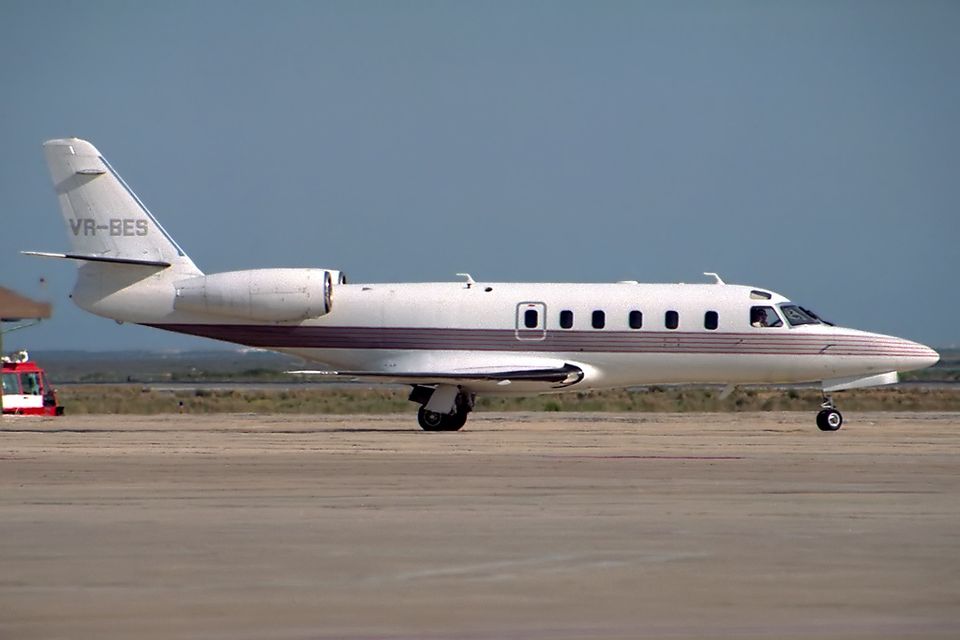
The IAI Astra 1125 is one of those business jets that quietly earns respect. It flies fast, climbs high, and gets people across the country in comfort without the price tag of a big-cabin jet. Plenty of buyers fall in love with the speed and the roomy cabin.
Then comes the real question that keeps them up at night: what does it cost to keep this thing in the air? The IAI Astra 1125 operating cost per hour is the number that separates the dreamers from the owners.
The sticker price is the easy part. The bill that shows up every time those two engines spool up is where the story gets interesting.
Key Takeaways
The IAI Astra 1125 costs roughly $3,000 to $4,000 an hour in direct operating costs, and once you fold in fixed yearly expenses like crew and hangar space, the all-in number climbs closer to $3,900 to $4,900 per hour, depending on how much you fly. The more hours you put on the jet each year, the lower your cost drops per hour, because those big fixed bills get spread across more flights.
| Cost Question | Quick Answer |
| Direct operating cost per hour | Around $3,000 (fuel, maintenance, engine reserves) |
| All-in cost per hour | Roughly $3,900 to $4,900, based on yearly hours flown |
| Typical fuel burn | About 200 gallons per hour |
| Annual budget (200 hours) | Roughly $975,000 |
| Annual budget (400 hours) | Roughly $1.5 million |
| Biggest single cost | Fuel |
| Engine type | Two Honeywell (Garrett) TFE731 turbofans |
Flying411 makes it easier to see the full picture of aircraft ownership, from listings to costs to trusted service providers, all in one place.
Meet the IAI Astra 1125
Before we dig into the dollars, it helps to know what kind of jet we are talking about. The IAI Astra 1125 is a midsize, twin-engine business jet built by Israel Aerospace Industries. It grew out of the older IAI Westwind, keeping a few pieces like the tail and engine nacelles while gaining a wider, more comfortable cabin and better performance.
The prototype first flew in March of 1984, and the jet entered service in the mid-1980s. It became a favorite for people who wanted transcontinental range and high-speed cruise without stepping up to a heavy jet. Over the years, the design kept improving. The original Astra 1125 gave way to the Astra SP, then the Astra SPX, and finally the whole line was rebranded as the Gulfstream G100 after Gulfstream took over marketing in 2001.
You can trace the whole family tree from the Westwind roots up through each upgrade. There was even a military C-38A version built for government transport work.
Fun Fact: The Astra platform was so well regarded that Gulfstream, a name usually tied to large luxury jets, adopted it and sold it under its own badge as the G100.
A quick look at the specs
Here are the basics that shape the flying experience and, by extension, the cost of running one.
- Engines: Two Honeywell (Garrett) TFE731 turbofans, mounted at the rear
- Cruise speed: Around 450 knots, close to Mach 0.80
- Range: Roughly 2,000 to 2,800 nautical miles depending on the model and load
- Service ceiling: Up to about 45,000 feet
- Passengers: Seating for up to eight or nine, plus two pilots
- Cabin: Stand-up room in a midsize layout with a galley and lavatory
Good to Know: The TFE731 engine family is one of the most widely used in business aviation. That long track record means parts and experienced mechanics are easier to find than you might expect for an older jet.
Those two engines and that high service ceiling are a big reason the Astra flies so well. They are also a big reason the fuel and maintenance bills land where they do.
What "Operating Cost Per Hour" Means
When people ask about the cost per hour, they sometimes picture one simple number. In reality, the cost of flying a jet splits into two buckets. Understanding both is the key to reading any cost estimate correctly.
The two buckets are fixed and variable costs. Fixed costs stay the same no matter how much you fly. Variable costs go up and down with every hour in the air. A jet parked in the hangar all year still runs up fixed bills. The moment you take off, the variable meter starts running.
Fixed costs
These are the bills you pay just for owning the aircraft and keeping it ready to fly.
- Crew salaries for your pilots
- Crew training to keep those pilots current and legal
- Hangar space to protect the jet from weather
- Insurance to cover the airframe and liability
- Management fees if you hire a company to handle the details
Variable costs
These are the bills tied directly to flying. Fly more, pay more.
- Fuel burned on each trip
- Airframe maintenance based on flight hours and cycles
- Engine overhaul reserves set aside for major engine work
- Landing, handling, and crew travel fees at each stop
Why It Matters: If you only look at the variable cost per hour, you miss almost half the real bill. The fixed costs are just as real, and they land in your lap even during a slow flying year.
This split explains a strange truth about jet ownership. The Astra 1125 gets cheaper per hour the more you fly it. That is because the fixed costs get spread across more hours, which shrinks the share carried by each flight.
IAI Astra 1125 Operating Cost Per Hour, Line by Line
Now for the heart of the matter. Below is a detailed look at the IAI Astra 1125 operating cost per hour, broken into the pieces that make up the total. These figures are industry estimates and will shift with fuel prices, your flying habits, and the condition of your specific aircraft. Treat them as a realistic guide, not a fixed quote.
Here are the main cost drivers, roughly in order of how much they bite.
- Fuel. This is the single biggest variable expense. The Astra burns about 200 gallons of jet fuel per hour. At recent national average fuel prices, that puts fuel burn somewhere around $1,400 to $1,650 per hour. When fuel prices spike, this number climbs fast.
- Airframe maintenance. Routine inspections, parts, and scheduled work add up to roughly $650 to $700 per hour on average. Older jets need steady attention, and the Astra is no exception.
- Engine overhaul reserves. Smart owners set aside money every hour for the day the engines need a major overhaul. This reserve tends to run around $450 per hour. Skipping it does not make the cost go away. It just delays a very large bill.
- Landing and handling fees. Every airport charges to land, park, and service the jet. Along with crew travel costs, this often works out to around $200 per hour of flying.
- Crew salaries. Two qualified pilots are a fixed cost, and a big one. Full-time crew pay commonly lands in the range of $235,000 per year for the Astra.
- Crew training. Recurrent training and simulator time keep your pilots sharp and legal. Budget somewhere near $40,000 per year.
- Hangar. Keeping the jet indoors protects your investment and typically costs around $39,000 per year, though this swings widely by location.
- Insurance. Coverage for a midsize jet like the Astra often runs in the neighborhood of $7,000 or more per year, depending on pilot experience and how the jet is used.
- Management fees. Many owners hire a management company to handle scheduling, compliance, and paperwork. That service commonly runs about $48,000 per year.
- Miscellaneous. Small variable and fixed extras, from supplies to unexpected odds and ends, round out the budget and are worth setting aside a cushion for.
When you add up just the variable pieces, the direct operating cost lands near $3,000 per hour. That matches the figures floating around the market, which peg the hourly running cost of an Astra somewhere between $3,000 and $4,000.
Heads Up: Engine overhauls are one of the largest planned expenses in a jet's life. On a twin-engine jet like the Astra, a major overhaul can reach well into six figures. This is exactly why setting aside hourly reserves matters so much.
Not sure what your aircraft is worth before you commit to those hourly bills? Flying411 lets you value your aircraft quickly so you can plan around real numbers.
Annual Budget: What It All Adds Up To
Cost per hour is useful, but owners live and breathe the yearly budget. So let's put real annual figures next to two common flying schedules. The table below shows a sample annual operating budget for an Astra 1125 flown 200 hours a year versus 400 hours a year. These are industry sample estimates and will vary with fuel prices and your own choices.
| Cost Category | 200 Hours/Year | 400 Hours/Year |
| Fuel | ~$324,000 | ~$648,000 |
| Maintenance | ~$132,000 | ~$264,000 |
| Engine overhaul reserves | ~$90,000 | ~$181,000 |
| Landing, handling, crew travel | ~$40,000 | ~$80,000 |
| Miscellaneous variable | ~$5,000 | ~$10,000 |
| Total variable costs | ~$591,000 | ~$1,183,000 |
| Crew salaries | ~$235,000 | ~$235,000 |
| Crew training | ~$41,000 | ~$41,000 |
| Hangar | ~$39,000 | ~$39,000 |
| Insurance | ~$7,000 | ~$7,000 |
| Management | ~$48,000 | ~$48,000 |
| Miscellaneous fixed | ~$14,000 | ~$14,000 |
| Total fixed costs | ~$384,000 | ~$384,000 |
| Total annual budget | ~$975,000 | ~$1,567,000 |
Look closely at the fixed costs row. It barely changes between 200 and 400 hours. That is the whole point of fixed costs. They stay put while the variable costs double.
Now watch what happens to the cost per hour:
- At 200 hours a year, the all-in cost works out to roughly $4,900 per hour.
- At 400 hours a year, it drops to around $3,900 per hour.
That is a real savings of about a thousand dollars an hour, earned simply by flying more. It also helps explain the cost per nautical mile. At lighter use, the Astra costs somewhere near $11 per mile. Fly it harder, and that figure falls closer to $9 per mile.
Keep in Mind: These budgets leave out the purchase price, depreciation, and any loan interest. Those are separate and can be significant. The numbers here cover the cost to run the jet, not to buy it.
What Drives the Cost Up or Down
No two Astra owners pay exactly the same. Several factors push your personal cost above or below the sample budget. Knowing them helps you plan and, in some cases, save real money.
Fuel prices. Since fuel is the largest variable cost, swings in the market hit you hard. A jump in jet fuel prices can add hundreds of dollars to every single hour.
How much you fly. As we saw, more hours mean a lower cost per hour. Owners who fly only occasionally pay a premium on every trip.
Engine condition and programs. Enrolling your engines in an hourly cost program can smooth out those big overhaul bills into steady monthly payments. It changes how the cost feels, even if the total is similar.
Age and history of the airframe. A well-kept jet with clean records and recent inspections costs less to maintain than one that has been neglected.
Where you base the jet. Hangar rates, labor rates, and airport fees vary a lot by region. Basing in a high-cost area raises your fixed bills.
Crew arrangement. Full-time salaried pilots cost more than contract crews you hire only when you fly. The right choice depends on your schedule.
Pro Tip: Ask about the engine's enrollment status on any hourly maintenance program before you buy. A jet already on a good program can save you from a surprise six-figure overhaul bill down the road.
How the Astra 1125 Stacks Up
Cost never lives in a vacuum. Buyers almost always compare the Astra against its rivals in the midsize class. Here is how it lines up against a few common alternatives.
The Astra competes closely with jets like the Learjet 60, the Hawker 800, and the Citation VII. Each has its own personality when it comes to speed, cabin size, and running costs.
- The Astra 1125 is known for strong speed and a high service ceiling for its class.
- Its charter rates typically fall between roughly $3,900 and $4,800 per hour, which sits right in the midsize range.
- On the used market, Astra airframes often trade well below newer midsize jets, which keeps the entry cost friendly.
If you want to weigh the trade-offs directly, it helps to see how it performs against the Learjet 60, how it compares with the Hawker 800, and how it measures up to the Citation VII. Each rival wins in some areas and loses in others. There is no single right answer, only the jet that fits your mission and your budget.
It also pays to know which Astra you are looking at. The differences between the Astra models affect range, engine power, and running costs. The later SPX, for example, carries more powerful engines and winglets that improve performance.
Is the IAI Astra 1125 Worth It?
For the right owner, the value story is strong. The Astra offers midsize comfort and jet speed at a used price that undercuts newer competitors. If you fly a healthy number of hours each year, the cost per hour becomes reasonable for the performance you get.
Here is a simple way to think about who fits the Astra well.
Good fit for owners who:
- Fly regular transcontinental or medium-haul trips
- Value speed and high-altitude cruise
- Put enough hours on the jet to spread fixed costs
- Want a proven, well-supported airframe
Less ideal for owners who:
- Fly only a handful of hours per year
- Need the very lowest possible fuel bills
- Want the newest cabin technology out of the box
Quick Tip: Run your own honest estimate of yearly flight hours before you buy. That single number drives your cost per hour more than almost anything else, and it is easy to be optimistic about how much you will fly.
Flying411 connects buyers with certified A&P mechanics, avionics specialists, and MRO providers, so keeping an Astra 1125 in top shape is far simpler.
Buying vs Chartering the Astra 1125
If those ownership numbers feel heavy, chartering is worth a look. When you charter an Astra, you pay an hourly rate that already folds in fuel, crew, and maintenance. Those charter rates usually land between about $3,900 and $4,800 per hour, and the price shifts with the route, the season, and repositioning.
Chartering makes sense for people who fly less often. You skip the fixed costs entirely and pay only when you fly. Ownership makes more sense once your yearly hours climb high enough that spreading the fixed costs brings your per-hour number down.
There is a simple rule of thumb here. If you fly less than a hundred hours a year, charter usually wins on cost. Once you push past a few hundred hours, ownership starts to pay off. Your exact break-even depends on the factors we covered earlier.
Ready to see what an Astra 1125 or a smarter alternative might cost you? Browse listings and connect with trusted aviation pros on Flying411 today.
Conclusion
The IAI Astra 1125 operating cost per hour comes down to a clear pattern once you see the pieces. Expect roughly $3,000 an hour in direct running costs, and something closer to $3,900 to $4,900 per hour once you add the fixed bills, all shaped by how much you fly. Fuel leads the pack, engines demand steady reserves, and the fixed costs reward owners who keep the jet busy. It is a fast, capable midsize jet with a reasonable cost story for buyers who use it well.
The best decisions come from real numbers, not guesses. Pricing your first jet or ready to make a move? Flying411 puts listings, valuations, and trusted aviation services in one place so your next step is a confident one.
Frequently Asked Questions
How much does it cost to fill up an IAI Astra 1125?
With a fuel burn near 200 gallons per hour and full tanks holding well over a thousand gallons, a complete fill can run several thousand dollars at typical jet fuel prices. Exact cost depends on the fuel price at your airport that day.
How many passengers can the Astra 1125 carry?
The Astra 1125 typically seats up to eight or nine passengers along with two pilots, in a comfortable midsize cabin. The exact layout varies by how each individual aircraft was configured.
Is the Astra 1125 the same as the Gulfstream G100?
They share the same core design. The Astra line was upgraded into the SPX and later rebranded as the Gulfstream G100 after Gulfstream took over marketing in 2001, so the two are closely related members of the same family.
What engines does the IAI Astra 1125 use?
The Astra 1125 is powered by two Honeywell (Garrett) TFE731 turbofan engines mounted at the rear of the fuselage. This engine family is widely used across business aviation and well supported.
Does flying more hours really lower the cost per hour?
Yes. Fixed costs like crew, hangar, and insurance stay roughly the same no matter how much you fly, so spreading them across more hours lowers the cost carried by each flight. That is why higher yearly use brings the per-hour number down.