
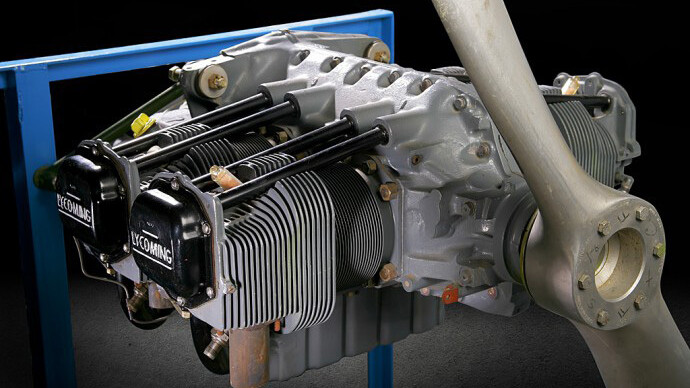
Did you know a single borescope inspection can reveal early engine damage before it turns into an emergency — and it usually takes less than 30 minutes per cylinder? This simple tool is quickly becoming one of the most valuable practices in general aviation maintenance.
If you own or fly a Lycoming-powered aircraft, knowing how to use a borescope correctly could save you from an unexpected engine failure — and a very expensive repair bill. This post goes through exactly how to do it right.
Key Takeaways
A Lycoming borescope inspection is a minimally invasive way to check the internal condition of your engine's cylinders without pulling them apart. By removing the spark plugs and inserting a small camera, you can see the cylinder walls, valves, pistons, and more — catching problems early before they require a full overhaul.
| What It Is | Details |
| What it is | A visual inspection using a small camera inserted into the cylinder |
| Why it matters | Catches corrosion, scoring, and valve damage early |
| When to do it | Every 100 hours, pre-purchase, or after abnormal readings |
| Tools needed | Borescope camera, spark plug socket, light source, recording device |
| Who can do it | An A&P mechanic or a trained pilot under supervision |
| Cost benefit | Far cheaper than pulling a cylinder or doing a full engine removal |
What Is a Borescope Inspection and Why Does It Matter?
A borescope is a long, thin camera on a flexible or rigid tube. You insert it into a small opening — like a spark plug hole — and it shows you what's going on inside the engine without taking anything apart. Think of it like a tiny flashlight and camera combined into one inspection tool.
For Lycoming engines, this is a big deal. These engines power a huge number of general aviation aircraft, from the classic Cessna 172 to more advanced trainers and personal planes. Knowing what's happening inside your cylinders without doing a full engine removal gives you a massive advantage as an owner or mechanic.
What It Shows You
A borescope lets you see:
- The cylinder wall surface and its crosshatch pattern
- The top of the piston and any carbon buildup
- The valve faces and valve seat condition
- The exhaust port for signs of heat damage or cracking
- Early signs of corrosion, scoring, or pitting
That's a lot of useful information from just a spark plug hole — and it takes only a few minutes per cylinder when done right.
How It Saves Time and Money
Compare a borescope inspection to the alternative. If you suspect cylinder problems, the next step without a borescope is to pull a cylinder — which means significant labor, parts, and downtime. A borescope lets you look first and decide later.
According to Lycoming's own guidance on engine instruments, instrument readings alone don't always tell the full story. A low compression reading might point you toward a problem, but a cylinder borescope confirms exactly what you're dealing with — and where. That means you can target your repairs instead of guessing.
For a deeper look at what engine maintenance actually costs, check out this breakdown of Lycoming engine overhaul costs. You'll quickly see why catching problems early with a borescope pays off.
When It's Recommended vs. When It's Required
A borescope inspection is recommended:
- Every 100 hours as part of routine aircraft maintenance
- During a pre-purchase evaluation of a used plane
- After a prop strike, hard landing, or overspeed event
- When a compression test shows a low result on one or more cylinders
- When oil analysis shows abnormal metal content
It becomes essentially required when a service bulletin or airworthiness directive calls for internal engine inspection — or when an A&P mechanic suspects internal wear that instruments alone can't confirm. In those cases, the borescope is often the first step before deciding whether a cylinder removal or deeper teardown is needed.
If you're also thinking about the long-term engine picture, the guide on Lycoming rebuilt vs. overhaul engines covers what the options look like once problems are found.
Tools and Equipment You Need
You don't need a lot of gear to perform a Lycoming borescope inspection, but the quality of your tools matters. A poor-quality scope gives you blurry, misleading images. A good one gives you clear, reliable data.
Types of Borescopes: Rigid vs. Flexible
- Rigid borescopes are straight tubes with a lens at the end. They're simple, durable, and often less expensive — but they only work in straight-line access paths, which limits where you can look.
- Flexible borescopes (also called video borescopes) have an articulating tip you can steer. These are far more useful for Lycomings because they let you navigate around the piston crown and view the cam lobe area, valve stem, and upper cylinder walls from multiple angles.
For a thorough cylinder inspection on a Lycoming engine, a flexible video borescope is the better choice. It gives you more coverage and better documentation options.
Recommended Specs for Lycoming Cylinder Inspections
When choosing a borescope for aircraft engine inspections, look for:
- Probe diameter: 4mm to 6mm works well for most Lycoming spark plug holes
- Working length: At least 60cm (about 24 inches) to reach all areas of the cylinder
- Resolution: At least 720p video; 1080p is better for catching fine cracks or early corrosion
- Articulation: 2-way or 4-way tip steering for full visibility inside the cylinder
- Built-in light source: Bright LED illumination is essential for clear images deep in the engine
Brands like Snap-on offer professional-grade video borescopes used widely in aircraft maintenance. There are also more affordable options that still perform well for routine inspections — just verify the resolution and articulation before buying.
Other Supplies You'll Need
Beyond the borescope itself, gather these before you start:
- Spark plug socket and ratchet — to remove the plugs for scope entry
- Torque wrench — for reinstalling spark plugs to spec after the inspection
- Lint-free gloves — to keep oils off the scope and engine components
- Tablet or laptop — for reviewing footage in real time or saving recordings
- Recording capability — either a built-in SD card slot or USB output on the borescope
- Cleaning brushes or compressed air — to clear loose debris from the plug holes before inserting the scope
- Reference photos — images of healthy cylinder wall surfaces and valve faces to compare against your findings
Some mechanics also use a mirror or angled tip attachment for checking the cam and lifters area, depending on the access point. For Lycoming engines specifically, the oil filler tube port is sometimes used as an alternate entry point to inspect the camshaft area.
If you're comparing engine options for your aircraft or thinking about a future upgrade, the guide on Lycoming factory new vs. factory rebuilt engines gives a solid overview of how the two options differ — which matters when planning long-term maintenance.
Step-by-Step: Performing a Lycoming Borescope Inspection
This is the core of the process. Take your time with each step. A rushed inspection misses things. A careful one gives you a clear picture of your engine's health.
Step 1 — Preparation: Engine Cool-Down, Spark Plug Removal, Cylinder Positioning
Before you insert any tools, the engine needs to be completely cool. Hot metal expands, and working on a hot aircraft engine creates burn risks and distorts what you see. Wait at least two to three hours after the last flight before starting.
Preparation steps:
- Confirm the aircraft is secured, magnetos are grounded, and fuel is off
- Open the cowling for full access to the top of the engine
- Remove both spark plugs from the cylinder you're inspecting — top and bottom
- Use compressed air to blow out any loose debris or oil mist from the plug holes
- Rotate the crankshaft by hand (with the prop) so the piston is near bottom dead center (BDC) — this gives you maximum viewing space inside the cylinder
Removing both plugs is important. The bottom plug hole is often the better entry point for borescoping because it gives a wider view of the cylinder wall and piston crown. The top hole works better for viewing the exhaust valve and valve seat area.
Step 2 — Inserting the Borescope and Navigating Each Cylinder
Insert the borescope tip gently into the plug hole. Don't force it. Guide it slowly while watching the monitor or display.
Navigation tips:
- Start with the tip pointed toward the cylinder wall to check for scoring or corrosion
- Slowly rotate the scope to scan the full 360-degree wall surface
- Steer the articulating tip upward toward the valve area to check the valve seat and face
- Pan across the piston crown looking for carbon deposits, cracks, or burn marks
- Move toward the exhaust port and check for heat discoloration or cracking
Take your time here. Moving too fast means you'll miss subtle issues. Each cylinder inspection should take at least three to five minutes if done properly. For a four-cylinder engine, plan for 20 to 30 minutes minimum just for the visual pass.
Step 3 — What to Inspect: Cylinder Walls, Valve Faces, Piston Tops, Exhaust Ports
Here's what to look for in each area:
Cylinder Walls:
- Look for the crosshatch pattern left from the honing process — this is what good looks like
- Scoring appears as vertical scratches running up and down the wall
- Corrosion shows up as pitting or rust-colored spots
- A worn wall loses its crosshatch and looks smooth or glazed
Valve Faces and Seats:
- Healthy valve faces are smooth and evenly colored
- Carbon buildup on the exhaust valve is common but should be monitored
- Pitting or erosion on the valve sealing surface is a red flag
- Cracking near the valve margin requires immediate evaluation
Piston Tops:
- Light carbon deposits are normal — heavy, uneven deposits suggest combustion issues
- Cracks on the piston crown are serious and require cylinder removal
- Burn marks or melted spots indicate detonation history
Exhaust Ports:
- Look for cracks in the exhaust port walls
- Heavy carbon buildup can indicate oil burning
- Minor heat discoloration is normal; severe discoloration needs investigation
Step 4 — How to Document Findings with Photos and Video
Documentation is not optional — it's essential. Here's how to do it right:
- Record video of the full inspection for each cylinder, labeling the recording with the cylinder number
- Take still photos of any areas of concern using the scope's capture function
- Note findings in a logbook with the date, Hobbs time, and specific observations
- Compare to previous inspections if available — changes over time are often more informative than a single snapshot
This documentation protects you during a pre-purchase review or if questions arise later about the internal condition of the engine. It also gives your A&P a baseline for future comparisons.
Want to understand what a fresh start looks like after a problem is found? The guide on how to break in a new Lycoming engine is worth reading before and after any major work.
What Normal vs. Abnormal Findings Look Like
Knowing what you're looking at is just as important as knowing how to look. The difference between a normal wear pattern and early damage isn't always obvious to an untrained eye.
Healthy Cylinder Wall Crosshatch Patterns
A healthy cylinder wall has a visible crosshatch pattern — diagonal lines crossing at roughly 45-degree angles. This pattern holds oil and supports proper ring seating. It's the fingerprint of a well-functioning cylinder.
- Good: Clear, even crosshatch across the full surface
- Acceptable: Faint crosshatch with minimal smoothing near the top
- Concerning: No visible crosshatch, smooth or glazed surface, or visible vertical scoring
Early Signs of Corrosion, Scoring, or Pitting
Corrosion is one of the most common findings in engines that sit for extended periods. It looks like rust-colored or gray pitting on the cylinder wall. Even light corrosion can accelerate wear if not addressed.
Scoring shows up as vertical lines or gouges. It can result from debris in the oil, a failed oil supply, or a ring that's stuck or broken.
Pitting appears as small craters. It can come from corrosion or from detonation damage. Either way, pitting breaks up the cylinder wall surface and reduces its ability to seal properly.
For more on how cold weather affects your engine between flights — a common cause of corrosion — see the Lycoming cold weather starting guide.
Valve Erosion, Carbon Buildup, and Cracking
The exhaust valve takes a beating in normal operation. Over time, erosion on the valve face reduces the sealing surface and can lead to compression loss.
Carbon buildup on the valve stem or behind the valve head is common. Light buildup is normal. Heavy, flaky deposits suggest oil is getting past the valve guide seals.
Cracking near the valve margin or on the port walls is a serious finding. This requires consultation with a skilled A&P mechanic and often means cylinder removal is coming.
When Findings Are Informational vs. When They Require Action
| Finding | Action Level |
| Light carbon on piston top | Monitor at next inspection |
| Faint crosshatch on cylinder walls | Log and trend over time |
| Early rust pitting (surface level) | Clean, re-fly, re-inspect |
| Deep scoring on cylinder wall | Consult A&P — possible cylinder removal |
| Cracked valve margin | Ground aircraft — cylinder removal required |
| Severe piston crown damage | Immediate engine evaluation |
When in doubt, get a second opinion from a skilled mechanic or consult a trusted aviation resource for guidance on what findings cross the line from normal wear into maintenance action territory.
Common Mistakes to Avoid
Even experienced pilots and mechanics make these errors during a cylinder borescope inspection. Knowing them in advance helps you avoid them.
Rushing the Inspection or Skipping Cylinders
This is the most common mistake. Borescoping all cylinders — not just the one with a bad compression number — gives you a complete picture of cylinder condition across the entire engine. Skipping cylinders because they seemed fine last time is how small problems get missed until they become big ones.
Every cylinder deserves the same attention. A pattern of light wear across multiple cylinders tells a very different story than isolated damage in one — but you'll only see that pattern if you check all of them.
Misinterpreting Normal Wear as Damage (and Vice Versa)
A first-time inspector might panic at normal carbon deposits or light wear. Conversely, someone hoping for a clean bill of health might brush off early findings as just normal wear. The fix is reference material — use comparison images, consult your A&P, and don't make judgment calls alone if you're not experienced.
This also matters when evaluating older engine components, which can have different surface textures than more modern cylinders. Knowing your specific engine's history matters.
Poor Lighting or Camera Angle Leading to Missed Findings
Even the best borescope images are useless if the lighting is off or the camera angle is wrong. Always verify your LED light is working at full brightness before starting. Angle the tip carefully to get face-on views of the valve and cam followers rather than oblique angles that hide surface defects.
Don't rely solely on live viewing. Recorded footage lets you pause and zoom in on details you might have missed during the real-time inspection.
Understanding your engine's full history also matters for decisions after an inspection. If you're weighing options for what comes next, the comparison of Lycoming factory new vs. factory rebuilt engines and the rebuilt vs. overhaul breakdown are both worth reviewing before making a decision.
Conclusion
A Lycoming borescope inspection is one of the smartest habits a general aviation owner or pilot can build. It's fast, affordable, and gives you real information about what's happening inside your engine — before small issues become grounding events. From checking cylinder walls and valve seats to spotting early valve erosion and piston damage, this tool puts powerful diagnostic capability in your hands without pulling the engine apart.
The key is doing it right — using proper equipment, inspecting every cylinder, documenting your findings, and knowing when to call in your A&P. Make it part of your regular maintenance routine, and your engine will thank you.
For more guides on engine care, maintenance tips, and smart ownership decisions, visit Flying411 — a trusted resource built for pilots who want to stay informed and fly with confidence.
Frequently Asked Questions
Can a pilot legally perform a borescope inspection without an A&P?
In the United States, a pilot can perform preventive maintenance under FAR 43 Appendix A, but a borescope inspection isn't listed as a pilot-performed task. Technically, a pilot can observe or assist, but the findings must be reviewed and logged by a certified A&P mechanic. Always have a licensed mechanic involved for anything that could affect airworthiness decisions.
How often should Lycoming engines be borescoped beyond the 100-hour interval?
Beyond standard 100-hour checks, it's a good idea to borescope after any event that could stress the engine — like a prop strike, suspected overspeed, abnormal oil consumption increase, or if the aircraft has been sitting idle for three months or more. Inactivity is a leading cause of corrosion inside cylinders, so regular use combined with periodic inspections is the best combination.
Does a borescope inspection replace a compression check?
No — they complement each other. A compression test tells you whether a cylinder is sealing properly, while a borescope tells you why it may or may not be. Running both together gives you a much more complete picture. A cylinder can pass a compression test but still show early corrosion or valve erosion that will become a problem down the road.
What should I do if I find something concerning during a Lycoming borescope inspection?
Don't fly until a qualified A&P has reviewed your findings and cleared the aircraft. Share your recorded footage and photos with the mechanic so they can make an informed call. Depending on what's found, the next steps might range from a simple cleaning and re-inspection to cylinder removal or a deeper teardown. Early action almost always costs less than delayed action.
Are there borescope inspection services available at small general aviation airports?
Yes, many A&P mechanics and small maintenance shops at general aviation airports offer borescope services. Some mobile A&P services also bring the equipment to your hangar. Costs vary, but a full inspection of a four- or six-cylinder Lycoming engine is typically far less expensive than even one hour of teardown labor. Ask at your local FBO or maintenance shop for availability.


