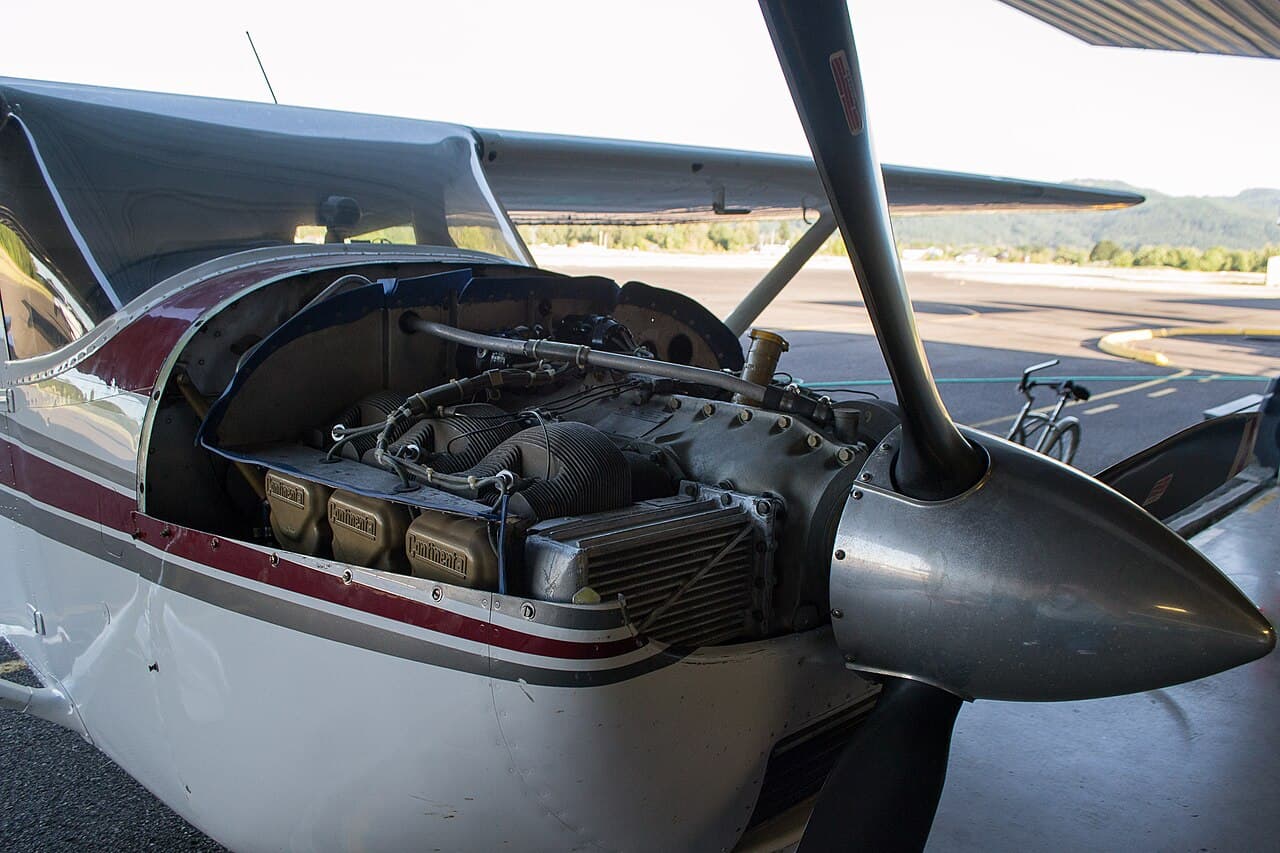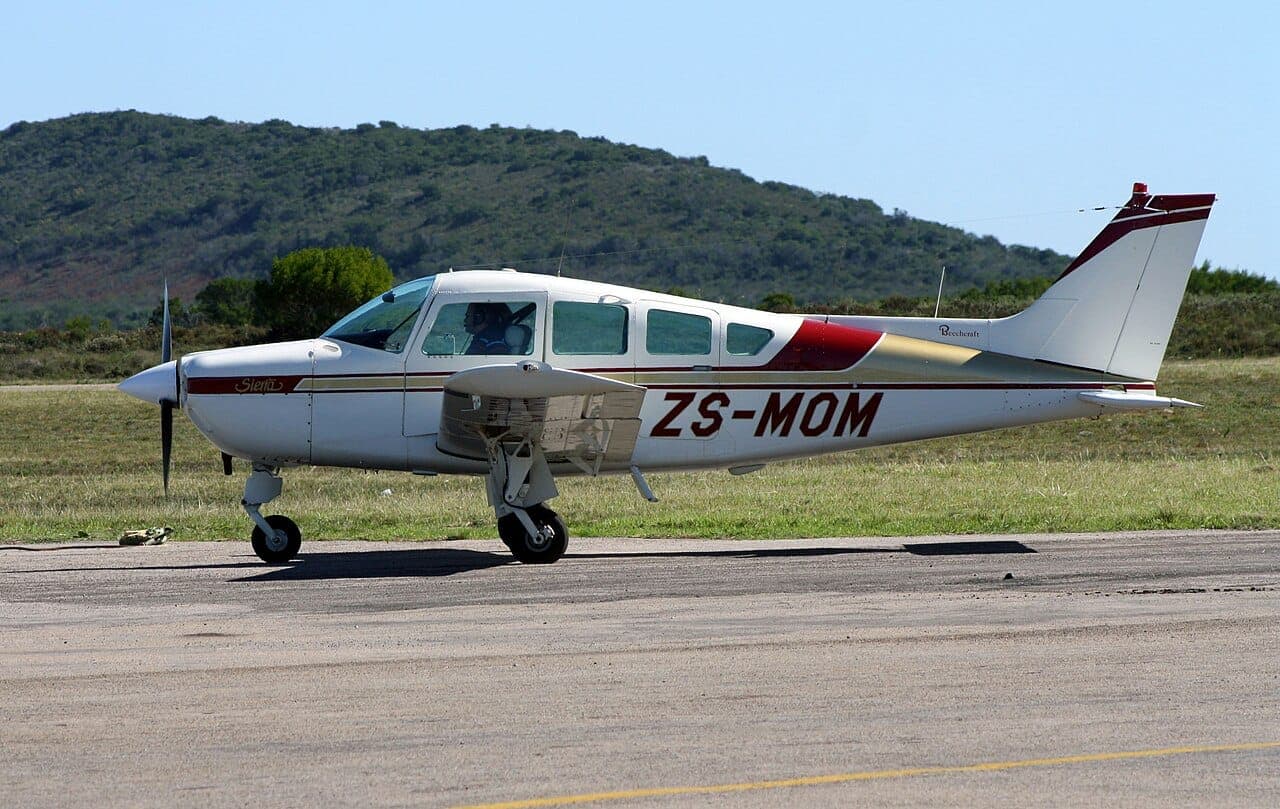
Two identical airplanes can sit on the same ramp, with the same year, the same engine, and the same paint. One sells in three weeks near asking price. The other sits for eight months and closes for far less. The difference is often paperwork.
Aircraft maintenance records tell a buyer the story of the airplane, and buyers pay for stories they can verify.
An airplane is a machine, but the sale is a transfer of trust. A stack of neat, complete logbooks says the owner cared.
A shoebox of loose receipts with a five-year hole in the middle says something else entirely. Buyers cannot see inside a wing spar or a cylinder, so they read the books instead.
That is the strange truth of the used aircraft market: the cheapest part of the airplane is often worth the most money.
Key Takeaways
Aircraft maintenance records affect resale value because they are the only proof a buyer has that the airplane was maintained, repaired, and inspected correctly. Complete records support a strong price and a fast sale. Missing, messy, or unclear records create doubt, and doubt always shows up as a lower offer. Sellers who organize and digitize their records before listing usually get better offers than sellers who hand over a box of loose paper.
| What Buyers Look At | Why It Matters | Effect on Value |
| Complete airframe and engine logs | Proves total time and history | Supports full market price |
| Missing or partial logbooks | Creates unknown risk | Commonly a large reduction |
| Damage and repair history | Shows structural events | Lowers value even when repaired well |
| AD compliance records | Proves legal airworthiness | Missing proof means repeat work |
| Engine and prop status | Sets time remaining | Directly drives the price |
| Component traceability paperwork | Proves parts are legitimate | Protects value at inspection |
| Organized, digital records | Speeds up due diligence | Faster close, fewer price cuts |
Flying411 is an online aviation marketplace where owners list aircraft, engines, and parts, and where buyers come ready to ask exactly these questions.
What Aircraft Maintenance Records Include
Most owners think of maintenance records as "the logbooks." The real package is bigger than that. When a serious buyer asks for records, they are asking for a full paper history of the airplane from the day it left the factory.
Here is what usually sits in that package.
The core logbooks
Aircraft logbooks are the backbone of the whole file. In most general aviation aircraft, you will find a separate book for each major item.
- Airframe logbook. Tracks total time in service, annual and 100-hour inspections, repairs, and structural work.
- Engine logbook. Tracks time since new, time since overhaul, cylinder work, oil analysis, and accessory changes.
- Propeller logbook. Tracks overhauls, blade repairs, and dynamic balancing.
- Avionics or equipment records. Track installations, removals, software loads, and required checks.
Each book should read as a continuous story with no unexplained gaps. Dates should line up. Tach and Hobbs numbers should climb in a sensible way. A logbook that jumps from 1,850 hours in 2016 to 2,400 hours in 2021 with nothing in between is a problem, no matter how good the airplane looks.
Good to Know: Under FAA rules, some records must be kept until the work is repeated or superseded, and others must transfer with the aircraft when it is sold. In practice, buyers expect everything, not only the legal minimum.
Supporting paperwork
The logbooks are the spine. These documents are the muscle.
- FAA Form 337 for major repairs and major alterations
- Supplemental Type Certificate (STC) paperwork and instructions for continued airworthiness
- Weight and balance records, including the current signed version
- Airworthiness Directive (AD) compliance list, with dates, methods, and recurring intervals
- Service bulletin and service letter compliance
- Component tags and release documents for installed parts
- Inspection reports, borescope results, and compression readings
- Repair station work orders and invoices
That last one matters more than people expect. Invoices back up logbook entries. When a mechanic writes a short line about a cylinder change, the matching work order shows what was done, what parts went in, and who signed for it.
Why Buyers Care So Much About Paperwork
A buyer looking at a used airplane has one basic fear: unknown cost. Not the price on the listing, but the money that shows up three months after closing.
Records reduce that fear. They answer four questions that every buyer, lender, and insurer wants answered.
- Is it legal to fly? AD compliance and inspection currency prove the aircraft meets the rules right now.
- What has broken before? Repair history hints at what may break again.
- What is coming due? Overhauls, life-limited parts, and recurring inspections are future bills.
- Who touched it? A well-known shop signing the entries carries more weight than a name nobody recognizes.
Think of it like buying a used car with no service history and no title. The car may drive fine. You still would not pay full price for it.
Why It Matters: Lenders and insurance underwriters read the records too. If the file is weak, financing terms can tighten or fall apart, which shrinks your pool of qualified buyers before the first showing.
9 Ways Aircraft Maintenance Records Change Resale Value at Sale Time
This is where the money moves. Each item below can raise or lower the number a buyer is willing to write on the check.
1. Complete logbooks versus gaps
Complete, unbroken logs from delivery to today are the gold standard. They let an appraiser and a buyer confirm total time, which is the single most important number in the valuation.
Gaps do the opposite. Published estimates of the damage vary widely, from roughly ten percent on the light end to far steeper reductions when major books are gone. The exact hit depends on which book is missing and how much history disappeared with it.
A missing engine log is especially painful. Without proof of time since overhaul, a buyer has to assume the worst and price the engine as if it were run out.
2. Damage history and how it was repaired
Damage history never fully leaves an airplane. A gear-up landing, a hangar rash incident, or a prop strike stays in the record even after a perfect repair.
What buyers weigh is not only the event but the quality of the fix.
- Was the repair done by a reputable shop?
- Is there a signed Form 337 with clear detail?
- Was the affected structure inspected and, where required, replaced?
- Did the engine get a tear-down inspection after a prop strike?
Well-documented damage repaired by a strong shop costs value. Poorly documented damage costs much more, because the buyer has to price in the unknown.
3. Airworthiness directive compliance
Airworthiness directive compliance is a legal requirement, and proving it is a records problem. A clean, current AD list saves a buyer real time and money during the pre-buy.
If the list is missing or sloppy, the buyer's mechanic may have to research every applicable AD from scratch and confirm compliance item by item. That can take days of shop labor, and someone pays for it. Usually the seller pays through a price reduction.
Recurring ADs deserve their own line. Buyers want to see the last compliance date and the next due date in plain language.
4. Engine and propeller status
Engine time is money. Time since major overhaul, time since new, and hot section status on turbines all feed straight into the valuation.
| Engine Status in Records | Typical Buyer Reaction |
| Low time since overhaul, full documentation | Strong offer, quick decision |
| Mid-time with clean records | Fair market pricing |
| Near overhaul, well documented | Price adjusted for known cost |
| Time unknown due to missing logs | Priced as run out |
The last row is the one that hurts. The engine may be healthy. Without paper, it is treated as if it is not.
Heads Up: Oil analysis reports and borescope images are not required, but they help. A seller with a two-year trend of clean oil reports gives buyers something concrete to trust, and that confidence often shows up in the final number.
5. Life-limited parts and traceability
Turbine aircraft and many rotorcraft use parts with hard life limits. Those parts carry their own paperwork, and the paperwork travels with the part for its entire life.
Buyers check that every life-limited component has a traceable history back to the manufacturer. If a part's card is missing, the part may have to come off the aircraft, no matter how much time is left on it. Understanding how life limits work helps sellers spot these problems early rather than at the closing table.
The same logic applies more broadly. Solid part traceability documentation is what turns a box of hardware into an asset a buyer will pay for.
6. Component paperwork and part legitimacy
Every serialized component installed on the airplane should have a release document behind it. In the United States that is usually an FAA Form 8130-3. In Europe it is an EASA Form 1. The difference between those two forms comes up often in cross-border sales, and a buyer's mechanic will notice if the wrong one is in the file.
Records also reveal what kind of parts went on the airplane. Some buyers accept approved alternatives without blinking. Others pay a premium for factory-original hardware.
- Original manufacturer parts with full paperwork
- PMA-approved parts, which are legal alternatives with their own approval basis
- Used serviceable material, where the tradeoffs against new OEM parts show up in both price and paperwork
- Overhauled rotables, where the rotable versus expendable distinction shapes what records should exist
Clean documentation also protects against a darker risk. Weak paperwork is the main way counterfeit or unapproved parts enter a fleet, and a single suspect component can stall an entire sale.
Pro Tip: Before you list, pull the tags for every major component you have replaced in the last several years and confirm each one is legible, complete, and matched to the correct serial number. Knowing how to verify a part is airworthy turns a stressful pre-buy into a routine one.
7. Inspection currency and program enrollment
An annual inspection signed off last month is worth more than one signed off eleven months ago. Same airplane, different position in the calendar.
For turbine and commercial aircraft, the picture gets bigger. Buyers look at where the airplane sits in its heavy check cycle. A jet fresh out of a major check carries more value than one about to enter it, which is why maintenance check intervals shape pricing across the fleet market.
Enrollment on an engine or airframe maintenance program also travels with the aircraft in many cases. That transferable coverage is a documented asset, and buyers price it as one.
8. Modifications, upgrades, and STC paperwork
Avionics upgrades can add real value, but only when the paperwork supports them.
A modern panel with no Form 337, no STC data, and no updated weight and balance is a liability rather than an upgrade. The buyer's mechanic has to figure out if the installation is even approved.
Well-documented modifications do three things:
- Prove the work was legal and properly approved
- Give the new owner the data needed for future service
- Justify the price premium you are asking for
Without the paper, you are asking a buyer to pay extra for something they cannot confirm.
9. Organization, legibility, and digital copies
This one is free, and it still moves money.
Records that are indexed, scanned, and searchable make due diligence fast. Records that are handwritten, water-stained, and out of order make due diligence slow. Slow deals lose momentum, and momentum is worth cash.
Maintenance tracking software and digital record services have made scanned libraries common. Many buyers now expect a link to a clean digital file before they will book a trip to see the airplane in person.
Quick Tip: Scan every page at high resolution and store copies in at least two places. Keep the originals in a fireproof box outside the aircraft, since a hangar fire that takes the airplane and the books at the same time is a worst case scenario.
Owners who want a starting point can get a value estimate for their aircraft through Flying411 before deciding how much record cleanup is worth doing.
How Missing Logbooks Affect the Price
Sellers always ask for a number. The honest answer is that the number depends on what is missing.
Industry sources give a wide range, and they disagree with each other. Some appraisers describe modest reductions for small gaps. Others describe severe reductions when core books are gone. What they all agree on is the direction. Missing records lower value, and the loss grows with the size of the hole.
Here is a general way to think about it.
| What Is Missing | Practical Effect |
| A few scattered entries | Small reduction, usually explainable |
| Recent years only | Moderate reduction, harder to prove current status |
| Engine logbook | Engine often valued as run out |
| Airframe logbook | Large reduction, total time and damage history unproven |
| Everything | Severe reduction, plus financing and insurance trouble |
There is a second cost that does not show up in a table. Fewer buyers will even look. Many will filter your listing out before they call, which weakens your negotiating position from the first conversation.
Keep in Mind: An aircraft with missing records is not automatically a bad airplane. It is an airplane with an unknown history, and buyers price unknowns conservatively because they are the ones who will live with the surprise.
How Appraisers and Pre-Purchase Inspections Use the Records
Records show up twice in a sale. First in the valuation, then in the inspection.
The appraisal side
An aircraft appraisal starts with a base value for the make, model, and year. From there, the appraiser adjusts for equipment, condition, engine status, damage history, and records quality.
Those adjustments come almost entirely from paperwork. The same logic drives value across the market, from single-engine pistons to airliners, and it explains a lot about what determines a commercial aircraft's value as well. On the larger end of the market, how commercial appraisals are performed follows the same basic pattern with more documentation at every step.
Records also feed long-term value forecasts. Lease and finance decisions lean on aircraft residual value projections, and those projections assume the documentation will be complete when the aircraft changes hands. Weak records are one reason aircraft can depreciate faster than owners expect.
The pre-purchase inspection side
A pre-purchase inspection is where the paper meets the metal. The buyer's mechanic compares what the logbooks claim against what the airplane shows.
Typical checks include:
- Confirming total time against the tach, Hobbs, and recorder readings
- Matching installed component serial numbers to the records
- Verifying AD compliance item by item
- Looking for repairs that appear on the airframe but not in the books
- Reviewing Form 337s for completeness and correct signatures
Anything found on the airplane that is missing from the books becomes a negotiating point. Sometimes it is a small correction. Sometimes it stops the deal.
For larger fleet aircraft, buyers may also cross-check component numbers against manufacturer data, which is why reading Boeing part numbers correctly is a routine skill in commercial transactions.
How Records Expectations Differ by Aircraft Type
Not every buyer wants the same depth of documentation. Expectations scale with the size and complexity of the asset.
Piston singles and light twins. Buyers want complete airframe, engine, and prop logs, a clean AD list, and 337s for any major work. Handwritten entries are normal and accepted.
Turboprops and light jets. Buyers expect the above plus component traceability, life-limited part status, program enrollment details, and often a digital record set.
Large commercial aircraft. Documentation is a full department. Records include back-to-birth traceability on life-limited parts, complete check history, modification status, and configuration control. Buyers of large transport aircraft compare fleets and paperwork together, which is part of why matchups like the 777 against the 787 or the 737 NG versus the MAX come down to lifecycle cost as much as performance.
Engine documentation follows the same pattern at scale. The differences between CFM56 and LEAP engines matter to buyers partly because each family carries its own maintenance and record-keeping profile.
Fun Fact: It is widely said in aircraft sales that the logbooks are the most valuable item in the airplane by weight, since a few pounds of paper can represent a very large share of the asking price.
Common Record Keeping Mistakes That Cost Sellers Money
Most record problems are not dramatic. They build up quietly over years of ownership.
- Leaving the logbooks in the aircraft. One theft, fire, or flood takes both assets at once.
- Vague entries. "Repaired left wing" tells a buyer almost nothing and invites worry.
- Missing signatures or certificate numbers. An unsigned entry may not count at all.
- No AD compliance list. Forcing a buyer's shop to rebuild it from zero is expensive.
- Losing component tags. The part is fine, but proving it becomes hard.
- Skipping weight and balance updates. Common after avionics work, and easy to catch before listing.
- Waiting until the airplane is listed. Fixing records under deal pressure is the most expensive way to do it.
The good news is that almost all of these are correctable with time and a cooperative mechanic.
How to Get Your Aircraft Records Ready Before Listing
Think of this as staging a house, except the rooms are made of paper. Give yourself a few months if you can.
- Gather everything. Logbooks, invoices, 337s, STC paperwork, tags, and inspection reports. Do not throw anything away yet.
- Build a timeline. Lay entries out by date and look for gaps. Note every hole you find.
- Fill the gaps. Contact past shops for copies of work orders. Many keep records for years and will help.
- Order your FAA records. The aircraft's records on file with the FAA can help rebuild major repair and alteration history.
- Create a clean AD compliance list. Have your mechanic verify and sign it. This single document saves buyers real money.
- Verify component paperwork. Match tags to serial numbers on the airplane.
- Update weight and balance. Make sure the current version reflects every installed change.
- Scan everything. Organize by category, name files clearly, and store copies in two separate places.
- Write a summary sheet. One page listing total time, engine and prop status, recent work, upcoming due items, and damage history. Buyers love this.
That summary sheet does more work than sellers expect. It shows confidence, and confidence is contagious in a negotiation.
Ready to put a well-documented aircraft in front of serious buyers? List it on Flying411 and let the paperwork do the selling for you.
What to Do If Logbooks Are Missing or Damaged
Sometimes the damage is already done. The books were lost in a move, destroyed in a hangar fire, or never handed over by a previous owner. You still have options.
- Reconstruct what you can. Copies from repair stations, avionics shops, and engine overhaul facilities can rebuild large sections of history.
- Pull the FAA aircraft records. Major repairs and alterations filed over the years may be recoverable.
- Get a fresh, thorough inspection. A detailed annual or heavy inspection with a strong write-up creates a new, credible starting point.
- Consider engine work. If engine time cannot be proven, an overhaul with fresh documentation may recover more value than it costs.
- Be completely upfront. Disclose the gap in the listing. Buyers who find out late walk away. Buyers who know early can price it and move on.
- Get a professional appraisal. An accredited appraiser can quantify the loss so you price the aircraft realistically instead of guessing.
Honesty here is a strategy, not just ethics. A transparent seller with a documented recovery plan keeps buyers at the table.
Good to Know: Reconstructed records rarely restore full value, but they routinely restore enough to make an aircraft financeable and insurable again, which reopens the market to buyers who would otherwise pass.
Conclusion
Airplanes are inspected, maintained, repaired, and flown, and every one of those events leaves a paper trail. Aircraft maintenance records turn that trail into proof, and proof is what buyers pay for. Complete records support a strong price. Thin records invite discounts. Missing records invite doubt, and doubt is the most expensive thing in any aircraft transaction.
The best part is that this is one area of ownership you can control without touching a wrench. Organize the file, close the gaps, scan the pages, and keep the originals safe. Your future self, standing at a closing table, will be very glad you did.
When your paperwork is as sharp as your paint, put your aircraft where buyers are already looking. List it, value it, or shop it on Flying411.
FAQs
Are aircraft maintenance records legally required to transfer with the aircraft when it is sold?
Certain maintenance records and status documents must be transferred to the new owner at the time of sale under FAA rules. In practice, buyers expect the full historical file, not only the legally required minimum.
Can digital copies of logbooks replace the original paper books?
Digital copies are extremely useful for backups and buyer review, but most buyers and appraisers still want the original records available. Scans reduce risk and speed up a sale rather than replacing the originals.
Does a fresh annual inspection increase resale value?
A recent inspection generally helps, because it lowers the buyer's immediate cost and signals current airworthiness. It does not offset major gaps in older records.
How long should an aircraft owner keep maintenance invoices?
Keeping invoices for the entire period of ownership is the safest approach, since they support logbook entries and help rebuild history if a book is ever lost. Many owners scan them as soon as work is completed.
Will insurance companies refuse coverage if logbooks are missing?
Some insurers and lenders become cautious or decline when core records are unavailable, since they cannot verify the aircraft's history. Terms vary by company, so it is worth asking before you buy or list an aircraft with known gaps.