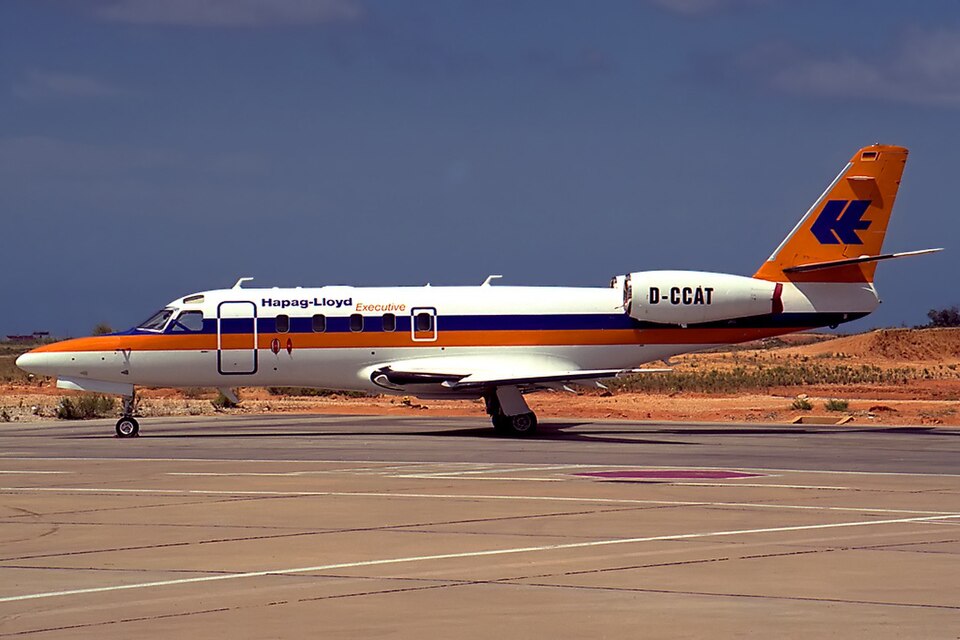
The Beechcraft Premier 1 has a reputation for punching above its weight. It is a small jet with a big cabin, a fast cruise, and the kind of clean lines that still turn heads on the ramp. For anyone thinking about owning one, though, the real question sits a little deeper than looks and speed.
The Beechcraft Premier 1 operating cost is what separates a fun daydream from a smart, well-planned purchase. Fuel, engines, insurance, and hangar space all add up in ways that surprise first-time buyers.
The good news is that the numbers follow a pattern once you understand the pieces. Some of those pieces stay the same no matter how often you fly. Others climb every time the wheels leave the ground. A jet this efficient can still hand you a bill that looks like a mortgage payment, and the difference usually comes down to a few key choices.
Key Takeaways
Owning and flying a Beechcraft Premier 1 usually costs somewhere between roughly $700,000 and $1.8 million per year, with hourly estimates often landing around $1,300 to $2,500 or more, depending on how many hours you fly and what expenses you fold in. Fixed costs like insurance and hangar stay steady, while variable costs like fuel and maintenance rise with flight time. The more you fly, the lower your cost looks per hour, because those steady fixed costs get spread across more trips.
| Item | What to Expect |
| Aircraft type | Light business jet, single-pilot certified |
| Engines | Two Williams FJ44-2A turbofans |
| Hourly variable cost | Often estimated around $1,300 to $2,500 or more |
| Annual budget | Roughly $700K to $1.8M depending on hours flown |
| Fuel burn | About 140 to 150 gallons per hour |
| Pre-owned price | Around $1.2M to $2.5M |
At Flying411, we bring aircraft listings, engines, parts, and trusted aviation professionals together in one place, so learning about a jet like the Premier 1 stays simple from your very first click.
Meet the Beechcraft Premier 1
Before we get into the money, it helps to know what you are paying for. The Beechcraft Premier 1 is a light business jet first delivered in 2001. It was built by Raytheon Aircraft, a name that later became Hawker Beechcraft and is part of Textron Aviation today. The jet was designed to compete with light jets like the Cessna CitationJet family, and it did so by offering a roomier cabin and a quick cruise.
The Premier 1 seats up to six passengers, with a common layout of four club seats and two seats at the rear. It is certified for single-pilot operation, which matters a lot for owner-operators who want to fly their own aircraft. The cockpit uses Rockwell Collins Pro Line 21 avionics, a clean glass panel that keeps pilot workload manageable.
Here are the basic performance figures most buyers care about:
| Spec | Figure (approximate) |
| Cruise speed | Around 451 knots (Mach 0.80) |
| Service ceiling | 41,000 feet |
| Range | Roughly 1,300 to 1,500 nautical miles |
| Passengers | Up to 6 |
| Engines | Two Williams FJ44-2A turbofans |
| Fuel burn | About 140 to 150 gallons per hour |
Good to Know: A later version called the Premier 1A arrived a few years after the original. It kept the same airframe but added avionics, brake, and cabin upgrades. When people talk about the Premier 1A operating cost, the figures land very close to the original, since the two share the same engines and general design.
If you want the deep dive on the airframe itself, the Premier 1 performance specs cover the numbers in more detail than most buyers ever need. For our purposes, the important part is simple. This is a fast, composite-bodied jet with two efficient engines, and that combination shapes every cost that follows.
Fun Fact: The Premier 1 is widely regarded as one of the first business jets built with an all-composite carbon fiber fuselage to earn FAA certification. That honeycomb structure lets the cabin feel wider than the outside of the plane suggests, since composite walls can be thinner than aluminum ones.
What "Operating Cost" Really Means
The phrase "operating cost" gets tossed around loosely, so let us pin it down. When people ask about the cost of running a jet, they are usually blending two very different buckets of money. Understanding the split is the single most useful thing you can learn before buying.
Fixed Costs
Fixed costs are the bills you pay no matter how much the jet flies. Park it in the hangar for a whole month and these still show up. They include:
- Insurance for the hull and liability coverage
- Hangar or storage to keep the jet out of the weather
- Crew salaries if you hire a professional pilot
- Recurrent training and currency requirements
- Subscriptions for charts, data, and avionics updates
These costs stay flat across the year. Flying 100 hours or 400 hours does not change them much at all.
Variable Costs
Variable costs move with every flight hour. The more you fly, the more you spend here. They include:
- Fuel, the single biggest hour-by-hour expense
- Engine reserves set aside for future overhauls
- Scheduled maintenance tied to hours and cycles
- Unscheduled repairs when something breaks
- Landing and handling fees at the airports you visit
When you combine these two buckets, you get the true Premier 1 cost of ownership. Most quality cost estimates keep fixed and variable costs separate so you can see exactly where your money goes.
Why It Matters: The way you fly changes the math. A jet flown only 150 hours a year looks expensive per hour, because the steady fixed costs get spread thin. Fly the same jet 400 hours a year and the cost per hour drops, since those fixed bills are shared across many more trips.
Beechcraft Premier 1 Operating Cost Per Hour
Now for the number everyone wants. The Premier 1 hourly operating cost is where estimates spread out the most, and it pays to understand why.
Broker and charter sources sometimes quote a direct operating cost in the range of roughly $1,300 to $1,500 per flight hour. That figure usually covers the day-to-day variable items like fuel, routine maintenance, and basic upkeep. It is a lean number, and it works well for owners who fly often and keep the plane busy.
Detailed cost calculators tend to land higher, sometimes closer to $2,300 to $2,800 per hour for variable costs alone, and higher still once fixed costs are folded in. These tools often include full engine reserves and richer maintenance assumptions, which pushes the total up.
Here is the honest takeaway. There is no single perfect figure. A reasonable working range for the Beechcraft Premier 1 operating cost per hour sits somewhere between about $1,300 and $2,500, and the all-in total (fixed plus variable) can push past $3,500 to $4,000 per hour for owners who fly fewer hours each year.
Pro Tip: When you compare hourly figures from different sources, always ask what is included. One quote might cover fuel and oil only. Another might bake in engine overhaul reserves, crew, and insurance. Comparing a bare number to a loaded number is how buyers get surprised later.
What Goes Into the Beechcraft Premier 1 Operating Cost
The full cost of running this jet comes from many moving parts. Here are the main expenses that shape the beechcraft premier 1 operating cost, broken down one by one so nothing sneaks up on you.
- Fuel. This is the heavy hitter. The Premier 1 burns roughly 140 to 150 gallons of Jet A per hour. At typical fuel prices, that alone can run several hundred to over a thousand dollars an hour, and it swings with the market and the airport you buy at.
- Engine maintenance and reserves. The two Williams turbofans are reliable, but engines still need care. Smart owners set aside money each hour for future overhauls and hot section inspections. Skipping this step just delays a very large bill.
- Scheduled airframe maintenance. Inspections happen on set intervals based on hours, cycles, and calendar time. Annual and phase inspections keep the jet legal and safe, and they are a steady, predictable line item.
- Unscheduled repairs. Things break. A failed component, a warning light, or a worn part can create a surprise cost at any time. Older jets tend to see more of these, so a repair cushion is wise.
- Insurance. Hull and liability coverage depends on your experience, your training, the hull value, and how you use the jet. Owner-flown light jets can carry meaningful premiums, so shop this carefully.
- Crew costs. If you hire a pilot instead of flying yourself, salary, benefits, and travel add up. The single-pilot certification is a real money-saver for qualified owner-operators who fly their own plane.
- Hangar and storage. Keeping a composite jet out of sun, rain, and hail protects your investment. Hangar rates vary a lot by region, from modest to steep in busy metro areas.
- Training and currency. Recurrent training at a quality provider keeps you sharp and often lowers your insurance rate. It is a cost, but it is one that pays you back.
- Management and miscellaneous. Charts, data subscriptions, cleaning, landing fees, and handling charges round things out. Individually small, together they matter.
Need overhauled engines, certified parts, or a vetted maintenance shop for your Premier 1? Flying411 connects you with certified professionals and quality components in one simple marketplace.
Keep in Mind: A pre-purchase inspection is one of the smartest dollars you will ever spend. Paying a shop to inspect a jet before you buy can reveal a looming engine or airframe expense that would otherwise land in your lap weeks after closing.
The Yearly Cost of Ownership
Hourly numbers are useful, but most owners budget by the year. So what does a full year with a Premier 1 look like? The answer depends heavily on how much you fly.
At light usage of around 200 hours a year, total annual budgets are often estimated near the $700,000 range, since fixed costs make up a big share of the total. At heavier usage near 450 hours a year, detailed estimates can climb toward $1.8 million, because fuel and maintenance rise with every added hour. Both figures include the full mix of fixed and variable expenses.
Here is a rough way to picture it:
| Usage Level | Approximate Annual Hours | Rough Annual Budget |
| Light | Around 200 hours | Lower end, near $700K and up |
| Moderate | Around 300 to 350 hours | Mid-range, near $1M and up |
| Heavy | Around 450 hours | Higher end, near $1.8M |
These are estimates, not quotes. Your real number will shift with fuel prices, insurance rates, hangar location, and your choice to fly the jet yourself or hire a crew. Still, the shape of the curve holds true across the board. More hours means a higher total bill, but a lower cost per hour.
Heads Up: Older aircraft can carry hidden costs. As a jet ages, parts get harder to find, and some systems reach the end of their service life. A great deal on the purchase price can turn sour if the plane is due for a major inspection or an engine event soon after you buy it.
What Affects Your Premier 1 Operating Cost
Two owners can fly the same model and see very different bills. The reasons are usually the same handful of factors. Knowing them helps you steer your own costs before they steer you.
- How much you fly. This is the biggest lever. Fixed costs get cheaper per hour the more you fly.
- Fuel prices. Jet A prices swing with the market and vary sharply from one airport to the next. Buying fuel smartly can save real money over a year.
- Engine program enrollment. Many owners put engines on an hourly cost program to smooth out big overhaul bills into steady payments. It changes your cash flow and your resale appeal.
- Insurance profile. Your hours, ratings, and training history shape your premium. A strong safety record and recurrent training help.
- Maintenance history. A well-kept jet with clean records costs less to own and holds its value better. A neglected one becomes a money pit.
- Where you base it. Hangar rates, labor rates, and fuel prices all change by region. Your home airport quietly sets a big part of your budget.
The Premier 1 fuel burn stays fairly steady around 140 to 150 gallons per hour, so the wild card is usually the price per gallon rather than the volume you use.
How the Premier 1 Compares to Other Light Jets
Operating cost never lives in a vacuum. Buyers almost always cross-shop, and the Premier 1 tends to hold its own. Its cabin is roomy for the class, its cruise speed is strong, and its single-pilot certification keeps crew costs low for owner-operators.
Against newer competitors, the trade-offs become clearer. A modern light jet may offer better fuel economy or fresher avionics, but it usually costs far more to buy. The Premier 1 often wins on value, giving you jet speed and cabin room at a pre-owned price that many newer designs cannot touch. If you want to see how it stacks up against a popular modern rival, the matchup of the Premier 1A versus the Phenom 300 is a useful reference point.
Cross-Shopping the Beechcraft Lineup
Beechcraft has built a wide family of aircraft over the years, and comparing models is part of any smart buying process. Even if you are set on a jet, seeing how the brand handles other segments tells you a lot about parts support, resale patterns, and overall value.
On the turbine side, the matchup of the Denali against the PC-12 shows how a modern turboprop stacks up against a proven single, while the Starship and the Piaggio Avanti is a fun look at two unusual pusher designs. Twin buyers often study the Duke next to the Baron and the Duchess against the Baron to weigh power, cabin, and running costs.
Piston shoppers have their own classics to weigh. Comparisons like the Debonair and the Bonanza, the Bonanza versus the Cherokee, and the Bonanza against the Saratoga help buyers understand how single-engine Beechcraft models trade off speed and comfort. Trainer fans can even compare the Skipper and the Piper Tomahawk. None of these are jets, but studying the full lineup builds the kind of judgment that pays off when you finally sign for your Premier 1.
Buying and Reselling a Premier 1
Acquisition cost sits at the front of the ownership story, and it sets the tone for everything else. On the pre-owned market, Premier 1 and Premier 1A jets often trade in the range of roughly $1.2 million to $2.5 million, with price shaped by year, total hours, engine status, and maintenance records. When new, the jet carried a list price around $7 million, so today's used prices represent a steep drop that works in a buyer's favor.
Resale is worth planning for from day one. A jet with clean logs, an engine program, and fresh inspections sells faster and holds value better than a neglected one. Before you buy or sell, it helps to know what a specific aircraft is worth in today's market. You can see what your jet is worth and use that figure as a starting point for any negotiation.
Quick Tip: Total time and engine time tell two different stories. A jet with low engine hours since overhaul can be worth far more than an identical one that is nearing a major engine event, even if their total airframe hours look the same on paper.
Ready to see what is out there? Browse Premier 1 listings and aviation services on Flying411 today and take your next step with real confidence.
Is the Premier 1 Worth the Cost?
For the right owner, the value case is strong. The Premier 1 gives you genuine jet performance, a cabin that feels larger than its class, and single-pilot certification that trims one of the biggest recurring costs in private aviation. Buy a well-maintained example, fly it enough to spread out the fixed costs, and the numbers make sense.
It suits a few types of owner especially well:
- Owner-operators who hold the right ratings and want to fly their own jet
- Regional business travelers who need speed over trips of a few hundred to a thousand-plus miles
- Value-focused buyers who want jet capability without a new-jet price tag
It is a weaker fit for buyers who fly very little each year, since a lightly used jet carries a high cost per hour. For those owners, charter or fractional options may pencil out better. The key is honest math about your real mission before you buy.
Conclusion
The Beechcraft Premier 1 operating cost is not a single number. It is a range shaped by how you fly, what you include, and how well the specific jet has been cared for. Plan for fixed costs like insurance and hangar, budget for variable costs like fuel and engine reserves, and the yearly total becomes far less mysterious. Fly the jet often, keep clean records, and stay on top of maintenance, and the Premier 1 rewards you with fast, comfortable travel at a price that many newer jets simply cannot match.
When you are ready to buy, sell, or simply price out your next jet, Flying411 puts the whole aviation marketplace at your fingertips, listings, engines, parts, and trusted pros all in one place.
FAQs
How much does it cost to operate a Beechcraft Premier 1 per hour?
Estimates commonly range from about $1,300 to $2,500 per hour for variable costs, and the all-in figure with fixed costs added can push past $3,500 to $4,000 per hour for owners who fly fewer hours each year.
How many passengers does the Premier 1 hold?
The cabin typically seats up to six passengers, usually arranged as four club seats plus two seats toward the rear of the aircraft.
Is the Premier 1 hard to maintain because of its composite fuselage?
The carbon fiber structure is durable and generally needs few repairs when cared for properly, though composite work should be handled by shops experienced with the material.
Can one pilot fly the Beechcraft Premier 1?
Yes, the Premier 1 is certified for single-pilot operation, which is a major reason many owner-operators choose it over jets that require two crew members.
What is a Premier 1 worth on the used market?
Pre-owned Premier 1 and Premier 1A jets often trade in the range of roughly $1.2 million to $2.5 million, with the final price shaped by hours, engine status, avionics, and maintenance history.