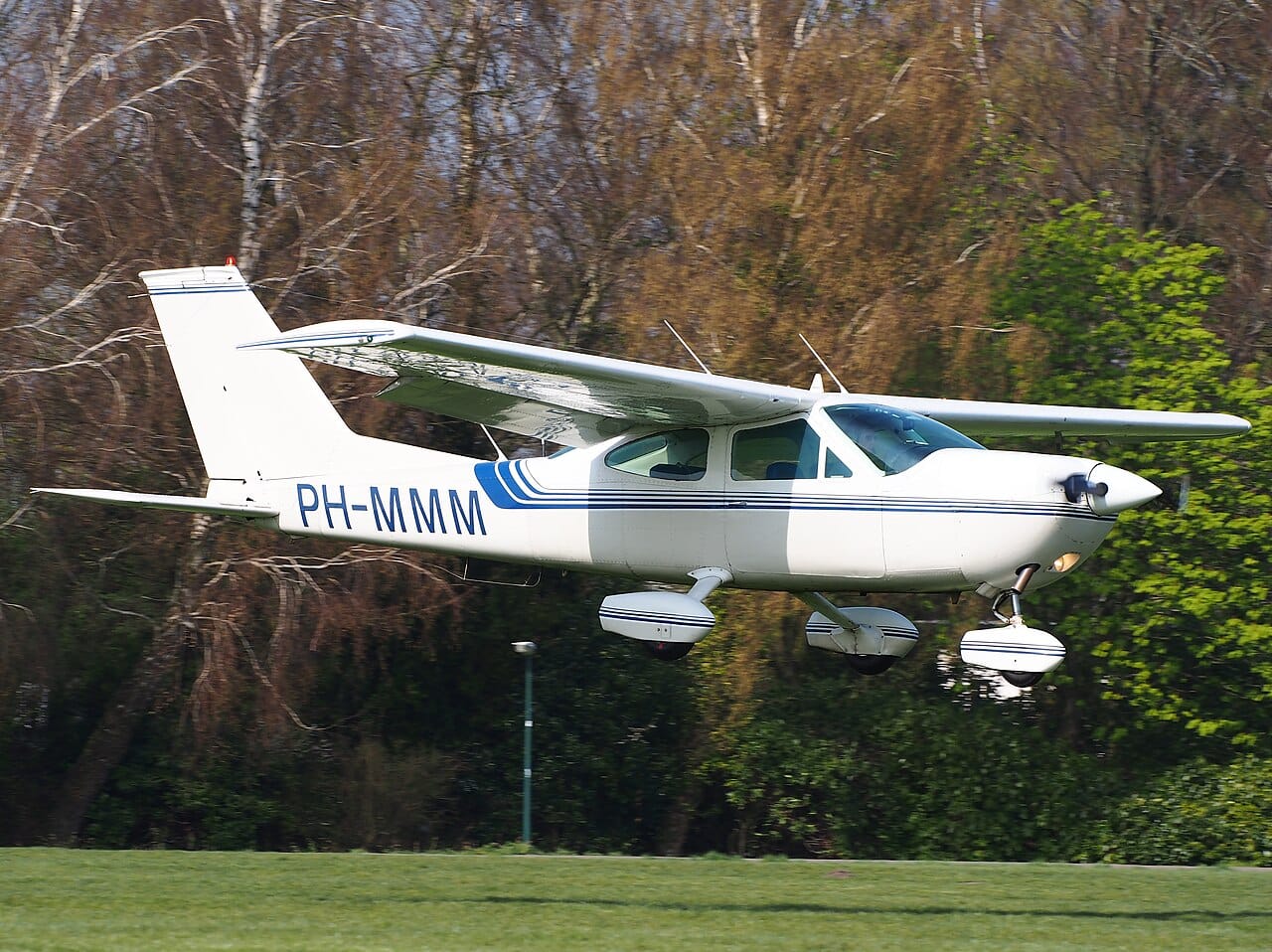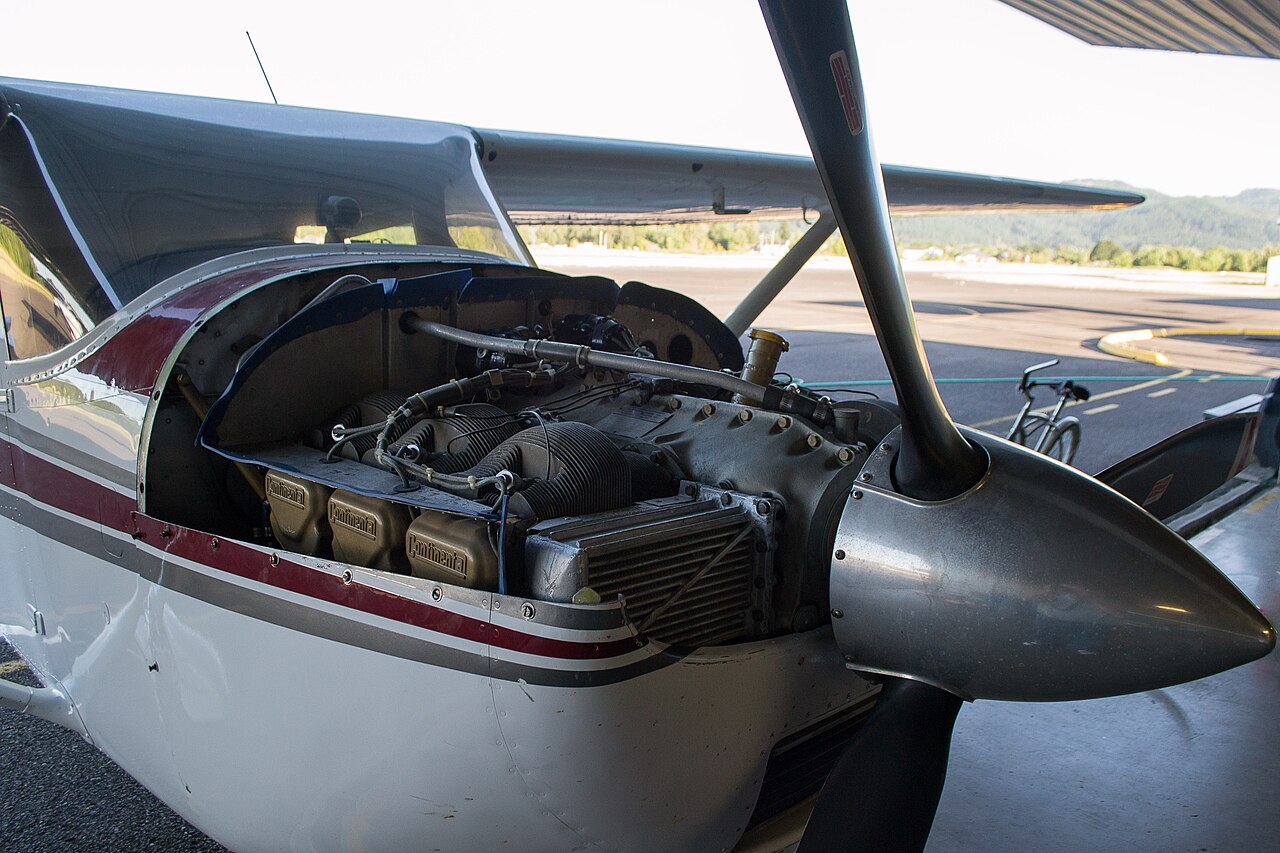
Two identical airplanes can sit next to each other on the same ramp with a five-figure gap in price. Same year, same paint, same avionics. So what makes one worth so much more than the other? A lot of the time, the answer is spinning quietly under the cowling. The engine, and the hours on it, can move a plane's price by the cost of a nice car.
Learning how engine time affects aircraft value is one of the most useful skills any buyer or seller can pick up. The engine is the heaviest single cost on most aircraft. When it wears out, replacing or rebuilding it takes real money. Because of that, every hour on the clock quietly nudges the value of the whole airplane up or down.
Two identical planes can wear very different price tags, and the reason usually starts with the number stamped in the engine logbook.
Key Takeaways
Engine time affects aircraft value because the engine is the most expensive single part to replace on most airplanes. The more hours an engine has toward its recommended overhaul limit, the less the aircraft is generally worth, since the buyer will pay for the next overhaul sooner. A low-time or freshly overhauled engine usually raises value, while a "run-out" engine at or past its limit usually lowers it.
| Engine Time Factor | What It Usually Does to Value |
| Freshly overhauled or near-zero time | Raises value, adds a selling point |
| Low time since overhaul (with steady use) | Raises value in most cases |
| Mid-time (around half its limit) | Seen as a safe "sweet spot" by many buyers |
| High time (past three-quarters of its limit) | Starts to pull value down |
| Run-out (at or past the overhaul limit) | Lowers value, often near the overhaul cost |
| Very low time after years of sitting | Can raise concern about corrosion and disuse |
| Who performed the work (field vs factory) | Changes how much buyers trust the number |
Flying411 is an online aviation marketplace where buyers and sellers can line up aircraft, engines, and parts side by side to see how much engine time is really worth.
What "Engine Time" Really Means on an Aircraft
When pilots talk about engine time, they mean the hours the engine has run. But there are a few different clocks, and each one tells a different story. Reading them correctly is the first step to pricing a plane fairly.
The most basic number is total time. This is how long the engine has run since it left the factory brand new. On top of that, sellers list the hours since the last big service event. That second number is often the one that moves the price the most.
Here is the tricky part. An engine with lots of total time can still be a strong engine if it was rebuilt recently. So you have to read both numbers together.
Good to Know: A high total-time number is not always a bad sign. An engine with 6,000 total hours that was overhauled 200 hours ago can be worth more than one with 2,000 total hours that has never been touched.
Common Engine Time Abbreviations
Aircraft listings are full of short codes. They look confusing at first, but each one just marks a point in the engine's life. Here are the ones you will see most often.
| Abbreviation | What It Means |
| TT or TTSN | Total time since new (from the factory) |
| SMOH | Hours since major overhaul |
| STOH | Hours since top overhaul |
| SPOH | Hours since propeller overhaul |
| SFRM | Hours since factory remanufacture |
| TSO | Time since overhaul |
The abbreviation that most buyers zero in on is hours since major overhaul (SMOH). It tells you how much life is left before the engine likely needs its next big rebuild. A plane advertised as "1,200 SMOH" has flown 1,200 hours since its last major overhaul. Knowing that one number gives you a fast read on where the engine sits in its life.
Time Between Overhaul (TBO) and Why It Matters
Every piston engine comes with a recommended limit called time between overhaul (TBO). It is the number of flight hours the maker suggests before the engine gets a full rebuild. Think of it as a guideline for when the engine has earned a thorough going-over.
Many piston engines carry a recommended TBO somewhere around 1,800 to 2,000 hours, though this varies quite a bit by model. Some engines are rated lower. Some are rated higher. The turbine world runs on much longer numbers, which we will get to later.
The reason TBO matters so much for value is simple. As an engine climbs toward its TBO, the buyer knows a costly overhaul is coming. That future bill gets baked into the price today.
Why It Matters: The engine is often the single largest value component on a piston airplane. No other part adds or takes away more from the price, which is why TBO gets so much attention in every deal.
TBO in Hours and in Calendar Years
TBO is not only about hours. It is also about time on the calendar. Makers often list a recommended limit in years too, such as a rebuild after a set number of years even if the hours are low.
This matters because engines do not like sitting still. An engine that flies a little every week tends to stay healthy. An engine that sits in a hangar for months can rust inside, even with low hours. So a plane can hit its calendar limit long before it hits its hour limit.
For value, this means a low-hour engine that has been sitting for years may be worth less than the hour count suggests. Buyers look at both clocks.
Is TBO a Hard Limit?
Here is a common point of confusion. For private flying, TBO is a recommendation, not a legal wall. A private owner can keep flying past TBO as long as the engine stays healthy and passes its checks. This is often called running "on condition."
Commercial operators live by stricter rules. Charter and airline engines usually must be overhauled on schedule. So the same engine hour count can mean different things depending on how the plane is used.
Keep in Mind: Just because an engine can legally fly past TBO for a private owner does not mean the market ignores those extra hours. Buyers still price in the coming overhaul, so pushing past TBO rarely helps resale value.
7 Ways Engine Time Affects an Aircraft's Value
Now for the heart of it. Here are the main ways engine time affects an aircraft's value at resale. Each one shows up in real listings every day, and understanding them helps you buy smarter or sell for more.
1. New or zero-time engines command a premium. A brand-new or factory-rebuilt engine resets the clock to near zero. That fresh start is worth real money to buyers because their next big engine bill is many years away. A fresh engine also becomes a headline feature in the listing.
2. Low-time engines usually add value. An engine with plenty of life left before its limit is easier to sell. Buyers see fewer worries ahead. As long as the plane has been flown steadily, a low hour count since overhaul tends to lift the price.
3. Mid-time engines hit a sweet spot. An engine around the middle of its life often appeals to buyers who want balance. Any early problems from a bad overhaul have usually shown up by then, and there is still plenty of flying left. A mid-time engine is often seen as a safe, sensible buy.
4. High-time engines start to pull the price down. Once an engine passes roughly three-quarters of its limit, buyers begin to subtract for the overhaul they know is coming. The closer the engine gets to its number, the harder the price drops.
5. Run-out engines get discounted, sometimes steeply. An engine at or past its limit is called a run-out engine. Buyers often discount these planes by something close to the full cost of the overhaul, which can run well into the tens of thousands of dollars for a piston engine. The plane may still be a fine deal, but only at the right price.
6. Who did the work changes the number. Not all overhauls are equal in a buyer's eyes. A rebuild by a big-name shop or the factory often earns more trust, and more money, than one done by an unknown mechanic. Clean paperwork proving the work is a big part of that trust.
7. Calendar time and usage patterns matter too. Two engines with the same hours can be valued very differently based on how they were flown. Steady, regular use signals a healthy engine. Long gaps of sitting raise the risk of internal corrosion, which can scare buyers off.
Heads Up: A very low hour count is not always good news. An engine overhauled ten years ago that has flown only a handful of hours since can be a red flag for corrosion. Buyers may treat it as run-out no matter how low the number looks.
There is sometimes an eighth factor worth naming. Engine time never gets judged alone. A fresh engine on a plane with tired avionics and worn paint will not shine as brightly as the same engine on a clean, updated airplane. The engine is the biggest piece of the puzzle, but it still sits inside a bigger picture.
Not sure where your engine time puts your airplane? You can get a value estimate on Flying411 and see how your hours stack up against the current market.
Different Overhaul Types and What They Do to Value
The word "overhaul" gets used loosely, but the type of work done makes a real difference to value. Buyers who know the difference will price each kind differently, so sellers should know them too.
Top Overhaul vs Major Overhaul
A top overhaul fixes the upper parts of the engine, like the cylinders, without taking the whole engine apart. It can restore some lost power and buy more flying time. But it is treated as a repair, not a full reset.
Because of that, a top overhaul usually does not raise the appraised value much. It keeps the engine going, yet the clock toward the next major overhaul keeps ticking.
A major overhaul is the big one. The engine comes fully apart. Worn parts get replaced or brought back to spec. After a major overhaul, the SMOH clock starts fresh, and that reset is what buyers pay for.
Field, Factory, and Remanufactured Engines
When a major overhaul is due, owners face a choice, and each path lands differently on value.
- Field overhaul: Done by an independent shop or mechanic. Often the lower-cost route. Value depends heavily on the shop's reputation and the quality of the paperwork.
- Factory overhaul: Done by the engine maker to their standards. Usually costs more and often carries more buyer trust.
- Factory rebuild or remanufacture: The maker rebuilds the engine to like-new tolerances and gives it a "zero-time" designation. A factory remanufactured engine often recovers the most value at resale, especially on higher-end aircraft.
- Factory new: A brand-new engine, the highest cost and the strongest reset of all.
For sellers, the takeaway is clear. A rebuild from a trusted source, backed by solid records, protects value better than a cheap job with thin paperwork. If you want a deeper breakdown of these paths, the differences between new, overhauled, and rebuilt engines are worth a closer look before you decide.
How the Math Works: Engine Reserve and Straight-Line Value
Here is a simple way pros put a dollar figure on engine time. It is called the engine reserve, and once you see it, the whole pricing puzzle clicks into place.
Start with the cost to overhaul the engine. Divide that cost by the engine's TBO in hours. The result is a per-hour amount. For example, if an overhaul costs about $40,000 and the TBO is 2,000 hours, that works out to roughly $20 for every hour flown.
That per-hour figure is the money quietly leaving the engine's value with each flight. Popular valuation guides, like Vref and the Aircraft Bluebook, use a similar "straight-line" method. They spread the overhaul cost evenly across the TBO and subtract for the hours used.
Here is a quick look at how that plays out:
| Engine Position | Rough Effect on Value |
| Near zero hours since overhaul | Full engine value intact |
| Half of TBO used | About half the engine value remaining |
| Three-quarters of TBO used | Small remaining value, buyers cautious |
| At or past TBO (run-out) | Little to no remaining engine value |
The straight-line method is not perfect. A well-cared-for high-time engine can still have plenty of good flying left, and the market sometimes rewards that. But as a starting point, the reserve math explains why each hour matters and why a run-out plane sells for so much less.
Fun Fact: Engine reserve is often called the "silent expense" of ownership, because it is money you are spending every hour in the air even though no bill arrives until overhaul day.
Engine Time on Turbines and Airliners: A Different Equation
Everything so far leans toward piston airplanes, the kind most private owners fly. Turbine engines, found on turboprops and jets, follow the same basic idea but on a much bigger scale.
Turbine engines are built to run far longer between overhauls. Some turboprop engines go several thousand hours, and large airliner engines can fly many thousands of hours before major work. They also use "life-limited parts," specific components that must be swapped at set intervals no matter what.
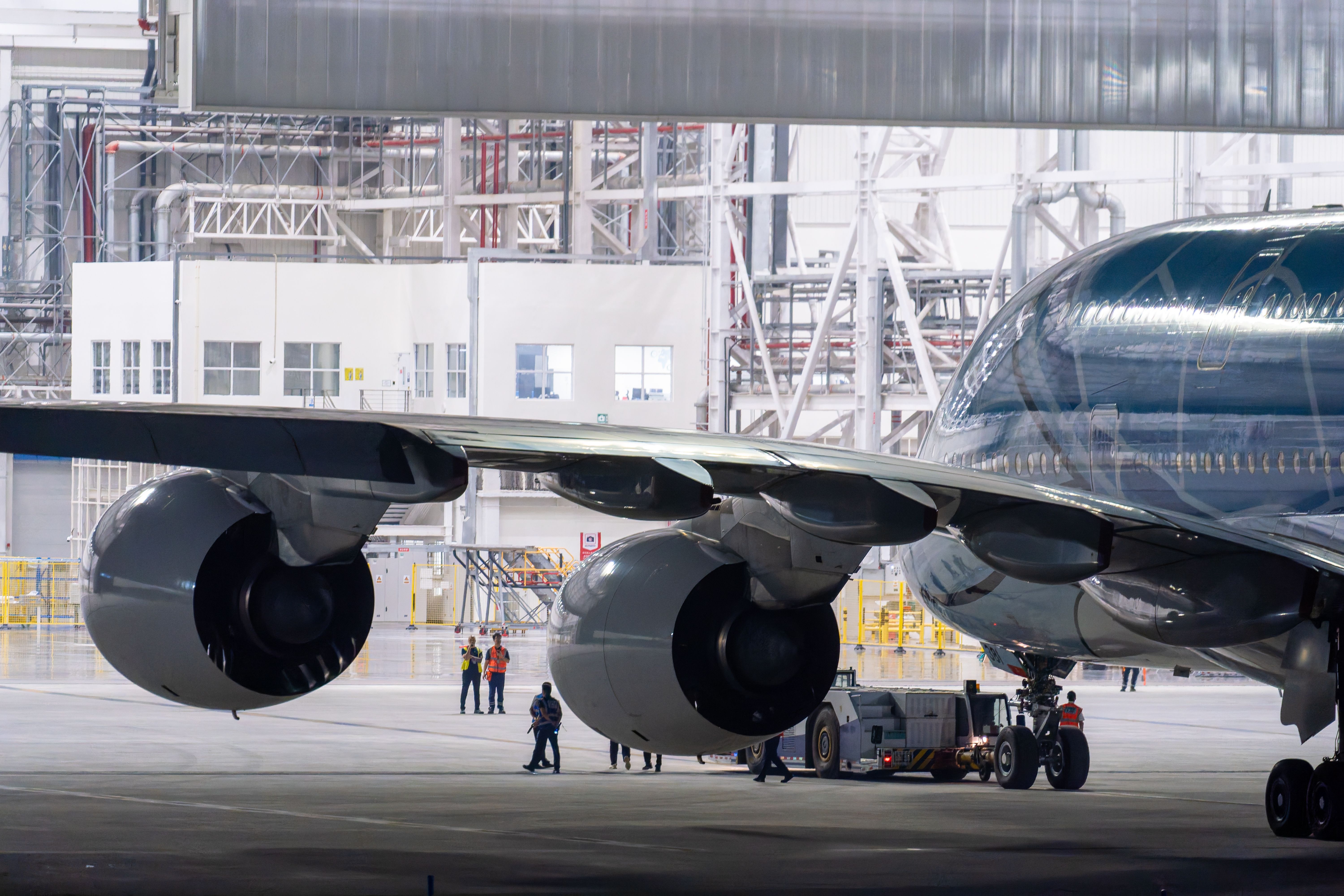
For big commercial aircraft, engine time is only one piece of a larger value story. Airframe cycles, meaning takeoffs and landings, matter a great deal too. So does how long the airframe can keep earning money. The full picture of a commercial aircraft's service life shapes when an operator decides the plane is worth keeping.
Money drives many of these calls. When engine overhauls and heavy checks start costing more than the plane earns, operators may choose to retire jets early rather than pour in more cash. High engine and airframe time push that decision along.
Some aging airliners get a second life. Converting a passenger jet into a freighter can extend its earning years, since cargo work does not need a fancy cabin. The question of how much a freighter can haul helps explain why older widebodies keep flying long after their passenger days end.
When flying no longer pays, the story shifts to the ground. Many retired airliners head to storage yards, where owners weigh their next move. Sometimes the most valuable path is taking the plane apart.
This is where engine time flips the whole equation. A tired airframe can be worth more in pieces than whole. The process of parting an aircraft out turns a grounded jet into a shelf of usable components. Engines, landing gear, and avionics often carry strong value even when the airframe does not.
Just how much value hides in those parts can surprise people. A well-known jumbo jet, for instance, can be worth more in parts than as a flying aircraft once its time is up. Low-time engines and reusable systems drive a big share of that number.
Even after the useful parts come off, the story is not over. A growing share of what is left gets recycled. Understanding which parts get reused shows how the industry squeezes value out of a plane right down to its metal.
Quick Tip: The core lesson from airliners applies to small planes too. Once an engine is beyond an affordable overhaul, the value shifts from "what can it fly" to "what are its good parts worth." Every airplane has a floor set by its usable pieces.
When Selling: Timing Your Engine Time for the Best Value
If you plan to sell, the timing of your engine work can put real money in your pocket. A little planning goes a long way here.
The first question every seller faces is a big one. Should you overhaul the engine before selling, or sell it as is at a lower price? There is no single right answer, but the math is straightforward. If a fresh overhaul raises the sale price by more than the overhaul costs, doing the work first can pay off.
A few practical tips help sellers get the most from their engine time:
- Keep clean, complete logbooks. Solid paperwork proving the work and the AD compliance is worth real money. Missing records can drag an engine's value toward run-out territory.
- Fly the plane steadily before listing. Regular use signals a healthy engine and eases corrosion worries.
- Aim for a strong selling window. Many buyers like planes that are past the early break-in period but still have plenty of life left. That middle range often draws the most interest.
- Be honest about the numbers. Buyers and their mechanics will check. A fair, accurate listing builds trust and speeds up the sale.
Pro Tip: Many sellers find the best time to list is when the engine is comfortably below mid-time, past any early overhaul bugs but with lots of hours to spare. That combination feels safe to buyers and supports a strong asking price.
Ready to see what your airplane could bring? List it on Flying411 and put it in front of buyers who understand exactly what your engine time is worth.
When Buying: Reading Engine Time the Smart Way
Buyers can win or lose thousands of dollars based on how well they read engine time. A cheap-looking plane with a high-time engine can turn expensive fast. A pricier plane with a fresh engine can be the better deal.
Here is how sharp buyers approach it:
- Read both clocks. Look at total time and hours since overhaul together. Do not judge on one number alone.
- Check the calendar, not just the hours. A low-hour engine that has sat for years can hide corrosion. Ask when it last flew and how often.
- Study who did the overhaul. A rebuild from a respected shop with full records is worth more than a mystery overhaul.
- Factor the overhaul into your offer. If the engine is high-time, price the coming overhaul into what you pay.
- Get a pre-buy inspection. A borescope look and compression check tell you far more than the logbook number alone.
A plane with a run-out engine is not automatically a bad buy. Sometimes it is the smartest purchase on the ramp, because you control the overhaul and know exactly what you are getting. The key is paying the right price for the hours you are inheriting.
Before you make an offer, compare listings and current market data on Flying411 so you know how much engine time should shift the price in your favor.
Conclusion
Understanding how engine time affects aircraft value turns a confusing pile of numbers into a clear pricing tool. The engine is the biggest single cost on most airplanes, so every hour toward its overhaul limit quietly shapes the price. Fresh engines lift value. Run-out engines pull it down. And details like who did the work, how the plane was flown, and what the paperwork shows can swing the number in either direction.
For buyers, reading engine time well means paying a fair price and avoiding costly surprises. For sellers, timing your overhaul and keeping clean records can protect thousands of dollars. Either way, the hours in that logbook are one of the most honest signals of what a plane is truly worth.
Buying your first airplane or selling one you have loved for years, either way Flying411 gives you the listings, tools, and market insight to make every engine hour count.
Frequently Asked Questions
Does a low-time engine always make an aircraft worth more?
Not always. A low hour count usually helps value, but an engine that sat unused for years can develop internal corrosion, which may lower value despite the low hours.
What is a run-out engine?
A run-out engine is one that has reached or passed its recommended time between overhaul. Buyers often discount planes with run-out engines by something close to the cost of the upcoming overhaul.
Is it worth overhauling an engine before selling my plane?
It can be, if the overhaul raises the sale price by more than it costs. On higher-value aircraft a fresh or factory-rebuilt engine often pays off, while on lower-value planes the extra cost may not come back.
Do all overhauls add the same value to an aircraft?
No. A major overhaul resets the engine's main clock and adds meaningful value, while a top overhaul mostly extends life and adds little to the appraised price. The reputation of the shop and the quality of records also matter.
How is the dollar value of engine time calculated?
Many appraisers divide the overhaul cost by the engine's TBO to get a per-hour reserve, then subtract for hours used. This "straight-line" method gives a rough estimate, though a well-maintained engine can still be worth more than the math suggests.