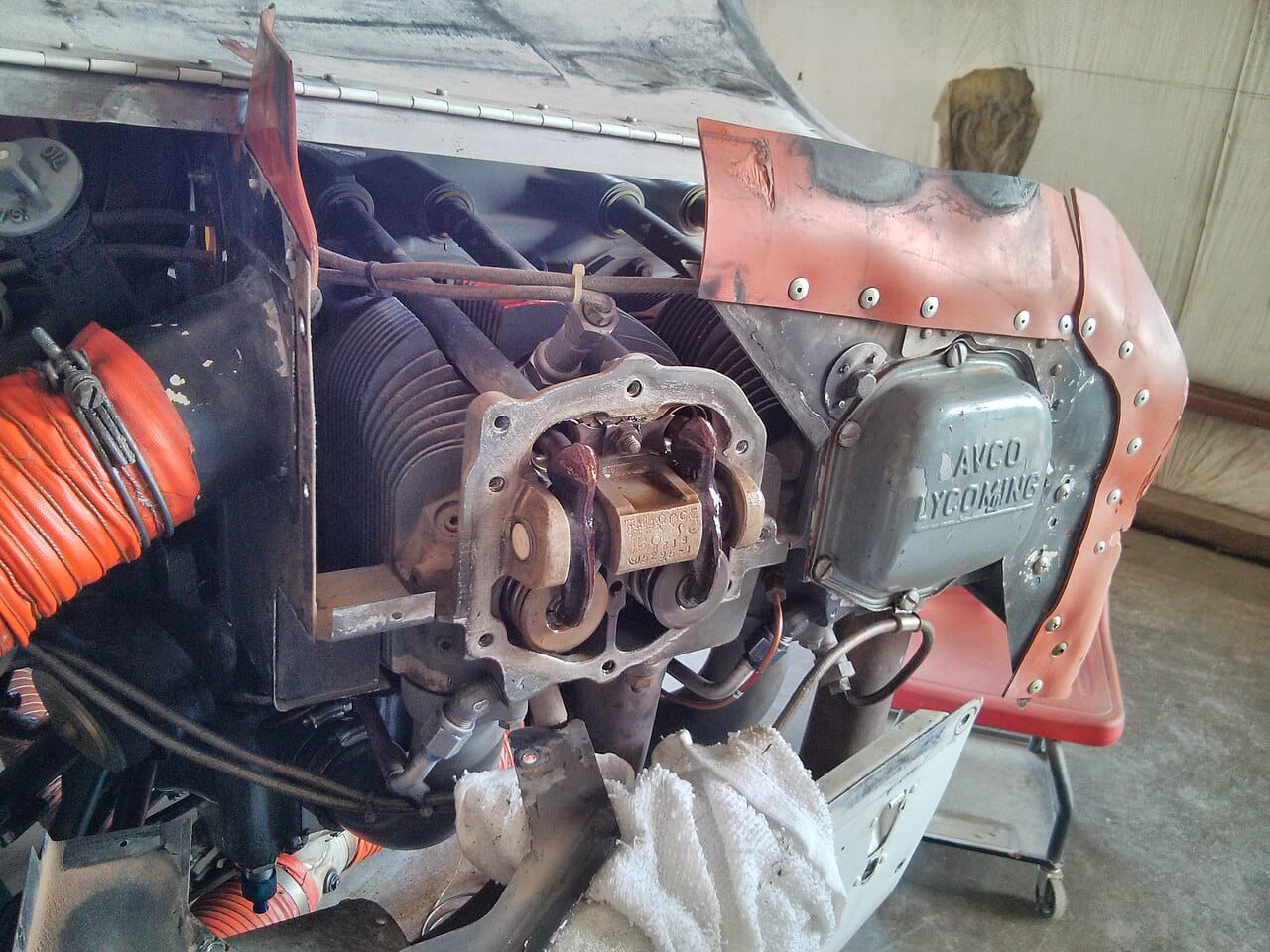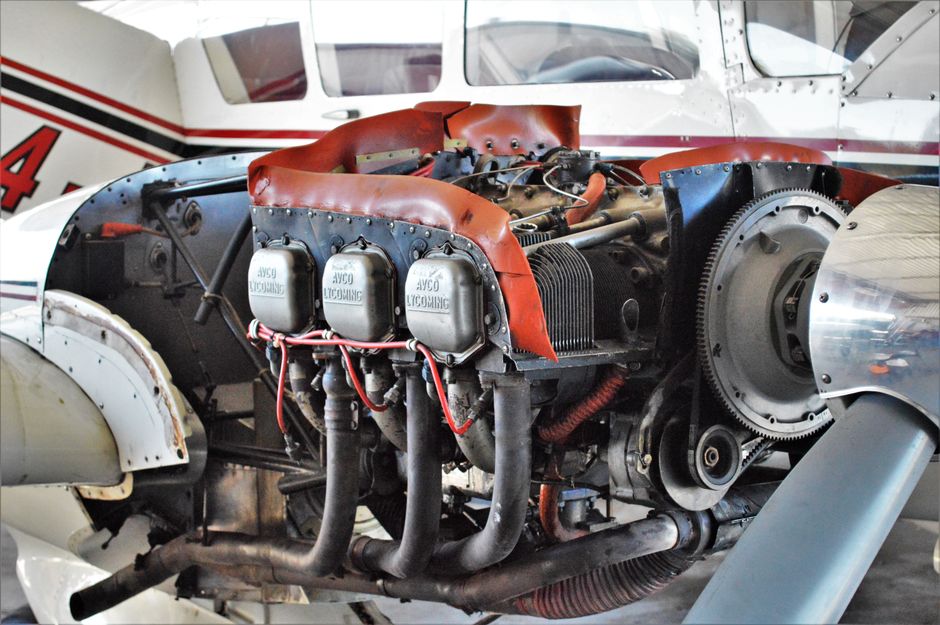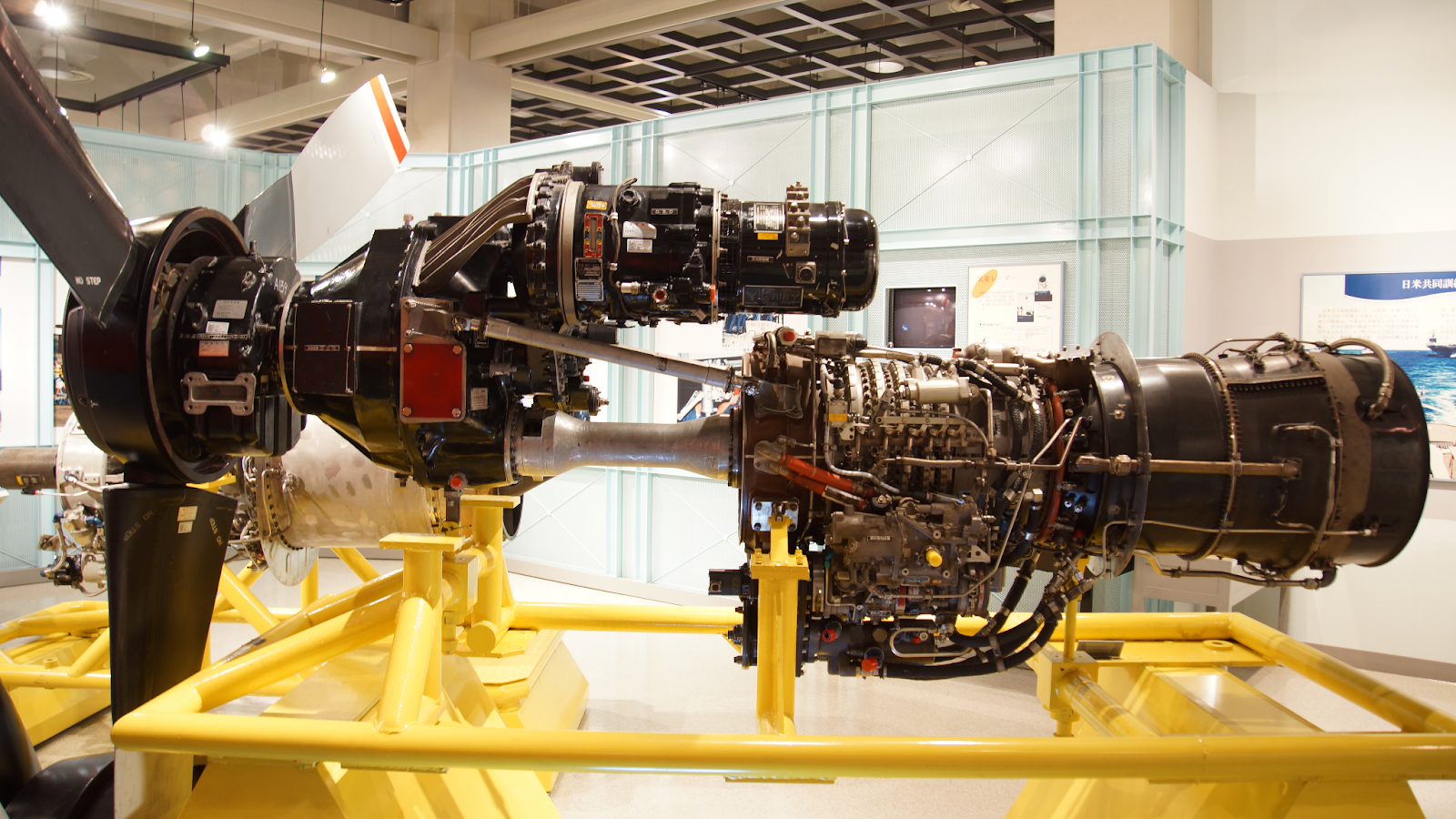
Choosing between a new, overhauled, or rebuilt aircraft engine can feel like standing at a crossroads with your plane's future in your hands. The decision affects your budget, your flight schedule, and how long you can count on your engine to perform. Each option comes with its own set of benefits and trade-offs, and understanding these differences helps you make a smart choice that matches your flying needs.
Calendar time can affect an engine's condition just as much as flight hours, meaning a low-time engine that sat idle for years might need more attention than one that flew regularly.
This post goes over what separates these three paths and how to pick the one that keeps you flying safely and affordably.
Key Takeaways
When your aviation engine needs major work, you have three main choices. A new engine comes straight from the factory with all fresh parts and the longest warranty. An overhauled engine gets taken apart, inspected, and rebuilt to meet manufacturer standards using a mix of repaired and new components. A rebuilt engine goes through a similar process but meets even stricter tolerance requirements and often comes with a zero time designation. New engines cost the most but offer maximum reliability. Overhauled engines balance performance and price. Rebuilt engines split the difference, offering near-new quality at a middle price point.
| Option | What You Get | Cost Range | Best For |
| New Engine | Brand new parts, full warranty, zero time | $30,000–$50,000+ | Owners who want maximum reliability and can afford it |
| Overhauled Engine | Inspected, repaired, mix of old and new parts | $18,000–$30,000 | Budget-conscious owners who fly regularly |
| Rebuilt Engine | Meets tighter specs, mostly new parts, zero time | $25,000–$40,000 | Those wanting near-new quality at mid-range cost |
Why Aircraft Engine Condition Matters
Your engine sits at the heart of every flight you take. It powers your climbs, keeps you steady in cruise, and brings you home safely. When that engine starts showing its age, you face a choice that affects not just your wallet but your peace of mind in the air.
The condition of your engine directly impacts several critical areas:
- Safety: Worn parts increase the risk of in-flight failures
- Insurance costs: Engine time affects your insurance premiums, with older engines often costing more to insure
- Resale value: A fresh or recently overhauled powerplant makes your plane more attractive to buyers
- Reliability: You want to start every time and run smoothly mile after mile
Think of it this way. A healthy engine means fewer surprises during your pre-flight checks and less time worrying about you'll make it to your destination. Every hour you fly adds wear to internal parts. Metal rubs against metal. Heat cycles stress components. Combustion byproducts coat surfaces. Eventually, these effects pile up until the FAA says it's time for major work.
The TBO (time between overhaul) gives you a target number. Most general aviation engines reach this point between 1,400 and 2,000 hours. But time alone doesn't tell the whole story. How you fly matters too. An engine that runs hot, sits unused for months, or burns oil needs attention sooner than one that gets regular use and proper care.
Understanding what makes parts unairworthy helps you spot problems before they become expensive emergencies. A cylinder with low compression, a valve that sticks, or a crankshaft with unusual wear patterns all signal that your engine needs professional attention. Catching these issues early saves money and keeps you flying safely.
When Does an Aircraft Engine Need Major Work?
Your logbook tells the story of your engine's life. Every oil change, every repair, every flight hour gets recorded. When you flip through those pages, you're looking for clues about when major work becomes necessary.
Several signs point to the need for an engine overhaul or replacement:
- Time limits: Approaching or exceeding the manufacturer's recommended TBO
- Performance drops: Loss of power during climb or cruise
- Oil consumption: Burning more than one quart every few hours
- Metal in the filter: Finding metal shavings during oil changes
- Compression issues: Cylinders reading below 60/80 or showing uneven numbers
The TBO acts as a guideline, not a hard deadline. Some engines run strong past TBO with proper care. Others need work earlier due to harsh operating conditions or manufacturing variations. Your mechanic uses several tools to assess engine health. A borescope lets them peek inside cylinders without taking anything apart. Oil analysis reveals what's happening at the molecular level. Compression checks show how well each piston seals against its cylinder walls.
You might encounter a top overhaul first. This procedure addresses cylinder issues without touching the bottom end. Mechanics remove cylinders, inspect them, replace worn parts, and reinstall them. A top overhaul costs less than a complete teardown but only fixes problems in the upper half of the engine.
A major overhaul means disassembling the entire powerplant. Every part gets cleaned, measured, and inspected. The shop replaces anything that doesn't meet spec. They check the crankshaft for cracks, inspect bearings for wear, and measure clearances throughout. What you should know about aircraft engine overhauls includes understanding that this process follows strict FAA regulations and manufacturer procedures.
Some planes need extra attention. Vintage aircraft engines require special maintenance approaches because parts availability and documentation standards differ from modern powerplants. Flying a classic or contemporary aircraft, knowing when your engine needs major work helps you plan ahead and avoid unexpected groundings.
Should You Repair, Replace, or Start Fresh?
Standing in front of three different paths can make your head spin. Each option pulls you in a different direction. Your budget says one thing. Your mission requirements say another. Your long-term plans add a third voice to the conversation.
Start by asking yourself these questions:
- What's your flying future look like? If you plan to keep this plane for the next decade, investing more now might save money later
- How much can you spend right now? A factory new engine costs significantly more than an overhaul
- What's your risk tolerance? Some pilots sleep better knowing they have all new parts under the cowling
- Does your plane have good resale value? A fresh factory rebuild can make your listing stand out
- Are you planning to sell soon? An overhaul might give you enough value without maxing out your investment
The math matters here. A typical field overhaul done by a local shop costs less than sending your engine back to the factory. But that price difference comes with trade-offs in warranty coverage and parts selection. Some shops use more zero time components than others. Some offer better guarantees on their work.
Think about your current engine's history too. Has it been reliable? Did it reach TBO running strong, or did you limp to this point with one problem after another? A powerplant with a solid track record might do well with a standard overhaul. An engine that gave you constant headaches might need the fresh start that only a factory new engine provides.
When it's time to overhaul or replace your engine, consider the total cost of ownership. Insurance, maintenance between now and TBO, and resale value all factor into the equation. Sometimes spending more upfront saves you from nickel-and-diming your way through the next thousand hours. Other times, a well-executed overhaul gives you exactly what you need at a price that makes sense.
New vs Overhauled vs Rebuilt Aircraft Engines: What's the Difference?
The differences between these three options run deeper than just price tags. Each one follows different rules, uses different parts, and comes with different promises about what you're getting.
Factory New Engines
A brand-new engine arrives from the manufacturer with every single component fresh from production. No reused parts. No repaired components. Everything meets new specs and carries a full factory warranty. The engine manufacturer built it using current production methods and the latest design improvements.
When you buy new, you get:
- Complete documentation showing the engine was built to current standards
- A warranty that typically covers major components for 1,000 to 2,000 hours
- Zero-time status that resets the clock to zero
- The confidence that comes from knowing nothing has been recycled or repaired
- New cylinders, a fresh crankcase, and all internal parts machined to tight tolerances
The cost of a new engine typically ranges from $30,000 to $50,000 or more, depending on your aircraft model and power requirements. That's a significant investment, but it buys you maximum reliability and the longest warranty coverage available. For commercial aircraft or aircraft owners who fly high-hour missions, this peace of mind justifies the expense.
Overhauled Engines
An aircraft engine overhaul takes your existing powerplant, tears it down completely, and brings it back to serviceable condition. The shop follows manufacturer guidelines and FAA regulations spelled out in FAR Part 43.2. They clean every part, measure every critical dimension, and replace anything that falls outside acceptable limits.
Overhaul shops inspect each component against the manufacturer's overhaul manual. If a part meets minimum specifications, they can reuse it. If it doesn't, they replace it with either a new part or a serviceable used one. The crankshaft gets magnafluxed to check for cracks. Bearings get replaced. The crankcase gets inspected and may be reused if it's within tolerances and limits.
Here's what makes an overhaul different:
- Used parts that meet minimum standards can stay in the engine
- The serial number remains the same as before the overhaul
- Hours don't reset to zero (though some overhauls come with zero time status if they meet stricter criteria)
- Cost of the engine work typically runs $18,000 to $30,000
- You can often trade in your old engine as a core to reduce the final price
A field overhaul happens at a local shop. A factory overhaul gets done at the manufacturer's facility. Both follow the same basic standards, but Lycoming factory and Continental factory overhauls include additional quality checks and often come with better warranties. The trade-off? Factory work costs more and takes longer because your engine ships back to the production facility.
Rebuilt Engines
A rebuilt engine splits the difference between new and overhauled. The process looks similar to an overhaul at first glance—complete teardown, thorough inspection, careful reassembly. But rebuilt engines must meet new manufacturing limits as a new item rather than just meeting overhaul minimums.
The operational difference between a rebuilt and an overhauled engine comes down to specifications:
- All parts must meet new limit standards, not just overhaul minimums
- The complete engine gets built to tighter tolerances and limits
- Many engine components get replaced with new parts even if the old ones would pass overhaul specs
- You receive zero time designation, resetting the hour meter to zero
- The engine back to service process includes more rigorous testing
Aircraft engine manufacturers like Lycoming and Continental offer factory rebuilt programs. These remanufactured engines go through their production facilities where workers follow the same procedures used for new engines. Every dimension gets checked. Every clearance gets verified. The result sits somewhere between a careful overhaul and a full factory new engine.
A factory rebuilt engine typically costs $25,000 to $40,000. That's more than most field overhauls but less than factory new. For many aircraft owners in general aviation, this represents the sweet spot—getting near-new quality without paying the full new-engine premium.
Understanding the Paperwork
The documentation tells you exactly what you bought. A new engine comes with a production certificate showing it was built to type design. An overhauled engine includes a logbook entry describing the work performed and listing which parts were replaced. A rebuilt engine carries paperwork showing it meets new specs and qualifies for zero-time status.
Your avionics shop or mechanic should review this documentation before installation. They verify that everything matches airworthiness requirements and that all inspections were developed and documented properly. Missing paperwork can ground your plane, even if the engine is worth more than you paid for it.
How to Choose the Right Aircraft Engine Option
Picking the right path forward means balancing several factors that pull in different directions. Your bank account whispers one answer. Your flying plans suggest another. Your mechanic might recommend a third option based on what they see during the inspection.
Calculate the Real Numbers
Start with hard math. Add up the cost of the engine work itself, then factor in these additional expenses:
- Installation labor (typically 20-40 hours of shop time)
- New accessories if needed (alternator, starter, magnetos)
- Hoses, mounts, and hardware that gets replaced during installation
- Sales tax in some states
- Shipping costs if the work happens out of state
- Downtime while your plane sits waiting for the work to finish
A top overhaul might save money now but could lead to a complete teardown six months later if bottom-end problems surface. A major overhaul addresses everything at once. Getting a zero time engine means you won't face another major expense for 1,500 to 2,000 hours.
Compare the total proportion to the cost of your aircraft's value. Spending $35,000 on a new engine makes sense in a $100,000 airplane. That same expense might not fit a $40,000 trainer that you plan to sell next year.
Consider Your Mission Profile
How you fly affects which option serves you best:
- High-utilization owners who log 150+ hours yearly benefit from the reliability of new or rebuilt engines
- Weekend flyers with 30-50 hours per year might do fine with a careful overhaul
- Flight schools running multiple planes need maximum uptime that new engines provide
- Vintage aircraft enthusiasts might choose overhauls to preserve originality
Your engine shop can look at your flying patterns and recommend an approach. Someone who flies hard IFR in all weather needs different reliability than a fair-weather VFR pilot.
Evaluate Your Timeline
A factory engine rebuild takes 6-12 weeks from the day you ship your core until a fresh powerplant arrives. A field overhaul might happen in 4-6 weeks. Buying a running engine off the shelf gets you flying faster but costs more since you can't use your engine as a core for credit.
If you're grounded waiting for an overhaul, every week costs you flying opportunities. That pushes some aircraft ownership decisions toward faster solutions, even if they cost more.
Look at the Big Picture
The aviation industry has seen piston engines evolve over decades. Modern Lycoming and Continental powerplants benefit from improved metallurgy, better machining, and refined designs. A factory new engine built today incorporates these improvements. An overhaul reuses parts designed years ago.
Think about how long you plan to own this plane. Will you keep it until the next major event, or sell since new work was done? A fresh remanufactured engines option adds value to your listing and makes buyers confident. An overhaul at minimum specs might raise questions during a pre-purchase inspection.
Negotiating the price of a used Cessna 172 shows how buyers view engine condition. They calculate remaining time before the next major expense. A zero-time powerplant means they won't face that bill for years.
Check Your Insurance Impact
Some policies require notification before major engine work. Others offer premium reductions for fresh engines. Call your agent and ask how each option affects your rates. The savings might tip the scales toward one choice over another.
Get Multiple Opinions
Don't rely on a single shop's recommendation. Talk to several facilities:
- Local overhaul shops that do field overhauls
- The Lycoming factory or Continental factory for rebuilt quotes
- Engine brokers who sell new and overhauled powerplants
- Your mechanic who knows your specific airplane
Each source brings different expertise. A broker sees current market conditions. Your mechanic knows your plane's quirks. Factory representatives explain their latest programs and warranties.
Mistakes to Avoid When Picking an Aircraft Engine
Even experienced aircraft owners stumble into traps when choosing between new, overhauled, and rebuilt engines. Learning from others' mistakes saves you money and headaches.
Choosing Based on Price Alone
The cheapest option today might become the most expensive choice tomorrow. A $15,000 overhaul that fails at 500 hours costs more than a $30,000 rebuild that runs strong to TBO. Factor in these hidden costs:
- Installation and removal labor for premature failures
- Lost flying time if problems ground you
- Higher oil consumption with worn parts
- Extra maintenance between major events
- Reduced resale value with a questionable engine
Calculate the return to service cost per hour over the engine's expected life. Sometimes paying more upfront delivers better value across those hours.
Ignoring the Core's History
Your existing powerplant's track record matters more than many pilots realize. If it had problems before—metal in the oil, cylinder issues, case cracks—those problems might return even after an overhaul. A troubled internal engine history suggests starting fresh might serve you better.
Ask yourself: Did this engine make TBO easily or barely limp across the finish line? The answer helps predict how the next cycle will go.
Skipping the Research on Shops
Not all overhaul shops deliver equal quality. Some cut corners on parts selection. Others rush jobs to move on to the next customer. Before committing, investigate:
- How long they've been in business
- What their warranty actually covers (read the fine print)
- References from other customers
- Their relationship with the manufacturer
- If they follow factory procedures or develop their own shortcuts
A shop that's been working to rebuild an engine for decades brings experience. But verify they keep current with FAA standards and manufacturer updates. Old habits don't always align with current best practices.
Overlooking Accessories
Your engine comes with more than just the core assembly. The starter, alternator, magnetos, and other accessories age too. Some shops include these in their quotes. Others charge extra for anything beyond the basic powerplant.
Verify what's included before you commit. Finding out you need an additional $3,000 for accessories after signing the contract creates unwelcome surprises.
Missing the Warranty Details
All warranties aren't created equal. Read what's actually covered:
- Does it include labor or just parts?
- How long does coverage last?
- What voids the warranty?
- Who decides if a failure qualifies?
- Where can warranty work be performed?
A strong warranty from a reputable shop adds value. A weak warranty with lots of exclusions offers little protection. The difference between rebuilt vs overhauled warranties often comes down to these details.
Forgetting About Compatibility
Your airframe has specific requirements. The engine may need certain accessories, specific mounting configurations, or particular fuel system components. Verify that your chosen option includes everything needed for your exact model.
Trying to save money by mixing different manufacturer options can create certification headaches. Stick with combinations that have proven compatibility unless you enjoy dealing with Federal Aviation paperwork.
Underestimating Installation Complexity
The entire engine swap involves more than unbolting the old and bolting on the new. Expect your shop to discover surprises:
- Corroded engine mounts that need replacement
- Cracked baffling that should be replaced while access is easy
- Hoses that reached their age limits
- Exhaust systems with hidden cracks
Budget an extra 10-20% for these discoveries. Getting upset when your shop finds problems doesn't change the reality that things wear out.
Ignoring Long-Term Planning
Think beyond the immediate transaction. Where will you be in five years? Ten? If you plan to sell soon, the math changes. If you're keeping this plane for the long haul, reliability matters more than initial cost.
What to look for when buying a used airplane includes evaluating engine condition carefully. Future buyers will do the same to your plane. Choose an option that makes sense for the next owner too.
Which Aircraft Engine Option Is Best for You?
There's no universal right answer. The best choice depends on your specific situation, flying goals, and financial position. Let's break down scenarios where each option shines.
When to Choose a Factory New Engine
Spring for new if:
- You fly 100+ hours annually and need maximum reliability
- You plan to keep this aircraft for 10+ years
- Your plane's value supports the investment
- You want the longest warranty available
- You're operating commercially and can't afford unscheduled downtime
- Previous engine problems make you want a fresh start
The recommended time between overhauls gives you roughly 1,500 to 2,000 hours before facing another major expense. For high-time pilots, that translates to 10-15 years of flying without major powerplant work. The premium you pay now spreads across many years of reliable service.
New engines also help with airworthiness concerns. Everything meets current production standards. No questions about used parts or marginal repairs. When selling, buyers see value in a factory new installation.
When an Overhaul Makes Sense
Choose an overhaul if:
- Your current engine has been reliable
- You fly 30-75 hours yearly
- Your budget limits major capital investments
- The airframe's remaining value matches mid-tier engine work
- You have a trustworthy local shop you've worked with before
- No major internal problems showed up during pre-overhaul inspection
An aircraft engine overhaul done properly gives you many good years. The key word is "properly." A careful shop that doesn't cut corners on inspection and repaired as necessary procedures delivers solid value. A shop that pushes to use every reusable part might save you money initially but cost you later.
Your compression checks before the overhaul provide clues. If most cylinders still showed decent numbers and oil consumption stayed reasonable until near TBO, that engine probably has a solid core worth rebuilding.
When a Rebuilt Engine Fits Best
A rebuilt engine makes sense when:
- You want near-new reliability without the full new-engine price
- Your flying demands fall between casual and heavy use
- Resale value matters but you can't justify factory new costs
- You need zero time status for insurance or financing reasons
- The overhaul vs rebuild analysis shows better long-term value in rebuilding
- You prefer the confidence of factory-rebuilt quality control
The middle ground appeals to many pilots. You get stricter quality standards than a basic overhaul but pay less than new. The engine life expectancy approaches that of a new powerplant because all critical dimensions meet tighter specifications.
Special Considerations for Different Aircraft
Your plane type influences the decision too. A complex twin needs different thinking than a simple trainer:
- Training aircraft that rack up hours quickly benefit from new engines
- Personal transportation planes with moderate use fit overhaul profiles well
- Vintage aircraft might need overhauls to maintain originality and value
- High-performance singles justify rebuilt or new engines for reliability
The maximum hours for a Cessna 172 airframe shows how airframe time also affects your decision. Putting a $45,000 new engine in a high-time airframe nearing the end of its economic life might not make financial sense.
Making Your Final Choice
After weighing all factors, your decision should feel right for your situation. Trust your analysis but also listen to your gut. If an overhaul makes you nervous despite the cost savings, spending more for peace of mind might be worth it. If a new engine strains your budget to the breaking point, a quality overhaul might serve you better.
The engine parts market changes constantly. Prices fluctuate. Shop backlogs vary. Get current quotes from multiple sources before committing. What made sense six months ago might not reflect today's reality.
Talk to other owners who fly similar aircraft. Their experiences provide valuable real-world data. Someone who just went through this process can share which shops delivered quality work and which created problems.
Remember that understanding used vs overhauled parts helps you evaluate what different shops offer. Some use more serviceable parts than others. Knowing what questions to ask protects you from surprises later.
Finally, consider that why an aircraft might be deregistered often connects to major expenses like engine work. Owners sometimes walk away when facing big bills. Don't let that be you. Plan ahead, save for engine work, and make choices that keep your plane flying for years to come.
Conclusion
The choice between new vs overhauled vs rebuild aviation aircraft engines shapes your flying experience for years. Each path offers distinct advantages depending on your budget, flying habits, and long-term plans. A new engine delivers maximum reliability and warranty coverage but demands the highest investment. An overhaul balances cost and performance when done by a quality shop with your reliable core. A rebuilt engine occupies the sweet spot for many owners who want near-new quality without the full price tag.
Your decision should reflect your unique situation. Consider how often you fly, how long you'll keep the plane, what your budget allows, and what your peace of mind requires. Get multiple quotes. Research shops carefully. Read warranties thoroughly. Factor in all costs beyond the base price. Talk to other owners and mechanics who know your aircraft type.
The right choice isn't always obvious, but taking time to understand your options prevents expensive mistakes. Your engine powers every moment you spend in the air. Investing in the right solution keeps you flying safely and confidently for many hours to come.
Ready to make an informed decision about your aircraft engine? Find expert guidance, detailed aircraft information, and resources to help with every aspect of aircraft ownership at Flying411.
Frequently Asked Questions
Can I mix and match parts from different engine manufacturers during an overhaul?
No, you cannot mix parts between manufacturers like Lycoming and Continental. Each manufacturer designs their engines with specific tolerances and specifications that don't interchange. Using parts from different manufacturers voids warranties, violates FAA regulations, and creates serious safety risks. Always use parts approved for your specific engine model and serial number to maintain airworthiness and ensure proper performance.
How does humidity and storage environment affect engine condition between overhauls?
Humidity and storage conditions significantly impact engine longevity. Engines stored in coastal or humid environments face increased corrosion risks, especially on internal parts when not flown regularly. Corrosion can develop on cylinder walls, camshafts, and lifters within months of inactivity. Flying your engine at least once monthly and using proper preservation techniques during long-term storage helps prevent costly corrosion damage that might require premature overhaul or replacement.
What happens to my engine warranty if I switch mechanics or move to a different location?
Most engine warranties remain valid regardless of location or mechanic changes, but you must follow specific requirements. Keep detailed maintenance records, use approved parts, and ensure any mechanic performing warranty work is properly certified. Some factory warranties require work be done at authorized service centers. Always read warranty terms carefully and notify the warranty provider if you relocate to ensure continued coverage and understand any geographic restrictions.
Can an engine be overhauled multiple times or does it eventually need replacement?
An engine can typically be overhauled multiple times if the major components remain serviceable. The crankcase is usually the limiting factor—after several overhauls, it may develop cracks or wear beyond repairable limits. Most engines handle 3-5 overhauls before requiring a new case or complete replacement. Each overhaul inspection determines if critical components can continue service or need replacement with new parts.
How do fuel type and quality affect the interval between overhauls?
Fuel quality directly impacts engine life and overhaul intervals. Using contaminated fuel, wrong octane ratings, or ethanol-containing fuels accelerates wear and can cause premature failures. Lead deposits from avgas affect valve guides and spark plugs. Running automotive fuel in engines not approved for it voids warranties and causes damage. Always use the manufacturer-specified fuel grade and maintain clean fuel systems to maximize engine life and reach full TBO.