Flying a vintage airplane feels like stepping back in time. The sound, the design, the controls—they tell stories from decades ago. But keeping those engines running smoothly takes effort, knowledge, and a regular maintenance plan. Vintage aircraft engines are different from modern ones, and they need special care to stay safe and reliable.
This guide explains how to maintain vintage aircraft engines in a clear, simple way. If you're new to owning or restoring classic planes—or just looking to brush up on your skills—this read is for you. Now, let’s talk about what makes these engines unique and how to give them the attention they deserve.
WHAT MAKES VINTAGE AIRCRAFT ENGINES DIFFERENT
Vintage aircraft engines weren’t built with modern electronics or materials. Most use mechanical systems, like magnetos for ignition and carburetors for fuel delivery. These systems work well—but only if you maintain them properly.
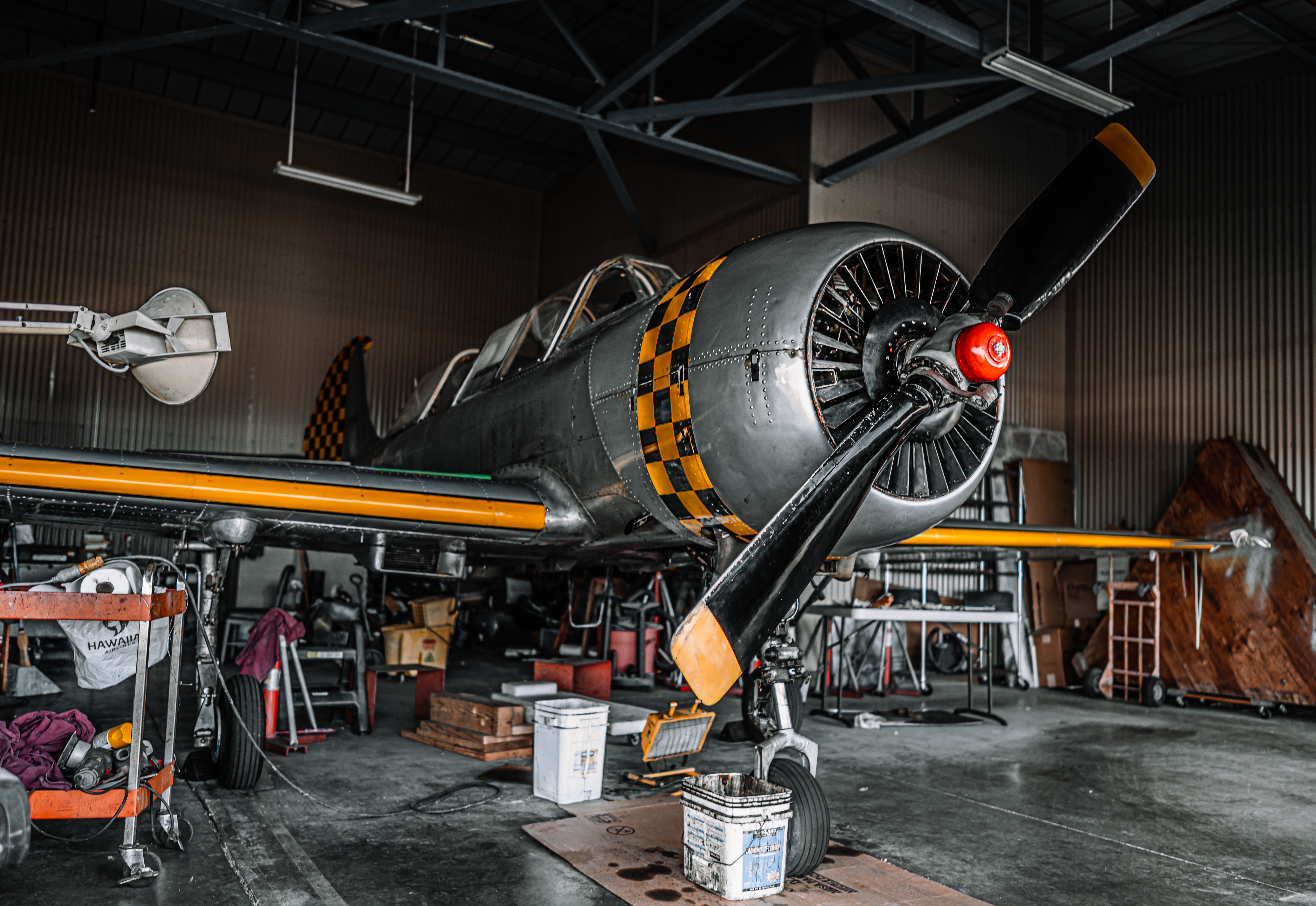
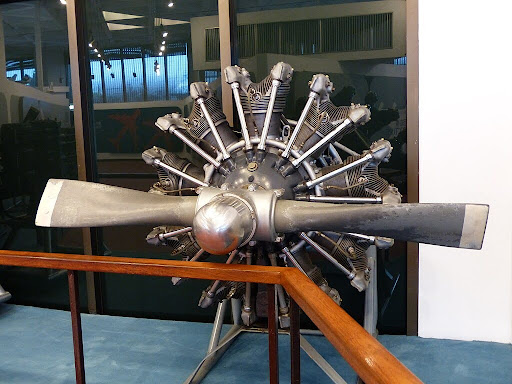
Older engines are often radial engines or inline engines, and both require a different approach than today’s fuel-injected engines. They're made with older metals, and they sometimes run on different fuel types than modern planes. Many of them also need manual priming and preheating before starting.
Here’s a look at what sets them apart:
- Older Materials Gaskets, seals, and other parts wear out faster due to age and material fatigue. Sourcing vintage engine parts can be a challenge too.
- Mechanical Systems You won’t find digital diagnostics here. That’s why classic aircraft engine troubleshooting involves hands-on checks like spark plug inspection, compression tests, and timing checks.
- Unique Maintenance Needs Vintage airplane engine upkeep depends on regular checks, even if the plane isn’t flying often. Long-term storage of aircraft engines is just as important as active use.
- Historical Value These engines aren’t just machines—they’re often part of a vintage airplane restoration effort. Treating them right preserves both history and performance.
Understanding these basics helps build a solid foundation for your vintage aircraft engine maintenance routine.
WHY PROPER MAINTENANCE IS CRITICAL FOR OLD ENGINES
Vintage engines can run reliably—but only if they’re well cared for. Neglect, improper handling, or bad storage can cause rust, leaks, or even full engine failure.
Here’s why regular maintenance is critical:
- Safety Comes First An engine problem mid-flight isn’t just inconvenient—it can be dangerous. Following an airplane engine maintenance schedule helps catch small issues before they turn into big ones.
- Preserve Engine Lifespan With proper care, vintage engines can run for years. That means aircraft engine preservation tips like regular lubrication, filter changes, and magneto inspection make a big difference.
- Catch Issues Early A compression check on vintage aircraft engines can help spot cylinder wear. A magneto timing issue might affect ignition. These inspections are part of a smart engine care checklist for vintage planes.
- Corrosion Control Moisture and metal don’t mix. Aircraft engine corrosion prevention techniques—like fogging oil or desiccant plugs—help keep things dry and clean.
- Fuel and Oil Care Use the right oil for the era and engine type. A classic airplane engine oil change should be done at least every 25–50 hours. And don’t forget fuel system care for old planes, which often means checking for varnish or fuel line leaks.
Vintage engines also need occasional aircraft engine overhaul guide checks to keep things within FAA limits. Whether you’re flying, restoring, or storing, aviation engine care for classic planes is a full-time commitment.
If you’re wondering how to keep old aircraft engines running, it starts with routine habits and ends with a deep respect for these historic machines.
ROUTINE SERVICE FOR CLASSIC AIRPLANE ENGINES
Keeping vintage engines running well comes down to routine. Skipping simple steps can lead to big problems. That’s why every pilot or mechanic working on an old engine needs a plan—and a checklist.
Here’s how to keep things running smoothly.
DAILY AND PRE-FLIGHT CHECKS
Before each flight, follow a basic set of steps. This helps catch issues early.
- Oil Check Make sure oil levels are correct. Check for signs of water or metal in the oil. That could mean internal wear.
- Fuel System Inspection Look for leaks, cracks in fuel lines, and signs of old or varnished fuel. A vintage plane fuel system inspection is key, especially if the plane sat for a while.
- Visual Inspections Look at hoses, wires, and the exhaust. Pay attention to color changes, fraying, or loose parts. These are early engine wear signs in vintage planes.
- Magneto Test and Prop Pull-Through Check for smooth movement and consistent resistance. It helps spot cylinder or valve issues.
- Leaks and Corrosion Wipe around the engine. Any fresh oil, fuel, or staining is a clue something might be wrong.
These steps should be part of every pre-flight check for vintage aircraft engines.
WEEKLY AND MONTHLY MAINTENANCE
If you fly often, some tasks don’t need to happen every day—but they shouldn’t be skipped for long.
- Compression Tests A good test result shows all cylinders are holding pressure. This helps confirm overall health.
- Lubrication Use approved grease and follow lubrication practices for older engines. Don’t skip smaller parts like linkages or fittings.
- Logbook Updates Stay on top of your engine logbook management. Record oil changes, repairs, and flight time. This helps with tracking overhaul time for vintage aircraft engines and planning future work.
CLASSIC AVIATION ENGINE UPKEEP TIPS
- Stick to a classic aircraft oil change interval of every 25 to 30 hours of operation—or every four months if the plane isn’t flying often.
- Use only the best oil for vintage aircraft engines recommended for your specific model.
- Follow a clear vintage aircraft maintenance checklist tailored to your engine type and usage.
These habits are the foundation of airworthy vintage engine maintenance. The more consistent your routine, the longer your engine will last.
REPAIR, OVERHAUL, AND TROUBLESHOOTING
Even with great care, every vintage engine will need repairs at some point. Parts wear out. Seals break. Time takes its toll. Knowing what to look for—and how to fix it—can save time, money, and stress.
TROUBLESHOOTING COMMON ISSUES
Start simple. Listen to the engine. Smell the oil. Watch how it starts. These clues help build a repair plan.
Here are a few quick vintage engine troubleshooting steps:
- Hard Starting Could be a timing issue, weak magneto, or fuel delivery problem.
- Excess Smoke May point to bad rings or too much oil. Check cylinder compression.
- Rough Running Look at the spark plugs, ignition timing, and carburetor.
These are the first steps in repairing vintage airplane motors before anything major is taken apart.
VINTAGE AIRCRAFT OVERHAUL PROCEDURES
Sometimes, the only option is a full overhaul. This means removing the engine, inspecting every part, and replacing or reconditioning worn items. Every overhaul should follow a trusted aircraft engine maintenance guide.
Here’s how it typically works:
- Remove and Inspect Strip down the engine. Clean and measure each component.
- Replace and Rebuild Use FAA-approved parts. Follow engine rebuild tips for classic aircraft to maintain airworthiness.
- Test and Reinstall Run the engine in a test stand if possible. Then reinstall and perform detailed checks.
It’s a big job, but it’s key to keeping vintage airplane engines airworthy.
STORAGE AND PRESERVATION METHODS
Sometimes planes don’t fly for weeks—or even months. That’s when proper storage matters most.
Follow this basic vintage airplane engine storage guide:
- Use engine preservation oil aircraft products during downtime.
- Cover all openings to block dust, critters, and moisture.
- Rotate the prop occasionally by hand to prevent sticking.
- Control humidity in the hangar if possible.
These aircraft engine preservation methods help with long-term care, especially in humid or dusty climates.
RADIAL ENGINE CARE AND SPECIAL CASES
If you own a radial engine, you already know they need extra love. Make sure to:
- Check oil pooling in lower cylinders.
- Prime and preheat properly.
- Use radial engine preservation methods during storage.
To maintain radial aircraft engines, you’ll also want to follow manufacturer-specific guidelines and keep an eye on oil pressure and cylinder temps during flight.
If your plane fits into a rarer category—like a warbird—use focused engine care tips for warbirds or reach out to a mechanic who specializes in legacy aircraft engine support.
CONCLUSION
Maintaining classic airplane engines is a rewarding task. With the right tools, schedule, and mindset, you can keep these amazing machines alive for years to come. From routine oil changes to smart storage, every step you take adds life to your engine and safety to your flights.
So, how to maintain vintage aircraft engines? Start simple. Stay consistent. And when in doubt, ask a trusted mechanic or restoration pro.
Looking for more tips, expert help, or classic engine services? Reach out to Flying411 today—we’re here to keep your engine flying strong.
FREQUENTLY ASKED QUESTIONS
1. HOW OFTEN SHOULD I INSPECT A VINTAGE AIRCRAFT ENGINE?
A full inspection should be done every 25–50 flight hours, depending on engine type and use. Storage inspections should happen every few months.
2. WHAT’S THE BEST WAY TO STORE A VINTAGE ENGINE LONG TERM?
Drain fuel, add preservation oil, cover all openings, and store in a dry, temperature-stable space. Follow proper airplane engine storage tips.
3. WHAT KIND OF OIL SHOULD I USE IN A CLASSIC ENGINE?
Use mineral oil for break-ins and approved aviation-grade oils for ongoing use. Check your engine model and FAA guidelines.
4. HOW DO I FIND PARTS FOR OLD AIRCRAFT ENGINES?
Vintage engine parts sourcing may involve specialty shops, salvage yards, or custom fabricators. Join classic aviation forums or networks.
5. WHEN DO I NEED A FULL ENGINE OVERHAUL?
If you notice power loss, odd noises, or metal in oil filters—or if you hit the TBO (time between overhauls)—it’s time to consult the aircraft engine overhaul guide.