Owning a small airplane is exciting, but it also comes with real responsibilities. One of the biggest is planning for the engine overhaul cost on a cessna 172. This is not a surprise bill. It is a known part of long-term ownership. Still, many pilots feel unsure about how much it really costs and why the numbers can vary so much.
Let’s slow it down and walk through it together, step by step, so the picture feels clear and manageable as we move forward.
How Much an Engine Overhaul Costs for a Cessna 172
For most owners in the U.S., the engine overhaul cost for a Cessna 172 usually falls between $18,000 and $35,000. That price depends on engine condition, shop rates, parts, and how much work is needed. This cost is tied to time, usage, and care, not luck. Planning ahead makes it far easier to handle.
| What Owners Pay | Why It Costs That Much | What You Get |
| $20,000–$35,000 typical | Parts wear, precision labor, inspection | New rings, bearings, seals |
| Labor costs | Mechanics must work many hours | Careful assembly and testing |
| Parts price | High-quality aircraft parts cost more | Engine runs smoothly |
| Inspection fees | Required by safety rules | Ensures engine is safe |
| Additional repairs | Can raise cost | Fixes wear found during overhaul |
What an Engine Overhaul Means for a Cessna 172
An engine overhaul is a full rebuild of the cessna 172 engine. The engine is removed from the airplane and taken apart piece by piece. Every part is cleaned, measured, and checked. Worn items are repaired or replaced so the engine can safely return to service.
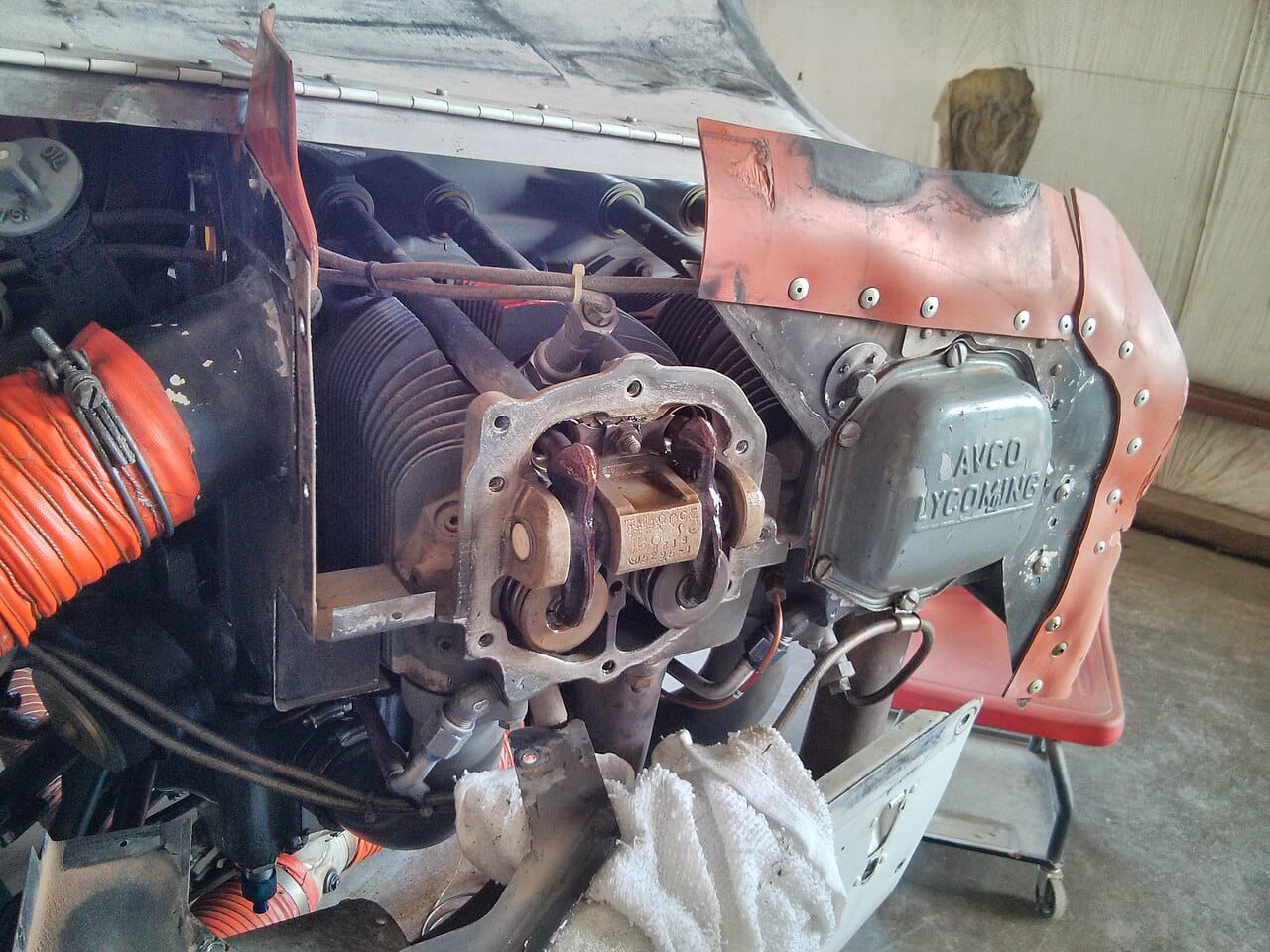
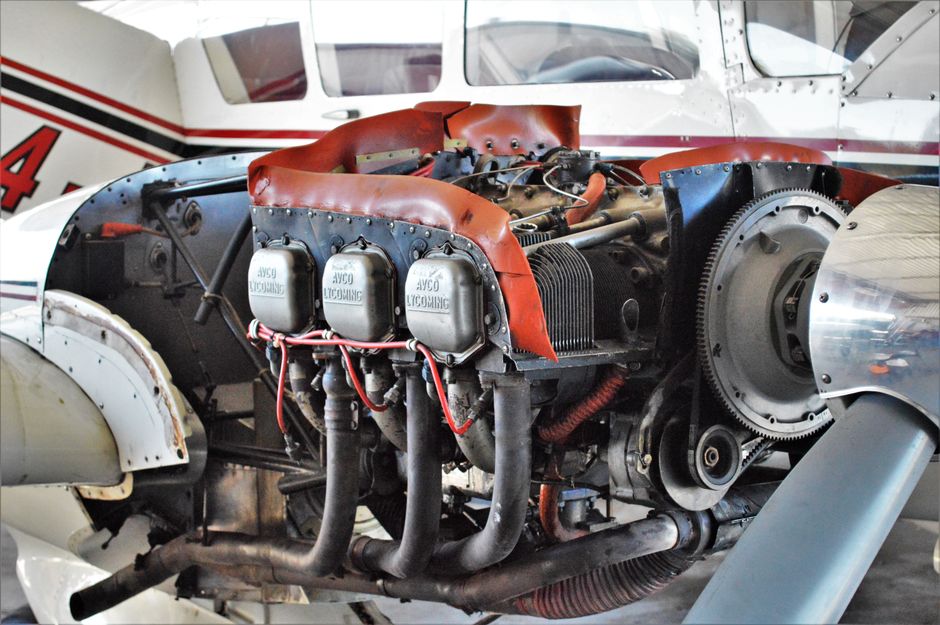
Most 172s use a lycoming four-cylinder engine. During the overhaul, each cylinder is removed and checked for wear, cracks, and compression. Some aircraft cylinders may be reused, while others must be replaced. This choice affects the final overhaul cost.
Here is what usually happens:
- The engine is pulled off the airplane for removal and replacement
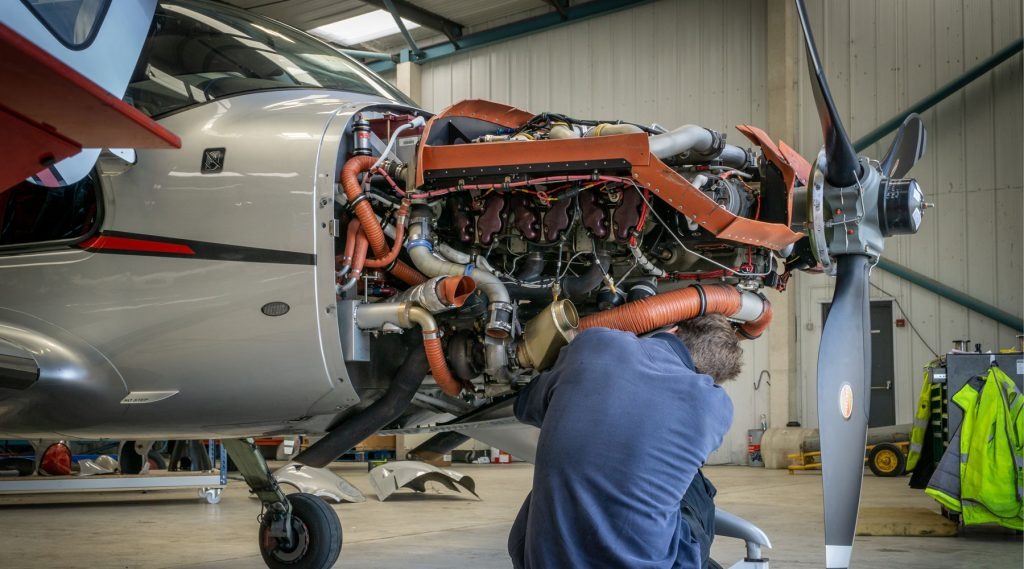
- A certified a&p or mechanic inspects all major parts
- Bearings, seals, and hardware are replaced
- The magneto system is inspected or overhauled
- The engine is reassembled and test run
This work is required by faa rules and standard aviation safety practices. It applies to every single engine piston aircraft, not just 172s.
For many 172 owners, this is the biggest planned expense of owning a cessna 172. It often exceeds the annual cost of fuel, avgas, and oil changes combined. That is why owners track engine time carefully.
Some owners choose a new engine, while others rebuild the existing one. A factory engine costs more upfront but may help resale value. A rebuilt engine can save money if the core is in good shape.
This expense is a major part of the total cost of ownership, along with hangar rent, aircraft insurance, and routine maintenance costs. Planning for it turns a stressful event into a scheduled task.
When a Cessna 172 Engine Needs an Overhaul
Most engines are overhauled based on time between overhaul, also called tbo. For many 172 models, that number is around 2,000 hours. The actual trigger depends on hours on the engine, usage patterns, and care.
Common reasons an overhaul becomes necessary include:
- Reaching published tbo
- Low compression during an inspection
- Metal found during oil changes
- Internal corrosion from sitting unused
- High unscheduled maintenance
Engines used in a flight school or for renting a cessna 172 often reach TBO faster due to high usage. Engines used for recreational flying may age out on calendar time instead.
A well maintained engine with regular new oil, frequent flying, and proper storage can reach TBO smoothly. A low time engine that sits too long may need work early.
Extra checks happen during the annual inspection, the annual, and sometimes a 100 hour inspection. These reviews help spot problems early. Items like the propeller, accessories, and even avionics condition can affect downtime and planning.
Buyers of a used cessna, including used cessna 172s, should pay close attention to smoh time and maintenance records. A prebuy exam helps confirm condition before purchase. A lower asking price may reflect a coming major overhaul cost.
Other cost factors include shop location, parts availability like superior air parts, and labor rates at the local fbo. Extras such as a new prop, engine replacement, updated paint and interior, or higher insurance premiums add to the big picture of owning an aircraft.
Groups like the cessna flyer association often help owners plan with data and shared experience. Understanding these factors to consider helps a cessna 172 owner budget wisely and enjoy flying with confidence.
How Long an Engine Overhaul Takes and What to Expect
An engine overhaul takes time. It also takes patience. For most owners, the full process lasts four to eight weeks. Sometimes it moves faster. Sometimes it takes longer. The timeline depends on parts, labor, and what the engine looks like once it is opened up.
This work is a normal part of aviation ownership. It is planned, not sudden. When you know the steps, the waiting feels easier.
Step One: Scheduling and Planning
Before anything starts, the shop puts you on the calendar. Popular shops book months ahead. This is common for a lycoming engine used in a cessna 172.
During planning, you will talk with the mechanic about:
- Engine model and power, such as 180 hp
- Current hours and tbo
- Budget limits and timing
- Any past issues in the logbooks
This stage helps control surprises. It also helps you plan the cost of owning the airplane during downtime. While the engine is out, the aircraft is not flying. Hangar rent, insurance, and other items still run as a fixed cost.
Step Two: Engine Removal
Once the date arrives, the engine is removed from the airplane. This step is quick. It often takes one to two days.
During removal:
- The propeller comes off
- Fuel, oil, and controls are disconnected
- The engine is lifted and crated for transport
At this point, the airplane stays in the hangar. Some owners use this time to plan upgrades, but many wait to avoid extra expense.
Step Three: Teardown and Initial Inspection
This is where the clock really starts. The shop takes the engine apart piece by piece. Every major part goes through a detailed inspection.
Key checks include:
- Crankshaft measurements
- Case condition
- Each cylinder for wear or cracks
- Bearings and gears for damage
This phase often reveals the true condition of the engine. A clean teardown keeps costs stable. Hidden damage can extend the schedule.
For older models, this step matters even more. Time and storage can affect metal condition, even on low-hour engines.
Step Four: Parts Decisions and Lead Times
After teardown, the shop calls with findings. This is a big moment. You will hear what parts can be reused and what must be replaced.
Common decisions include:
- Reusing or replacing cylinders
- Repairing or replacing accessories
- Choosing new versus overhauled parts
Parts availability affects time. Some items ship fast. Others take weeks. This is one reason some overhauls stretch past eight weeks.
Costs also become clearer here. Many owners expect a number near 18k, but final pricing depends on parts and labor. A clean engine often stays close to estimates.
Step Five: Reassembly and Testing
Once parts arrive, reassembly begins. The engine is put back together with careful measurements and torque checks.
During this phase:
- Clearances are set
- Accessories are installed
- The engine is painted and sealed
After assembly, the engine runs on a test stand. This checks oil pressure, temperatures, and smooth operation. Any issues are fixed before the engine returns to the airplane.
Step Six: Reinstallation on the Aircraft
The engine goes back on the airplane. Controls, fuel lines, and electrical connections are reattached.
This stage also includes:
- Ground runs
- Leak checks
- System verification
Sometimes shops coordinate this step with the annual inspection or annual. Doing both together can save downtime, though it does not always reduce cost.
Step Seven: Break-In and Early Flights
After the overhaul, the engine needs careful break-in. This usually takes the first 25 to 50 hours.
Expect guidance like:
- Fly often
- Avoid long idle times
- Monitor oil use closely
During this period, the airplane may feel slightly different. Temperatures and oil use settle as parts seat properly.
What Can Delay an Overhaul
Not every delay is bad planning. Some are normal.
Common delay causes include:
- Backordered parts
- Extra findings during teardown
- Shop workload spikes
- Shipping delays
A used cessna 172 may face more unknowns than a newer airplane. That does not mean trouble. It just means the process needs flexibility.
What Owners Often Ask About
Many owners worry about surprises. Most shops communicate clearly. You will get updates before major cost changes.
Another common question involves upgrades. Some owners ask about adding or updating avionics during downtime. This can work, but it adds coordination and cost. Many owners wait and focus only on the engine.
How This Fits Into Ownership Planning
An overhaul is one of the largest planned expenses in aircraft ownership. It sits alongside insurance, fuel, and inspections. Knowing the timeline helps owners budget time and money.
For many pilots, this work marks a reset. After overhaul, the engine clock starts fresh. Reliability improves. Confidence grows.
It is not a fast process, but it is a proven one. Thousands of owners go through it every year. With planning, clear communication, and realistic expectations, it becomes a manageable chapter in aircraft ownership, not a stressful one.
Conclusion
Planning for the engine overhaul cost for a Cessna 172 is part of smart aircraft ownership. It affects buying decisions, budgeting, and long-term enjoyment. When owners understand timing, pricing, and options, the process feels predictable instead of stressful. For tools, listings, and ownership insight trusted by pilots nationwide, explore Flying411 and plan with confidence.
Frequently Asked Questions
How long does a Cessna 172 engine overhaul take?
Most overhauls take four to eight weeks, depending on shop workload, parts availability, and extra repairs found during teardown.
Can I fly past TBO legally?
Yes, in many cases. TBO is a recommendation, not a hard limit, if the engine passes inspections and remains airworthy.
Does engine time affect the price of a Cessna 172?
Yes. High engine time often lowers the price of a cessna 172 because buyers plan for future overhaul expenses.
Is an engine reserve required?
No, but it is smart. An engine reserve spreads the overhaul cost over each flight hour.
Does insurance change after an overhaul?
Sometimes. A fresh overhaul can slightly improve aircraft insurance terms, depending on the provider and pilot history.