If you are learning to fly, the How a Cessna 172 Engine Works question comes up fast. You sit in the seat, hear the noise, feel the shake, and trust it to keep you in the air. That trust feels better when you know what is happening up front. The good news is that the system is simple, proven, and easy to understand when broken into small steps.
Let’s get into the basics first and then walk through the full process.
Key Takeaways
A Cessna 172 uses a simple aircraft engine that burns fuel and air inside cylinders. The burning pushes pistons, spins a crankshaft, and turns the propeller. That spinning creates thrust, which moves the plane forward for taxi, takeoff, and climb.
| Key Part | What It Does |
| Fuel system | Moves fuel to the engine safely |
| Air system | Brings in outside air |
| Pistons & cylinders | Create power from burning fuel |
| Crankshaft | Turns motion into rotation |
| Propeller | Converts rotation into thrust |
| Gauges | Show engine health and power |
What Kind Of Engine Does A Cessna 172 Use?
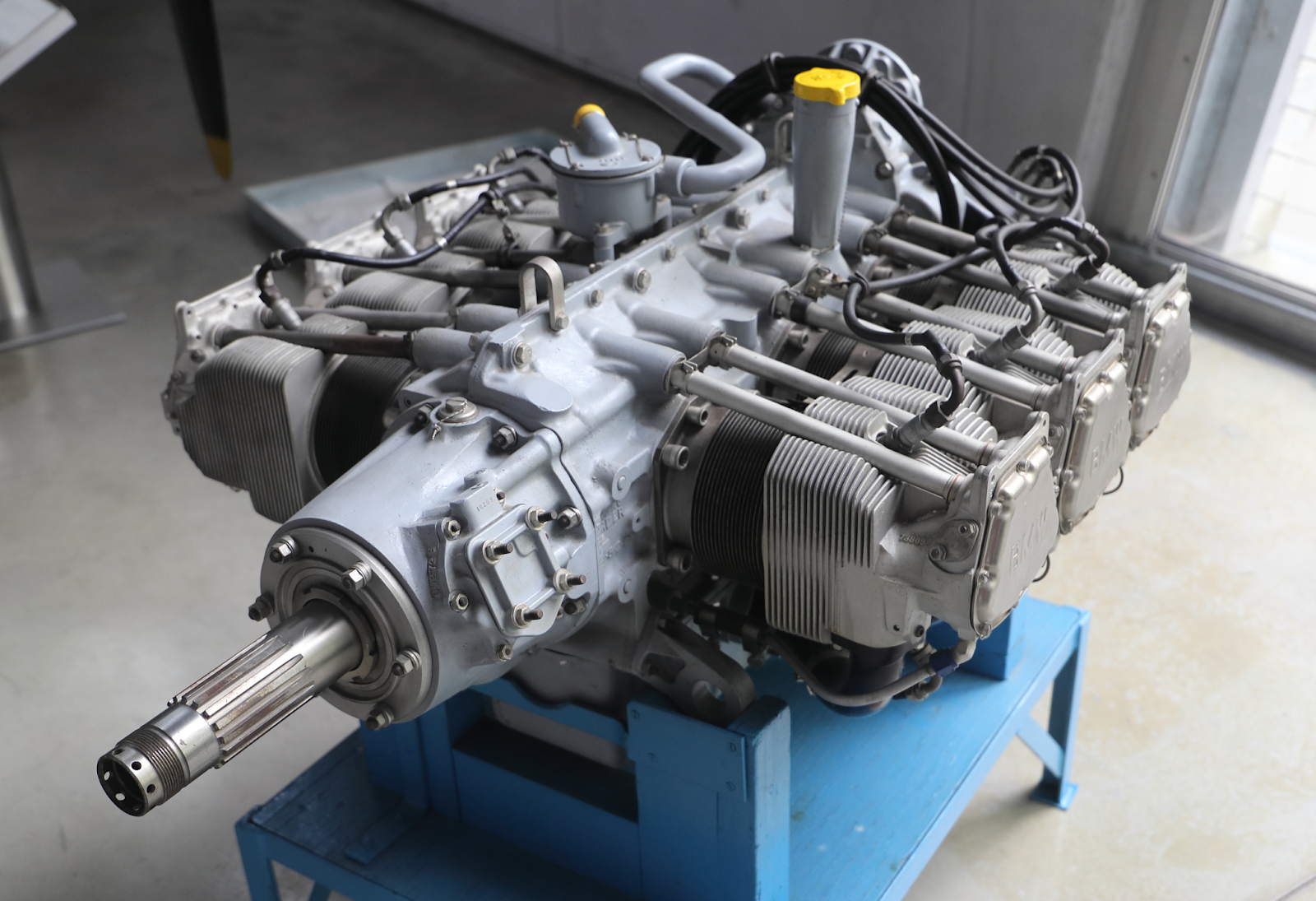
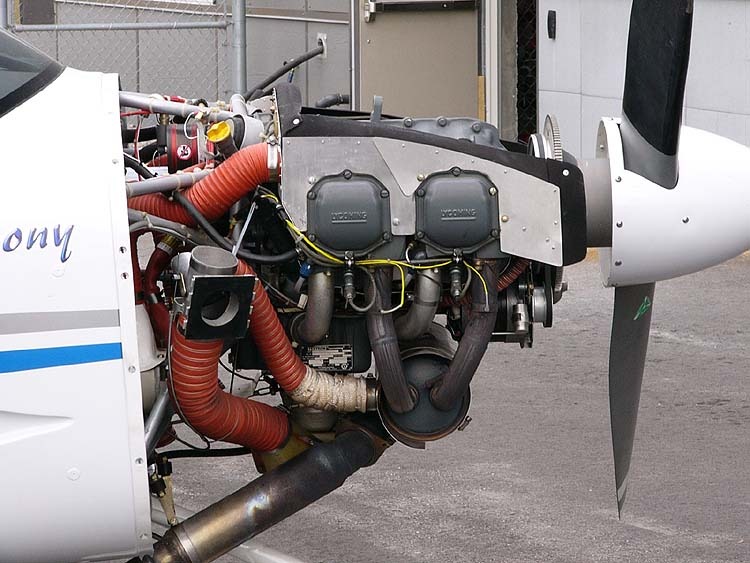
The cessna 172 is powered by a lycoming piston engine designed for reliability and training use. This aircraft falls into the light aircraft group used by schools and private owners across the USA. Many cessnas use this setup because it is simple to operate and easy to maintain.
This is a horizontally opposed design. That means the pistons move sideways, facing each other. Inside each cylinder, a piston moves back and forth. This motion is the heart of the internal combustion process. Fuel and air burn, pressure builds, and motion starts.
Some 172 models use a carbureted engine, while others use fuel injected setups. A carburetor mixes fuel before it enters the engine. A fuel-injected engine sends fuel directly to each cylinder. Both systems are common in many aircraft and both are safe when used correctly.
Key features you should know:
- This is a piston aircraft design used for flight training
- It uses two magnetos for safety
- Power output is measured in horsepower
- The engine sits under the cowling
- Cooling air supports proper engine cooling
The magneto system is independent of the plane’s electrical system. Each magneto creates spark without battery power. That spark jumps across a set of spark plugs to ignite the fuel. This design lowers engine failure risk.
When pilots talk about engine power, they often look at engine rpm on the tachometer. In planes with constant speed props, they may also check a manifold pressure gauge, but most trainers use fixed pitch setups. With fixed pitch propellers, rpm tells the full story.
How A Cessna 172 Engine Works Step By Step
Let’s walk through how the system works from start to steady flight. Each step builds on the last.
1. Starting the process
During starting the engine, the pilot may pump the throttle to add additional fuel. This helps aid in starting, especially in cold weather. The starter begins cranking the engine until the first sparks fire. Once fuel burns, the engine is running.
2. Air and fuel enter
Air entering the engine comes through the intake. Outside air temperature affects density and performance. The volume of air mixes with fuel in the fuel system. In carb setups, fuel is mixed before the cylinders. In injected setups, fuel is sprayed to inject and atomize properly. This fuel-air mixture uses both fuel and air in exact amounts. The mixture is drawn into the engine through the intake manifold as air is drawn inside.
3. Compression and ignition
Each intake valve opens, and the mix is sucked into the cylinders. The piston moves up and creates compression inside the combustion chamber. At the right moment, spark plugs fire. Each plug sends a spark that causes combustion. The burning pushes the piston down.
4. Power creation
That downward force turns the crankshaft. As the crankshaft spins, it connects all piston movement together. This rotation causing the engine to keep moving. With each cycle, increased engine output builds. This is how the engine begins producing steady thrust.
5. Propeller and exhaust
The spinning shaft turns the propeller. Air moves backward, and the plane moves forward. Burned gases exit through the exhaust and exhaust system. This exhaust gas flow helps efficiency but also adds heat, so proper cooling matters.
6. Monitoring and safety
Pilots watch the cockpit engine instruments closely. The temperature gauge warns of heat issues. A decrease in engine rpm can signal ice or mixture problems. Carb heat may be used on carbureted setups to clear ice. Proper use reduces fire risk and lowers engine fire chances. Knowing how controls work helps pilots get the engine back to smooth operation.
Controls in the cockpit include throttle and mixture controls. These manage fuel flow and power. Good habits here protect the aircraft engine and help the engine work safely inside the engine during all phases of flight.
Why Learning How a Cessna 172 Engine Works Matters
Learning how the engine works is a big step in becoming a confident pilot. It helps turn noise, vibration, and gauges into clear signals you can understand. When you know what is happening under the cowling, flying feels calmer and more predictable. You are not guessing. You are reading the airplane.
This matters from day one of training. You sit in the seat, follow the checklist, and bring the airplane to life. When you know what parts are working together, each step has meaning. That meaning helps you stay ahead of problems and make better choices in the air.
It Builds Confidence From the Start
Confidence starts during starting the engine. When you turn the key, fuel and air must mix, spark must fire, and motion must begin. If the process feels mysterious, stress can creep in. If you understand it, you stay relaxed.
Here is what knowledge gives you:
- You know why the engine may hesitate on a cold morning
- You know why power rises smoothly instead of all at once
- You know when a sound is normal and when it is not
Understanding the ignition system helps a lot here. You know that spark does not rely on the main electrical system. That means the engine can keep running even if other systems fail. That fact alone gives many new pilots peace of mind.
It Helps You Read the Gauges Correctly
The cockpit gives you clues about health and performance. These clues only help if you know how to read them.
For example, the engine rpm gauge tells you how fast the engine is turning. In airplanes with a fixed pitch propeller, this gauge is your main power indicator. When rpm changes, power changes.
Pilots often hear instructors say things like “set power” or “check rpm or manifold pressure.” If you know how power is made, these steps make sense.
When you understand engine power, you also understand why:
- Power increases smoothly during takeoff
- Power drops slightly when climbing
- Power must be reduced in cruise to protect the engine
This knowledge helps you avoid overworking the system.
It Improves Safety in Every Phase of Flight
Safety is not about reacting fast. It is about seeing problems early. Knowing how the engine works gives you that early warning.
Think about airflow. Air enters the engine through the intake, moves through the intake manifold, and fills each cylinder. The piston squeezes that air, creating compression. Fuel mixes in, spark fires, and pressure builds inside the combustion chamber.
If something interrupts that flow, performance drops.
Because you understand the process, you can spot issues like:
- A power drop caused by poor airflow
- Rough running from incomplete fuel mixing
- Changes in sound linked to exhaust flow
You also know that burned gases must exit through the exhaust system. If heat builds up or flow is restricted, problems follow. Knowing this helps you respect temperature limits and cooling needs.
It Makes Checklists Feel Logical
Checklists are not random. Each item supports the engine’s needs.
When a checklist says “mixture rich,” you know it ensures fuel reaches the cylinders correctly. When it says “throttle set,” you know it controls airflow and power. When it calls for a magneto check, you understand why spark redundancy matters.
This is especially true with fuel delivery. You know that fuel is delivered in a controlled way so it can mix with air and burn evenly. In some systems, a carburetor helps mix fuel before it enters the engine. That mixing must atomize the fuel into small particles. Smaller particles burn more evenly and produce smoother power.
Once you know this, checklist items stop feeling like chores. They feel like protection.
It Helps You Handle Abnormal Situations
Abnormal situations are part of training. They are also part of real flying. Knowledge reduces fear when something does not feel right.
If the engine runs rough, you think through causes step by step:
- Is airflow restricted?
- Is fuel mixing correctly?
- Is spark firing evenly?
Because you know the system, you do not panic. You troubleshoot calmly.
Understanding how a valve opens and closes helps here too. You know that timing matters. If airflow or pressure feels off, you have a mental map to guide your response.
This is especially important during critical moments like climb-out. Right after takeoff, there is little time to guess. Clear thinking matters.
It Turns Sounds and Feelings Into Information
Airplanes talk to pilots all the time. They do it through sound, vibration, and response to controls.
When you know how the aircraft engine works, those signals become useful data.
For example:
- A smooth hum tells you combustion is even
- A rough shake may point to uneven firing
- A slow power response can suggest airflow or fuel issues
You stop thinking, “That sounds bad.”
You start thinking, “That change matches this system.”
This skill grows with time, but it starts with understanding.
It Supports Long-Term Aircraft Care
Pilots share responsibility for the health of the aircraft. Good engine care starts with good operation.
When you know how heat, pressure, and fuel interact, you treat the engine gently:
- You avoid rapid power changes
- You respect warm-up time
- You lean and enrich correctly
This care protects internal parts and extends service life. It also reduces wear inside each cylinder and across moving parts.
Instructors often say, “Fly it like you own it.” Knowing how the engine works helps you do exactly that.
It Makes Learning Easier as Training Grows
Training starts simple. Later, it gets more complex. Engine knowledge makes that growth smoother.
As you learn new procedures, the same principles apply:
- Airflow matters
- Fuel quality matters
- Spark timing matters
You build on what you already know instead of starting over.
This foundation also helps when transitioning to other airplanes. Many systems follow the same basic design. Once you understand one, others feel familiar.
A Final Thought on Why This Knowledge Matters
Learning how the engine works is not about memorizing parts. It is about understanding cause and effect.
When you move a control, something physical happens. Air moves. Fuel flows. Pressure builds. Power follows.
That connection turns you from a button-pusher into a thinking pilot. It keeps flights smoother, safer, and more enjoyable. And yes, it also makes you sound very confident during ground school discussions, which never hurts.
Conclusion
Understanding How a Cessna 172 Engine Works gives new pilots confidence and calm. When you know how air, fuel, and spark come together, every sound makes sense. This knowledge supports safer decisions and stronger skills in the cockpit. If you want clear aviation guides, aircraft insights, and pilot-focused resources, explore Flying411 and keep learning with confidence.
Frequently Asked Questions
Why does the Cessna 172 use two magnetos?
Two systems add safety. If one fails, the other keeps the engine running.
Can the engine run without the alternator?
Yes. The magnetos create spark without electrical power.
What causes rough running during taxi?
Mixture issues, cold plugs, or improper carb heat use are common causes.
How does carb heat affect performance?
It warms intake air, which can slightly reduce power but clears ice.
Why is mixture control important at altitude?
Air density drops as you climb, so fuel flow must be adjusted for efficiency.