Two airplanes carry most of the world's short and medium haul traffic. One wears a Boeing badge. The other wears an Airbus badge. The Boeing 737 MAX vs Airbus A320neo matchup shapes airline fleets, ticket prices, mechanic training, and the parts market that keeps both fleets flying.
From a jet bridge, the two look close enough to confuse. Same six seats across. Same twin engines. Same job. Yet under the skin, they come from different decades, different design rules, and different engineering habits. Those old choices still decide which jet an airline picks today.
Airlines rarely choose based on which plane looks nicer. They choose based on inches, pounds, gallons, and delivery dates. Those four things tell a much better story than any spec sheet ever will.
Key Takeaways
The Boeing 737 MAX and the Airbus A320neo are close rivals that do nearly the same job, but they differ in cabin width, engine choice, range, and family lineup. The Airbus cabin is a bit wider and offers two engine options. The Boeing jet is lighter in some configurations and has a strong seller in the MAX 8. Airbus has pulled ahead in the larger end of the market thanks to the A321neo, while Boeing works to certify its own stretched model.
| Comparison Point | Boeing 737 MAX | Airbus A320neo Family |
| Base design era | 1960s fuselage, updated many times | Late 1980s fuselage |
| Cabin width | Around 11 ft 7 in | Around 12 ft 2 in |
| Engine options | CFM LEAP-1B only | CFM LEAP-1A or Pratt & Whitney PW1100G-JM |
| Best seller | MAX 8 | A321neo |
| Typical range (core model) | Roughly 3,500 nautical miles | Roughly 3,400 nautical miles |
| Long range stretch | MAX 10 (in certification) | A321XLR (in service) |
| Flight controls | Yoke with mechanical feel | Sidestick with fly by wire |
| Family size | Four variants | Three main neo variants |
Flying411 tracks the aircraft, engines, and parts side of this rivalry every day, since fleets built around these two jets drive a huge share of the aviation marketplace.
Where These Two Jets Came From
You cannot understand the differences without understanding the birthdays. These airplanes were drawn in different worlds.
The 737 and Its 1960s Roots
The Boeing 737 first entered service in the 1960s. Back then, many airports had no jet bridges. Ground crews loaded bags by hand. Boeing built the jet to sit low, close to the ground, so workers could reach the cargo holds without special equipment.
That low stance was smart in 1967. It became a headache decades later, once engines grew fat and thirsty for air. Boeing has stretched, re-winged, and re-engined the design several times. The core fuselage cross section, though, has stayed the same.
The 737 MAX is the fourth major generation. It brought new engines, new winglets, a reshaped tail cone, and updated systems.
The A320 and Its 1980s Head Start
Airbus arrived in the single aisle market much later, in the late 1980s. That timing let the company start with a clean sheet and modern ideas.
The A320 launched with fly by wire controls, a sidestick instead of a yoke, and a wider fuselage. It also sat higher off the ground. Airbus was not trying to be different for the sake of it. The company simply had the freedom to design around the airport equipment of the 1980s rather than the 1960s.
The A320neo family followed the same playbook as Boeing. Keep the airframe. Change the engines. Improve the wingtips. Cut the fuel burn.
Fun Fact: The A320 is widely credited as the first airliner in service with digital fly by wire flight controls, a system that reads pilot inputs and sends them to the flight computers instead of straight to the control surfaces.
What "MAX" and "neo" Really Mean
Both names point to the same idea, which is a new engine on a proven body.
- MAX is Boeing's marketing name for the re-engined 737 family. The variants are the MAX 7, MAX 8, MAX 9, and MAX 10.
- neo stands for "new engine option." Airbus used the term to separate the updated jets from the earlier models, which are now called ceo, or "current engine option."
The savings come mostly from the engines. Both families promise double digit fuel improvements over the jets they replaced. Airlines care about that number because fuel sits near the top of every operating budget.
The rest of the gains come from smaller changes. Better winglets. Smoother airflow. Lighter interiors. Small percentages add up fast when a jet flies six legs a day for twenty years.
Boeing 737 MAX vs Airbus A320neo: 10 Key Differences That Matter
Here are the differences that show up in real fleet decisions, ranked by how much airlines argue about them.
1. Cabin Width and Seat Comfort
The Airbus cabin is wider. The A320 family measures roughly 12 feet 2 inches inside. The 737 family measures roughly 11 feet 7 inches. That gap is close to half a foot.
Both jets seat six passengers across in economy. The extra Airbus width gets split between seats and aisle. Passengers feel it as a slightly roomier seat or a slightly easier aisle.
This cabin width comparison is the single most quoted difference in the whole rivalry. It is also the one Boeing cannot fix without designing a brand new airplane.
2. Engine Choice
Boeing offers one engine. Airbus offers two.
- The 737 MAX 8 and its siblings use the CFM International LEAP-1B.
- The A320neo family uses either the CFM LEAP-1A or the Pratt & Whitney PW1100G-JM geared turbofan.
Choice matters to airlines. It creates competition on price, spares, and shop visit terms. It also creates risk, since a fleet split across two engine types needs two sets of parts and two maintenance programs. If you want the deeper technical story, the differences between older and newer CFM designs are covered well in this look at CFM56 and LEAP engine differences.
Good to Know: The LEAP-1A and LEAP-1B share a family name but are not interchangeable. They differ in thrust, fan diameter, and bypass ratio, so parts and shop procedures are not the same.
3. Ground Clearance and Engine Fit
Here is where the 1960s design shows up. The 737 sits low. Big modern engines need room.
Boeing solved the problem by mounting the LEAP-1B slightly higher and further forward, and by giving the nacelle a flattened bottom. Airbus had no such problem. The A320 already sat higher, so the larger LEAP-1A slid under the wing with room to spare.
That is why the two nacelles look so different from the terminal window. The Boeing one looks squashed at the bottom. The Airbus one looks round.
4. Flight Deck Philosophy
Boeing pilots fly with a control yoke. Airbus pilots fly with a sidestick beside the seat.
Boeing tends to give pilots direct authority with a mechanical feel. Airbus builds in flight envelope protections that limit how far the airplane can be pushed. Both approaches have long safety records. Pilots often have strong opinions about which one they prefer.
For an airline, the real issue is training. A carrier with an all Airbus narrowbody fleet gains real savings from common type ratings across the A320 family. Boeing offers similar commonality inside the 737 family.
5. Range and Mission Reach
The core models are close. The 737 MAX 8 advertises roughly 3,500 nautical miles. The A320neo advertises roughly 3,400 nautical miles. In daily service, payload, weather, and airport rules matter more than that small gap.
The picture changes at the larger end. The A321neo range stretches to about 4,000 nautical miles, and the long range A321XLR pushes higher still. That extra reach opens thin transatlantic routes that used to need a widebody.
6. The Family Lineup
Boeing fields four MAX variants. Airbus fields three neo variants, plus the smaller A220 in a nearby size class.
| Size Class | Boeing | Airbus |
| Small | MAX 7 | A319neo |
| Core | MAX 8 | A320neo |
| Large | MAX 9 | A321neo |
| Extra large | MAX 10 | A321neo variants including the XLR |
The small models on both sides have sold slowly. The core and large models carry the programs.
7. Fuel Burn Per Seat
Per seat fuel burn depends on more than the engine. It depends on how many seats the airline installs, how far the jet flies, and how heavy it is when it leaves the gate.
The LEAP-1A carries a higher bypass ratio, which usually helps efficiency at cruise. The 737 MAX often carries a lighter empty weight in comparable layouts. The two effects push against each other. Real world results land close enough that airlines pick based on price, fleet history, and delivery slots.
Why It Matters: A one or two percent difference in fuel burn sounds tiny. Across a fleet of a hundred jets flying every day for two decades, it turns into real money and shapes the resale value of the airframe.
8. Production and Delivery Reliability
Getting an airplane on time is its own competition. Both manufacturers have wrestled with supply chain limits in recent years.
Airbus has dealt with engine delivery shortages that slowed A320neo family output. Boeing has worked under production rate limits tied to regulatory oversight, and has been rebuilding a steady monthly rate for the MAX. Recent monthly reports show both companies trading the lead in deliveries from one month to the next.
For an airline planning a route launch, a slipped delivery is a canceled schedule. That risk now sits near the top of the buying checklist.
9. Order Books and Backlogs
Airbus has held a strong lead in narrowbody orders for several years, powered largely by demand for the A321neo. Boeing's MAX 8 remains a heavy seller in its own right, and the MAX 10 has attracted a large order book from major carriers waiting on certification.
Both backlogs stretch years into the future. That is the clearest sign of how healthy the narrowbody aircraft market has become. It also explains why used airframes hold value so stubbornly, a pattern explained further in this piece on why used 737s stay expensive.
10. Maintenance, Parts, and Support
A fleet decision is a thirty year commitment to a parts supply chain.
The 737 has one of the deepest mechanic talent pools in the world. Shops know it. Parts flow freely. The A320 family has built a similarly deep network, with strong support in Europe, Asia, and the Americas.
Buyers on both sides face the same homework. Verify traceability. Confirm paperwork. Know the difference between rotable and expendable inventory. Anyone sourcing components should understand how part traceability works before money changes hands.
Flying411 lists overhauled and serviceable engines, certified parts, and avionics from vetted sellers, which helps operators keep either fleet flying without guessing about paperwork.
How Fuel Efficiency Compares in Real Operations
Marketing numbers are clean. Operations are messy.
Both manufacturers quote roughly fifteen to twenty percent fuel improvements over the previous generation. Those figures come from controlled comparisons. Your mileage, as the saying goes, will vary.
Real fuel burn depends on:
- Seat count. A high density layout spreads fuel across more passengers.
- Stage length. Short hops waste fuel on climb. Longer legs favor efficient cruise.
- Weight. Heavier seats, larger galleys, and extra water tanks all cost fuel.
- Route and weather. Headwinds and long taxi times erase paper advantages fast.
- Engine condition. A tired engine burns more than a fresh one.
Fun fact: airlines have chased fuel savings so hard that some have removed printed manuals, thinned seat cushions, and switched to lighter drink carts to shave pounds.
The honest summary is that neither jet holds a decisive fuel advantage in the core size class. The advantage shows up at the edges, especially in the larger A321neo versus MAX 10 fight.
What Each Jet Costs to Buy and Operate
Published list prices are close to fiction. Nobody pays them. Large orders bring deep discounts, and repeat customers usually get better terms than newcomers.
A more useful way to think about cost has three layers.
- Acquisition cost. The negotiated price, plus delivery costs, plus any buyer furnished equipment.
- Direct operating cost. Fuel, crew, maintenance, and landing fees. These scale with how much the jet flies.
- Indirect operating cost. Administration, insurance, training, and ground handling.
The gap between sticker and reality is explained clearly in this breakdown of list price versus actual price. For the ongoing side of the ledger, the split between direct and indirect operating costs shapes how airlines compare the two families.
Pro Tip: When comparing two jets, ask for cost per available seat mile rather than cost per flight hour. Seat mile math accounts for capacity, which is where these two families really separate.
Airlines also watch residual value closely. A jet that holds value protects the balance sheet at the end of a lease. Both families have held value well, though commercial aircraft operating costs and market timing can swing the numbers, a topic covered in this look at aircraft residual value.
The A321neo Question: Where Boeing Has Ground to Make Up
If there is one clear scoreboard in this rivalry, it is at the large end.
The A321neo has been a runaway success. It carries more passengers than the core models, flies farther, and gives airlines a tool for routes that once demanded a widebody. The extra long range XLR version stretched that reach even further.
Boeing's answer is the MAX 10. On paper it offers strong per seat costs and enough range for most domestic and regional missions. It has drawn a large order book from major carriers.
The catch has been timing. The MAX 10, along with the smaller MAX 7, has spent years working through certification, including a redesign of the engine anti-ice system. Boeing has pointed to certification of both variants in 2026, with first deliveries expected to follow. Regulators have signaled the programs are in their final stages.
Heads Up: Certification timelines move. Any airline or investor planning around a specific delivery date for the MAX 7 or MAX 10 should confirm the current status directly rather than relying on older reporting.
Until those jets arrive in service, Airbus keeps a clear product in a segment where demand is strong. That single gap explains a large share of the order book difference between the two families.
Safety, Certification, and the Story Behind the MAX
No honest comparison skips this part.
The 737 MAX was grounded worldwide after two fatal accidents in 2018 and 2019. Investigations pointed to a flight control system called MCAS, along with issues in training and certification oversight. The fleet returned to service after design changes, new training requirements, and expanded regulatory review.
Since the return to service, the MAX 8 and MAX 9 have flown enormous numbers of flights. Boeing has also worked through quality and production issues under close regulatory attention, including added inspections on aircraft in the delivery pipeline.
The A320neo family has had its own technical issues, most notably engine durability problems on some Pratt & Whitney powered aircraft that pulled jets out of service for shop visits.
The takeaway is not that one jet is safe and the other is not. Both are heavily scrutinized modern airliners. The takeaway is that certification history and production quality now factor into buying decisions as much as fuel burn does.
Which Jet Do Airlines Choose, and Why
Fleet decisions come down to a handful of practical questions.
- What do we already fly? An all Boeing carrier saves money by staying Boeing. The same logic holds in reverse.
- When can we get it? A delivery slot two years sooner can outweigh a small efficiency edge.
- What routes are we adding? Long thin routes push toward the A321neo. High frequency domestic flying favors the MAX 8.
- What does the finance package look like? Trade in terms, lease rates, and support agreements often decide close calls.
- What is our maintenance setup? Existing tooling, trained mechanics, and spares pools carry real weight.
Some carriers run both families on purpose. It costs more in training and spares, but it keeps both manufacturers competing on price at every renewal.
Ready to move on an aircraft, engine, or parts package? Flying411 connects buyers and sellers with certified professionals, from A&P mechanics to MRO providers, so deals close with the right paperwork in hand.
What Passengers Notice From Seat 14C
Most travelers cannot name the jet they are sitting in. A few clues help.
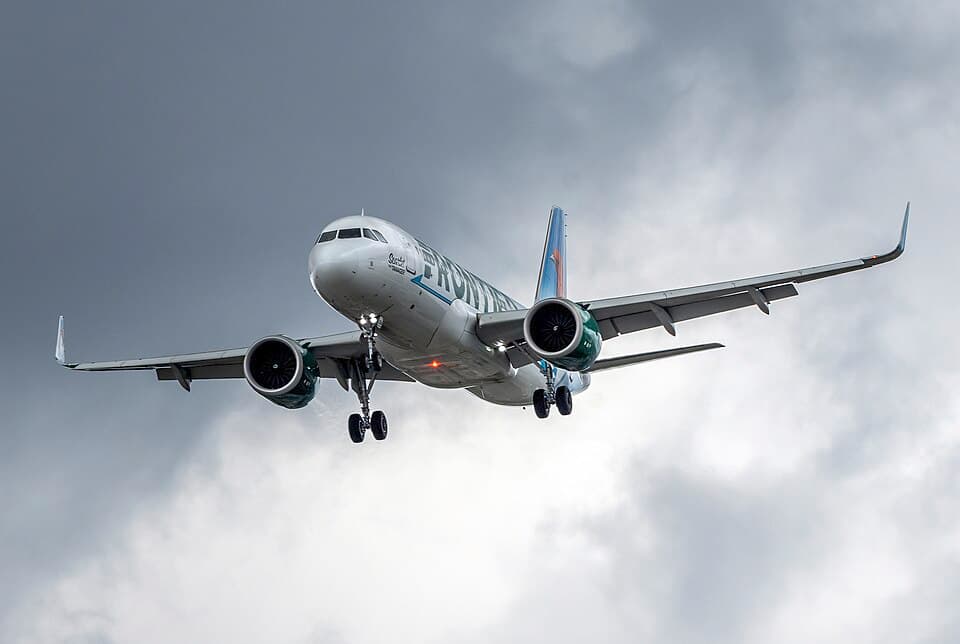
- The wingtip. The MAX uses a split tip design that points up and down. The A320neo uses tall sharklets that sweep upward.
- The nacelle. The Boeing engine looks flattened at the bottom. The Airbus engine looks round.
- The tail cone. The MAX has a reshaped, more pointed tail cone.
- The sound. Both are quieter than the jets they replaced, especially at takeoff.
- The seat. On many airlines the Airbus seat feels slightly wider, though seat choice by the airline matters more than the airframe.
Keep in Mind: Seat comfort depends far more on the airline's cabin choices than on the manufacturer. A generous layout in a 737 MAX will beat a tight layout in an A320neo every time.
Why This Rivalry Matters to Buyers, Sellers, and Suppliers
The two families define a huge share of the global fleet. That has ripple effects far beyond airline boardrooms.
For parts suppliers, demand for LEAP components, avionics, and rotables tracks directly with how many of these jets are flying. Suppliers who understand both platforms serve a bigger market.
For buyers, the used market for previous generation jets stays tied to new delivery rates. When new jets are slow to arrive, older airframes and engines hold value longer.
For maintenance shops, engine shop visit demand follows fleet age. Both families are moving into the window where heavy maintenance ramps up.
For investors and lessors, residual value forecasts depend on how these programs perform over the next decade.
Anyone trading parts across both platforms should be comfortable with certification paperwork, including the differences between EASA and FAA release forms and the process for confirming that a part is airworthy before it goes on a wing.
Quick Tip: Before buying any used component for either family, match the part number to the specific variant. A LEAP-1A part is not a LEAP-1B part, and a MAX component is not always compatible with an NG airframe.
How the Two Families Stack Up Side by Side
| Category | Advantage | Notes |
| Cabin width | Airbus | Roughly half a foot wider inside |
| Engine options | Airbus | Two suppliers instead of one |
| Ground clearance | Airbus | Higher stance, easier engine fit |
| Core model range | Boeing, slightly | Close enough to be a tie in practice |
| Large variant | Airbus | A321neo and XLR lead the segment |
| Mechanic familiarity | Even | Both have deep global support networks |
| Order backlog | Airbus | Driven heavily by A321neo demand |
| Delivery momentum | Contested | The monthly lead has changed hands repeatedly |
| Fuel burn per seat | Even | Depends on layout and mission |
| Cockpit commonality | Even | Strong within each family |
If you enjoy this kind of head to head, the same logic applies further up the size chart in comparisons like the 777 and 787 matchup, the A350 versus 777 debate, and the older heavyweight fight between the A380 and the 747. Closer to home, the 737-800 and MAX comparison shows how much changed within Boeing's own family, and the full MAX specifications fill in the technical detail.
Conclusion
The Boeing 737 MAX vs Airbus A320neo debate does not have a single winner, and that is exactly why it stays interesting. Airbus holds the wider cabin, the engine choice, and the strongest product in the large narrowbody segment. Boeing holds a lighter airframe in some layouts, a proven core seller in the MAX 8, and a stretched model with a deep order book waiting on final approvals.
For airlines, the right answer depends on what they already fly, where they want to fly next, and when the jets can show up. For everyone else in aviation, these two families set the pace for parts demand, maintenance work, and resale values across the entire industry.
Two planemakers, one aisle, and a whole lot of aluminum in between. When you are ready to buy, sell, or service anything that flies, Flying411 is where the aviation market gets down to business.
FAQs
Can a pilot fly both the 737 MAX and the A320neo without new training?
No. The two aircraft require separate type ratings because their systems, flight controls, and procedures differ significantly. Pilots typically fly one family at a time within an airline.
Which jet is more common at airports worldwide?
Both families are extremely common, and the exact lead shifts as fleets grow and retire. Together they account for a very large share of single aisle flights operating today.
Do airlines ever operate both families at the same time?
Yes. Some large carriers run both to keep negotiating leverage with manufacturers and to match specific aircraft to specific routes, though it raises training and spares costs.
Is the A220 a competitor to either of these jets?
The A220 sits in a smaller size class below the core A320neo and MAX 8, competing more directly with the smallest variants like the A319neo, the MAX 7, and regional jets such as the Embraer E195-E2.
What happens to the older 737 NG and A320ceo fleets?
Many are still flying with airlines, cargo operators, and leasing companies, and a strong secondary market exists for both airframes and their parts as newer jets slowly take over front line routes.