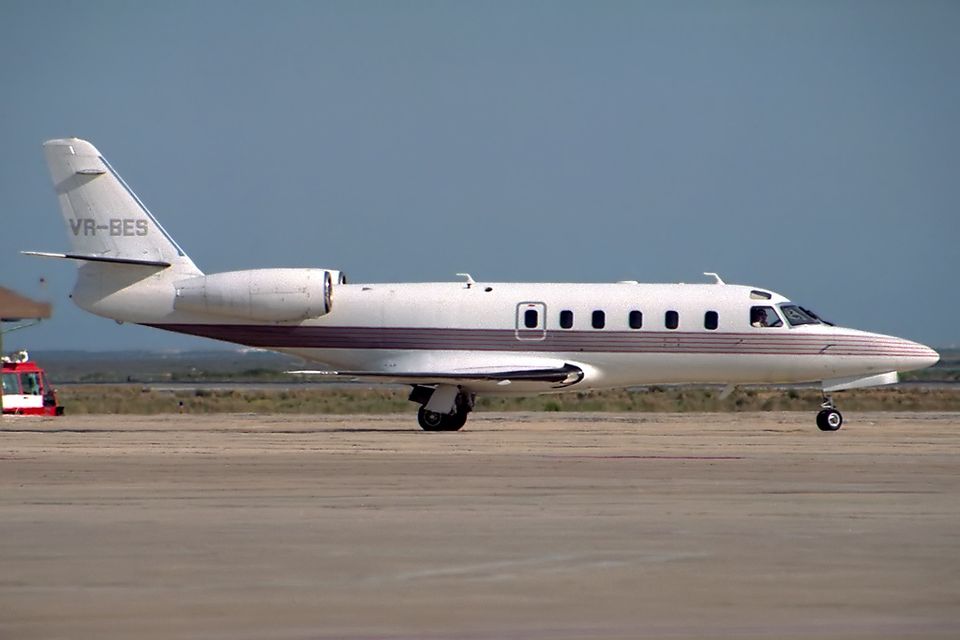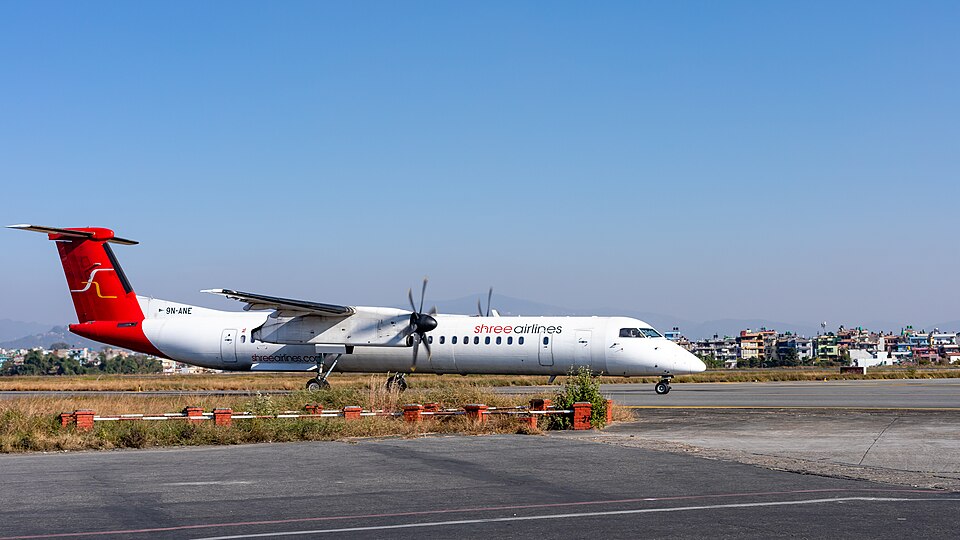
Two jets can sit at the same gate, fly the same route, and land at the same time. One of them makes money. The other one loses it. The difference almost never comes down to a single spec on a brochure.
What makes one airliner cheaper to operate is a stack of small advantages that pile up over thousands of flights: how much fuel the engines drink, how many seats fit inside, how often the plane needs a shop visit, and how many hours a day it stays in the air.
Airlines think about this constantly. So do leasing companies, charter operators, and anyone shopping for a used jet. A plane that looks like a bargain on the sale listing can quietly drain a bank account once it starts flying.
A pricier jet can pay for itself in three years of lower fuel bills. The purchase price is the opening bid. The operating cost is the real conversation, and it lasts for decades.
Key Takeaways
An airliner is cheaper to operate when it burns less fuel per seat, carries more passengers per trip, needs fewer maintenance visits, and spends more hours a day flying instead of parking. Newer engines and lighter airframes cut the fuel bill. More seats spread the fixed costs of a flight across more paying travelers. Simple fleets with one aircraft type cut training, spares, and labor costs. Put those together and the cost of flying one seat one mile drops, which is the number airlines care about most.
| Cost Driver | Why It Matters | Cheaper Option Usually Looks Like |
| Fuel burn | Often the single largest line item | Modern high-bypass engines, light airframe |
| Seat count | Spreads fixed trip costs wider | Higher density, larger variant |
| Number of engines | Each engine adds fuel and shop visits | Twin-engine over four-engine |
| Maintenance program | Shop visits ground the aircraft | Longer check intervals, common parts |
| Aircraft age | Older jets need more attention | Mid-life jets with recent overhauls |
| Fleet commonality | Training and spares multiply with types | One family across the fleet |
| Utilization | Idle aircraft still cost money | High daily flight hours, quick turns |
| Ownership cost | Capital and depreciation never sleep | Right price at the right life stage |
| Route length | Short hops burn more per mile | Aircraft matched to the mission |
Flying411 brings aircraft, engines, parts, and certified aviation services together in one marketplace, so the cost side of a purchase is easier to see before the paperwork starts.
What "Cheaper to Operate" Really Means
The phrase sounds simple. In practice, it splits into two very different numbers, and mixing them up is the fastest way to reach a wrong conclusion.
Trip Cost vs Seat Cost
Trip cost is what it takes to fly the airplane from A to B one time. Fuel, crew pay, landing fees, handling, a slice of maintenance, and a slice of ownership all go into it. A big widebody has a much higher trip cost than a regional jet. That part is obvious.
Seat cost is trip cost divided by the number of seats on board. This is where big airplanes start winning. A jet that costs three times more per trip but carries four times more people is cheaper on a per-seat basis.
Airlines chase seat cost. Charter operators and cargo haulers often care more about trip cost, because they are selling the whole airplane rather than individual seats. Same aircraft, different math, different answer.
Cost Per Available Seat Mile, Explained
The industry standard measure is cost per available seat mile, usually shortened to CASM. It is the cost of flying one seat one mile, filled or empty. Outside the United States, the same idea shows up as CASK, using kilometers instead of miles.
The formula is straightforward:
- Add up total operating expenses for a flight, a route, or a whole airline.
- Multiply seats by miles flown to get available seat miles.
- Divide expenses by available seat miles.
A 200-seat jet flying 1,000 miles produces 200,000 available seat miles. If that flight costs $24,000 to operate, the CASM works out to about 12 cents. Shave a penny off, and across a full year of flying, the savings run into serious money.
Good to Know: An empty seat still counts in the CASM math. That is why airlines fight so hard for high load factors. The plane costs nearly the same to fly full or half empty, but only one of those versions pays the bills.
The Cost Buckets Every Operator Tracks
Before comparing airframes, it helps to know where the money goes. Operating costs split into two families. Direct operating costs move with flying: fuel, crew, maintenance, landing fees. Indirect costs cover the rest of the business, like sales, ground staff, and administration.
Here is a simplified view of the direct side:
| Cost Bucket | What It Covers | How Much the Aircraft Choice Affects It |
| Fuel | Jet A burned per flight hour | Very high |
| Crew | Pilot and cabin crew pay, training | Moderate |
| Maintenance | Line checks, heavy checks, engine overhauls | Very high |
| Ownership | Lease payments, financing, depreciation | High |
| Airport and navigation fees | Landing, parking, air traffic charges | Moderate, often weight-based |
| Ground handling | Turnaround services, catering, cleaning | Low to moderate |
| Insurance | Hull and liability coverage | Low to moderate |
Notice how many of these scale with weight. Landing fees at many airports are tied to maximum takeoff weight. A lighter jet pays less to touch the same runway. That is one reason weight savings show up in places people do not expect.
9 Factors That Make One Airliner Cheaper to Operate
This is the heart of it. Each factor below moves the cost needle on its own. Together, they explain most of the gap between a jet that earns and a jet that bleeds.
1. Engine Technology and Fuel Burn
Fuel is usually the biggest single expense in flying, and engines decide how much of it disappears. Modern turbofans use higher bypass ratios, better materials, and tighter tolerances to squeeze more thrust out of less fuel.
The jump between engine generations is the clearest example. The step from earlier-generation turbofans to newer designs delivered a meaningful drop in fuel burn per hour, which is why so many carriers rushed to reengine their narrowbody fleets. The differences between the CFM56 and LEAP show up on every single flight, not once a year.
Two engines with the same thrust rating can have very different appetites. Over a 12-hour day of flying, a small percentage gap turns into thousands of dollars.
2. Airframe Weight and Materials
Every pound has to be lifted, and lifting costs fuel. Composite fuselages, lighter wiring, thinner seats, and lighter galleys all trim the empty weight of the aircraft.
Weight savings pay twice. Less fuel is needed for the same trip, and the fuel needed to carry that fuel also drops. Airlines have swapped out inflight magazines, switched to lighter carts, and redesigned seats for exactly this reason.
Fun Fact: Cabin crews once carried paper manuals and charts weighing dozens of pounds per flight deck. Swapping them for tablets is widely credited with saving fuel across large fleets, one takeoff at a time.
3. Seat Count and Cabin Density
The same airframe can be configured in wildly different ways. A widebody set up for premium travel might carry three hundred passengers. The same model arranged for leisure routes can carry well over four hundred.
That single choice moves seat cost more than most people expect. Analysts studying long-haul flying have found that seat density explains a large share of the cost gap between carriers flying identical aircraft types.
Low-cost carriers lean hard on this. Slimline seats, tighter pitch, and a single-class cabin let them fit more people into the same aluminum tube. The trip cost barely changes. The seat cost drops sharply.
4. Two Engines Instead of Four
Four-engine jets were once the only way to cross oceans safely. Engine reliability improved, rules changed, and twins took over almost everything.
The reason is money. Four engines mean four sets of overhauls, four sets of spare parts, and more fuel burned to haul the extra hardware. When you compare the A380 against the 747, the story of the quad-jet era is really a story about seat cost versus trip cost, and about how hard it became to fill very large aircraft consistently.
Twin-engine widebodies now handle routes that used to demand four engines. That shift alone reshaped the economics of long-haul flying.
5. Maintenance Programs and Shop Visit Intervals
Maintenance is the cost that arrives in lumps. Line checks happen constantly and cost relatively little. Heavy checks and engine overhauls cost a great deal and take the aircraft out of service for weeks.
Newer designs generally allow longer intervals between major checks. Fewer visits mean more revenue days per year. Engine maintenance costs deserve special attention, because a single shop visit on a large turbofan can rival the price of a used narrowbody.
Key questions operators ask:
- How many flight hours or cycles remain before the next major check?
- What is the condition of the life-limited parts inside the engines?
- Are approved parts widely available, or is the type becoming an orphan?
- Does the maintenance provider network cover the airline's home bases?
Why It Matters: A jet with fresh engines and a recent heavy check can be worth far more than an identical jet due for both. The airframes look the same on the ramp. The next two years of cash flow look nothing alike.
6. Aircraft Age and Life Cycle Position
Age is not a straight line. Brand-new aircraft carry the highest ownership cost but the lowest maintenance cost. Very old aircraft flip that: cheap to buy, expensive to keep flying.
The sweet spot for many operators sits in the middle. A mid-life jet with recent overhauls can offer reasonable purchase pricing and predictable maintenance for several years. Understanding why aircraft lose value quickly helps buyers time that entry point.
Older jets also face rising fuel bills, tighter noise rules at some airports, and shrinking parts pools. Those pressures build slowly, then all at once.
7. Fleet Commonality
This one is about the fleet rather than the individual aircraft. Fleet commonality means flying one aircraft family across the whole operation, and it is a hallmark of the low-cost model.
The savings show up everywhere:
- Pilot training: one type rating instead of several
- Mechanic training: one set of procedures and tooling
- Spare parts: one inventory pool instead of parallel ones
- Scheduling: any crew can fly any aircraft, so disruptions recover faster
- Ground equipment: one set of stairs, loaders, and tugs
Airbus built cross-crew qualification into its family for this reason, and several manufacturers now market common type ratings as a selling point. Even a modest fleet gains from it, because fixed overhead per type does not shrink just because you only own three of something.
8. Utilization and Turnaround Time
An aircraft parked at a gate earns nothing while lease payments, insurance, and financing keep running. The more hours per day it flies, the more revenue those fixed costs get spread across.
Fast turnarounds are the lever here. Carriers that unload, clean, board, and push back in well under an hour can squeeze extra rotations into a day. Aircraft utilization is one of the reasons budget airlines can undercut fares while flying the same equipment as everyone else.
Design choices help. Fewer seat classes, no assigned meals, and simple cabins all speed things up. So does route structure. Point-to-point flying avoids the waiting games built into hub connections.
9. Ownership Cost, Purchase Price, and Depreciation
Finally, the money tied up in the airplane itself. Lease rates, loan interest, and depreciation all count as operating cost in the real world, even though none of them involve burning fuel.
A jet bought at the right point in the market can carry a lower monthly cost than a newer aircraft with better fuel numbers. Buyers weighing what a 737 costs today against a cheaper older frame are running exactly this comparison. The same question shapes the market for larger aircraft, where 747 pricing reflects a type that has moved largely into cargo work.
Keep in Mind: Fuel savings only beat ownership costs if the aircraft flies enough hours to bank them. A jet flown 300 hours a year will not recover a premium purchase price the way one flown 3,000 hours will.
The Parts Bill: A Quiet Driver of Operating Cost
Parts rarely make headlines, and they quietly shape the maintenance budget every year. Two identical aircraft can post very different parts costs depending on how the operator sources and documents components.
New, Overhauled, or Serviceable
Operators can buy new from the manufacturer, buy approved alternatives, or buy used serviceable material pulled from retired aircraft. Each route has a different price and a different paperwork trail. The choice between used serviceable and OEM parts often comes down to lead time and budget rather than quality alone.
Approved alternatives matter too. Understanding what a PMA part is opens up sourcing options that can cut costs on common components without stepping outside the rules.
Rotables, Expendables, and Life-Limited Parts
Not every part behaves the same way. Some get repaired and reinstalled many times. Others get thrown away after one use. And some must come off the aircraft at a fixed number of cycles no matter what condition they are in.
- Rotables are repaired and returned to service, so they carry a repair budget
- Expendables are replaced outright and drive consumable spending
- Life-limited parts have hard retirement points that create predictable, large expenses
Knowing how rotables differ from expendables helps operators build a realistic spares budget, while the rules around life-limited components explain why some engines cost so much at overhaul.
Paperwork Is Part of the Price
A part without proper documentation is scrap, no matter how good it looks. Release certificates prove airworthiness, and the difference between EASA and FAA release forms affects where a component can legally be installed.
Buyers also need to confirm origin. Reading Boeing part numbering correctly, following traceability documentation, and knowing how to verify airworthiness all protect against expensive surprises. The risk of counterfeit components is small but serious, and it grows in tight supply markets.
Heads Up: A cheap part with thin paperwork is rarely cheap. Removal, replacement, and lost aircraft availability cost far more than the original savings.
Flying411 lists certified engines, avionics, and serviceable parts alongside the aircraft themselves, which makes it easier to price the maintenance side of a deal at the same time as the airframe.
Route Length Changes the Answer
The same aircraft can be cheap on one route and expensive on another. Distance is the reason.
Takeoff and climb burn fuel at a much higher rate than cruise. On a short hop, that expensive phase makes up a big share of the flight. On a long flight, the aircraft spends most of its time in efficient cruise, so the average cost per mile falls.
This is why short-haul flying tends to show higher costs per seat mile than long-haul flying, even with efficient aircraft. It also explains why analysts adjust for stage length before comparing airlines. Without that adjustment, a carrier flying mostly long routes looks artificially efficient.
| Mission Type | Typical Cost Pressure | Aircraft That Tends to Fit |
| Short hops under an hour | High cost per mile, many cycles | Small narrowbody or regional jet |
| Domestic trunk routes | Balanced, volume driven | Larger narrowbody |
| Medium international | Range and payload matter | Small widebody or long-range narrowbody |
| Long haul | Cruise efficiency dominates | Modern twin-engine widebody |
Cycles matter as much as hours. A cycle is one takeoff and landing, and maintenance schedules track them closely. A jet doing eight short flights a day ages its structure and brakes far faster than one crossing an ocean once.
Narrowbody vs Widebody Operating Costs
People often assume bigger always means more expensive. On a per-seat basis, that assumption falls apart.
Widebodies burn far more fuel per hour. They also carry two to three times the passengers and haul revenue cargo in the belly. On the right route with strong demand, their seat cost can beat a narrowbody comfortably.
The catch is filling them. A widebody flying half empty is a very expensive way to move people. Narrowbodies offer frequency instead: more departures, smaller risk per flight, easier recovery when demand dips.
Within the widebody world, generational gaps are large. Comparing the 777 against the 787 shows how composite structure and newer engines changed the math for medium-capacity long-haul flying. The rivalry between the A350 and the 777 plays out on the same battleground of fuel burn, payload, and range.
Narrowbodies have their own generational split. Looking at the 737-800 next to the 737 MAX shows how much of the improvement came from engines and aerodynamic refinements rather than a clean-sheet design.
Quick Tip: Match the aircraft to the demand curve, not to the wish list. An oversized jet on a thin route destroys margins faster than an undersized one, because empty seats cannot be un-flown.
New vs Used Airliners: Which One Costs Less to Fly
New aircraft bring lower fuel burn, longer maintenance intervals, warranty coverage, and quieter operations. They also bring the highest capital cost and the steepest early depreciation.
Used aircraft flip the equation. Lower acquisition price, faster availability, and known behavior in service. In exchange, expect higher fuel bills and a maintenance schedule that arrives sooner.
The used market does not always behave the way buyers expect. Strong demand and slow production have kept values firm on popular types, which is a big part of why used 737s hold their prices. Scarcity can erase the savings a buyer was counting on.
Before committing either way, it helps to understand what drives commercial aircraft value and how professional appraisals are conducted. Those two pieces turn a gut feeling into a number.
Where the Numbers Can Fool You
Operating cost comparisons get quoted constantly, and many of them are misleading. A few traps to watch for:
- Comparing unadjusted CASM. Different stage lengths and seat counts make raw numbers meaningless.
- Ignoring cargo revenue. Widebodies earn money in the belly that never shows up in seat math.
- Treating fuel burn as the whole story. Maintenance and ownership can swamp a small fuel advantage.
- Assuming list prices are real. Aircraft transactions rarely happen at published figures.
- Forgetting reliability. A jet that cancels flights costs more than its spreadsheet suggests.
- Overlooking crew rules. Cabin crew requirements scale with seat count and change staffing costs.
Design tradeoffs get locked in long before an aircraft enters service, and competitive fly-offs decide which philosophy wins. The X-32 and X-35 competition is a military example of the same principle: choices made at the design stage follow an aircraft for its entire operational life.
Pro Tip: Ask for cost data on a specific route with a specific configuration. Generic per-hour figures are marketing. Route-level numbers are planning.
Ready to compare real aircraft, engines, and parts side by side? Browse current listings and connect with certified aviation professionals on Flying411.
How Buyers Compare Aircraft Before Committing
For anyone shopping, the process looks less like a spec sheet and more like a budget forecast. A practical sequence:
- Define the mission. Route lengths, passenger counts, and frequency come first.
- Model trip cost and seat cost. Run both numbers for each candidate aircraft.
- Check maintenance status. Time remaining on checks, engines, and life-limited parts.
- Review the logbooks. Complete records support value and speed up any resale.
- Price the spares pool. Parts availability affects both cost and downtime.
- Test the utilization assumption. Estimate realistic flight hours, not best-case hours.
- Get an independent appraisal. An outside valuation keeps the deal grounded.
Small differences compound. A jet that flies 2,500 hours a year for ten years accumulates 25,000 hours of every advantage or disadvantage it carries. That is the timescale operating cost lives on.
The Bottom Line
What makes one airliner cheaper to operate comes down to how efficiently it converts fuel, time, and capital into filled seats. Better engines cut the fuel bill. More seats spread the fixed costs. Longer maintenance intervals keep the aircraft earning instead of sitting. Fleet commonality trims the overhead behind the scenes. None of these factors works alone, and none of them shows up on a sale listing.
The good news is that all of it is knowable before money changes hands. Records, appraisals, parts availability, and honest utilization estimates turn a guess into a plan.
Whether the goal is a first turboprop or a full narrowbody fleet, Flying411 puts the aircraft, engines, parts, and professionals in one place so the numbers make sense before the wheels come up.
Frequently Asked Questions
Do turboprops cost less to operate than regional jets?
On short routes, turboprops usually burn less fuel per hour and can come out cheaper per seat. Jets tend to win once distances stretch out, because higher cruise speeds allow more flights per day.
How much does a heavy maintenance check cost an airline?
Costs vary widely by aircraft type, age, and findings during the inspection. Operators typically set aside maintenance reserves per flight hour so the expense is spread out instead of arriving as one shock.
Does cargo in the belly change an aircraft's operating economics?
Yes, and significantly on long-haul routes. Belly cargo revenue can offset a meaningful share of trip cost, which is one reason widebodies remain attractive on trade-heavy routes.
Are leased aircraft cheaper to operate than owned ones?
Leasing lowers upfront capital and shifts residual value risk to the lessor, but monthly payments continue regardless of how much the aircraft flies. Ownership usually costs less over a long holding period if utilization stays high.
What role do airport fees play in aircraft operating costs?
Landing and parking charges are often tied to maximum takeoff weight, so heavier aircraft pay more for the same runway. At busy airports, slot constraints can also push operators toward larger aircraft to make each departure count.