On paper, the Rotax 912 vs Continental O-200 looks like an easy call. Both are flat-four piston engines. Both can make right around 100 horsepower. Both have powered thousands of small airplanes that fly safely every single day. If you only read the headline numbers, you might flip a coin and move on.
But the moment you look past the horsepower rating, these two engines stop looking like twins. One spins fast and sips fuel. The other turns slow and runs on a design that has barely changed in decades. One is liquid-cooled and modern.
The other is air-cooled and old-school simple. Picking between them shapes how your airplane flies, how much it costs to feed, and how often it visits the shop.
Two engines, same power output, completely different personalities. The gap between them is wider than most pilots expect.
Key Takeaways
The Rotax 912 is lighter, more fuel-efficient, and built around modern engineering, while the Continental O-200 is simpler, heavier, and easier to service almost anywhere. The right choice depends on your aircraft, your budget, and how much you value modern efficiency over rugged simplicity. The Rotax tends to win on weight and fuel cost. The O-200 tends to win on parts availability and shop access.
| Factor | Rotax 912 | Continental O-200 |
| Power | ~100 hp (high rpm) | ~100 hp (low rpm) |
| Cooling | Liquid and air | Air only |
| Drive | Reduction gearbox | Direct drive |
| Weight | Lighter | Heavier |
| Fuel burn | Lower | Higher |
| Fuel type | Mogas or avgas | Avgas (mogas via STC) |
| Service network | Specialized centers | Mechanics everywhere |
| Best for | Modern LSA and kits | Classic and simple builds |
Flying411 keeps engine comparisons like this one in plain language so builders and buyers can make smart powerplant decisions without the guesswork.
Two 100 HP Engines, Two Different Philosophies
Here is the part that surprises new builders. The horsepower number on both engines is almost identical, yet they reach that number in opposite ways.
The Continental O-200 is a classic American design. It is big, slow-turning, and air-cooled. It makes its power the way most older general aviation engines do, with lots of displacement and a relaxed engine speed. You have probably sat behind one without knowing it. The O-200 is the engine that launched countless student pilots in the Cessna 150.
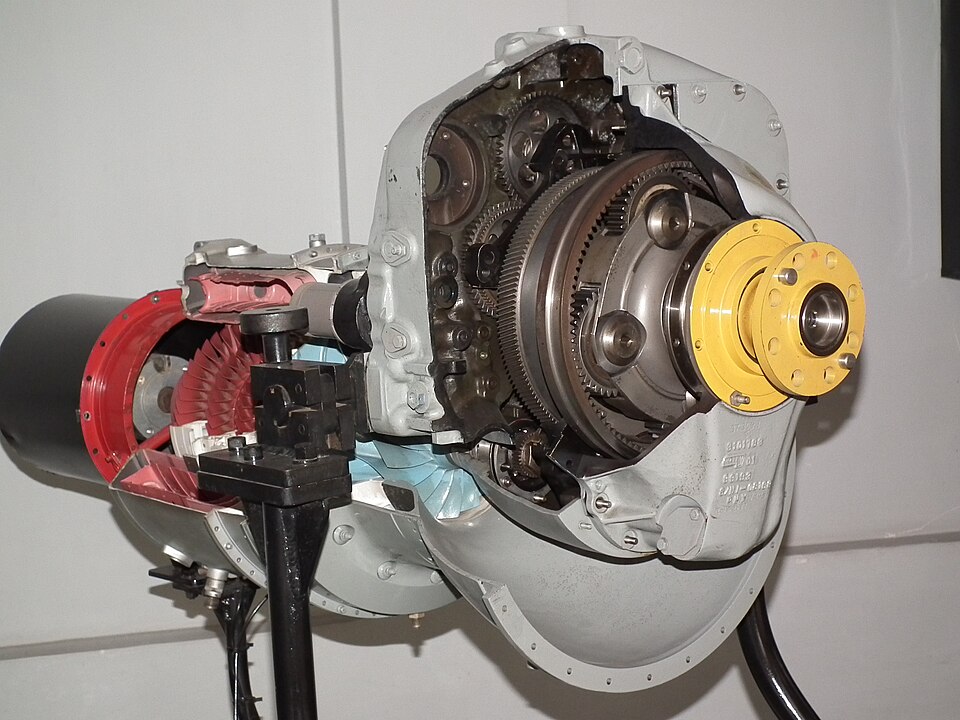
The Rotax 912 came from a different world entirely. It is a smaller, high-revving engine with a gearbox that slows the crankshaft speed down before it reaches the propeller. It uses a mix of liquid and air cooling, electronic ignition, and a much smaller fuel appetite. It feels modern because it is modern.
Fun Fact: Rotax built its reputation on snowmobile and powersports engines long before it became a major name in aviation. Early builders started bolting Rotax two-stroke engines onto ultralights, and the company leaned into that demand by developing the four-stroke 912 family.
Neither approach is wrong. They simply solve the same problem from different angles. Understanding those angles is the key to picking the right one.
Meet the Rotax 912
The Rotax 912 is a horizontally opposed, four-cylinder, four-stroke aircraft engine built by BRP-Rotax in Austria. It has become one of the most common powerplants in light sport and homebuilt aviation, and the company reports that its four-stroke engine family has logged tens of millions of flight hours worldwide.
How the Rotax 912 Is Built
A few design choices make the 912 stand apart from older engines:
- Hybrid cooling. The cylinder heads are liquid-cooled while the cylinders themselves are air-cooled. This helps the engine run at steadier temperatures.
- Reduction gearbox. The engine spins fast, but a gearbox slows the output down so the propeller turns at a sensible speed. This lets the engine make power efficiently while keeping the prop happy.
- Dual electronic ignition. No traditional magnetos here. The 912 uses electronic ignition for reliable, low-fuss spark.
- Light construction. The whole package is compact and relatively light, which matters a lot on small airframes.
Good to Know: The 912's liquid-cooled heads paired with air-cooled cylinders give it a more stable temperature profile than a fully air-cooled engine, which can help reduce thermal shock during rapid power changes.
Rotax 912 Variants at a Glance
The 912 line can confuse newcomers because there are several versions. Here is the short version:
| Variant | Power | Fuel System |
| 912 UL | ~80 hp | Carbureted |
| 912 ULS | ~100 hp | Carbureted |
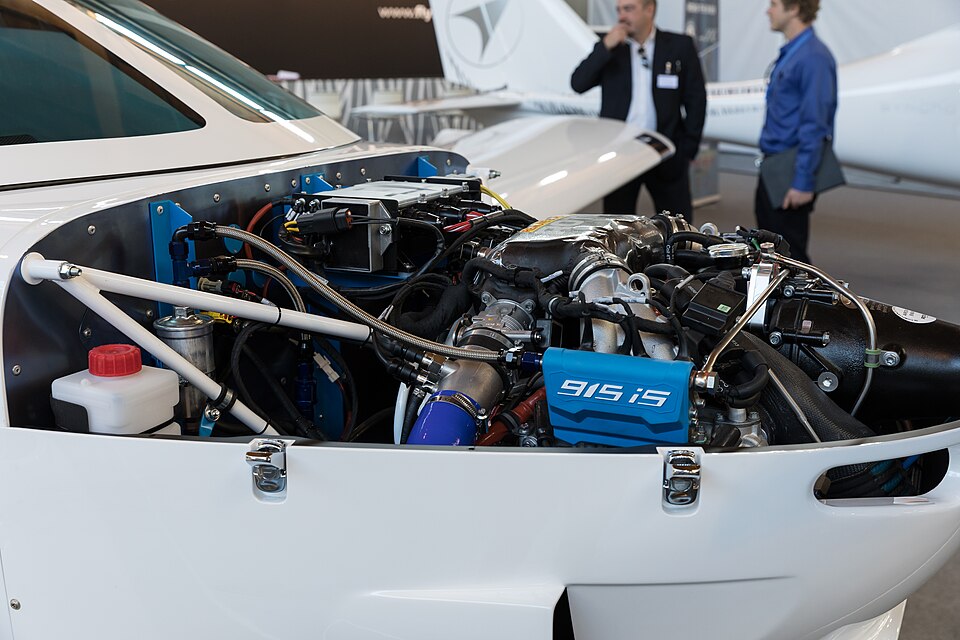
| 912 iS | ~100 hp | Fuel injected |
The Rotax 912 ULS is the most widely installed 100 hp version and the one most people mean when they compare it to the O-200. The 912 iS swaps the carburetors for fuel injection and electronic engine management, which trims fuel burn even further. If you want to see where the fuel-injected models sit in the broader family, the rundown of the most powerful Rotax engines puts the whole lineup in context.
Meet the Continental O-200
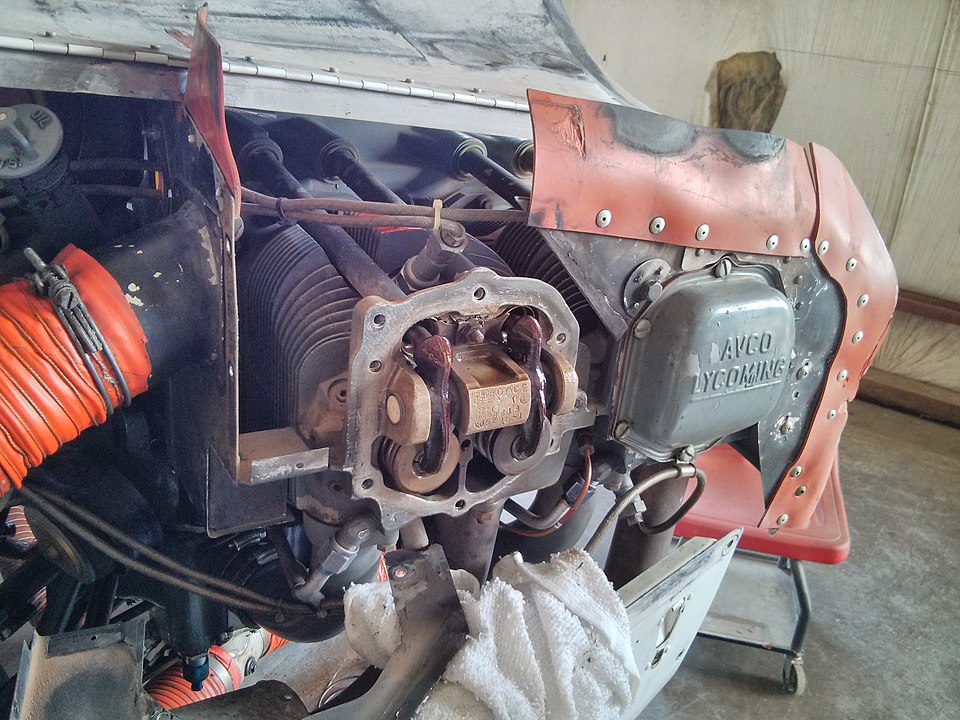
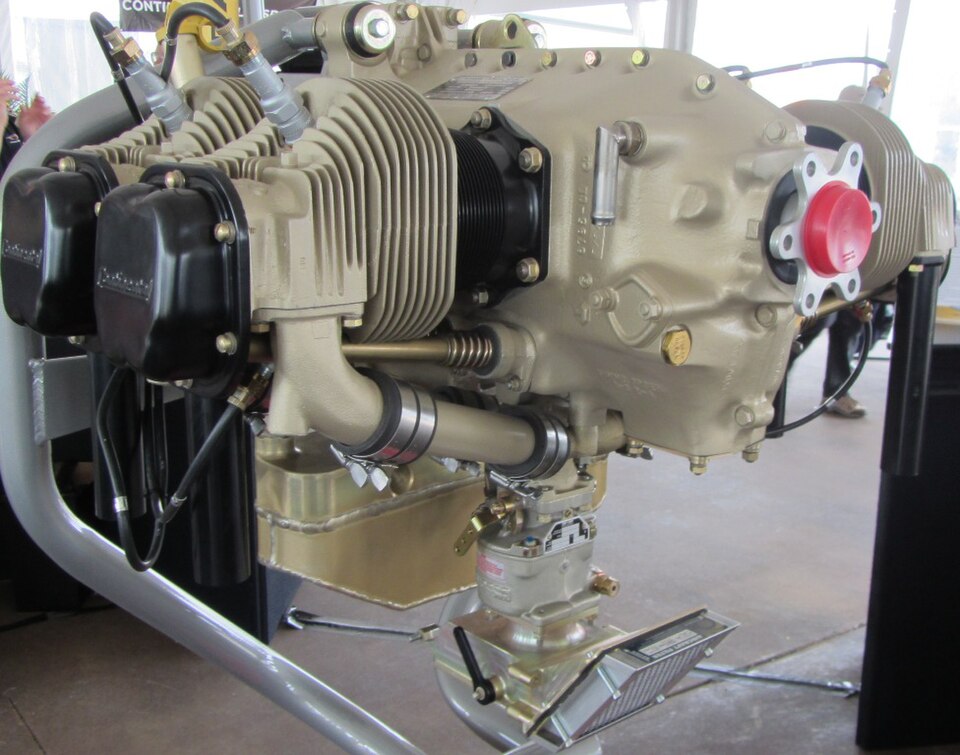
The Continental O-200 is also a horizontally opposed, four-cylinder, four-stroke engine, but it traces its roots back to the 1940s. It is a direct-drive, air-cooled design that produces about 100 horsepower at 2,750 rpm. Simplicity is its calling card.
How the Continental O-200 Is Built
The O-200 keeps things straightforward:
- Full air cooling. No coolant, no radiator, no water pump. Air flowing over the cylinders does all the work.
- Direct drive. The propeller bolts to the crankshaft. No gearbox sits between them, so there is one less system to maintain.
- Magneto ignition. Traditional dual magnetos fire the spark plugs, a setup mechanics have understood for generations.
- Big, slow displacement. With 201 cubic inches and a low compression ratio, it makes its power calmly at low rpm.
The O-200 comes mainly in two flavors that matter to builders. The original O-200-A is the heavier, time-tested version. The later O-200-D was redesigned to shed weight for the light sport market and powered the Cessna 162 Skycatcher.
Why It Matters: Because the O-200 is fully air-cooled and direct-drive, it has fewer systems that can fail. For pilots who value mechanical simplicity over efficiency, that lower part count is a real selling point.
Where You'll Find the O-200
This engine has a long résumé. It is best known as the powerplant of the Cessna 150, and it shows up across a wide range of classic light aircraft and homebuilt designs. Because so many were built, used cores and yellow-tagged parts are common on the second-hand market. That history is part of why builders still reach for it today.
Rotax 912 vs Continental O-200: The Key Differences
Now for the heart of the matter. When you line up the Rotax 912 against the Continental O-200, the differences fall into clear buckets. Here are the ten that actually change your flying and your wallet.
1. Cooling system. The Rotax uses liquid-cooled heads with air-cooled cylinders, while the O-200 relies on air alone. The Rotax setup holds temperatures steadier, but it adds a radiator, coolant, and hoses you have to maintain. The O-200 has nothing to leak, but it is more sensitive to shock cooling if you chop the throttle and descend fast.
2. Direct drive versus reduction gearbox. The O-200 bolts the prop straight to the crank. The Rotax routes power through a reduction gearbox so the fast-spinning engine can drive a slower, more efficient propeller. The gearbox is a brilliant solution, but it is one more component to inspect and service over time.
3. RPM and engine character. This is the difference you feel. The O-200 turns slowly, around 2,750 rpm at full power, and has a deep, lazy, classic-airplane sound. The Rotax spins much faster, near 5,800 rpm at takeoff, then gears down. To a pilot used to a Continental, a running Rotax can sound busy at first. Many describe the Rotax as smoother and quieter once you are used to it.
Keep in Mind: A higher engine rpm on the Rotax does not mean the propeller is spinning faster. The gearbox brings the prop speed back down to a normal range, so the airplane is not screaming through the air the way the tachometer might suggest.
4. Weight. Weight is where the Rotax shines. It is the lighter engine, often by a noticeable margin once everything is installed. On a small airframe, shedding pounds up front improves climb, balance, and useful load. The O-200-A is the heavier option, and even the trimmed-down O-200-D usually still carries more weight than a 912.
5. Fuel type and fuel burn. The Rotax is happy on premium automotive gasoline, and it can also run on 100LL avgas. The O-200 is designed around avgas, though many run on mogas through a supplemental type certificate. On burn, the Rotax is the sipper. It often runs in the range of three to four gallons per hour, while the O-200 frequently lands closer to five or six gallons per hour, depending on how it is flown. Over hundreds of hours, that gap adds up.
Pro Tip: If you plan to feed your engine automotive gas, watch the ethanol content closely. The Rotax 912 tolerates regular mogas well, but high ethanol blends can cause problems with fuel system parts over time.
6. Ignition and fuel delivery. The O-200 uses traditional magnetos and a carburetor. The Rotax uses dual electronic ignition, with either dual carburetors (on the ULS) or full fuel injection (on the iS). The Rotax setup is more modern and often easier to start in cold weather, but it leans on electrical power that the magneto-based O-200 does not need.
7. Maintenance and service network. Here the O-200 has a clear edge for many owners. Continental and Lycoming mechanics are nearly everywhere, and the O-200 is a familiar engine in almost any shop. Rotax service is more specialized. Authorized Rotax centers are spread thinner, and some heavy overhaul work is restricted to those centers rather than your local A&P.
8. Parts and availability. Because so many O-200 engines were built over the decades, used cores and certified parts are widely available, sometimes at attractive prices. Rotax parts come through a global authorized network that is well organized but more controlled, and certain time-based replacement parts can surprise you at the bill.
9. Cost of ownership. This one is a balancing act. The Rotax saves money on fuel and can pay you back over the life of the engine. But some of that saving comes back at maintenance and overhaul time, especially with calendar-based rubber and hose replacements. The O-200 costs more to feed but can be cheaper and easier to work on in many regions.
10. Aircraft fit. The Rotax 912 was practically made for modern light sport aircraft, ultralights, and clean-sheet kit designs. The O-200 fits classic airframes and builds where simplicity, ruggedness, and easy parts matter more than squeezing out every drop of fuel.
Looking to put one of these engines on a real airframe? Flying411's marketplace lists new and used aircraft along with overhauled engines and certified parts, so you can match the powerplant to the airplane in one place.
Side-by-Side Spec Comparison
Sometimes it helps to see everything in one view. Keep in mind these are approximate figures that vary by exact variant and installation.
| Spec | Rotax 912 (100 hp) | Continental O-200 |
| Power | ~100 hp at 5,800 rpm | ~100 hp at 2,750 rpm |
| Layout | Flat-four, four-stroke | Flat-four, four-stroke |
| Cooling | Liquid heads, air cylinders | Air-cooled |
| Drive | Reduction gearbox | Direct drive |
| Displacement | ~1.2 to 1.4 liters | 201 cu in (3.29 L) |
| Ignition | Dual electronic | Dual magneto |
| Fuel system | Dual carbs or injection | Carburetor |
| Weight | Lighter | Heavier |
| Fuel | Mogas or 100LL | 100LL (mogas via STC) |
| Typical burn | ~3 to 4 gph | ~5 to 6 gph |
| Recommended TBO | Up to ~2,000 hrs | ~2,000 hrs or 12 years |
The pattern is consistent. The Rotax wins on weight and efficiency. The Continental wins on simplicity and ease of service. Almost everything else flows from those two truths.
Heads Up: A published time between overhaul is a manufacturer recommendation, not a hard legal limit for most non-commercial operations. Real-world engine life depends heavily on how the engine is flown, stored, and maintained.
Maintenance Realities of the Rotax 912
If you choose the Rotax, it pays to understand its routine, because it asks for a slightly different rhythm than a classic Continental. None of it is hard. It is just different, and skipping steps can cause headaches.
A few owner habits come up again and again:
- Before the first start of the day, many owners practice burping the engine to move oil out of the tank and confirm the system is ready.
- The carbureted versions need their carburetors kept in sync, and balancing the carburetors is a normal part of keeping the engine smooth.
- Routine oil changes follow the manufacturer schedule and use approved oil for the fuel you run.
- New owners should learn the proper Rotax 912 starting procedure, which differs from a magneto-and-mixture Continental routine.
- It helps to understand how often the engine needs servicing so nothing sneaks up on you.
- Liquid cooling means a periodic coolant change belongs on the calendar, which is something the air-cooled O-200 never asks for.
Quick Tip: Burping a Rotax before start takes only a moment, but it protects against a dry start and helps the oil system prime properly. Make it part of your preflight habit and it becomes second nature.
The O-200 maintenance picture is more familiar to traditional pilots. Oil changes, compression checks, magneto care, and carburetor attention follow the same pattern that general aviation has used for decades. Many owners like that they can hand it to almost any shop and be understood.
How Each Engine Compares to the Rest of the Field
The Rotax 912 and the Continental O-200 do not live in a vacuum. Both sit inside a crowded field of small aircraft engines, and seeing the neighbors helps you judge the matchup.
On the Rotax side, the 912 is the entry point to a wide family. Builders often weigh it against other lightweight options, such as the Rotax against the UL Power 350i or the air-cooled Jabiru 3300. Pilots who want more muscle look further up the line, where the turbocharged models like the 914 and 915 versions raise the power and the price. At the top end, comparisons such as the turbocharged 916 against the IO-360 and the 916 versus the Titan 340 show how far the platform stretches. And if you are coming from the ultralight world, the jump from a two-stroke to a four-stroke shows up clearly in the 912 next to the older 582.
On the Continental side, the O-200's most natural rival is another classic light engine. The head-to-head of the O-200 next to the Lycoming O-235 covers the trade-offs between two engines that have shared the training fleet for generations.
Seeing both engines inside their families makes the core point clear. The Rotax represents the modern, efficiency-first branch of light aviation. The Continental represents the simple, proven, parts-everywhere branch. Your build leans toward one branch or the other.
Which Engine Is Right for Your Build
There is no universal winner in the Rotax 912 vs Continental O-200 debate. There is only the right answer for your airplane and your priorities. Here is a simple way to sort it out.
Choose the Rotax 912 If
- You want the lightest practical engine for a small airframe.
- Fuel cost matters to you, and you plan to fly a lot of hours.
- You like running on automotive gas and saving on every fill-up.
- Your airframe was designed around a Rotax, as many modern light sport aircraft engine installs are.
- You value smooth, modern operation and do not mind a specialized service network.
Choose the Continental O-200 If
- Simplicity and ruggedness rank higher than fuel efficiency for you.
- You want an engine almost any mechanic can service.
- You like the deep pool of used cores and affordable parts.
- Your build is a classic airframe or a design that expects a direct-drive, air-cooled engine.
- You prefer magneto ignition that does not depend on the electrical system.
Good to Know: Many builders who choose the O-200 cite peace of mind about service access as the deciding factor, while many who choose the Rotax point to long-term fuel savings. Both are valid reasons, and they reflect honest trade-offs rather than a clear right or wrong.
Ready to compare real listings? Browse Flying411 to find aircraft, engines, and certified parts, and to connect with the mechanics and service shops that keep both Rotax and Continental engines flying.
Conclusion
The Rotax 912 vs Continental O-200 question really comes down to philosophy.
The Rotax is the lighter, thriftier, more modern choice that rewards you at the fuel pump and asks for a specialized maintenance routine in return.
The Continental O-200 is the simpler, heavier, time-tested choice that any shop can handle and that thrives on cheap parts and proven habits.
Both make about 100 horsepower. Both have earned the trust of pilots over many years. The better engine is simply the one that matches your airframe, your flying, and your tolerance for either modern systems or old-school simplicity.
Once you know which way you lean, the next step is finding the right engine and the right airframe to put it on.
Start your search the smart way at Flying411, where buying, selling, and servicing aircraft all live under one roof, and where your next engine might already be waiting.
Frequently Asked Questions
Is the Rotax 912 more reliable than the Continental O-200?
Both engines have strong reliability records when maintained properly, so neither is clearly more reliable than the other. The Rotax depends on disciplined, schedule-based maintenance, while the O-200 rewards traditional care and regular use.
Can the Continental O-200 run on the same fuel as the Rotax 912?
The Rotax 912 runs comfortably on premium mogas or 100LL avgas, while the O-200 is built around avgas and can use mogas only through an approved supplemental type certificate. Always confirm the approvals for your specific aircraft before switching fuels.
Why does the Rotax 912 spin so much faster than the O-200?
The Rotax is designed to make power at high rpm and then use a reduction gearbox to slow the propeller down. The O-200 makes power at low rpm and drives the propeller directly, so it never needs to spin as fast.
Which engine is cheaper to own over time?
It depends on how you fly. The Rotax usually saves money on fuel, while the O-200 often saves on maintenance access and parts, so the cheapest engine over the long run varies with your hours and your location.
Is the Rotax 912 or O-200 better for a light sport aircraft?
Many modern light sport aircraft are designed around the Rotax 912 because of its low weight and fuel efficiency. The O-200, especially the lighter O-200-D, still works well in light sport designs that favor simplicity and easy servicing.