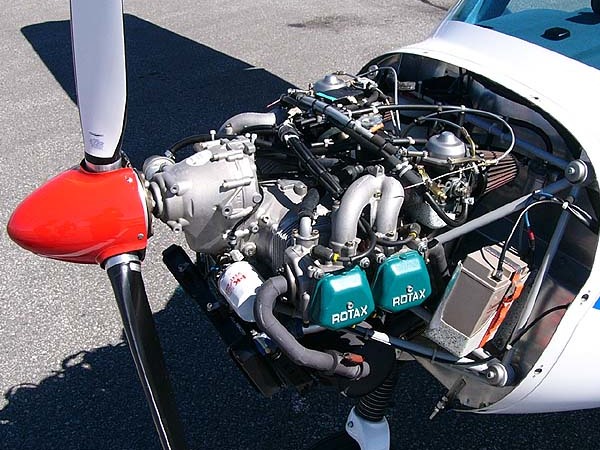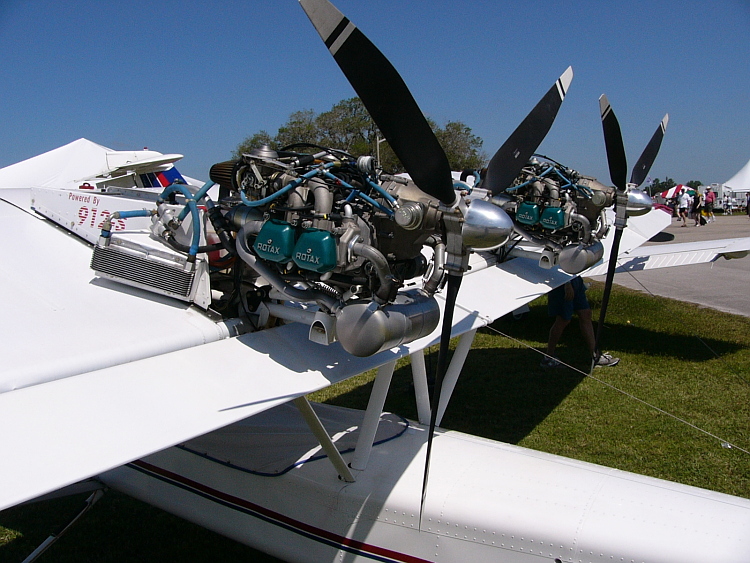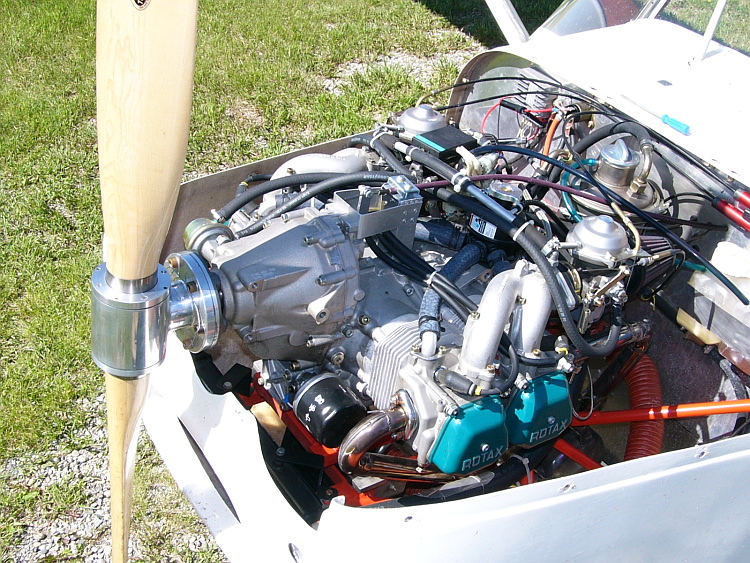
If you fly behind a Rotax 912, you have probably heard pilots talk about "burping" the engine before they check the oil. It sounds funny the first time. Engines do not really burp.
But the name fits, because the sound you listen for is a soft gurgle coming from the oil tank. Knowing how to burp a Rotax 912 is one of the first habits every owner picks up, and it takes only a minute once you get the feel for it.
The reason comes down to how this little engine is built. The Rotax 912 keeps its oil in a separate tank, not in the bottom of the engine.
While the plane sits, some of that oil slips down into the engine. If you check the oil right then, the tank looks low even when there is plenty in the whole system. Add oil based on that false reading, and you can end up with a slippery mess blowing out the breather.
Getting an honest oil reading takes a bit more than a quick peek at the dipstick. An accurate number hides behind one small, strange sound, and once you know it, you will never miss it.
Key Takeaways
To burp a Rotax 912, turn off the ignition, remove the oil tank cap, and rotate the propeller by hand in the normal direction of engine rotation until you hear a clear gurgle from the oil tank. That gurgle means the oil has been pushed back into the tank, so the dipstick will finally show a true reading. Only after you hear it should you check the oil level and top up if needed. The whole point is a reliable reading, which keeps you from overfilling and making a mess.
| Question | Quick Answer |
| Why burp at all? | The 912 uses a dry sump, so oil drains into the engine while it sits. Burping sends it back to the tank. |
| How do you do it? | Ignition off, oil cap off, turn the prop by hand in the normal rotation direction. |
| What do you listen for? | A gurgle or murmur from the open oil tank. |
| How many turns? | A few when warm. Many more when the oil is cold. |
| When do you check oil? | Only after you hear the gurgle. |
| Biggest risk? | Overfilling because of a false low reading. |
Flying411 is an aviation marketplace and resource hub where Rotax owners find aircraft, parts, and trusted maintenance pros, along with plain-language guides like this one.
What Burping a Rotax 912 Actually Means
Burping is just a friendly word for moving oil back where it belongs before you measure it. On a Rotax 912, the oil lives in its own tank, separate from the engine. The engine pumps oil out of that tank, runs it through all the moving parts, and then pumps it back into the tank. Two pumps, one loop.
When the engine is running, oil moves through that loop without a problem. When you shut down and the plane sits for a while, gravity goes to work. A small amount of oil seeps out of the tank and settles down inside the engine case. The longer it sits, the more can drain back.
So when you open the tank cap to check the oil, part of your oil is hiding inside the engine. The dipstick reads low. Burping pushes that hidden oil back into the tank, so the number you see is real.
Good to Know: The main reason Rotax asks you to burp is simple. It is the only way to get a trustworthy oil level reading on a dry sump engine. It is not mainly about preventing a locked-up cylinder, even though turning the prop by hand does give you a nice feel for the engine's compression along the way.
Why the Rotax 912 Needs Burping in the First Place
Most older piston aircraft engines, like the ones you find in a classic trainer, hold their oil in a pan at the bottom of the engine. That is called a wet sump. The dipstick goes straight into that pan, so checking oil is quick and easy. The Rotax 912 works differently, and that difference is the whole story.
The Dry Sump Oil System, Explained
The Rotax 912 uses a dry sump oil system. Instead of keeping oil in a pan under the engine, it stores oil in a tank mounted nearby. One pump draws oil from the tank and feeds it to the engine under pressure. A second scavenge action collects the used oil and returns it to the tank.
This design has real benefits. It lets Rotax build a shorter, more compact engine. It keeps oil flowing well even during steep climbs and turns. And it helps the engine stay lighter, which matters a lot on a light sport aircraft.
The trade-off is the daily oil check. Because the oil and the engine are in two different places, you cannot just trust the dipstick the moment you walk up to the plane.
Where the Oil Goes While the Plane Sits
Here is the part that surprises new owners. When the engine is off, oil can creep from the tank back through the lines and settle inside the crankcase. It does not all drain out, because the pickup tube does not reach the very bottom of the tank. But enough moves to throw off your reading.
Think of it like a sink with two basins joined by a pipe. Pour water in one side, walk away, and the level in both sides shifts on its own. To read one basin honestly, you first need to move the water back where you want it. Burping does exactly that for your oil.
Why It Matters: A false low reading is the trap. If you add oil to "fix" a level that only looked low, you slowly creep toward an overfill. Too much oil in a Rotax 912 can get forced out through the venting system, coat the belly of your plane, and make a real mess. The burp keeps you honest.
What to Have Ready Before You Start
You do not need any special tools to burp a Rotax 912. You mostly need a calm minute and a little care around the propeller. Here is a short checklist before you begin:
- A level spot to park, with the brakes set or the wheels chocked
- Both ignition circuits switched off, and the key out if your plane uses one
- A clean rag to wipe the dipstick
- Clear space around the propeller arc, with no people or pets nearby
- Your engine's manual handy if it is your first time
Heads Up: Always treat the propeller as if the engine could start, even though a properly shut-down Rotax has no spark waiting. Switch off both ignition circuits first. Stand where a sudden kick would not catch you. Respect for the prop is a habit that keeps every part of you attached.
How to Burp a Rotax 912 in Seven Simple Steps
Once you have done it a few times, this whole routine takes about a minute. Follow these steps in order, and go slow the first time so you learn the sound and the feel.
- Park level and secure the plane. Set the brakes or chock the wheels so nothing rolls while you work near the prop.
- Turn the ignition fully off. Switch off both ignition circuits and remove the key if you have one. Double-check it. This is your safety step.
- Open the oil tank. Find the oil tank, twist off the cap, and pull out the dipstick. Leaving the tank open lets you hear the gurgle and lets air move freely.
- Get a safe grip on the prop. Stand clear of the spin path. Hold a blade close to the hub where you have the most control.
- Turn the prop in the normal direction. Rotate the propeller smoothly in the same direction the engine normally spins. Never turn it backward, since that can pull air into the oil pump.
- Keep turning through the firm spots. You will feel the prop get harder to turn, then ease, as each cylinder reaches compression. Keep going through several of these bumps.
- Listen for the gurgle. At some point you will hear a soft gurgle or murmur from the open oil tank. That is air finally returning to the tank, which means the oil has been pushed back home. Some owners turn until they hear it twice, just to be sure.
- Check the oil and close up. Now read the dipstick, top up only if you truly need to, wipe the cap threads, and seal the tank.
That is the full burping procedure. The hardest part is trusting your ears the first time. After a week or two it becomes second nature.
Pro Tip: Rest your free hand or even your ear near the oil tank as you turn the prop. The gurgle can be quiet, especially in a noisy hangar or on a breezy ramp. Getting close makes it easy to catch the exact moment the engine "talks back."
Need a second set of eyes on your Rotax? Flying411 connects owners with certified A&P mechanics and Rotax-savvy shops who handle oil service, inspections, and routine care.
How to Tell When the Engine Has Burped
The gurgle is your green light. Up to that point, you are pushing oil through the system. The sound tells you the oil has been returned to the tank and air is now passing through. Once you hear it, the dipstick reading you take will be the real one.
The number of turns it takes can vary a lot. If you just flew, or the plane has only been parked an hour, very little oil has drained back. You might hear the gurgle almost right away. If the plane has sat for days, expect more turns before it sounds off.
There is also a neat side benefit. As you turn the prop through each compression bump, you are doing an informal check that all four cylinders are holding pressure and that nothing feels wrong. Many seasoned Rotax pilots like that little bit of extra reassurance every morning.
Keep in Mind: Sometimes the engine just will not gurgle, and that is okay. If it has been run recently and barely any oil drained back, there may be nothing to push. After a fair number of turns with no sound, go ahead and read the dipstick anyway, and only add oil if it is clearly low.
Reading the Oil Level the Right Way
Once you have burped the engine, the actual oil check is the easy part. Treat it like any dipstick reading, with one or two Rotax-specific notes.
Reading the Dipstick
Pull the dipstick, wipe it clean with your rag, drop it back in, and pull it again for a clean reading. The oil tank has a dipstick built into the cap on most installations. You want the level to sit between the minimum and maximum marks, and never below the minimum.
For a quick comparison of where you want to land, here is a simple guide:
| Reading | What It Means | What to Do |
| At or near max | Full and ready | Fly. No oil needed. |
| Mid-range | Plenty for normal flying | Fly. Keep an eye on it. |
| Just above min | Getting low | Top up a little before longer trips. |
| At or below min | Too low | Add oil before you fly. |
Rotax suggests keeping the level toward the upper part of that range, especially before a longer flight. A higher starting point gives you more cushion.
How Much Oil the 912 Should Hold
The full Rotax 912 oil system holds about three liters, give or take, depending on the model and filter. The exact figure is in your engine manual, so check it for your specific variant. The good news is that the gap between the minimum and maximum marks on the dipstick is fairly small, often around half a liter. That means a little oil goes a long way.
Because that gap is small, it is easy to overshoot. Add oil slowly. Pour a small amount, let it settle, then re-check. It is far easier to add a touch more than to drain off an overfill.
Quick Tip: When you do an Rotax 912 oil check after a flight, while the engine is still warm, the oil flows back to the tank more easily and reads more accurately. Cold oil is thick and stubborn. A warm check is a great way to catch a slowly dropping level before it becomes a surprise.
Common Burping Mistakes to Avoid
Most burping problems come from rushing or from habits carried over from other engines. Keep an eye out for these:
- Skipping the burp and trusting a cold dipstick. This is the classic overfill setup. The tank looks low, you add oil, and over a few checks you end up too full.
- Turning the prop backward. The oil pump is built to pull in one direction. Spinning the prop the wrong way can draw air into the system, which is the opposite of what you want.
- Forgetting to switch off the ignition. A Rotax should have no spark after a proper shutdown, but you never bet your fingers on "should."
- Adding a big slug of oil at once. With such a small min-to-max gap, a heavy pour can push you over the top mark fast.
- Checking in the cold and over-correcting. Thick winter oil clings to the inside of the engine even after a burp, so a slightly low reading can fool you into adding too much.
- Sealing the cap before the gurgle. If the tank is capped, air cannot move and you will not hear the sound that tells you the oil is home.
A steady, unhurried routine clears up almost all of these. Burp first, listen, then check, then add slowly.
When and How Often to Burp Your Rotax 912
A good rule of thumb is to burp before the first flight of the day, or any time the plane has been parked long enough for oil to drain back. If you fly several times a week and the level always looks right, some owners just pull the prop through a couple of turns for a feel-good compression check and a quick glance. Still, the full burp gives the most reliable reading, so it is the safe default.
Cold weather changes the game. When the oil is cold and thick, it moves slowly, and the engine can take many more turns before it gurgles. Owners in cold climates sometimes report dozens of turns on a frosty morning. Turning the prop a little slower, and pausing at each compression bump to let the cylinder pressure bleed down, often helps it burp with less effort.
This patience is part of good Rotax 912 maintenance. The engine is famously reliable, but it rewards owners who learn its rhythms. The burp is the simplest of those rhythms, and it is one you will do hundreds of times over the life of the engine.
How the Rotax 912 Compares to Other Engines
The Rotax 912 sits in a busy field of light aircraft engines, and owners love to weigh it against the alternatives. Some shoppers compare it against the UL Power 350i, a direct-drive option with its own loyal fan base. Others line it up next to the Jabiru 3300, an air-cooled six that reaches similar power a different way.
Newer Rotax models spark their own debates, like the 916 versus the IO-360 and the matchup between the 916 and the Titan 340. There is even the classic family split between the four-stroke 912 and the two-stroke 582, two engines that could not feel more different on the controls.
Step outside the Rotax world and the comparisons keep going. Legacy fans often line up the Continental O-200 and Lycoming O-235 against each other and against the 912. Within Rotax itself, the turbocharged 914 and 915 each add high-altitude muscle in their own way. And if raw output is what you care about, it helps to know which sit among the most powerful Rotax engines on the market today.
What ties all these engines together for an owner is the daily care. The dry sump and the burp are simply the Rotax way of doing things, and they are a small price for a compact, light, long-running engine.
Fun Fact: The Rotax 912 first ran back in the 1980s and has been in production for decades, which is part of why it is so widely trusted in light sport and ultralight flying. It is said to power more new light aircraft today than almost any other engine in its class.
Ready to buy, sell, or service a Rotax-powered aircraft? Browse listings and find trusted aviation pros on Flying411 today.
A Few Words on Oil Itself
Since the whole burp routine exists to protect your oil level, it is worth a quick word on the oil you pour in. A Rotax 912 does not use traditional "ashless" aviation oils. It is happier with a quality motorcycle-type oil that meets Rotax's current specification, because that engine shares a lot of design ideas with high-revving motorcycle engines.
The right grade also depends on the fuel you burn. Running leaded avgas now and then changes what your oil has to handle, so the spec matters. The safest move is to follow the latest Rotax service instruction for your exact engine and fuel, rather than guessing. When the burp gives you an honest Rotax 912 oil level, the right oil keeps that engine smiling for the long haul.
Conclusion
Once you slow down and listen, learning how to burp a Rotax 912 turns from a strange chore into a thirty-second habit you barely think about. Turn off the ignition, open the tank, spin the prop the right way, wait for that little gurgle, and then read the dipstick. The sound is the engine telling you it is ready to be measured.
Trust it, add oil slowly, and you will sidestep the overfill traps that catch so many new owners.
The Rotax 912 has earned its reputation by being tough, light, and dependable. It asks for only a few small habits in return, and the burp is the friendliest one of them all.
Keep your Rotax happy, fly more, and when you are ready for your next aircraft, parts, or trusted mechanic, let Flying411 point you in the right direction.
Frequently Asked Questions
Can you damage a Rotax 912 by turning the prop backward to burp it?
Turning the prop backward can pull air into the oil pump, which works as a suction pump in one direction. Always rotate in the normal direction of engine rotation to keep the system primed.
Do you have to burp a Rotax 912 before every single flight?
Many owners burp before the first flight of the day or any time the plane has sat for a while. If you fly often and the level always reads normal, a couple of turns may be enough, though a full burp always gives the most reliable reading.
What does it mean if the engine never gurgles?
Sometimes very little oil has drained back, especially right after a flight, so there is almost nothing to push and you may hear nothing. After a fair number of turns with no sound, read the dipstick anyway and add oil only if it is clearly low.
Can you burp a Rotax 912 by running the engine instead of by hand?
Yes. Letting the engine idle for about a minute returns oil to the tank in much the same way. Many pilots still prefer the by-hand method during preflight because it doubles as a quick compression check.
What kind of oil does a Rotax 912 take?
A Rotax 912 uses a motorcycle-type oil that meets Rotax's current specification, not traditional ashless aviation oil. Check the latest Rotax service instruction for your engine and the fuel you burn before choosing a grade.