The Rotax 916 iS and the Lycoming IO-360 both sit in the same 160-horsepower class, yet they couldn't be more different under the cowling. One is a modern, turbocharged marvel built from decades of light-aircraft refinement. The other is a time-tested workhorse that has powered trainers, backcountry haulers, and weekend flyers for generations. Both make a strong case — and both will let you down if you pick the wrong one for your mission.
Understanding the differences between Rotax 916 vs IO-360 matters right now more than ever. The FAA's MOSAIC rule changes are expanding the definition of light sport aircraft, which means more pilots and builders are weighing whether to go the modern Rotax route or stay with a proven Lycoming engine. Understanding what each powerplant actually delivers — not just on paper but in the real world — is the key to making a smart choice.
Before picking an engine, it helps to understand how each one got here in the first place.
Key Takeaways
The Rotax 916 iS and the Lycoming IO-360 both produce around 160 hp at takeoff, but they achieve that number in very different ways. The Rotax 916 is a turbocharged, electronically managed engine that weighs roughly 90 lbs less than the IO-360, runs cooler, burns less fuel per hour at cruise, and maintains strong power at high altitude. The Lycoming IO-360 is a naturally aspirated, direct-drive engine with decades of proven reliability, simple maintenance, wide parts availability, and lower upfront cost — especially in the used and experimental markets. Neither engine is the right answer for every airplane. Your choice should hinge on aircraft type, intended use, altitude, fuel availability, and budget.
| Factor | Rotax 916 iS | Lycoming IO-360 |
| Takeoff Power | 160 hp (5 min) | 180–200 hp continuous |
| Max Continuous Power | ~137 hp | 180–200 hp |
| Dry Weight | ~189 lbs | ~270–295 lbs |
| TBO | 2,000 hours | 2,000 hours |
| Fuel Type | Mogas / UL94 / 100LL | 100LL (primarily) |
| Cruise Fuel Burn | ~9–10 GPH | ~10–12 GPH |
| Altitude Performance | Strong (turbocharged) | Decreases above ~8,000 ft |
| Typical Use | LSA, experimental, 4-seat kits | Certified GA, experimental |
| Approx. New Engine Cost | ~$50,000–$54,000 | ~$25,000–$37,000 |
| RPM (Max) | 5,800 (crank) / ~2,280 (prop) | 2,700 (direct drive) |
Prices and specs are approximate and subject to change. Always verify with current manufacturer data.
Flying411 is your go-to resource for straightforward, honest comparisons of aircraft engines, avionics, and ownership decisions. If you're still sorting through engine options, Flying411 has you covered.
A Tale of Two Philosophies
Before diving into specs, it helps to understand where each of these engines comes from — because their origins explain nearly every tradeoff you'll encounter.
The Lycoming IO-360: Born from Big Aviation
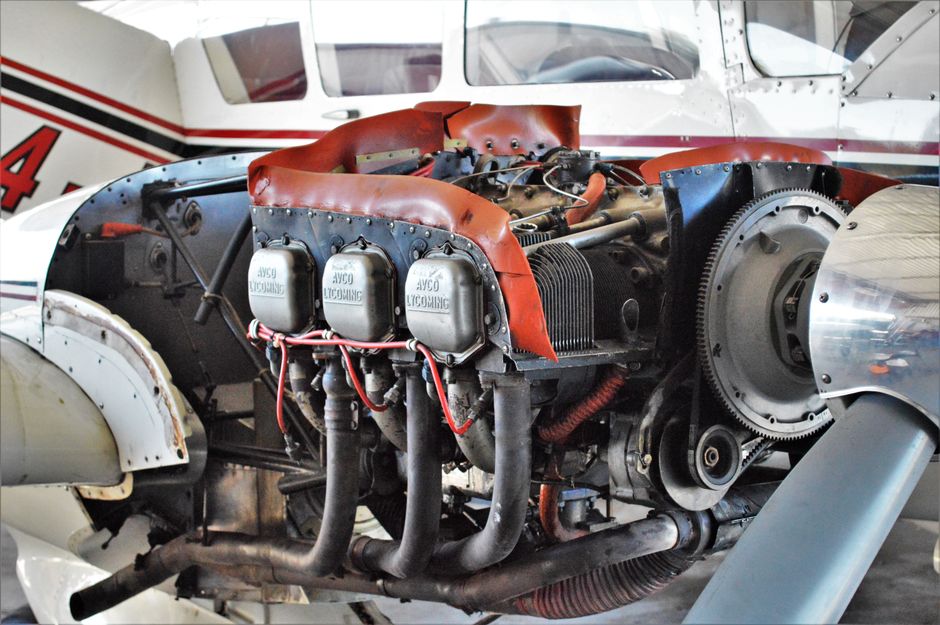
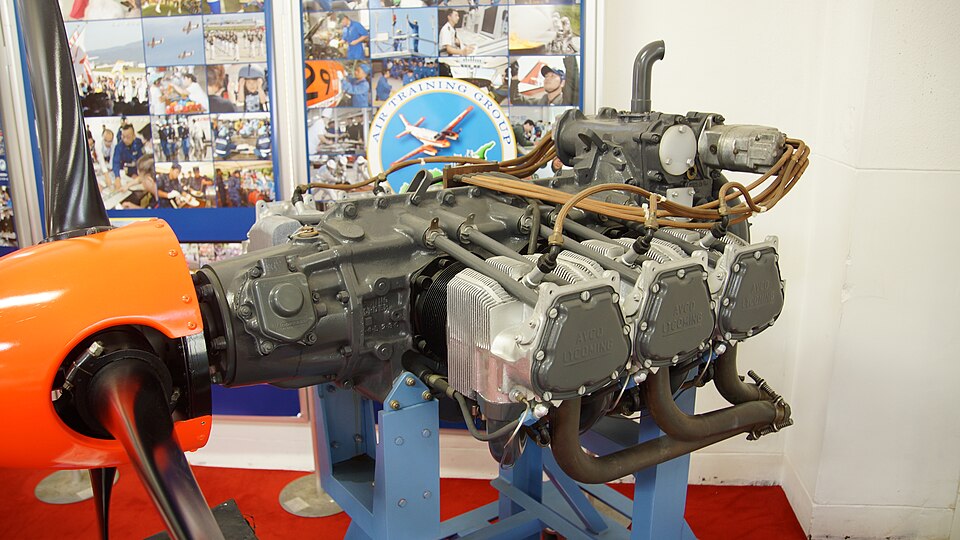
Lycoming has been building aircraft engines since the early days of general aviation. The IO-360 — where "I" stands for fuel-injected and "O" stands for opposed — is part of the broad O-360 family first certified in the mid-1950s. It's a naturally aspirated, direct-drive, air-cooled four-cylinder engine with a displacement of 361 cubic inches.
Over the decades, Lycoming refined the O-360 into numerous variants. The IO-360 specifically delivers fuel injection for better throttle response, smoother operation at altitude, and improved fuel efficiency compared to the carbureted O-360. Variants span a wide horsepower range. The most commonly discussed in the 160-hp space is the parallel-valve IO-360, while the angle-valve versions push up to 200 hp.
If you want a deeper dive into Lycoming's naturally aspirated lineup, the comparison between the O-360 and IO-360 is a great place to start.
Good to Know: The IO-360 family has been installed in thousands of aircraft including the Piper Cherokee, Grumman Tiger, and various Cessna and Mooney models. That kind of install base means mechanics everywhere know this engine.
The Rotax 916 iS: A Different Kind of Power
BRP-Rotax, the Austrian manufacturer behind the Rotax engines lineup, started in ultralights and light sport aircraft. The beloved Rotax 912 — still the bestselling Rotax to this day — debuted in 1992 at 80 hp. Its architecture was updated and upsized over the years, eventually giving rise to the turbocharged Rotax 915 iS and then the 916 iS, which finally broke into the 160-hp class.
<br>
The 916 iS produces those 160 horses from just 83 cubic inches of displacement — a remarkable engineering feat. It achieves this through aggressive turbocharging, an intercooler, and a fully electronic fuel injection and ignition system managed by dual Engine Control Units (ECUs). Everything the Lycoming does with simple, proven hardware, the Rotax accomplishes with sophisticated software.
The 916iS arrived on the market around 2022–2023 and immediately attracted attention from builders, aircraft manufacturers, and pilots curious about what a modern, FADEC-managed powerplant could bring to the 160-hp class.
Fun Fact: The Rotax 916 iS's entire engine displaces just 83 cubic inches — less than the volume of a single cylinder in a Lycoming O-360 or O-540. That's a staggering power-to-displacement ratio made possible by turbocharging and precise electronic management.
Rotax 916 iS vs. IO-360: Power and Performance
This is where pilots get into the real weeds — and where the Rotax 916 vs IO-360 comparison gets genuinely interesting.
Takeoff Power: It's More Complicated Than "160 hp"
On the surface, both engines are billed as 160-hp powerplants. But the way each one delivers that power is completely different.
The Rotax 916 iS produces 160 hp at 5,800 crankshaft rpm — but only for five minutes. After that, the dual ECUs automatically reduce output to a maximum continuous rating of around 137 hp at 5,500 rpm. This five-minute takeoff limit is not optional; the FADEC manages it automatically.
The Lycoming IO-360, by contrast, produces 180 to 200 hp continuously (depending on variant) at 2,700 rpm. There's no time limit on full power. Pull the throttle to the wall and leave it there — the engine will handle it.
Why It Matters: If you're flying out of a hot, high-altitude airport in summer — think a mountain strip above 5,000 feet — the Lycoming's ability to sustain full power all the way down the runway could matter more than you'd think. The Rotax gets back to 137 continuous hp quickly, but that first five minutes still shapes your climb.
Altitude Performance: The Rotax's Home Turf
This is where the Rotax pulls ahead — significantly. Because it's turbocharged and intercooled, the Rotax 916 iS maintains strong power output well beyond the altitudes where a naturally aspirated engine starts gasping.
A naturally aspirated IO-360 begins losing power as density altitude climbs. By the time you're at 8,000 or 10,000 feet on a hot day, you can lose a substantial chunk of sea-level power. Pilots based at high-elevation airports know this intimately.
The Rotax 916, on the other hand, holds near-sea-level performance up to roughly 15,000 feet before the ECU begins limiting boost. For pilots in the Mountain West or anywhere that density altitude regularly spikes, this is a genuine advantage.
Pro Tip: If your home airport sits above 4,000 feet — or you regularly fly in summer heat — the Rotax 916's turbocharged performance advantage over a naturally aspirated IO-360 is real and meaningful. Factor density altitude into your decision before budget alone drives the choice.
Cruise Performance: Closer Than You'd Think
At cruise altitudes and power settings, the gap between these two engines narrows considerably. The 916 iS is reported to cruise efficiently at around 9–10 gph, a respectable figure for the power it's making. A well-leaned IO-360 can cruise in roughly the same range — perhaps 10–12 gph depending on power setting and variant.
Neither engine is dramatically more frugal than the other at cruise. The Rotax advantage in fuel efficiency is most pronounced in climb and in sustained high-altitude operations.
Weight and Installation: Not Just About the Engine
One area where the Rotax 916 iS has a clear edge is weight. At around 189 lbs dry, it tips the scale at roughly 90–100 lbs less than a typical Lycoming IO-360 installation, which runs somewhere in the 270–295 lb range depending on accessories.
That weight savings matters enormously in two scenarios:
- Light sport aircraft (LSA): Under LSA weight rules, every pound counts. Saving 90 lbs of engine weight might translate directly into a heavier pilot, more fuel, or useful cargo.
- Experimental kit aircraft: Builders can use that weight savings strategically — especially in two-seat designs where gross weight limits are tight.
The Cowling and Nose Length Issue
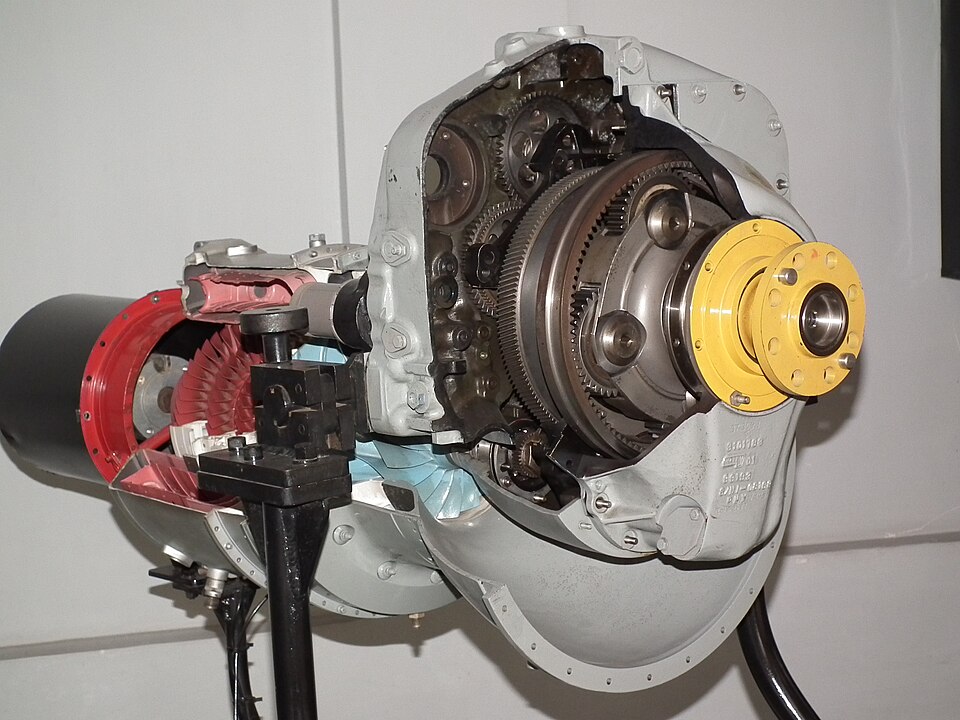
Here's where the Rotax 916 can surprise builders who assumed dropping in a lighter engine would be simple. Because the Rotax uses a prop speed reduction unit (PSRU) to spin the propeller at a sane speed from a high-RPM crankshaft, the engine-to-prop layout is different from a direct-drive Lycoming.
In some airframes originally designed around a Lycoming, installing a Rotax 916 requires lengthening the nose of the aircraft to maintain weight and balance. This affects center of gravity, potentially requires a dorsal fin or other stability adjustments, and adds design complexity.
Builders who have attempted this retrofit in Van's RV aircraft, for example, have reported significant firewall-forward engineering work — and in some cases, yaw stability changes that required aerodynamic fixes. This doesn't mean it can't be done, but it's not a drop-in swap.
Heads Up: If you're retrofitting a Rotax 916 into an airframe designed for a Lycoming, budget extra time and money for cowling fabrication, weight-and-balance recalculation, and potentially aerodynamic adjustments. This is not a weekend project for most builders.
Fuel: The Practical Day-to-Day Difference
Fuel compatibility is one of the most practical day-to-day differences between these two engines — and it deserves serious thought before you commit.
Lycoming IO-360: Built for 100LL
The Lycoming IO-360 was designed around 100LL aviation gasoline. It runs well on it, is certified for it, and most of the aircraft using this engine live at airports where 100LL is readily available. Some variants have mogas approvals, but for most IO-360 operators, avgas is the expected fuel.
The ongoing availability of 100LL is a legitimate concern in some regions. The industry has been slowly shifting toward unleaded avgas alternatives, and if you're buying an engine that will be flying for the next 20 years, the long-term fuel picture is worth considering.
Rotax 916 iS: Mogas-Friendly by Design
The Rotax 916 iS can run on automotive unleaded fuel (mogas), UL94 unleaded avgas, and 100LL — though Rotax notes that like all their engines, extended 100LL use can lead to spark plug fouling and gearbox contamination from lead deposits. The ability to use mogas is a genuine financial advantage in many markets, especially outside the USA where 100LL can be scarce and expensive.
For US pilots flying at airports where mogas isn't available on the field, this advantage may be limited. But if you truck in your own fuel or operate in an area with good mogas access, the fuel consumption savings on cheaper auto fuel can add up over time.
Good to Know: Rotax recommends using mogas or UL94 as the primary fuel for their engines when available, rather than 100LL. Prolonged 100LL use accelerates maintenance intervals and can foul the gearbox oil.
Maintenance, TBO, and Ownership Costs
Both engines carry a manufacturer-rated TBO of 2,000 hours — but they get there very differently.
IO-360 Maintenance: Familiar and Straightforward
The Lycoming IO-360 uses traditional magnetos, mechanical fuel injection, and air cooling. It's a system that tens of thousands of mechanics have worked on for decades. Parts are widely available, overhaul shops are easy to find, and the maintenance procedures are well understood.
The IO-360 typically uses conventional piston and cylinder assemblies that can be individually replaced without a full overhaul, which helps manage costs. Shops comfortable with the IO-360 exist at nearly every general aviation airport in the country.
Keep in Mind: The Lycoming's familiarity is a real asset in the field. If something goes wrong at a remote airport, there's a good chance a local mechanic knows this engine.
Rotax 916 iS Maintenance: Modern but Specialized
The Rotax 916's FADEC system, turbocharger, intercooler, and liquid-cooled cylinder heads all require technicians trained specifically in Rotax systems. Rotax has a network of authorized repair centers, but they aren't as ubiquitous as general Lycoming-capable shops — especially in rural areas.
That said, the Rotax's electronics make some diagnostics easier, and the engine's architecture allows for certain maintenance advantages. Oil changes and routine service can be quicker. The 2,000-hour TBO (which benefited from data gathered during the Rotax 915's earlier production run) is competitive with the Lycoming.
Rotax 916 iS maintenance intervals differ meaningfully from legacy engines:
- Oil changes are more frequent by hours but use a common automotive-style motorcycle oil
- Gearbox oil requires separate attention and is sensitive to 100LL use
- Spark plugs are standard automotive-type, not the specialty aviation plugs used by the Lycoming
If you're comparing engine ownership costs across multiple powerplant families, the team at Flying411 has put together a detailed side-by-side breakdown of Lycoming, Continental, and Rotax that goes even deeper on total cost of ownership.
Key Differences: Rotax 916 iS vs. Lycoming IO-360
Here's where the comparison comes together. These are the most important factors to weigh before making a decision.
1. Power Delivery Model
The IO-360 delivers continuous rated power. The Rotax 916 delivers full 160-hp for five minutes only, then drops to a continuous ~137 hp. For most cruise operations, this distinction barely matters. For sustained full-power climbs or challenging short-field departures, it can.
2. Weight Savings
The Rotax 916 is roughly 90–100 lbs lighter than a comparable IO-360 installation. In weight-sensitive aircraft — particularly LSA designs operating near gross weight limits — this is a significant and practical advantage.
3. Altitude Performance
A turbocharged Rotax 916 maintains near-sea-level power through mid-teens altitudes. The naturally aspirated IO-360 loses power progressively above roughly 8,000 feet density altitude. If you fly high or from high-elevation airports, the Rotax is genuinely superior here.
4. Fuel Flexibility
The Rotax 916 runs on mogas, UL94, and 100LL. The IO-360 primarily requires 100LL, though some variants have mogas approvals. Mogas availability varies widely by region, so this matters more in some areas than others.
5. Cost to Buy
A new Rotax 916 iS runs roughly $50,000–$54,000. A new experimental Lycoming IO-360 can be found for around $25,000–$37,000. Used and factory-rebuilt IO-360s extend the savings further. The IO-360 wins on upfront cost by a wide margin.
6. Maintenance Ecosystem
The IO-360 benefits from a massive global support network, decades of documented service history, and mechanics at virtually every GA airport. The Rotax 916 requires certified Rotax technicians — more available than they used to be, but still less common than general Lycoming mechanics.
7. Airframe Compatibility
The IO-360 is a direct drop-in for airframes designed around it. The Rotax 916 may require cowling modifications, nose extension work, and weight-and-balance adjustments when fitted to airframes originally designed for a direct-drive Lycoming. New-build aircraft designed from the start for the Rotax won't face this issue.
8. Propeller System
The IO-360 drives a propeller directly at engine RPM — straightforward and well understood. The Rotax 916 uses a prop speed reduction unit (PSRU) to bring the prop speed down from 5,800 crankshaft RPM to something sensible (~2,280 rpm). This adds mechanical complexity but allows the use of efficient props suited for those speeds.
9. Electronics and FADEC
The Rotax 916 is fully FADEC managed — dual ECUs control fuel injection, ignition timing, and power limiting. This means engine start is simpler and mixture management is largely automatic. The IO-360 relies on the pilot for mixture control, magneto management, and power settings. More workload, but also more direct pilot control.
10. MOSAIC and LSA Eligibility
With the FAA's MOSAIC rulemaking expanding LSA limits (including higher gross weights and four-seat configurations in some categories), the Rotax 916 is increasingly relevant to new designs that want 160 hp in an LSA-eligible package. The IO-360 can also appear in some of these designs, but the Rotax's lighter weight makes it a natural fit for the heavier payload allowances MOSAIC enables.
11. Fuel Consumption Over a Lifetime
At similar cruise power settings, the Rotax 916 and IO-360 are comparable on gph. The Rotax advantage compounds when you factor in cheaper mogas vs. 100LL pricing, where that option exists.
12. Cold Weather Starting
The IO-360 with magnetos and a carbureted or mechanical injection system can be finicky in cold weather — though priming procedures are well established. The Rotax 916's electronic fuel injection and ignition management generally handles cold starts more smoothly and consistently.
How the IO-360 Stacks Up Against Other Lycoming Engines
If the IO-360 is on your radar, it's worth knowing where it fits in the Lycoming family. For pilots comparing similar naturally aspirated options, check out these comparisons:
- The Lycoming O-360 vs. IO-360 breaks down whether the fuel injection upgrade is worth it — including cruise efficiency and starting behavior.
- If you're weighing Lycoming against Continental, the Continental IO-360 vs. Lycoming IO-360 comparison covers each manufacturer's take on the same displacement class.
- For higher-power Continental options, the Continental IO-520 vs. IO-550 article is a solid resource.
Understanding the broader aviation engine landscape — including how manufacturers like Continental compare — helps you see the IO-360's strengths and limits in context.
Fun Fact: The Lycoming O-360 family first received certification in the mid-1950s. Engines built on essentially the same core architecture are still rolling out of Lycoming's Pennsylvania factory today — a testament to how robust the original design was.
Who Should Choose the Rotax 916 iS?
The Rotax 916 makes a compelling case for a specific type of pilot and build.
The Rotax 916 iS is likely your best choice if:
- You're building a new experimental or LSA aircraft designed to accept the Rotax from the ground up
- You regularly fly at high density altitudes (mountain airports, hot climates)
- Mogas is accessible in your area and you want to reduce fuel costs
- Weight savings are critical to your aircraft's useful load math
- You appreciate modern avionics-level sophistication in your engine management
- You're comfortable with — or willing to learn — Rotax-specific maintenance
The 916 iS is currently appearing in aircraft like the CubCrafters Carbon Cub variants, Sling TSi, and various other modern experimental and LSA designs that were engineered with it in mind.
Who Should Choose the Lycoming IO-360?
The IO-360 remains the standard for a reason. It's not nostalgia — it's practicality.
The Lycoming IO-360 is likely your best choice if:
- You're flying a certified aircraft where the IO-360 is the type-certificated powerplant
- You're building an experimental aircraft originally designed around Lycoming engines (like Van's RV series)
- Budget is a significant factor and you want maximum new engine value per dollar
- 100LL is your primary fuel and mogas isn't a realistic option
- You want to be able to find a competent mechanic at nearly any GA airport
- You prefer the simplicity of direct-drive, no FADEC, conventional magnetos
For pilots asking how the Lycoming O-320 — the lighter sibling often used in the same power class — stacks up, the differences between the O-320 and IO-360 mostly come down to displacement, power output, and fuel injection.
Ready to nail down the right engine choice for your aircraft build or upgrade? Visit Flying411 for in-depth guides on every major GA engine family, with straight talk and no sales spin.
Conclusion
The Rotax 916 vs IO-360 debate doesn't have a universal winner — and that's actually the most useful thing to understand. Pick the Rotax 916 iS if you're building something new, flying high, and want lighter weight and fuel flexibility. Pick the Lycoming IO-360 if you're working within an existing certified aircraft, need broad mechanic availability, and want straightforward, proven cruise performance at a lower entry cost.
Both engines are genuinely good at what they do. The problem only arises when you choose an engine optimized for conditions different from where you actually fly. Match the engine to the mission, and you'll be happy with either one.
Still comparing options across the entire engine landscape? Flying411 covers everything from piston singles to experimental turbines, with honest, pilot-focused content that helps you make the call with confidence.
Frequently Asked Questions
Can you install a Rotax 916 iS in a Cessna 172 or other certified aircraft?
No — the Rotax 916 iS is not currently approved as a replacement powerplant for type-certificated aircraft like the Cessna 172. It can be used in experimental amateur-built aircraft and in new designs certified under the ASTM light sport aircraft standards where the manufacturer has engineered the aircraft around it.
Is the Rotax 916 iS the same as the Rotax 915?
They are closely related but not identical. The Rotax 915 iS produces 141 hp at takeoff and carries a 1,200-hour TBO, while the Rotax 916 iS produces 160 hp at takeoff and carries a 2,000-hour TBO. The 916 uses a stronger crankshaft, a larger turbocharger, and improved cooling compared to the 915.
How often does the Rotax 916 iS need an overhaul?
The Rotax 916 iS has a manufacturer-rated TBO of 2,000 hours — the same as the Lycoming IO-360. However, Rotax engines also have calendar-based maintenance intervals that require attention regardless of flight hours, so low-time aircraft still need periodic inspection and component replacements.
What propeller should I use with the Rotax 916 iS?
The Rotax 916 iS drives the propeller through a gear reduction unit at roughly 2,280 rpm, compared to the direct-drive IO-360's prop speed of up to 2,700 rpm. This means props designed for the IO-360 are not directly swappable. The Rotax 916 is compatible with certain constant-speed props via the Version 3 gearbox or fixed-pitch props via the Version 2 gearbox. Always verify compatibility with your aircraft manufacturer and prop supplier.
Does the Lycoming IO-360 qualify for experimental aircraft builds?
Yes — Lycoming offers experimental (non-certified) versions of the IO-360 for amateur-built aircraft. These engines are mechanically similar to certified versions but sold without an FAA production approval certificate, which keeps the cost lower. Van's Aircraft, for example, has an OEM arrangement that makes Lycoming experimental engines available to RV kit builders at reduced pricing.