You've probably stood in front of a cowling wondering what's really going on in there. For most pilots in the U.S., the answer is one of three names: Lycoming, Continental, or Rotax. These three brands power the overwhelming majority of piston-driven general aviation aircraft flying today — and they could not be more different from each other.
Lycoming and Continental are the old guard. They've been bolted to the front of trainers, bush planes, and cross-country cruisers for decades. Rotax is the newer kid on the flight line — and the one changing how a lot of people think about light aircraft engines.
So which one is right for your aircraft? That answer depends on how you fly, what you fly, and what matters most to you as a pilot and owner. This guide breaks down every major difference between Lycoming vs Continental vs Rotax aircraft engines — from fuel burn and horsepower to overhaul costs, maintenance quirks, and real-world reliability.
Key Takeaways
When comparing Lycoming vs Continental vs Rotax aircraft engines, the short answer is: it depends on your mission. Lycoming is the go-to for certified training and cross-country aircraft, known for long TBOs and widespread mechanic support. Continental offers smooth performance and is found on popular Cessna models and high-performance singles. Rotax dominates the LSA and experimental world with lighter weight, lower fuel burn, and modern features like electronic ignition — but with a steeper learning curve for mechanics and owners used to traditional GA engines.
| Engine Brand | Best For | Typical Power Range | Fuel Burn (Cruise) | TBO |
| Lycoming | Certified GA, training, cross-country | 100–400+ hp | 6–18 GPH | 1,400–2,400 hrs |
| Continental | Certified GA, high-performance singles | 100–360+ hp | 6–20 GPH | 1,500–2,000 hrs |
| Rotax | LSA, experimental, ultralights | 80–160 hp | 3.5–9 GPH | 2,000 hrs (15 yrs) |
If you're still sorting through your engine options, Flying411 is a great place to start — with plain-English guides written for real pilots, not engineers.
A Brief History of Three Very Different Manufacturers
Before diving into specs, it helps to understand where each of these engines came from. Their origins explain a lot about their strengths and limitations today.
Lycoming: Built for Certified Aviation From Day One
Lycoming Engines has been producing aircraft powerplants since the late 1920s. Based in Williamsport, Pennsylvania, the company built its reputation on the back of post-World War II general aviation. If you've trained in a Piper Cherokee, a Cessna 172R or S, or almost any Van's RV kit plane, you've flown behind a Lycoming.
The Lycoming family covers a wide range, from the modest O-235 used in Cessna 150s and Piper Tomahawks to the powerful IO-540 found in heavier singles and twins. Lycoming is the undisputed king of the 160–200 hp experimental market, and their engines are so widely used that most A&Ps have worked on dozens of them over the course of a career.
Continental: The Smooth Operator With Deep Roots
Continental Motors — now part of a larger international group — has roots just as deep as Lycoming. Their horizontally opposed, air-cooled piston engines power some of the most iconic aircraft in GA history. The Continental O-200 launched countless pilots in the Cessna 150 and 152. The IO-550 powers the Cirrus SR22, Columbia 400, and Beechcraft Bonanza A36.
Continental has historically been seen as the "smoother" engine, with a reputation for quieter operation and slightly better tolerance for pilots who don't fly regularly (more on that below). They've also pushed into Jet-A burning diesel engines, though those are a separate conversation. For traditional aviation purposes, Continental's lineup remains highly respected.
Rotax: The Austrian Manufacturer That Changed the Game
Austrian manufacturer Rotax — technically BRP-Rotax, based in Gunskirchen, Austria — entered the aviation world through an unexpected door: snowmobiles and off-road vehicles. Early pilots started repurposing Rotax two-stroke engines for ultralights, and the company saw the opportunity. They leaned in, developing the four-stroke 912 series that would go on to define the Light Sport Aircraft (LSA) category.
Today, Rotax holds a dominant share of the LSA market. Models like the Rotax 912, 912 ULS, 915iS, and 916iS are found in everything from the Vashon Ranger to the Bristell B23, Sling TSi, and Carbon Cub. The company is Austrian-engineered but has become truly global — with certified mechanics and dealers spread across the U.S. and beyond.
Fun Fact: Rotax is said to produce more aviation engines annually than Lycoming and Continental combined — though the majority go into LSA and experimental aircraft rather than certified GA planes.
How These Engines Are Built Differently
One of the biggest sources of confusion when comparing these three brands is that they're built on fundamentally different design philosophies. Understanding the design differences makes everything else easier to follow.
The Traditional Air-Cooled Approach (Lycoming and Continental)
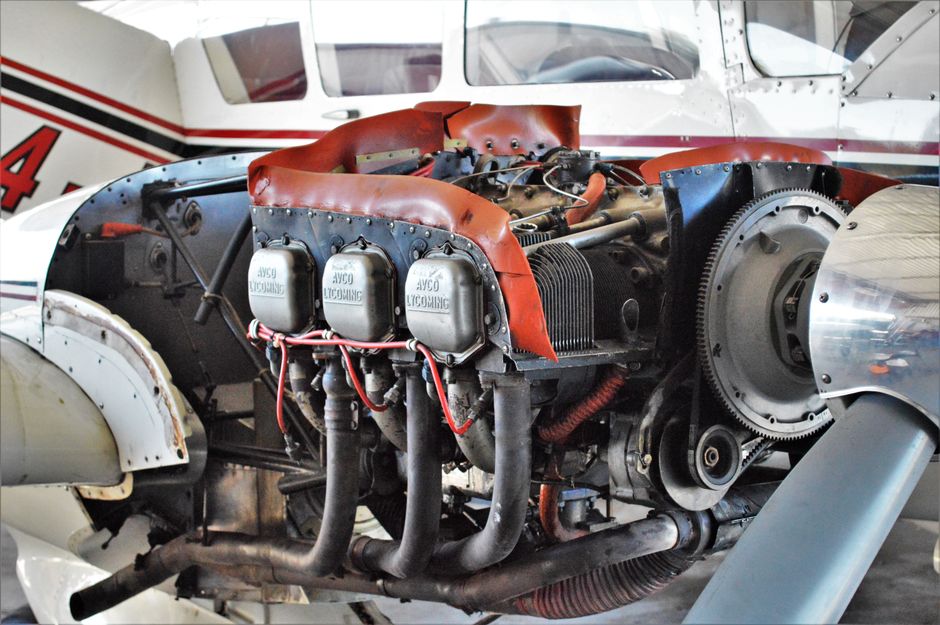
Both Lycoming and Continental build horizontally opposed, air-cooled piston engines. This means the cylinders are arranged flat on either side of the crankcase, and cooling relies on airflow passing over metal fins. No radiator, no coolant hoses, no coolant level to check.
This simplicity is a huge advantage. Fewer systems means fewer failure points. Most mechanics in the United States have trained on Lycoming or Continental engines, and parts are widely available. The operating procedures are familiar to almost every pilot who trained in the U.S.
The trade-off is weight and fuel efficiency. These engines are heavier per horsepower than Rotax, and they generally burn more fuel at comparable power levels.
The Rotax Hybrid Cooling System
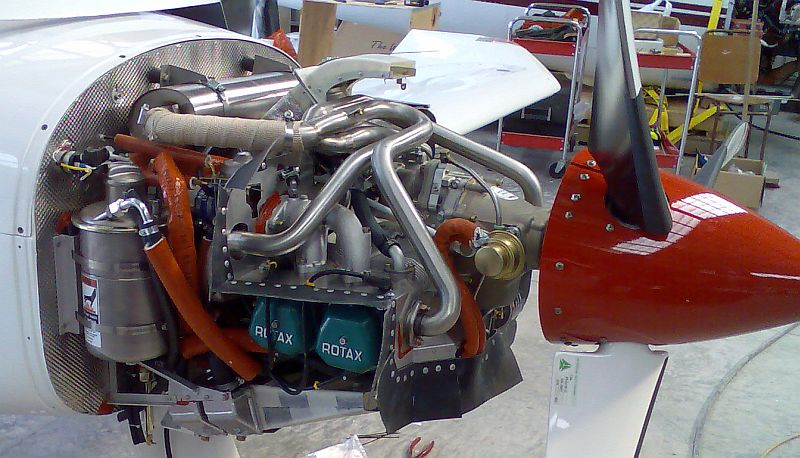
Rotax takes a different path. Their 912 and 9-series engines use a combination of liquid and air cooling — the cylinder heads are liquid-cooled (like a car engine) while the cylinder barrels themselves are air-cooled. This hybrid approach keeps temperatures more consistent and allows tighter manufacturing tolerances.
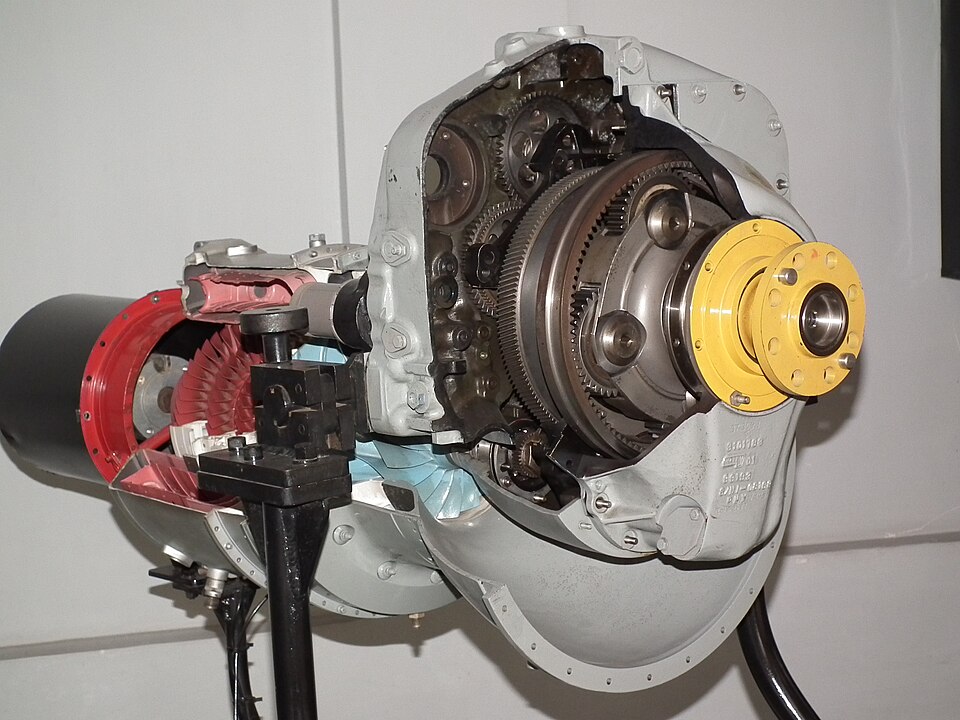
The result? A lighter, more efficient engine that can run at higher RPM with less vibration. But it also means you now have a radiator, coolant hoses, and a coolant level to monitor on preflight. There's also a cam-driven gearbox that reduces the prop shaft speed to a usable range (since Rotax engines spin fast — nearly double the RPM of a typical Lycoming or Continental). That gearbox requires attention too.
Good to Know: Because Rotax engines spin at high RPM and use a gearbox reduction, a Rotax tachometer reads differently from a Lycoming or Continental tach. Pilots transitioning to Rotax-powered aircraft should get a proper checkout to avoid confusion.
Power and Performance: What the Numbers Actually Tell You
Let's talk horsepower. Here's where the three brands diverge most sharply.
Lycoming's Power Range
Lycoming covers a massive range. The O-235 makes around 108–118 hp. The O-320 produces 150–160 hp. The O-360 comes in at 180 hp and remains one of the most popular training and cross-country engines ever made. Go up the ladder and you get the O-540 (six cylinders, 235–260 hp) and the massive IO-720, which produces over 400 hp for heavier aircraft.
The Lycomings in the 160–200 hp range dominate the experimental kit plane market. Van's Aircraft, the most prolific kit manufacturer in history, designs most of their RV series around Lycoming four-cylinder engines.
Continental's Power Range
Continental covers similar ground. The O-200 — arguably Continental's most iconic small engine — makes 100 hp and powered the Cessna 150 for decades. The IO-550 is their big gun, making 300–310 hp and finding a home in the Cirrus SR22, Beechcraft Bonanza, and other high-performance singles.
For the 100hp category, the O-200 remains a benchmark. Pilots often compare it directly to the Lycoming O-235 in similar aircraft — a comparison explored in detail in this look at the Continental O-200 vs Lycoming O-235.
Continental engines in the certified market tend to be found in Cessna products historically. Cessnas with 172s and 182s have used both manufacturers over the years, but the Continental O-300 and its descendants were Cessna staples for many years.
Rotax's Power Range
This is where Rotax looks modest on paper but punches above its weight. The Rotax 912 family tops out at 100 hp (912 ULS). The 915iS — a turbocharged and intercooled version — produces 141 hp continuous and maintains that power to high altitude. The newest 916iS pushes to 160 hp for five minutes and 137 hp continuous.
Given the Rotax's light weight, that power-to-weight ratio is genuinely impressive. A 912 ULS weighs in the neighborhood of 135 lbs (dry, without accessories), compared to a Lycoming O-360 at roughly 285 lbs. That weight savings is real payload in a light aircraft.
Why It Matters: In a light sport or experimental aircraft where every pound counts, the Rotax's weight advantage translates directly to useful load. A pilot who can carry an extra 150 lbs of fuel, gear, or passenger changes the entire mission profile.
For those weighing the turbocharged options, there's a detailed breakdown of how the Rotax 914 vs 915 compare in terms of performance and application.
Fuel Burn: Where Rotax Pulls Away
Fuel is one of the most talked-about differences between these engines, and for good reason. The numbers are real.
A Lycoming O-360 burning avgas at cruise will typically consume around 8–10 GPH depending on power setting and altitude. A Continental IO-550 in a Cirrus SR22 might burn 13–17 GPH at cruise. These are perfectly normal for certified, capable aircraft — but it adds up fast.
The Rotax 912 ULS at cruise burns roughly 4–5 GPH. And it can run on unleaded automotive fuel (mogas) in addition to 100LL avgas, which can mean meaningful fuel savings depending on where you fly and what you pay locally.
The 915iS, being turbocharged, burns somewhat more — roughly 7–9 GPH at cruise — which is still well below the Lycoming O-360's range, while offering more power and better altitude performance.
| Engine | Approx. Cruise Fuel Burn |
| Lycoming O-235 | ~6 GPH |
| Lycoming O-360 | ~8–10 GPH |
| Continental O-200 | ~5–6 GPH |
| Continental IO-550 | ~13–17 GPH |
| Rotax 912 ULS | ~4–5 GPH |
| Rotax 915iS | ~7–9 GPH |
Pro Tip: The Rotax's ability to run on premium unleaded mogas (where approved) can reduce fuel costs compared to 100LL avgas. Check your aircraft's POH and applicable STCs before using mogas.
The 7 Key Factors to Compare When Choosing Between Lycoming, Continental, and Rotax
This is where the decision gets real. Here are the most important comparison points for pilots and owners making a choice.
1. Aircraft Certification Category
This one matters a lot. Lycoming and Continental are the engines of choice for FAA-certified aircraft — from the ubiquitous Cessna 172 to the Piper Arrow to the Cirrus SR22. They carry type certificates, and their service bulletins and airworthiness directives are tightly integrated with the FAA's certification system.
Rotax excels in the LSA (Light Sport Aircraft) and experimental categories. The 912 ULS is certified for use in type-certificated aircraft (it's used in the Diamond DA20 and some other certified designs), but the bulk of Rotax's market is in the sport and experimental world. Aircraft like the Vashon Ranger R7, Bristell B23, Sling TSi, and Carbon Cub UL all come with Rotax power.
If you're buying or building a recreational aircraft or an experimental kit, Rotax is a serious contender. If you need certified IFR capability in a four-seat aircraft, Lycoming or Continental is almost certainly your path.
2. Maintenance Availability and Mechanic Familiarity
This is one of the most practical factors in real-world ownership. Lycoming and Continental engines are essentially universal in GA maintenance shops across the United States. Walk into virtually any FBO or maintenance shop, and the A&P on duty has worked on dozens of them. Special tools are common. Parts are stocked at multiple distributors. You're rarely far from help.
Rotax mechanics are more concentrated, and finding a Rotax-certified shop in a rural area can take effort. Rotax requires mechanics to complete specific training, and overhauls for certified Rotax engines must be done by certify-approved shops — of which there are only a small number in North America. This doesn't mean Rotax is unreliable, but it does mean the support infrastructure is thinner outside major aviation hubs.
Heads Up: For Rotax engines in certified aircraft, overhaul options in the U.S. are limited to a small number of approved facilities. If you own a certified Rotax-powered aircraft, it's worth knowing where your nearest shop is before you need it.
3. TBO (Time Between Overhaul)
TBO is the manufacturer's recommended interval for a complete engine teardown and rebuild. It's not a legal requirement for most private operators in the U.S. — many engines operate "on condition" past TBO — but it's a real financial planning factor.
- Lycoming TBOs range from 1,400 hours (some aerobatic models) to 2,400 hours (the O-235 in the Cessna 152/Piper Tomahawk). Most standard Lycoming models sit at 2,000 hours.
- Continental TBOs typically range from 1,500 to 2,000 hours depending on the model.
- Rotax 912 series carries a TBO of 2,000 hours or 15 years — whichever comes first. The calendar limit is an important distinction for lower-time aircraft.
An engine overhaul for a Lycoming or Continental typically runs roughly $25,000–$45,000 depending on the model and condition of core components. Rotax overhauls have their own cost structure, and because Rotax mandates that certain parts (including the crankshaft) be replaced with new components at overhaul, costs can be significant. In some cases, purchasing a new or factory-replacement Rotax engine ends up being more economical than overhauling the old one.
For a side-by-side look at how Lycoming and Continental handle this decision differently, the Continental vs Lycoming aircraft engines breakdown is worth reading.
Speaking of staying on top of your aircraft's health — Flying411 covers engine maintenance topics in plain language that makes it easier to have informed conversations with your mechanic.
4. Fuel Type Flexibility
Lycoming and Continental engines are traditionally designed to run on 100LL avgas — the leaded aviation fuel that has been the standard for decades. There's been an ongoing push in the industry to move to unleaded alternatives (G100UL and UL94 are gaining ground), and both manufacturers have been involved in compatibility testing.
Rotax engines have a built-in advantage here. The 912 series is approved to run on both 100LL and premium unleaded automotive fuel (mogas) where applicable, and the newer iS (fuel-injected) models are well-positioned for the unleaded transition. For pilots who want to reduce operating costs or reduce their dependence on leaded fuel, this is a meaningful difference.
5. Electronic Ignition and Modern Features
Traditional Lycoming and Continental engines use magnetos — a self-contained ignition system that doesn't require external electrical power. Magnetos are proven and reliable, but they're also a maintenance item that needs periodic service and overhaul. Modern aftermarket electronic ignition systems can be added to many Lycoming and Continental installations, improving efficiency and reducing maintenance.
Rotax, by contrast, comes with electronic ignition as a standard feature. The iS series goes further with full electronic fuel injection (EFI), giving pilots near-automatic mixture management. There's no manual mixture control to mismanage. For newer or lower-time pilots, this reduces workload and can reduce the chance of human error.
Fun Fact: The Rotax 915iS uses a dual-redundant electronic engine management system — meaning there are two independent ignition and injection systems running simultaneously, each capable of keeping the engine running on its own if the other fails.
6. Weight and Power-to-Weight Ratio
Weight affects everything in aviation — useful load, climb performance, and center of gravity. Here, Rotax holds a clear advantage for light aircraft.
The Rotax 912 ULS weighs roughly 135 lbs without accessories. A comparable Lycoming O-320 (160 hp) weighs around 245–255 lbs. That's a significant difference for a light sport or experimental aircraft where the entire empty weight might be under 1,000 lbs.
The better power-to-weight ratio of the Rotax 9-series is one reason aircraft like the KitFox, Carbon Cub, and newer composite LSA designs choose it. For heavier certified aircraft, Lycoming and Continental's extra weight is a non-issue relative to the overall design.
7. Cost of Ownership Over Time
This one is nuanced. Rotax engines look appealing at first glance — lower fuel burn, potentially lower purchase price at the 100 hp level, and modern features. But the total cost of ownership story is more complex.
Rotax advantages:
- Lower fuel burn saves real money over time
- Automotive spark plugs are inexpensive compared to aviation plugs
- Less oil consumption between changes
- Mogas capability can reduce per-gallon cost
Rotax considerations:
- The required 5-year rubber/hose replacement can run several thousand dollars
- Overhaul is more restricted and can be expensive
- Mechanic availability adds indirect cost in some regions
- Gearbox service is an additional maintenance item
Lycoming/Continental advantages:
- Widespread mechanic support reduces labor costs through competition
- Overhaul shops are abundant and competitive
- Well-understood failure modes with deep parts availability
Lycoming/Continental considerations:
- Higher fuel burn is a constant operating cost
- Aviation spark plugs cost significantly more than automotive plugs
- Magneto overhaul is a recurring cost
Keep in Mind: The "cheapest" engine over time depends heavily on how many hours you fly per year and where you're based. High-hour pilots often see the Rotax's fuel savings add up significantly. Lower-hour pilots may find the Rotax's periodic rubber replacement and restricted overhaul options add costs that offset the fuel savings.
Lycoming vs Continental: How the Two American Brands Compare
Since many pilots are choosing between Lycoming and Continental specifically — without Rotax in the mix — it's worth highlighting the key differences between these two.
Carb Placement and Carb Ice Risk
Lycoming engines have the carburetor positioned at the bottom of the engine, with the intake going upward. This means the intake air passes over the warm engine, reducing (though not eliminating) carb ice risk. Continental puts the carb at the top, closer to cold incoming air, which can make carb icing more of a concern in certain conditions.
For pilots flying in moisture-prone areas, this is worth understanding. It's also a reason Lycoming engines are sometimes considered more forgiving for newer pilots.
Cylinder Design Differences
Continental has historically used both parallel-valve and angle-valve cylinder designs. Parallel-valve cylinders are generally easier to service. Their cylinder design has historically shown some vulnerability to cracking between valve seats, and the crankcase cracking issue in older Continental models has been well-documented.
Lycoming uses a more consistent cylinder design across most of their line. Lycoming cylinders generally have a stronger reputation for longevity between top overhauls.
The Lycoming O-235 vs Continental O-200 Question
Many light aircraft pilots face this exact choice — comparing the O-235-powered Cessna 152/Piper Tomahawk against O-200-powered Cessna 150. There are real-world differences in how these engines feel, what they need, and how much they cost to maintain. A close comparison of the Continental O-200 vs Lycoming O-235 walks through these differences in detail.
Rotax Model Breakdown: Which 9-Series Engine Is Which?
Rotax's lineup can be confusing if you're new to it. Here's a quick-reference breakdown of the most common aviation models.
| Model | HP | Key Features | Best Use |
| 912 UL | 80 hp | Carbureted, basic | Ultralights, older LSA |
| 912 ULS | 100 hp | Carbureted, most popular | LSA, experimental |
| 912 iS | 100 hp | Fuel injected, electronic ignition | Modern LSA, experimental |
| 914 | 115 hp | Turbocharged, carbureted | High-altitude experimental |
| 915iS | 141 hp continuous | Turbocharged, EFI, intercooled | High-performance LSA |
| 916iS | 160 hp (5 min) / 137 hp continuous | Turbocharged, top-of-line | STOL, performance LSA |
The jump from 912 to 915iS is substantial — and pilots considering the upgrade between those two models will find a thorough comparison at the Lycoming O-235 vs Rotax 912 breakdown.
For pilots comparing the newer turbocharged models, the Rotax 915iS vs 916iS comparison covers the differences in power, weight, and performance in detail.
Pro Tip: The Rotax 912 ULS (912 ULS) and 912 iS share the same horsepower but differ in fuel system design. The iS version uses electronic fuel injection and offers automatic mixture management — a meaningful advantage for high-altitude flying and for pilots who want simplified engine management.
What Aircraft Do These Engines Power?
Understanding which engines go with which aircraft helps narrow the choice considerably.
Lycoming-powered aircraft include:
- Piper Cherokee / Archer / Arrow (O-360, IO-360)
- Cessna 172R and 172S (IO-360-L2A)
- Piper Warrior (O-320)
- Beechcraft Musketeer / Sundowner (IO-360)
- Van's RV series (O-320, O-360, IO-360)
- Robinson R44 helicopter (IO-540)
Continental-powered aircraft include:
- Cessna 150 / 152 (O-200, O-235)
- Cessna 172 earlier models (O-300)
- Cirrus SR22 (IO-550)
- Beechcraft Bonanza (IO-550, IO-520)
- Cessna 182 Skylane (O-470, IO-540 in later models)
- Mooney M20 series (various models)
Rotax-powered aircraft include:
- Vashon Ranger R7 (912 iS)
- Bristell B23 (912 iS or 915iS)
- Sling TSi (915iS)
- Carbon Cub UL / EX (912 ULS, 916iS)
- KitFox (various 912 series)
- Diamond DA20 A1 (912 series)
- Tecnam P92 and other Tecnams
Have questions about a specific aircraft or engine combination? Flying411 has articles covering many of these aircraft and their powerplants in plain, practical terms.
Making the Call: A Simple Decision Framework
Here's a straightforward way to think through the choice:
Choose Lycoming if:
- You're flying or buying a certified four-seat aircraft
- You fly IFR or in complex airspace regularly
- You want the broadest possible mechanic and parts support
- You're in the 160–200 hp range for a kit or experimental aircraft
- Long TBO at 2,000+ hours is a priority
Choose Continental if:
- Your aircraft came with a Continental engine and it's working fine
- You fly somewhat irregularly and value cold-start tolerance
- You prefer a smoother, quieter powerplant
- You're operating a Cirrus SR22 or another high-performance single
- You're buying a used Cessna or Beechcraft with an established service history
Choose Rotax if:
- You're building or buying an LSA or experimental aircraft
- Low fuel burn is a top priority
- You want modern features like EFI and electronic ignition
- You're building a light, nimble aircraft where weight savings matters
- High-altitude performance is important (consider the 915iS or 916iS)
- You don't mind learning a different set of operating procedures
Conclusion
The debate over Lycoming vs Continental vs Rotax aircraft engines has gone on for decades, and it's not going away anytime soon — because there's no single right answer. Lycoming brings proven reliability, wide support, and dominance in the certified training world. Continental offers smooth performance and deep integration with some of the most popular GA aircraft ever built. Rotax brings modern engineering, light weight, and fuel efficiency that the old-guard engines simply can't match at the light end of the spectrum.
The best engine is the one that fits your aircraft, your mission, and your budget — and one that you understand how to operate and maintain. Dig into the specifics before you commit, whether that means comparing TBOs, fuel costs, or overhaul options.
For deeper dives on all three brands, Flying411 is your resource for clear, practical aviation guides written for pilots who want real information — not jargon.
FAQs
Is Lycoming or Continental better for a first aircraft?
Both are excellent choices for a first aircraft. Lycoming has a slight edge in mechanic availability and TBO in most models, while Continental engines in well-maintained Cessnas and Beechcrafts are highly reliable and well understood. Most new owners end up with whichever engine came in the aircraft they purchased.
Can a Rotax engine be installed in a certified aircraft?
Yes, but with limitations. Some certified aircraft (like the Diamond DA20 A1) were originally certified with Rotax engines and have no issues. Installing a Rotax in an aircraft that wasn't originally certified with one requires an STC (Supplemental Type Certificate), which may or may not exist for your airframe. This is a question for an A&P and the aircraft's original type certificate.
Do Rotax engines really run on regular car fuel?
Many Rotax models can run on premium unleaded automotive fuel (mogas) in addition to 100LL avgas, but this depends on the specific model, the aircraft installation, and applicable FAA authorizations. Always verify what fuels are approved for your specific engine and airframe before using mogas.
What does "on condition" mean past TBO?
For most private (non-commercial) operators in the United States, the FAA does not legally require an engine to be overhauled when it reaches the manufacturer's recommended TBO. An owner can continue to operate an engine "on condition" — meaning it remains in service as long as regular inspections and compression checks indicate it is still airworthy. This practice is common and accepted, but it comes with increased monitoring responsibility.
How often does a Rotax engine need its rubber components replaced?
Rotax recommends replacing certain rubber and elastomer components — including hoses, seals, and gaskets — every five years regardless of hours flown. This is one of the more significant maintenance distinctions between Rotax and traditional Lycoming/Continental engines. The cost varies by shop but can run from roughly $2,500 to $4,000 or more depending on labor rates and scope.