Choosing an engine for your light aircraft is a big deal. It changes how the plane feels in the air, how much it costs to fly, and even which airports you can safely use. Whether you are restoring a classic Cessna 150 or building a homebuilt kit plane from scratch, two engine names keep coming up: the Continental O-200 and the Lycoming O-235.
These two engines have been powering small planes for decades. The Continental O-200 became famous as the standard engine in the Cessna 150, which is the fifth most-produced civilian airplane ever built. That means tens of thousands of these engines have logged millions of flight hours around the world. The Lycoming O-235, meanwhile, has earned a reputation as one of the toughest and most dependable engines in general aviation. Flight schools especially love it.
So which one is right for you? That depends on how you plan to fly, where you plan to fly, and how much you want to spend. In this guide, we will walk through everything you need to know, step by step, so you can make a confident decision.
Key Takeaways
The main difference in the Continental O-200 vs Lycoming O-235 debate comes down to weight versus power. The Continental O-200 is lighter and burns less fuel, making it great for keeping costs low and planes light. The Lycoming O-235 is heavier and burns more gas, but it is stronger, has more horsepower, and lasts longer between overhauls.
| Feature | Continental O-200 | Lycoming O-235 |
| Best For | Fuel savings & light planes | Durability & flight schools |
| Horsepower | 100 HP | 115–118 HP |
| Displacement | 201 cubic inches | 233 cubic inches |
| Dry Weight | ~170 lbs | ~240 lbs |
| Fuel Burn | 5.5–6.5 GPH | 6.0–7.0 GPH |
| TBO | 1,800 hours | 2,400 hours |
| Cylinders | 4, horizontally opposed | 4, horizontally opposed |
| Cooling | Air-cooled | Air-cooled |
| Fuel Type | 100LL / Mogas (w/ STC) | 100LL / Mogas (w/ STC) |
| Typical Overhaul Cost | $15,000–$22,000 | $18,000–$28,000 |
| Common Aircraft | Cessna 150, homebuilts | Cessna 152, Piper Tomahawk |
Now let's break each of these points down so you really understand what they mean for your flying.
A Brief History of Each Engine
Both of these engines come from companies with deep roots in aviation. Getting to know their background helps you understand why each engine was designed the way it was.
The Continental O-200
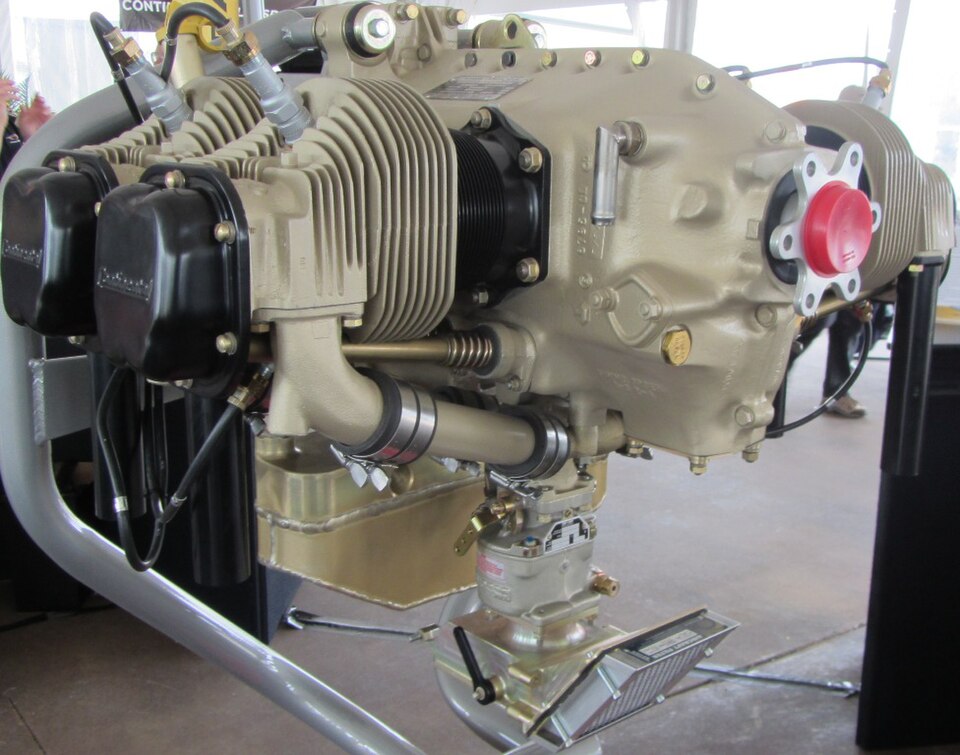
Continental Motors (now part of Continental Aerospace Technologies) introduced the O-200 in 1957. It was designed with one clear goal: build a lightweight, efficient engine for two-seat trainers and personal aircraft. The engineers wanted something that would sip fuel, run smoothly, and keep the overall weight of the airplane as low as possible.
The O-200 became the heartbeat of the Cessna 150, one of the most beloved training aircraft of all time. Cessna built over 23,000 of the 150 model from 1959 to 1977, and almost every single one had a Continental O-200 under the cowling. That track record speaks for itself.
Key traits: Light weight, smooth operation, lower fuel consumption, widely supported parts network.
The Lycoming O-235
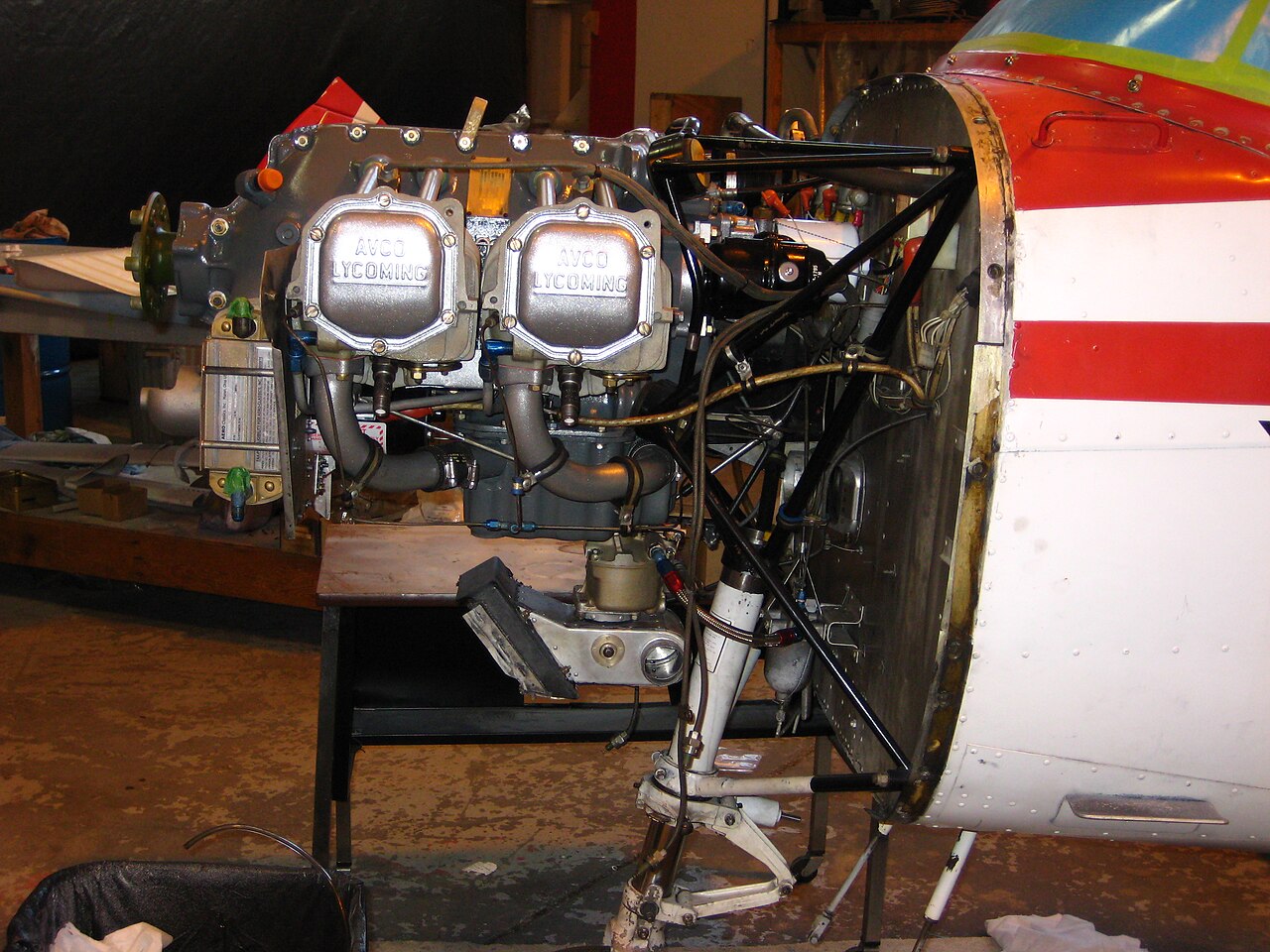
Lycoming Engines has been building aircraft engines since the 1920s. The O-235 series dates back to the 1940s and has gone through many updates over the decades. While Continental focused on being light and efficient, Lycoming focused on being strong and long-lasting.
The O-235 powers aircraft like the Cessna 152 (the successor to the 150), the Piper PA-38 Tomahawk, and many homebuilt designs. Flight schools in particular gravitated toward this engine because it can handle the constant stress of student training — hard landings, rough power changes, and long hours of operation — without breaking a sweat.
Key traits: Higher horsepower, longer TBO, rugged construction, heavier weight.
Performance and Specs: A Deeper Look
Now let's get into the numbers and what they actually mean when you are up in the air.
Horsepower and Power Output
The Lycoming O-235 wins on raw power. Depending on the variant, it produces between 115 and 118 horsepower. The Continental O-200 puts out 100 horsepower. That is a difference of 15 to 18 horses, and in a small airplane, that gap really matters.
More horsepower gives you faster climb rates, shorter takeoff rolls, and a better safety margin when conditions are not ideal. Think about a hot summer day at a high-altitude airport. The air is thin, and your engine loses power. Starting with 115 HP instead of 100 HP gives you a bigger cushion to work with.
On the other hand, if you are flying at sea level on a cool day, 100 horsepower is plenty for most two-seat aircraft. You will cruise comfortably and arrive at your destination without any trouble.
Engine Weight
Here is where the Continental shines. It weighs about 170 pounds dry (meaning without oil or accessories). The Lycoming tips the scales at roughly 240 pounds. That is a 70-pound difference, which is huge in a small airplane.
Why does that matter? In aviation, every pound counts. A lighter engine means your airplane has a higher useful load. Useful load is the weight you have left over for people, bags, and fuel after you subtract the empty weight of the airplane. An extra 70 pounds of useful load could mean one more full fuel tank, an extra bag of camping gear, or even the difference between carrying one passenger and two.
For very light sport aircraft (LSA) and ultralight-class homebuilts, the Continental's lower weight is often the deciding factor. These planes have strict weight limits, so every pound you save on the engine is a pound you can put somewhere else.
Fuel Consumption
The Continental O-200 burns between 5.5 and 6.5 gallons per hour at cruise power settings. The Lycoming O-235 burns between 6.0 and 7.0 gallons per hour. That might sound like a small difference, but it adds up fast.
Let's do the math. Say you fly 200 hours a year. If the Continental saves you just one gallon per hour compared to the Lycoming, that is 200 gallons of fuel per year. At around $6 per gallon for avgas, you save about $1,200 every single year. Over ten years, that is $12,000 back in your pocket. That is real money.
Fuel Cost Example: A pilot flying 200 hours per year could save roughly $1,200 annually by choosing the Continental O-200 over the Lycoming O-235, based on a one-gallon-per-hour difference in fuel burn at typical avgas prices. Over 10 years, that adds up to approximately $12,000.
Time Between Overhaul (TBO)
TBO stands for Time Between Overhaul. It is the manufacturer's recommended number of flight hours before the engine needs a complete teardown and rebuild. This is one of the biggest expenses in aircraft ownership, so it deserves a close look.
The Continental O-200 has a TBO of 1,800 hours. The Lycoming O-235 has a TBO of 2,400 hours. That is 600 more hours of flying before you need to open the wallet for an overhaul.
An overhaul for the Continental typically costs between $15,000 and $22,000. A Lycoming overhaul runs between $18,000 and $28,000. Even though the Lycoming overhaul costs more, the cost per flight hour can actually be lower because you spread that expense over more hours.
| Continental O-200 | Lycoming O-235 | |
| TBO | 1,800 hours | 2,400 hours |
| Overhaul Cost Range | $15,000–$22,000 | $18,000–$28,000 |
| Cost per Hour (midpoint) | ~$10.28/hr | ~$9.58/hr |
As you can see, the Lycoming actually comes out slightly cheaper per flight hour when you look at overhaul costs alone. That is an important detail for anyone who plans to fly a lot.
Noise and Vibration
This one does not show up on a spec sheet, but many pilots talk about it. The Continental O-200 has a reputation for running smooth and quiet. Its lighter construction and smaller displacement seem to produce less vibration at cruise speeds. Many Cessna 150 owners describe the Continental as a "purring" engine.
The Lycoming O-235, being heavier and more powerful, can feel a bit rougher in some installations. It is by no means uncomfortable, but if you are planning long cross-country flights of three or four hours, that smooth Continental ride can make a real difference in how tired you feel when you land.
Choosing the Right Engine for Your Mission
The best engine for you depends on what you plan to do with your airplane. Every pilot has a different mission. Some fly for fun on sunny weekends. Others fly every single day to teach students. Some live at sea level, and others are based in the mountains. Let's walk through the most common scenarios.
Flight Training Schools
If you run a flight school, your planes are workhorses. They fly many hours a day, every day of the week. Students are still learning, so the engines get a harder workout: abrupt throttle changes, repeated touch-and-go landings, and occasional rough handling.
- Durability: The Lycoming O-235 is often called "bulletproof" in aviation circles. Its heavier, sturdier construction handles the constant stress of training operations better than the lighter Continental.
- Higher TBO: With 2,400 hours between overhauls, a flight school can keep its planes in the air for longer stretches before facing that big overhaul bill. At 100 hours per month, the Lycoming gives you an extra six months of flying.
- Revenue generation: More hours in the air means more student hours billed. The Lycoming's higher upfront cost is usually offset by the extra revenue it generates before needing a rebuild.
Bottom line for schools: The Lycoming O-235 is almost always the better choice for flight training operations. The extra power and durability pay for themselves over time.
Weekend and Recreational Flying
If you own your own plane and fly for fun on weekends or for the occasional cross-country trip, your priorities shift. You are probably not putting hundreds of hours on the engine every year. You care more about enjoyment and cost savings.
- Fuel savings: The Continental O-200 sips fuel. Every trip costs a little less, and those savings feel good over time.
- Smooth ride: Many pilots prefer the Continental's smoother, quieter operation for pleasure flying. A relaxed engine makes for a more enjoyable flight.
- Useful load: The lighter engine means more room for luggage, camping gear, or a full fuel load on longer trips.
- TBO is less critical: If you only fly 100 hours a year, even the Continental's 1,800-hour TBO gives you 18 years between overhauls. Most recreational pilots will never hit TBO before calendar-based maintenance kicks in.
Bottom line for recreational pilots: The Continental O-200 is a great match. It saves money, rides smooth, and the shorter TBO is unlikely to matter much at low annual flight hours.
High Altitude and Hot Weather Flying
Where you live and fly is a big factor. Air gets thinner when the temperature rises and when the elevation goes up. Thinner air means your engine makes less power. This is called density altitude, and it is one of the most important concepts in aviation safety.
On a hot day at a high-altitude airport, an engine might lose 20 to 30 percent of its rated power. If you start with 100 horsepower, you might only have 70 to 80 available. That can make takeoffs dangerously long and climb rates uncomfortably slow.
- Safety margin: The Lycoming's extra 15+ horsepower gives you a bigger buffer against density altitude. Starting at 115 HP means you might still have 85 to 90 HP available in hot, high conditions.
- Climb performance: Getting above obstacles after takeoff is critical in mountain flying. More power means a steeper climb and more clearance over terrain.
- Go-around capability: If you need to abort a landing at a mountain strip, having extra power on tap could be a lifesaver.
Bottom line for mountain and hot-weather pilots: The Lycoming O-235 is the safer choice. That extra horsepower is not just nice to have — it's a genuine safety advantage.
Homebuilt and Experimental Aircraft
The homebuilt community has a soft spot for both of these engines. If you are building a Van's RV-12, a Zenith, or another popular kit plane, your airframe design may favor one engine over the other.
- Weight-sensitive designs: Many light sport and ultralight-class homebuilts need the Continental's lighter weight to stay within their design limits.
- Performance-focused builds: If your design can handle the extra 70 pounds, the Lycoming's additional horsepower gives you more speed and better climb.
- Engine mount compatibility: Check your kit manufacturer's recommendations. Some airframes are specifically designed for one engine family or the other. Swapping can require new mounts, baffles, and cowling modifications.
Bottom line for homebuilders: Let your airframe design guide the decision. The engine should match what the designer intended for best results.
Cost of Ownership: The Full Picture
Money is always part of the conversation when it comes to airplane engines. Let's break the costs down into categories so you can see the full picture.
Purchase Price
A factory-new or factory-rebuilt Continental O-200 typically costs less than a comparable Lycoming O-235. On the used market, the Continental is also generally more affordable. Prices vary widely depending on condition, total time, and time since overhaul, but as a rough guide, expect the Continental to be several thousand dollars cheaper.
Fuel Costs
We covered this earlier, but it bears repeating. Over the life of the engine, fuel is one of the biggest operating expenses. The Continental's lower fuel burn saves real money, especially if you fly frequently.
Overhaul Costs
The Lycoming's overhaul costs more, but it happens less often (every 2,400 hours versus 1,800). When you divide overhaul cost by hours flown, the two engines end up surprisingly close in cost per hour.
Parts Availability
Both engines benefit from huge install bases, which means parts are widely available. However, many mechanics note that Continental O-200 parts tend to be a bit easier to find and slightly less expensive. The Lycoming's parts are readily available too, but some specialized components can carry a premium.
Maintenance and Mechanic Familiarity
Almost every A&P (Airframe and Powerplant) mechanic in general aviation knows both of these engines well. You will not have trouble finding someone to work on either one. That said, some shops specialize in one brand or the other, so it is worth asking around at your local airport.
Cost Ownership Tip: When comparing total cost of ownership, do not just look at the sticker price. Factor in fuel burn, overhaul intervals, parts costs, and how many hours you plan to fly per year. A spreadsheet that projects costs over 10 or 20 years can reveal surprising differences.
Fuel Options: Avgas and Mogas
Both the Continental O-200 and the Lycoming O-235 are designed to run on 100LL aviation gasoline (avgas). However, both engines can also run on unleaded automotive fuel (mogas) if you obtain the proper approval.
What Is a Mogas STC?
An STC stands for Supplemental Type Certificate. It is an FAA-approved modification that allows your specific airplane and engine combination to use automotive fuel instead of avgas. Companies like EAA (through the Petersen Aviation STC program) offer these approvals for many Continental and Lycoming engine installations.
Why Use Mogas?
The biggest reason is cost. Automotive fuel is often $2 to $3 cheaper per gallon than avgas. If you burn 6 gallons per hour, that saves $12 to $18 per hour of flying. Over a year of regular flying, you could save thousands of dollars.
There is also an environmental angle. 100LL contains lead, which is harmful to the environment and to engine components over time. Mogas is unleaded, so it produces cleaner exhaust and may reduce lead buildup on spark plugs and valves.
Things to Watch Out For
- Not all mogas is the same. Avoid fuel with more than 10 percent ethanol, as ethanol can damage rubber seals and fuel system components in older aircraft.
- Mogas has a lower vapor pressure than avgas, which means it is more likely to vapor lock in hot weather or at high altitudes. Keep this in mind if you fly in warm climates.
- Always check the specific STC requirements for your airplane. Some STCs have limitations on altitude, temperature, or engine modifications.
Reliability and Real-World Track Record
Both of these engines have proven themselves over millions of flight hours. Neither one has a reputation for being unreliable. However, there are a few things worth knowing.
The Continental O-200 is known for its simplicity. Fewer moving parts and a lighter design mean fewer things to go wrong. Mechanics appreciate its straightforward layout, which makes inspections and repairs faster and easier.
The Lycoming O-235 is known for sheer toughness. It was designed to absorb punishment, and it does. Flight school engines that go through constant starts, stops, and student abuse routinely reach their full 2,400-hour TBO without major issues.
One thing that affects both engines is the importance of regular flying. Engines that sit for long periods without running tend to develop corrosion inside the cylinders. If you only fly once or twice a month, make sure you follow a proper corrosion-prevention routine. This applies equally to both the Continental and the Lycoming.
Maintenance Reminder: No matter which engine you choose, regular oil changes, careful preflight inspections, and consistent flying schedules are the keys to a long and healthy engine life. An engine that sits idle for weeks at a time is more likely to develop problems than one that flies regularly.
Common Aircraft for Each Engine
It helps to see which airplanes typically come with each engine. This gives you a sense of the kinds of missions each engine was designed to support.
Aircraft Powered by the Continental O-200
- Cessna 150 (all models from 1959–1977)
- Various homebuilt and experimental designs (Zenith CH 650, Sonex, and others)
- Some light sport aircraft (LSA) designs
Aircraft Powered by the Lycoming O-235
- Cessna 152
- Piper PA-38 Tomahawk
- Grumman American AA-1 Yankee / Trainer
- Many homebuilt and experimental designs
If you are buying a used airplane, the engine choice has already been made for you. But knowing which engine is in the plane helps you understand its strengths and set your expectations for operating costs and performance.
Can You Swap One Engine for the Other?
This question comes up a lot, especially among Cessna 150 owners who want more power. The short answer is: yes, it is possible, but it is not simple or cheap.
Converting a Cessna 150 from a Continental O-200 to a Lycoming O-235 (or a higher-powered Lycoming variant) requires an STC, a new engine mount, new baffles, new exhaust, and possibly cowling modifications. The total cost can run anywhere from $15,000 to $30,000 or more, depending on the specifics. You also have to factor in the added weight, which changes the airplane's weight and balance.
For most people, it makes more sense to buy an airplane that already has the engine you want. If you want Lycoming power, look at a Cessna 152 or Piper Tomahawk instead of trying to convert a Cessna 150.
A Simple Decision Framework
Still not sure which engine is right for you? Here is a quick way to think about it.
| Pick the Continental O-200 If… | Pick the Lycoming O-235 If… |
| You want the lightest engine possible | You need maximum horsepower |
| Fuel savings are a top priority | You fly at high altitudes or in hot weather |
| You fly a classic Cessna 150 | You run a flight training school |
| You build a weight-sensitive homebuilt | You want the longest TBO possible |
| You prefer a smooth, quiet engine | Durability is more important than weight |
| You fly mostly at lower elevations | You want a bigger safety margin on power |
Conclusion
The Continental O-200 and the Lycoming O-235 are both outstanding engines with decades of proven performance behind them. Neither one is objectively "better" than the other. They are simply built for different priorities.
If you want a lightweight, fuel-efficient engine that runs smooth and keeps operating costs low, the Continental O-200 is a fantastic choice. It has earned its place as the heart of the Cessna 150 and countless homebuilt designs.
If you need more power, longer engine life, and the toughness to handle demanding flying conditions, the Lycoming O-235 is the engine you want. Flight schools, mountain pilots, and anyone who values durability above all else will feel confident with a Lycoming under the cowling.
Whichever engine you choose, the most important thing is to maintain it well, fly it regularly, and enjoy the freedom that comes with having your own wings. Ready to find your next engine, airplane, or the parts you need to keep flying? Head over to Flying411 to browse listings, compare options, and connect with the aviation community. Your next adventure starts there.
Frequently Asked Questions
What is the main difference between the Continental O-200 and the Lycoming O-235?
The biggest difference is weight versus power. The Continental O-200 weighs about 170 pounds and produces 100 horsepower. The Lycoming O-235 weighs about 240 pounds but produces 115 to 118 horsepower. The Continental is lighter and more fuel-efficient. The Lycoming is stronger and lasts longer between overhauls.
Which engine is better for flight training schools?
The Lycoming O-235 is almost always the better choice for flight schools. It has a 2,400-hour TBO (compared to 1,800 for the Continental), which means fewer overhauls and more revenue-generating hours. It is also built tougher, which helps it survive the demands of daily training operations.
Can I use automotive fuel (mogas) in these engines?
Yes, in many cases. Both the Continental O-200 and Lycoming O-235 can be approved for unleaded automotive fuel through a Supplemental Type Certificate (STC). This can save you $2 to $3 per gallon compared to avgas. Just make sure the fuel has no more than 10 percent ethanol, and follow all the STC requirements for your specific airplane.
Which engine burns more fuel?
The Lycoming O-235 burns more fuel, typically 6.0 to 7.0 gallons per hour at cruise settings. The Continental O-200 is more efficient at 5.5 to 6.5 gallons per hour. Over time, that difference adds up to significant savings.
Is the Lycoming O-235 worth the extra weight?
It depends on your mission. If you fly at high altitudes or in hot weather, the extra power is worth the weight penalty because it gives you a critical safety margin. If you fly at lower elevations and want to maximize useful load, the lighter Continental may be the better fit.
How long does an overhaul take?
A typical overhaul takes four to eight weeks, depending on the shop's workload and whether any parts need to be special-ordered. Plan ahead and schedule your overhaul during a time when you will not need the airplane.
Are parts hard to find for either engine?
No. Both engines have been produced in huge numbers, so parts are widely available through major suppliers. Continental O-200 parts are sometimes slightly cheaper, but neither engine should leave you stranded waiting for a part.
Can I convert a Cessna 150 from a Continental to a Lycoming?
Yes, it is possible with the proper STC, but it is an expensive and complex project. You will need a new engine mount, baffles, exhaust system, and possibly cowling modifications. For most owners, it makes more financial sense to buy a Cessna 152 (which already has a Lycoming) instead.