Two Lycoming engines can have the exact same size 360 cubic inches and one makes 180 hp while the other makes 200 hp. Same displacement, different power. How does that happen? Lycoming powers more than half the world's general aviation fleet and builds 70% of all trainer aircraft engines in the United States so the answer to that question matters to a lot of pilots. It comes down to the cylinder head. Specifically, it comes down to two very different designs: the parallel valve engine and the angle valve engine.
These two setups look different, act different, and have very different strengths and weaknesses.
Knowing the difference helps you understand your aircraft better, make smarter maintenance decisions, and pick the right engine when the time comes. Let's dig into what separates these two designs from the inside out.
Key Takeaways
Lycoming parallel valve and angle valve engines use the same basic displacement but produce different amounts of power because of how their cylinder heads are designed. The parallel valve design has a flat combustion chamber and is lighter and cheaper to overhaul. The angle valve design has a hemispherical combustion chamber that allows better airflow, higher compression, and more horsepower. The angle valve engine also runs cooler cylinder head temperatures but needs more oil cooling. Both designs are reliable — they just have different strengths depending on your aircraft and mission.
| Feature | Parallel Valve | Angle Valve |
| Combustion Chamber | Flat-topped | Hemispherical |
| Typical O-360 HP | 180 hp | 200 hp |
| Compression Ratio | 8.5:1 | 8.7:1 |
| Dry Weight (360ci) | ~300 lbs | ~330 lbs |
| Valve Cover Shape | Square/protruding | Trapezoidal/flat |
| CHT Tendency | Higher | Lower |
| Oil Temp Tendency | Lower | Higher |
| Valve Guide Wear | More susceptible | Less susceptible |
| Overhaul Cost | Lower | Higher |
| Mogas Compatibility | More common | Less common |
Two Engines, Same Size — How Is That Possible?
If you looked at a Lycoming O-360 and an IO-360 sitting side by side, you might think they were basically the same engine. Same displacement. Same RPM limit. Same general shape. But one makes 180 hp and the other makes 200 hp. That 20 hp gap is not from a bigger crankshaft, a longer stroke, or a larger bore. It comes entirely from what is happening at the top of the cylinder — the cylinder head design.
This surprises a lot of pilots. Most people assume more power means a bigger engine. But Lycoming figured out a smarter path. By changing how the valves are arranged inside the head, engineers were able to squeeze more air and fuel into the combustion chamber and burn it more efficiently. The result is more power from the exact same amount of displacement.
Here is what makes this so important for pilots and aircraft owners:
- Engine model numbers can be misleading. An O-360 and an IO-360 sound almost identical, but they can be very different engines under the cowl.
- The cylinder head design determines the power ceiling. You cannot simply swap cylinders to get more power without changing other parts of the engine too.
- Weight, cost, and maintenance all change based on which design is under your cowl.
The O-320 family, the O-360, and the lower-powered O-540 engines all use the parallel valve design. These are workhorses. They power thousands of Cessnas, Pipers, and homebuilts around the country. They are simple, proven, and relatively affordable to maintain.
The higher-powered variants — like the IO-360 at 200 hp and the bigger O-540 variants pushing 270 hp — use the angle valve design. These engines are built to produce more power and run cooler cylinder head temperatures at higher output levels.
It also matters for physical fit. The angle valve design makes the engine slightly wider. That extra width means it will not fit every cowl. Van's Aircraft, for example, specifically warns builders that the 200 hp angle valve engine will not fit their standard RV cowls without significant modifications. So the decision between these two designs goes well beyond just horsepower numbers.
Understanding which type of head your engine has — and why it matters — is one of the most useful things an aircraft owner can know. It affects everything from your overhaul budget to your cooling strategy to what aircraft you can even consider buying.
How to Spot the Difference From the Outside
Here is the good news — you do not need to pull the engine apart to figure out what you are looking at. The two designs have a very obvious visual difference that you can spot from a few feet away, and it all comes down to the shape of the rocker cover.
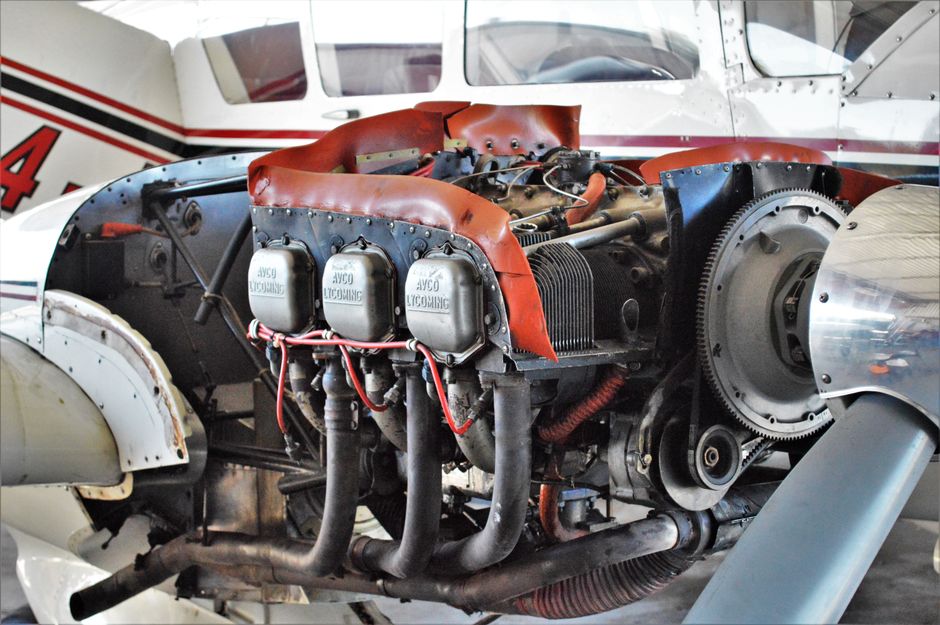
The rocker cover is the small metal cap on top of each cylinder that covers the valve train. On a parallel valve cylinder, the rocker cover is square-shaped and sticks outward from the cylinder head in a boxy, protruding way. It almost looks like a little rectangular box bolted to the top of the cylinder. This is the classic look you will see on the O-320, the standard O-360, and the lower-powered O-540 engines.
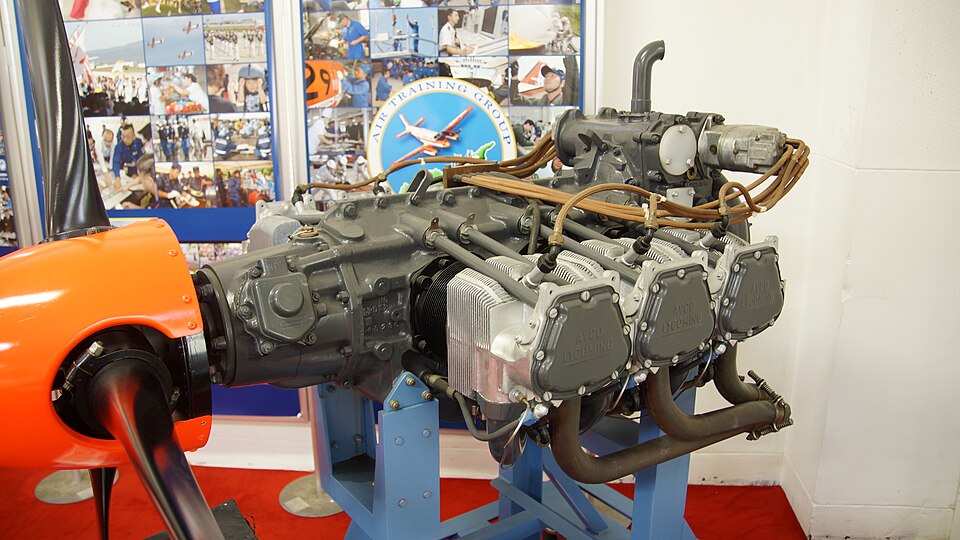
On an angle valve cylinder, the rocker cover is flat and trapezoidal — meaning it tapers slightly and sits flush rather than poking out. It has a sleeker, lower-profile look compared to the boxy parallel valve cover.
Why does the shape change? Because the valve arrangement inside the head is completely different:
- On a parallel valve engine, the rocker arms run on a shared shaft and sit close together, which pushes the rocker cover outward.
- On an angle valve engine, the rocker arms angle away from each other rather than running parallel. This spreads the valve train out more and gives the cover a flatter, wider shape.
This visual difference is extremely helpful in real-world situations:
- You can identify an engine type from across the hangar without needing paperwork.
- Mechanics use this to quickly confirm what they are working on before they start.
- Buyers inspecting a used aircraft can immediately verify the engine type against the logbooks.
There is another practical benefit to knowing this. When you are shopping for replacement cylinders, the two types are not interchangeable. Parallel valve cylinder assemblies and angle valve cylinder assemblies require different rocker covers, different head castings, different valves and valve guides, and different hardware. Ordering the wrong type is an expensive mistake that the visual check helps prevent.
The IO-360 engine family is a great example of why this matters. The fuel-injected IO-360 at 180 hp uses a parallel valve head. The IO-360 at 200 hp uses an angle valve head. Same engine name, same displacement, completely different cylinder head design. The rocker cover shape is your fastest and easiest way to know exactly which one you are dealing with before you ever open a logbook.
What's Actually Happening Inside the Cylinder
Now let's look at what makes these two designs fundamentally different on the inside — because this is where the real story is.
Every internal combustion engine has a space at the top of the cylinder where the air-fuel mixture gets compressed and burned. That space is called the combustion chamber. The shape of that chamber has a huge effect on how well the engine breathes, how efficiently it burns fuel, and how much power it can make.
The Parallel Valve Design
In a parallel valve engine, both the intake and exhaust valves sit upright, parallel to each other and to the cylinder bore. Because both valves are straight up and down, the top of the combustion chamber ends up relatively flat. Here is what that flat-top design means in practice:
- Airflow has to change direction as it moves through the chamber, which creates some resistance.
- Compression ratios are typically lower — around 8.5:1 on most O-360 and O-320 engines.
- The valves and valve guides sit closer together, which limits how much cooling fin material can fit between them in the head.
- The piston at the top of its stroke compresses a relatively flat volume of air and fuel.
This design works well and has powered millions of flight hours. It just has a ceiling on how efficiently it can breathe at higher output levels.
The Angle Valve Design
In an angle valve engine, the intake and exhaust valves are tilted inward toward each other rather than sitting straight up. This angled arrangement creates a dome-shaped, hemispherical combustion chamber — the same concept Dodge used in its famous Hemi V8 engines. Here is what this changes:
- Airflow enters and exits the chamber more smoothly because the valves open away from the chamber walls rather than close to them.
- Compression ratios run slightly higher — typically around 8.7:1 — which helps the engine produce more power from the same displacement.
- More space exists between the valves in the head, which allows for deeper cooling fins and a better heat-dissipation path for the exhaust valve.
- The piston compresses a dome-shaped charge, which burns more evenly and efficiently.
The angle valve design also requires a more complex crankcase and crankshaft setup. The crankshaft on most angle valve engines uses counterweights, which adds weight but also smooths out vibration at higher power output. The piston in the angle valve engine often includes oil cooling nozzles that spray oil directly on the underside of the piston skirt — another reason these engines run cooler cylinder head temperatures but put more load on the oil cooling system.
The bottom line: the flat-top design is simpler and lighter. The hemispherical design is heavier and more expensive but breathes better, makes more power, and keeps cylinder head temperatures lower at high power settings.
The Real Differences Between Parallel Valve and Angle Valve Lycoming Engines
Now that you understand how each design works, here is how they compare across the categories that matter most to pilots and aircraft owners. This section covers everything power, weight, cooling, maintenance, and cost so you can walk away with a clear picture of what each engine type brings to the table.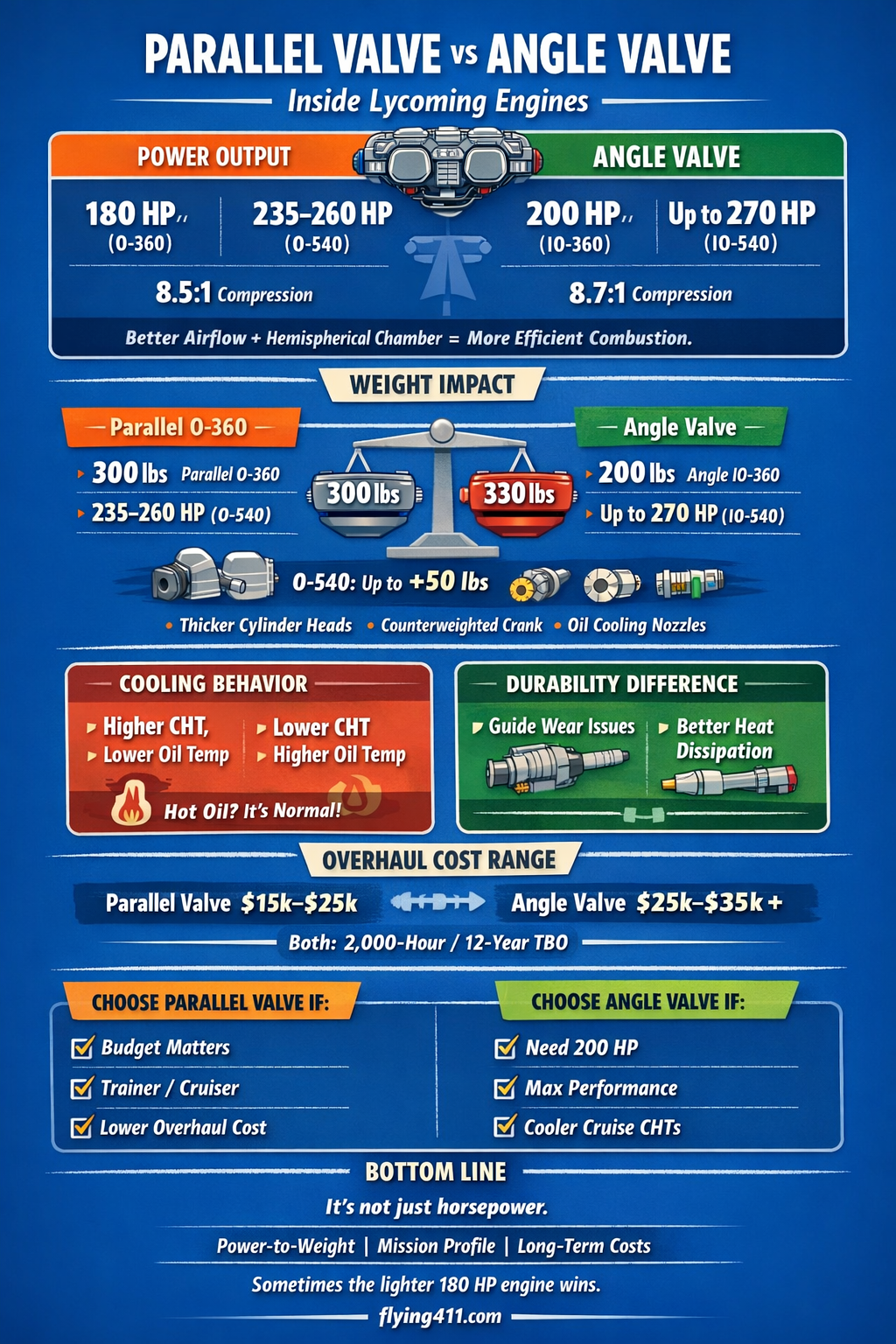
Power and Compression
The horsepower gap between the two designs is consistent and predictable across the Lycoming engine families. Here is how the numbers line up:
- O-320 / O-360 parallel valve: 180 hp at 2,700 RPM, compression ratio 8.5:1
- IO-360 angle valve: 200 hp at 2,700 RPM, compression ratio 8.7:1
- IO-540 parallel valve: 235–260 hp at 2,700 RPM, compression ratio 8.5:1
- IO-540 angle valve: up to 270 hp at 2,700 RPM, compression ratio 8.7:1
That extra 20 hp in the 360 family and up to 40 hp more in the O-540 family comes entirely from better airflow through the cylinder head and the slightly higher compression that the hemispherical combustion chamber allows. There is no extra displacement involved. The angle valve engine simply burns the same amount of air and fuel more efficiently, which lets it produce more power from the exact same cubic inches.
This is also why the parallel valve engine and the angle valve engine are not interchangeable just by swapping cylinders. The rest of the engine including the crankcase, crankshaft, and induction system is built around the cylinder design from the ground up.
Weight Differences
Weight matters in aviation, and the angle valve design carries a real penalty here:
- 180 hp parallel valve O-360 dry weight: approximately 300 lbs
- 200 hp angle valve IO-360 dry weight: approximately 330 lbs — around 30 lbs heavier
- The weight difference in the O-540 family grows to roughly 50 lbs
Where does the extra weight come from?
- Heavier cylinder head castings — roughly 5 lbs more per head
- A counterweighted crankshaft that adds mass but smooths out vibration at higher power
- Additional hardware like piston oil cooling nozzles
- A more robust crankcase built to handle higher output
For a single-engine aircraft, 30 extra pounds sitting right in front of the firewall affects center of gravity, useful load, and climb performance. It is not a dealbreaker for every aircraft, but it is a number worth knowing before you start shopping for an engine upgrade.
Cooling Characteristics: CHT vs Oil Temp
This is one of the most interesting — and most misunderstood — differences between the two designs. Most people assume the more powerful engine runs hotter. With Lycoming engines, the opposite is often true at the cylinder head.
Parallel valve engines:
- Tend to run higher cylinder head temperatures because the flat combustion chamber and tightly spaced valve arrangement limit how much heat can escape through the head
- Typically show lower oil temp because they do not use piston oil cooling nozzles
Angle valve engines:
- Run noticeably cooler cylinder head temperatures thanks to better airflow, deeper cooling fins between the valves, and longer valves and valve guides that carry heat away more effectively
- Show higher oil temp because piston oil cooling nozzles spray oil directly onto the underside of each piston putting more thermal load on the oil cooler
The practical takeaway: if you fly an angle valve engine and your oil temp is creeping up on hot summer days, that is normal. The engine is doing exactly what it was designed to do —moving heat into the oil rather than into the cylinder walls.
Valve Train Durability and the Maintenance Reality
This is the section where parallel valve owners have historically had the most headaches. The parallel valve cylinder has a well-documented tendency toward premature wear of the exhaust valve and valve guides particularly in engines that sit for long periods or run at high CHTs.
Here is why it happens:
- The flat-top design places the valves and valve guides closer together with less head material surrounding them
- Less material means a shorter path for heat to travel away from the exhaust valve, which operates at very high temperatures
- Over time, that heat causes the valve guide to bell-mouth meaning it wears into an oval shape at the combustion end
- Once the guide wears, hot combustion gases mix with oil residue and form a hard carbon deposit inside the guide bore, which can cause the valve to stick
A stuck exhaust valve is not a situation anyone wants to deal with in flight. Lycoming addressed this problem with two major product improvements:
- Increasing the valve stem diameter from 7/16 to 1/2 inch in the mid-1960s
- Switching to high-chrome valves and valve guides starting in 1999 now standard on all new cylinders and overhaul kits
The angle valve cylinder handles heat much better in this area. Longer guides, more head material between the valves, and deeper cooling fins all reduce the thermal stress on the exhaust valve and guide. This is one of the clearest long-term durability advantages of the angle valve design.
Lycoming Engine Overhaul Cost and Time to Expect
The cost difference between overhauling a parallel valve engine and an angle valve engine is significant and it catches some owners off guard if they are not prepared for it.
Parallel valve overhaul costs (approximate):
- Factory rebuilt O-360 or IO-360 at 180 hp: roughly $18,000–$25,000 depending on the overhaul facility and parts condition
- O-320 overhaul: slightly less, generally in the $15,000–$20,000 range
- Aftermarket parallel valve cylinder assemblies are widely available from suppliers like Superior Air Parts, keeping parts costs competitive
Angle valve overhaul costs (approximate):
- Factory rebuilt IO-360 at 200 hp: roughly $25,000–$35,000 or more
- Higher costs reflect the price of angle valve cylinder assemblies, the heavier counterweighted crankshaft, and additional internal hardware
- Historically, Lycoming was the only source for angle valve cylinder assemblies — which kept prices high. Continental Motors now offers FAA-PMA approved versions, which has introduced some competition and helped moderate pricing
TBO for both types: Both the parallel valve and angle valve variants of the O-360 and IO-360 families share a factory-recommended TBO of 2,000 hours or 12 years, whichever comes first. The actual time you get before overhaul is closely tied to how often the engine flies, how well the oil is managed, and how carefully CHTs are controlled.
One important note: fuel injection on the IO-360 engine in both the 180 hp and 200 hp versions does not meaningfully change the TBO. What matters most is consistent operation, regular oil changes, and keeping the engine flying regularly rather than sitting on the ramp for months at a time.
If you want to know more about Lycoming engine overhaul we have a full coverage in our blog page.
Best Aircraft Engines for Private Owners
If you are a private owner trying to decide which type of Lycoming powerplant makes the most sense for your mission, here is a straightforward breakdown:
The parallel valve engine is a strong choice if:
- Your aircraft was designed for it and the cowl fits
- You want lower overhaul costs and wide parts availability
- You fly a Cessna 172, Piper Cherokee, or similar trainer-class aircraft
- You are not chasing maximum cruise speed or high-altitude performance
- Budget matters and you want a reliable, proven powerplant without premium pricing
The angle valve engine makes more sense if:
- Your aircraft requires it Mooney 201, Piper Arrow, Cessna Cardinal RG, Grumman Tiger, and others were specifically designed around the 200 hp IO-360 angle valve
- You want lower cylinder head temperatures at cruise power settings
- You prioritize horsepower-per-displacement and are willing to pay for it
- You are building or restoring a performance-oriented homebuilt and want maximum output from a 360 cubic inch engine
- You have the budget for higher overhaul costs and are planning for them from day one
The O-540 family follows the same logic. The parallel valve versions in the 235–260 hp range are excellent workhorses for aircraft like the Piper Cherokee 6, Van's RV-10, and Cessna Skylane. The angle valve versions push 270 hp and beyond power aircraft like the Piper Saratoga and higher-performance singles that need every bit of output the engine can provide.
The bottom line for private owners: match the engine to the aircraft and the mission — not just the horsepower number. A lighter, simpler parallel valve engine in the right airframe will often outperform a heavier angle valve engine in the wrong one, simply because power-to-weight ratio matters just as much as peak horsepower.
If you need more information regarding the other best aircraft engines for private use we have a full breakdown on our site.
Conclusion
The difference between a Lycoming parallel valve and angle valve engine goes deeper than most pilots expect. It is not just a name difference or a minor variation, it is two fundamentally different cylinder head designs that produce different amounts of power, different cooling behavior, different maintenance demands, and different ownership costs.
The parallel valve design gives you a lighter, simpler, and more affordable engine that has powered general aviation for decades.
The angle valve design gives you more horsepower, cooler cylinder head temperatures, and better valve durability but at a higher weight and cost. Neither design is wrong. They each make sense for the right aircraft and the right mission.
Knowing which one is under your cowl and understanding what that means for your maintenance schedule, your cooling setup, and your overhaul planning is exactly the kind of knowledge that makes you a smarter aircraft owner.
For more engine guides, aircraft maintenance tips, and in-depth general aviation resources, visit Flying411 and keep learning.
Frequently Asked Questions
Can I swap parallel valve cylinders for angle valve cylinders on my Lycoming engine?
Not as a simple bolt-on swap. The two cylinder types require different rocker covers, valve hardware, and head castings. The base engine — including the crankshaft and crankcase — also differs between the two configurations. Always consult a certified mechanic or engine shop before attempting any cylinder change.
Does the angle valve design require premium or higher-octane fuel?
The slightly higher compression ratio of the angle valve engine typically requires 100LL avgas. Many parallel valve engines can run on lower-grade fuels, and some lower-compression parallel valve models are approved for mogas. Always check your Pilot's Operating Handbook and engine data plate for approved fuel specifications.
Do both engine types have the same TBO?
Most Lycoming O-360 and IO-360 engines — both parallel and angle valve — share a factory-recommended TBO of 2,000 hours or 12 years, whichever comes first. However, actual time-to-overhaul can vary based on operating conditions, oil change intervals, and how regularly the engine is flown.
Is the angle valve engine harder to find a mechanic for?
No — any A&P mechanic familiar with Lycoming engines can work on both types. However, angle valve cylinders are more expensive and may have longer lead times depending on your location and parts supplier. Having a relationship with a shop that stocks both types can save time during an unscheduled maintenance event.
Why do some IO-360 engines show 180 hp and others show 200 hp if they have the same name?
The IO-360 designation covers a large family of engines. The 180 hp versions use a parallel valve cylinder head, while the 200 hp versions use an angle valve cylinder head. They share the same displacement but are internally quite different. Always check the full engine model number on the data plate — not just the family name — to confirm exactly which variant is installed.