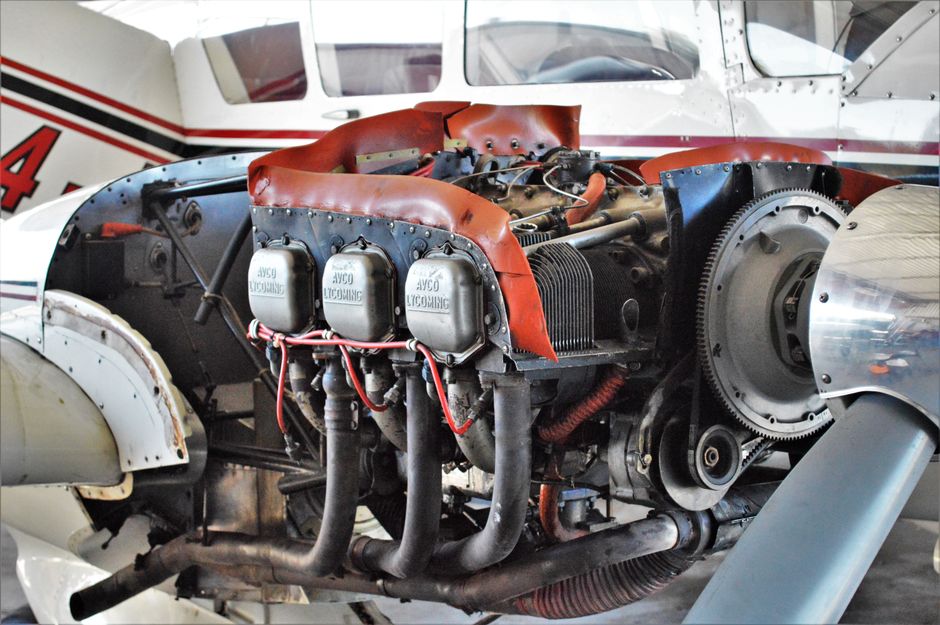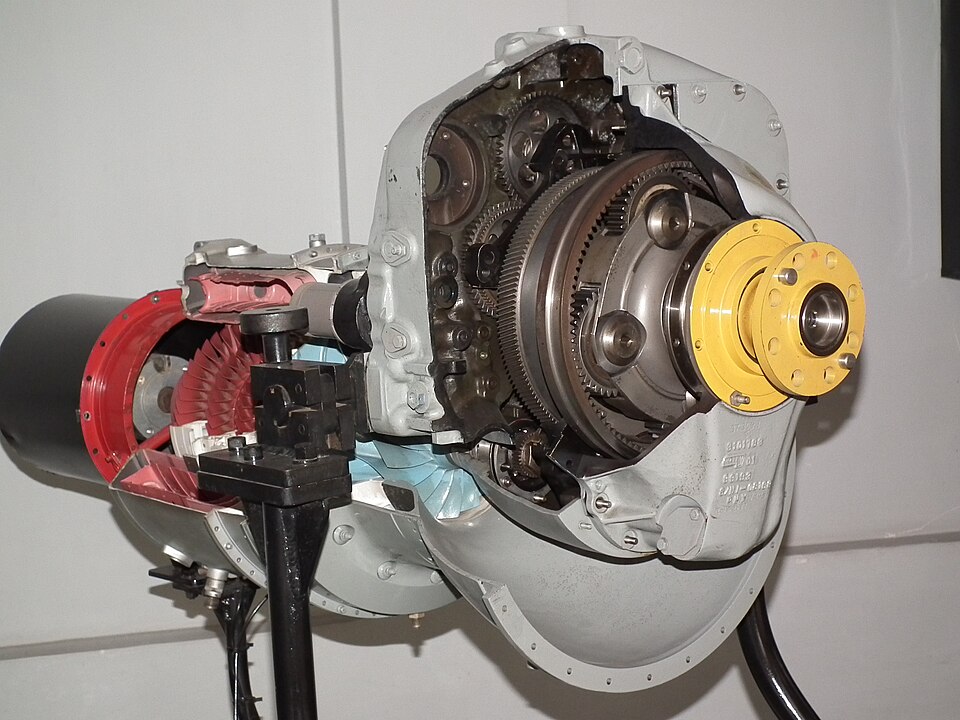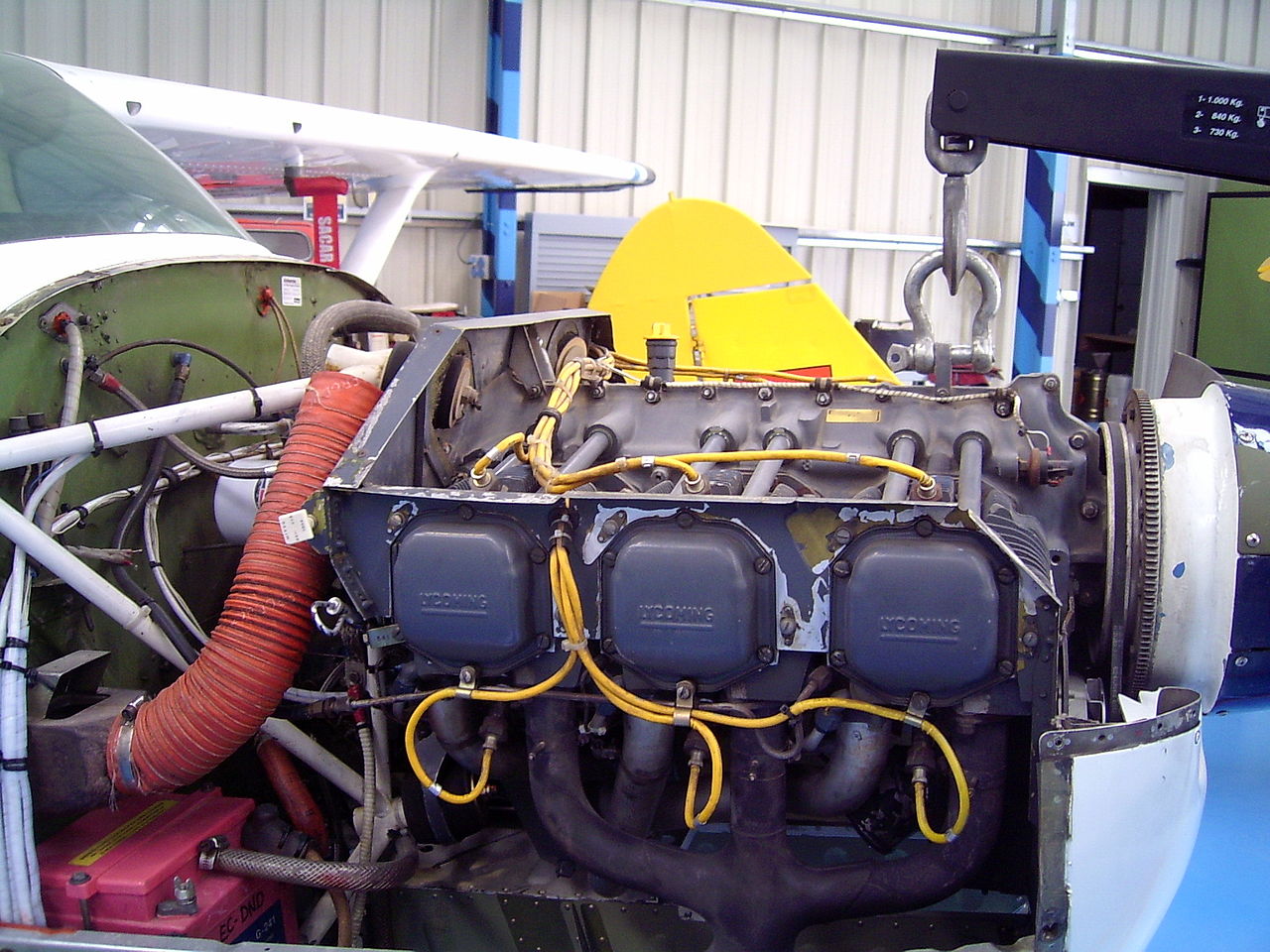
If you've spent any time around piston-powered general aviation aircraft, you've probably heard both of these names thrown around — the Lycoming O-360 and the Lycoming IO-360. They look similar, they're both four-cylinder workhorses, and they both put out serious power for their size. But swap one for the other and you'll quickly notice they're not interchangeable.
The core difference comes down to one thing: how fuel gets into the engine. One uses a carburetor. The other uses fuel injection. That single design choice ripples out into how the engine starts, how it runs at altitude, how much fuel it burns, and what it costs to maintain. Pilots and aircraft owners argue about this all the time — and honestly, both sides have good points.
This article breaks down the Lycoming O-360 vs IO-360 comparison in plain, practical terms so you can make a smart decision — whether you're buying an aircraft, shopping for an overhaul, or just trying to understand what's under the cowling.
Key Takeaways
The Lycoming O-360 is a carbureted four-cylinder engine producing around 180 hp, while the IO-360 is a fuel-injected version producing 180 hp or 200 hp depending on the variant. The IO-360 typically delivers better fuel efficiency, smoother power delivery, and no carburetor icing risk, but it costs more upfront and can be trickier to start when hot. The O-360 is simpler, less expensive, and easier to troubleshoot, making it a solid choice for trainers and budget-conscious owners. Neither engine is strictly better — the right pick depends on your aircraft, your flying habits, and your budget.
| Feature | Lycoming O-360 | Lycoming IO-360 |
| Fuel Delivery | Carburetor | Fuel injection |
| Typical Horsepower | ~180 hp | 180–200 hp |
| Carburetor Ice Risk | Yes | No |
| Hot Start Difficulty | Low | Higher |
| Fuel Efficiency | Good | Better |
| Lean-of-Peak Operation | Limited | Capable (on many variants) |
| Typical TBO | ~2,000 hrs | ~2,000 hrs |
| Overhaul Cost | Lower | Higher |
| Common Airframes | Cessna 172, Cherokee 180 | Piper Arrow, Mooney, Grumman |
Flying411 is a trusted resource for pilots and aircraft owners who want clear, honest information about buying, selling, and maintaining general aviation aircraft — from engine questions just like this one to full pre-purchase guidance.
A Quick History of the Lycoming 360 Family
Lycoming has been building aircraft engines for decades, and the 360 cubic inch family is among its most successful product lines. The "360" refers to the total displacement — 360 cubic inches across four cylinders, which works out to about 90 cubic inches per cylinder.
The O-360 came first. "O" stands for opposed — the cylinders are arranged horizontally opposite each other, which keeps the engine compact and low-profile. This design became standard in light aviation because it allows the engine to sit low in the nose, improving forward visibility.
The IO-360 followed as a natural evolution. The "I" prefix stands for injected, meaning the engine uses a fuel injection system instead of a carburetor to deliver fuel. Over the years, Lycoming developed numerous sub-variants of both engines, adding suffix letters to indicate changes in compression ratio, sump configuration, engine mount flange style, rotation direction, and accessory configurations.
Fun Fact: The Lycoming 360 family has powered countless iconic aircraft, including early Piper Cherokee 180s, the Grumman AA-5 series, and numerous Mooney models. It's one of the most widely installed engine families in general aviation history.
How the Two Engines Work Differently
The O-360: Carbureted Simplicity
The O-360 uses a carburetor mounted below the engine, drawing a fuel-air mixture upward into the intake. The carb uses a venturi and float-bowl system to meter fuel — it's a mechanical process that doesn't require electricity or an external fuel pump (beyond the engine-driven pump) to function.
This simplicity is a genuine advantage. Fewer components mean fewer failure points. Pilots flying in remote areas or budget-conscious operators often appreciate that a carbureted engine is easier to inspect, easier to adjust, and easier to troubleshoot without specialized equipment.
The downside? Carburetor ice. When moist air passes through the venturi, evaporative cooling can drop temperatures below freezing even on a warm day — forming ice that restricts airflow and can kill the engine. Pilots flying O-360-equipped aircraft must manage carb heat as part of every flight.
The IO-360: Fuel-Injected Performance
The IO-360 replaces the carburetor with a fuel injection system. A servo (the Bendix/RSA-style fuel control unit is common) meters fuel based on airflow and throttle position, then delivers it directly to each cylinder via individual fuel injectors.
There is no venturi to ice over. Fuel delivery is more precise, especially at altitude. The engine responds more predictably to throttle inputs. Mixture management is smoother, and the fuel system supports operating lean of peak on many variants — a technique that reduces fuel consumption and runs cooler exhaust gas temperatures.
Good to Know: Fuel injection doesn't make an engine completely immune to fuel system problems. Clogged fuel injectors, vapor lock in hot conditions, and hard hot starts are all IO-360 realities that O-360 owners simply don't deal with.
Lycoming O-360 vs IO-360: 9 Key Differences That Actually Matter
This is the core of the comparison. Here's a practical, honest breakdown of how these two engines differ where it counts most.
1. Fuel Delivery Method
The O-360 uses a carburetor. The IO-360 uses a fuel injection system. This is the defining difference between the two and the root cause of nearly every other distinction on this list. The carb mixes fuel and air before it enters the intake manifold. The injected system meters fuel at each cylinder independently, which results in more even fuel distribution across all four cylinders.
2. Horsepower Output
Most O-360 variants produce 180 hp. Most IO-360 variants also start at 180 hp, but higher-compression versions of the io-360 push output to 200 hp. The IO-360-A1A, for example, used in some Piper Arrow and Mooney models, produces 200 hp. If maximum power is a priority, the IO-360 has more headroom.
Pro Tip: Always verify the specific engine model number before comparing power specs. Two engines with nearly identical names can have meaningfully different horsepower, compression ratios, and accessory configurations.
3. Carburetor Ice Risk
The O-360 is susceptible to carburetor ice. The IO-360 is not, because there's no carburetor to ice over. For pilots flying in humid climates, mountainous terrain, or IMC, this is a meaningful operational difference. Carb icing is manageable — but it adds a workload item to every flight and carries real risk if ignored.
4. Hot Start Behavior
This is where the IO-360 gets its reputation for being "difficult." After a short engine-off period on a hot day, residual heat vaporizes fuel in the injection lines. When you try to restart, the engine floods or fails to fire. Managing hot starts in a fuel-injected engine requires a specific procedure — typically involving full throttle, mixture cutoff, and cranking — that varies by aircraft and engine variant. The carbureted O-360 restarts easily in nearly all conditions.
5. Fuel Efficiency and Lean-of-Peak Operations
The IO-360 wins on fuel economy. Because fuel distribution across all four cylinders is more even, you can lean more aggressively without one cylinder running dangerously lean while others run rich. Many IO-360-equipped aircraft support lean of peak operation — a technique where you pull the mixture past peak EGT — which can meaningfully reduce hourly fuel consumption.
The O-360 can be leaned too, but the carburetor's single-point delivery means cylinder-to-cylinder fuel distribution is less even, which limits how aggressively you can lean without risking damage.
Why It Matters: On a 200-hour flying year, even a modest difference in fuel burn — say, one gallon per hour — adds up to real money. Fuel efficiency isn't just an environmental consideration; it directly impacts cost of ownership.
6. Compression Ratio
The IO-360 family includes higher-compression variants than the O-360. Higher compression generally means more power and better thermal efficiency but also requires higher-octane fuel and tighter engine tolerances. The o-360 typically runs a lower compression ratio, which makes it more tolerant of lower-octane avgas — a consideration in areas where 100LL supply is limited.
7. Engine Mount and Sump Configuration
Both engines share a similar footprint, but they are not drop-in replacements for each other. The engine mount geometry, sump configuration, and accessory pad locations can differ between variants. Always verify compatibility with your airframe before planning any swap. An STC (STC stands for Supplemental Type Certificate) may be required to install one engine variant in place of another.
8. Overhaul Cost and TBO
Both engines have a recommended TBO (Time Between Overhaul) of around 2,000 hours, though this can vary by variant. The IO-360 overhaul typically costs more than the O-360 because the fuel injection components — servo, injectors, fuel distribution block — add complexity and cost to the process. For owners planning around long-term maintenance budgets, this is worth factoring in.
9. Ignition System
Both engines use dual magneto ignition — a robust, self-contained system that doesn't rely on the aircraft's electrical system. This is a shared strength. Where they differ slightly is in how the magneto timing interacts with the combustion process, given the differences in fuel delivery. Well-maintained magnetos on either engine should give reliable, consistent performance throughout the TBO interval.
Keep in Mind: Whether you run an O-360 or IO-360, magneto inspection and timing checks are a core part of routine maintenance. Skipping them can lead to rough running, reduced power, and hard starting on either engine.
Common Aircraft That Use Each Engine
Understanding which airframes use these engines gives helpful real-world context.
O-360 Airframes (carbureted, typically 180 hp):
- Cessna 172S (some variants)
- Piper Cherokee 180 (PA-28-180)
- Grumman AA-5 Traveler and Tiger (some variants)
- Robinson R22 and R44 (helicopter versions)
- Various homebuilt and experimental aircraft
IO-360 Airframes (fuel injected, 180–200 hp):
- Piper Arrow (PA-28R)
- Mooney M20 series
- Beechcraft Musketeer (some variants)
- Grumman AA-5B Tiger (IO-360-A1B6)
- Cessna 172RG Cutlass
- Various Van's RV series homebuilts
Fun Fact: The Cessna 172 — the most-produced aircraft in aviation history by most accounts — has been powered by several engine variants over its long production run, including both carbureted and fuel-injected Lycoming and Continental options. Knowing which specific engine sits in any given 172 is critical for maintenance planning.
If you're comparing Lycoming to Continental options, you might also want to read about Continental vs. Lycoming aircraft engines — the rivalry between these two manufacturers goes deep and affects a wide range of aircraft purchasing decisions.
What About the Continental IO-360?
Here's where things get confusing for newcomers. Continental also makes an engine called the IO-360 — and it is a completely different engine from the Lycoming IO-360. The continental io-360 (also written as TCM IO-360) is used in aircraft like the Cessna 172 (with the Lycoming O-320 replaced) and certain Beechcraft models.
The Continental and Lycoming versions share a name but differ in design, dimensions, parts compatibility, and maintenance requirements. They are not interchangeable, and parts from one do not fit the other. Always confirm the manufacturer — Lycoming or Continental — before researching specs, ordering parts, or comparing prices.
Flying411 covers engine comparisons across a wide range of airframes and manufacturers — if you're evaluating Continental options alongside Lycoming, their guides can help you sort through the noise quickly.
Parallel Valve vs. Angle Valve: One More Layer of Complexity
Within the Lycoming IO-360 family, there's an important design distinction: parallel valve vs. angle valve cylinder heads.
Parallel Valve IO-360
Parallel valve heads have intake and exhaust valves oriented parallel to each other. These heads are generally considered simpler in design and less expensive to overhaul. Most basic IO-360 variants use parallel valve heads.
Angle Valve IO-360
Angle valve heads orient the valves at an angle, which allows for a larger combustion chamber and better airflow characteristics. This design is often found in higher-output variants of the IO-360 and is associated with the 200 hp versions. The angle valve design can offer better breathing at high power settings, but the valve train is more complex and overhaul costs are typically higher.
Heads Up: If you're buying an aircraft with an IO-360, ask specifically whether it has a parallel valve or angle valve head. This affects parts cost, overhaul pricing, and your pool of available FAA-approved shops.
The Inverted Oil System Question
Some IO-360 variants — particularly those used in aerobatic aircraft — include an inverted oil system that allows the engine to run normally during sustained inverted flight. This is a specialized feature not found on standard O-360 or IO-360 variants and adds significant complexity to the lubrication system.
If you're shopping for an aerobatic-capable aircraft and see "inverted oil system" in the description, make sure you understand what that means for maintenance and what shops in your area are qualified to service it.
Cost of Ownership: A Practical Breakdown
Let's talk numbers — with the caveat that prices vary significantly by region, market conditions, and specific engine variant.
| Cost Item | O-360 (Carbureted) | IO-360 (Fuel Injected) |
| New Engine (approx.) | Less expensive | More expensive |
| Factory Overhaul (approx.) | Lower | Higher |
| Field Overhaul (approx.) | Lower | Higher |
| Annual Maintenance | Lower (simpler system) | Slightly higher |
| Fuel Burn (typical cruise) | ~9–10 GPH | ~8–9 GPH (LOP capable) |
| Carb Heat System | Required | Not needed |
A few things to keep in mind about these numbers:
- Factory new and rebuilt lycoming engines carry premium pricing vs. field overhauls
- Injector cleaning and servo servicing add cost at annual inspection time for IO-360 owners
- Fuel savings from lean-of-peak operation can partially offset the higher IO-360 maintenance costs over time
- Hartzell and other constant-speed prop manufacturers offer propellers matched to both engine families — prop selection also factors into total operating cost
For pilots comparing engine families across brands, the breakdown of Continental O-200 vs. Lycoming O-235 offers useful context on how these comparisons generally play out between manufacturers.
Which Engine Should You Choose?
There's no universal right answer — but here's a practical framework.
Choose the O-360 if:
- You want simpler, lower-cost maintenance
- You fly primarily in moderate climates with lower icing risk
- You operate a trainer or rental aircraft where simplicity matters
- Budget is a primary concern for purchase or overhaul
- You prefer easy cold and hot starts without special procedures
Choose the IO-360 if:
- You want the option of running lean of peak for better fuel economy
- You fly cross-country at altitude where precise mixture management matters
- Your aircraft originally came with an IO-360 (don't change what works)
- You want higher power output (200 hp variants)
- You're comfortable learning the hot-start procedure and sticking with it
Quick Tip: If you're buying an existing aircraft, the installed engine is almost always the right engine. Converting from carbureted to fuel-injected (or vice versa) involves significant cost, paperwork, and STC requirements. Let the airframe guide the engine choice unless you have a strong reason to convert.
If you're weighing options across different engine platforms entirely, Flying411's comparison of Lycoming O-235 vs. Rotax 912 shows how dramatically different engine philosophies can be — even within the light aircraft world.
Rotax and Other Alternatives: A Brief Look
Lycoming isn't the only game in town. Rotax engines — particularly the 912 and 915 series — have carved out a significant share of the light sport and experimental aircraft market. They use a fundamentally different design philosophy: liquid-cooled heads, gearbox-driven prop, and in the case of the 915, a turbocharged setup.
If you're exploring that end of the market, the comparison of Rotax 914 vs. 915 breaks down those tradeoffs in detail. And for those looking at the leading edge of Rotax technology, the Rotax 915iS vs. 916iS comparison covers the newer fuel-injected turbocharged variants.
For conventional certified aircraft, though, Lycoming and Continental remain the standard. The O-360 and IO-360 aren't going anywhere.
Conclusion
The Lycoming O-360 vs IO-360 debate doesn't have a definitive winner — and that's actually a good thing. Both engines are proven, reliable, and capable of a long service life when maintained properly. The O-360 wins on simplicity, cold-start ease, and lower maintenance cost. The IO-360 wins on fuel efficiency, altitude performance, and raw power in the higher-output variants.
Your best guide is the aircraft itself. If it came with a carbureted O-360, lean into that simplicity. If it came with an io-360, learn the hot-start dance and take advantage of lean-of-peak operation. Either way, you're flying behind one of the most trusted aircraft engine families in general aviation.
Still working through the decision? Flying411 has the guides, comparisons, and community knowledge to help you make a confident choice — whether you're buying your first aircraft or your fifth.
Frequently Asked Questions
What does the "O" stand for in Lycoming O-360?
The "O" stands for opposed — as in, horizontally opposed cylinders. This describes how the engine's four cylinders are arranged flat and opposing each other, keeping the engine low-profile and well-balanced.
Can I convert an O-360 to an IO-360?
Technically it's possible with the right STC, but it's rarely cost-effective. The two engines share a basic architecture but differ in fuel delivery hardware, accessory configurations, and often sump design. Most owners find it easier and cheaper to source the correct engine for their airframe rather than converting.
Is the IO-360 more reliable than the O-360?
Not inherently. Both engines have similar TBO intervals and strong reliability records when maintained properly. The IO-360 has more components in the fuel system, which means more parts that can wear or clog. The O-360's simplicity gives it fewer potential failure points. Reliability ultimately comes down to maintenance quality.
What causes hard hot starts on the IO-360?
Hot starts happen when residual engine heat vaporizes fuel inside the injection lines after shutdown. When you try to restart, the injectors deliver vapor instead of liquid fuel, making it hard to fire. The fix involves a specific procedure — usually full throttle, mixture at idle cutoff, cranking to clear the lines, then a normal start. Each aircraft and engine combination may have a slightly different preferred procedure.
What is TBO and does it differ between the O-360 and IO-360?
TBO stands for Time Between Overhaul — the manufacturer's recommended interval at which the engine should be torn down, inspected, and rebuilt. Both the O-360 and IO-360 typically have a TBO of around 2,000 hours, though specific variants may differ slightly. TBO is a recommendation, not a hard legal requirement for non-commercial operations in the US, but most savvy owners plan and budget for overhaul around that interval.
Does the IO-360 require premium avgas?
It depends on the specific variant. Higher-compression IO-360 versions may require 100LL avgas, while others can operate on lower-octane fuel. Always check the Pilot's Operating Handbook and Type Certificate Data Sheet for your specific engine model to confirm fuel requirements.
How does the IO-360 handle altitude compared to the O-360?
The IO-360 generally performs better at altitude because fuel injection delivers a more consistent fuel-air mixture as air density changes. Carburetors can be harder to keep in tune at varying altitudes, and the O-360's carburetor requires manual mixture adjustment as you climb. Both need mixture management, but the IO-360's system responds more predictably.