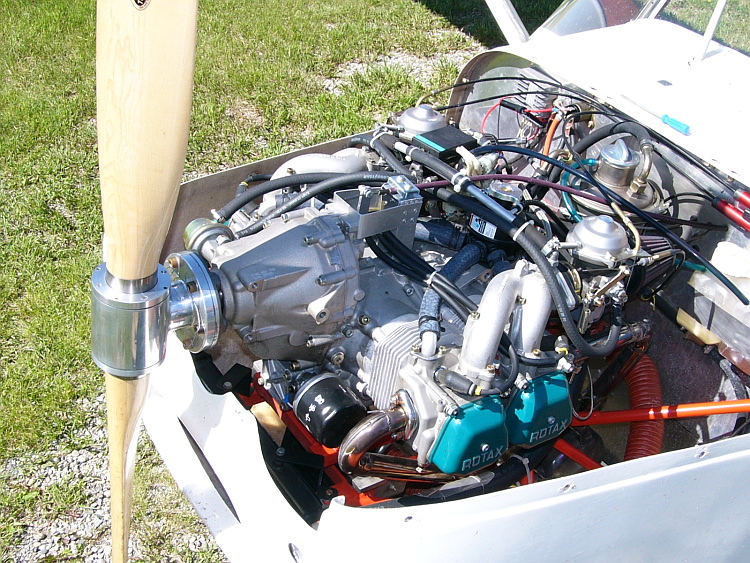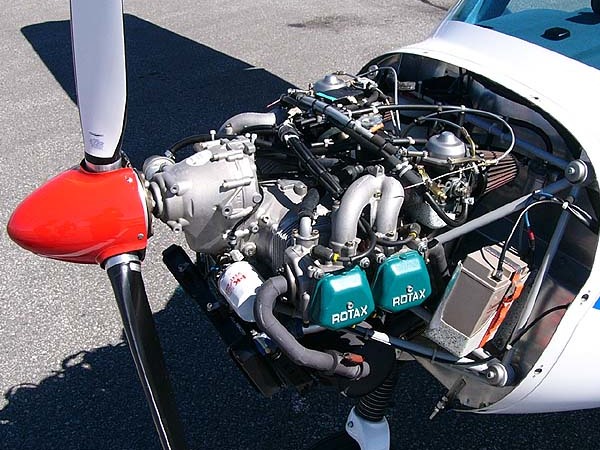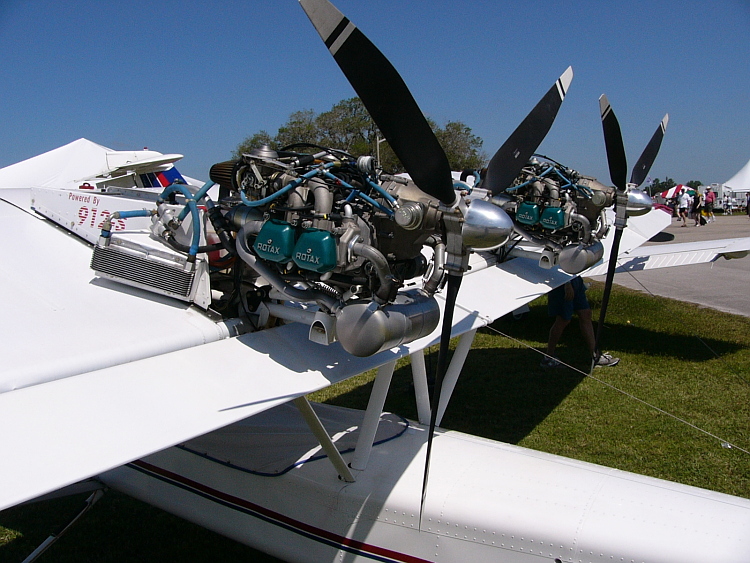
The Rotax 912 has earned a loyal following among light sport and experimental pilots, and a big part of that comes down to how reliable it stays when you treat it right. Clean oil sits at the heart of that reliability.
Knowing how to change oil in a Rotax 912 is one of the most useful skills an owner can pick up, and the good news is that it follows a clear, repeatable routine once you understand the engine's quirks.
This little powerplant does a few things differently from the big-bore aircraft engines many pilots grew up around. The trickiest part of the whole job isn't the oil at all. It's getting the engine to burp first.
Key Takeaways
Changing the oil in a Rotax 912 means warming the engine, burping it to send the oil back to the tank, draining the old oil, swapping the filter, checking the magnetic plug for metal, and refilling with about 3 liters of the right motorcycle-grade oil. The whole job takes most owners an hour or two once they have done it a couple of times. The two steps that trip people up are the burping routine and choosing an oil that suits both the gearbox and the fuel being used.
| Topic | Quick Answer |
| Oil type | 4-stroke motorcycle oil, API SG or higher, with gear additives. No friction-modifier or diesel-only oils. |
| Oil amount | About 3 liters (close to 3 US quarts) |
| How often | Roughly every 100 hours or 12 months on unleaded fuel. Closer to every 50 hours if you run leaded avgas a lot. |
| The burp | Turn the prop by hand with the oil cap off until you hear a gurgle, so the level reads correctly. |
| Never skip | The magnetic plug check and cutting open the old filter |
| Tools | Filter wrench, drain pan, torque wrench, safety wire, and a fresh sealing washer |
Flying411 is an aviation marketplace and resource hub where owners buy, sell, and care for aircraft, which makes the hands-on maintenance side feel right at home here too.
What Makes the Rotax 912 Oil System Different
Before you touch a wrench, it helps to understand why a Rotax 912 oil change doesn't look like the one your car needs. The 912 uses a dry sump lubrication system, and that single design choice shapes almost every step that follows.
The Dry Sump Setup in Plain Terms
In most car engines, the oil sits in a pan bolted to the bottom of the engine. The Rotax does it differently. The oil lives in a separate oil tank, away from the crankcase. A pump pushes oil through the engine to lubricate everything, and the used oil drains down into the bottom of the engine. From there, crankcase pressure pushes that oil back up into the tank.
That last part is the unusual bit. Many dry sump engines use a second pump to scavenge the oil. The Rotax leans on the natural pressure built up inside the crankcase instead. When the engine stops, some oil is still sitting down in the crankcase rather than up in the tank. That matters a lot when you go to check the level, which is exactly why the burping step exists.
Why the Gearbox Shares the Same Oil
The Rotax 912 spins fast, much faster than a propeller should turn. To fix that, it uses a reduction gearbox that slows the propeller shaft down to a sensible speed. Here is the key point for oil changes: that gearbox is lubricated by the same oil that runs through the engine. There is no separate gearbox oil to drain or top up.
This shared setup is also why oil choice gets a little fussy. The oil has to protect the gears and the overload clutch inside that gearbox, not just the engine internals. Pick the wrong product and you can cause clutch slip or poor gear protection.
Good to Know: There is no separate gearbox oil in a Rotax 912. The engine oil does double duty, lubricating both the engine and the reduction gearbox, so the oil you pour in needs to be friendly to both.
Burping the Engine: The Step Most People Miss
Now for the famous part. Burping the Rotax 912 simply means returning the oil from the crankcase back into the oil tank so you can read the level correctly. You do it by removing the oil tank cap and slowly turning the propeller by hand in the direction it normally spins. After a few turns, you will hear a gurgle or a soft murmur coming from the open oil tank.
That sound tells you the bulk of the oil has been pushed back into the tank.
Treat the propeller as live at all times. Make sure the ignition is off and keep your body clear of the arc, just as you would for any hand-turning task.
Why bother? Because if you check the dipstick without burping, the reading will be off. A good chunk of oil is still hiding in the crankcase, so the level looks low. Add oil based on that false reading and you can end up overfilled after only a couple of checks. Burping gives you a true, consistent reading every single time.
Why It Matters: An accurate oil level reading depends entirely on burping first. Owners who check the level cold and unburped often see a low reading, add oil they don't need, and slowly overfill the engine. Burp first, then read, then decide.
What Oil Does a Rotax 912 Take
Picking the right Rotax 912 oil type is half the battle. The factory guidance is refreshingly simple once you cut through the noise. You want a quality 4-stroke motorcycle oil, multi-grade, with an API rating of SG or higher, and with gear additives suited to that shared gearbox.
Oil Type and API Rating
Here is what to look for on the bottle:
- 4-stroke motorcycle oil. These oils are built for engines that share oil with a gearbox and clutch, which is exactly the Rotax situation.
- API SG or higher. This is the minimum quality classification Rotax calls for. Higher is fine.
- Multi-grade viscosity. A multi-grade oil handles a wide temperature range, which suits how these engines get used.
- Gear additives, no friction modifiers. The oil needs to protect the gears, but it must not contain friction modifiers, because those can cause the overload clutch to slip.
- No ashless aviation oil and no diesel-only oils. Traditional aircraft engine oils and diesel-specific oils are not suitable here.
One oil comes up again and again in owner circles. Aeroshell Sport Plus 4 was developed specifically for Rotax 4-stroke engines, and Rotax recommends it, especially when leaded fuel is part of the picture. Plenty of owners also run quality motorcycle oils that meet the same specs and are easier to find locally.
How Fuel Choice Changes Your Oil
The fuel you burn changes the oil game more than most people expect. The Rotax 912 happily runs on unleaded auto fuel (mogas) or leaded aviation fuel (avgas 100LL). It actually prefers unleaded.
Leaded avgas causes trouble because the 912 runs cooler than older aircraft engines. Those cooler temperatures let lead settle out and form sludge in the oil system, on the spark plugs, and in the gearbox. If you run avgas a lot, a semi-synthetic oil is the wiser pick, because it holds the lead in suspension better than a full synthetic and reduces the risk of lead paste forming.
When you stick mostly to unleaded mogas, you have more freedom in your oil choice and you tend to find the oil tank cleaner at change time.
Heads Up: Skip any oil labeled with friction modifiers and skip diesel-only oils. Friction modifiers can make the overload clutch slip, and diesel oils may not hold up to the gearbox temperatures or carry the right additive balance for this engine.
Fun Fact: Aeroshell Sport Plus 4 is widely known as the oil developed hand in hand with Rotax for these very engines, which is why it shows up so often in maintenance manuals and owner recommendations.
How Much Oil and How Often
Two numbers matter here: how much oil the system holds and how often you change it. The Rotax 912 oil system holds about 3 liters, which is close to 3 US quarts. The gap between the low and full marks on the dipstick is small, often less than a liter, so a little oil makes a noticeable difference on the stick. That is one more reason to burp before you read.
Now for the oil change interval. Here the answer depends heavily on your fuel:
| Fuel used | Typical oil change interval |
| Mostly unleaded mogas | About every 100 hours or every 12 months |
| Leaded avgas more than about 30% of the time | About every 50 hours |
| Brand-new engine, first change | Often around 25 hours |
A quick note on the calendar side. Even if you fly very little, the time limit still applies. Oil picks up moisture and breaks down whether the engine flies or sits, so the 12-month guideline is there to protect you when hours are low.
Many owners change their oil more often than the minimum, and that does no harm beyond the cost of oil. Always treat the numbers above as general guidance and follow the maintenance manual that applies to your exact engine and aircraft. Rotax updates these figures over time, so the current manual is the source that counts.
Keep in Mind: Leaded fuel leaves lead sludge behind, so heavy avgas users service more often. They may also need the gearbox and overload clutch inspected sooner than owners who run mostly unleaded fuel.
Tools and Supplies You'll Need
Gather everything before you start so you are not hunting for a wrench with oily hands. A typical Rotax 912 oil filter change calls for:
- A genuine Rotax oil filter (using the proper filter avoids a lot of old headaches)
- The correct oil, about 3 liters plus a little extra for topping up
- An oil filter wrench that fits the filter
- The right driver for the magnetic drain plug (a Torx no. 40 on current engines, an older type used a 6 mm hex)
- A torque wrench
- A fresh sealing washer or ring for the drain plug
- Safety wire and safety wire pliers for certified installations
- A drain pan and a funnel
- A filter cutter so you can open and inspect the old filter
- Shop rags, gloves, and a little solvent for cleaning the magnetic plug
Pro Tip: Run the engine for a few minutes before you start, just long enough to warm the oil. Warm oil flows out faster and carries more of the contaminants with it, so you drain more of the gunk and less of it stays behind.
How to Change the Oil in a Rotax 912, Step by Step
Here is the heart of the job. These steps cover the full routine for a typical 912 oil change. Drain points and exact fittings vary from one aircraft to the next, so pair these steps with your aircraft and engine manuals for the specifics of your install.
- Warm the engine. Run it for a few minutes so the oil is warm and thin. Warm oil drains cleaner and faster.
- Shut down and make it safe. Turn the ignition off, chock the wheels, and keep the prop area clear. From here on, treat the propeller as if it could start at any moment.
- Burp and check the level. Pop the oil tank cap, turn the prop by hand until you hear the gurgle, and note the oil level. This gives you a baseline reading before you drain.
- Position the drain pan and open the drains. Drain the oil tank and remove the magnetic drain plug to let the crankcase drain. On many installations you also loosen an oil line to let the system empty fully into the pan. Let it drain completely. Patience here means more old oil leaves the engine.
- Remove the old oil filter. Use the filter wrench. Expect a little spill, so have a rag ready.
- Inspect as you go. Set the old filter and the magnetic plug aside for inspection. This is the part too many owners rush past, and it is the part that can warn you of trouble early.
- Reinstall the magnetic plug. Fit a new sealing washer, then torque the plug to spec, which is around 25 Nm (roughly 18 ft-lb) on current engines. Confirm the figure in your manual, then safety wire the plug.
- Install the new filter. Wipe a thin film of fresh oil on the new filter's gasket, then thread it on and tighten by hand following the filter's instructions, usually hand tight plus the additional turn marked on the filter. Safety wire it on certified installs.
- Reconnect any lines you opened and double-check that every fitting is snug.
- Refill with fresh oil. Pour in about 3 liters of the correct oil. Aim for the proper level rather than just dumping the full bottle.
- Prime the system. Turn the propeller by hand around 20 times to move the fresh oil back through the filter and into the engine. Listen for the burp again to confirm the oil has cycled.
- Run, inspect, and recheck. Start the engine, let it run briefly, and look for leaks around the plug and filter. Shut down, burp once more, and check the level. Top up if needed.
That final recheck is easy to forget, but it catches both leaks and a level that settled differently than you expected.
If a job like this feels like more than you want to take on yourself, Flying411 can connect you with certified A&P mechanics and Rotax-savvy service providers who handle oil changes and inspections.
Reading the Magnetic Plug and Old Filter
This is the free health check built into every oil change. The magnetic plug sits in the crankcase and catches stray metal. When you pull it, look closely at what stuck to it.
A light fuzz of very fine particles is often normal, especially on a newer engine that is still breaking in. What you do not want to see is larger chips or flakes. As a rough guide, small amounts of fine steel material below about 3 mm can usually be tolerated, while bigger pieces are a signal to stop and call a Rotax-trained mechanic before flying again.
The old filter tells a similar story. Cut it open with a filter cutter and spread out the paper element. Look through the folds for metal flakes. A clean filter is reassuring. A filter with visible metal, paired with debris on the plug, means it is time for a professional look.
Quick Tip: Before you panic at a dirty-looking plug, wipe it and dunk it in a little solvent. Once the oil film washes away, a smear that looked alarming often turns out to be almost nothing.
Common Mistakes to Avoid
Even a simple job has a few classic traps. Steering around these keeps your engine happy and your wallet intact:
- Skipping the burp and then misreading the oil level
- Overfilling, which happens most often when checking the level cold and unburped
- Using the wrong oil, such as one with friction modifiers, a diesel-only oil, or an ashless aviation oil
- Forgetting the magnetic plug check, which throws away a free early warning
- Reusing the old sealing washer instead of fitting a fresh one
- Leaving the plug and filter unwired on installations that call for safety wire
- Stretching the interval too far on leaded fuel, which lets lead sludge build up
- Forgetting to recheck the level after the first run and burp
Ready to keep your Rotax running strong? Browse parts, oil, filters, and trusted service providers on Flying411 and gather everything your next oil change needs in one place.
How the Rotax 912 Compares to Other Engines
Part of caring for the 912 is understanding where it sits in the wider world of light aircraft engines. Its light weight, geared design, and shared oil system are what make its routine different from older designs, so a little context helps the maintenance make sense.
If you have ever wondered how it lines up against modern rivals, comparisons like the UL Power 350i and the Jabiru 3300 show how cooling style, weight, and maintenance habits differ across brands. The newer, more powerful siblings tell a similar story. Looking at the 916 versus the IO-360 or the Titan 340 highlights how Rotax keeps weight down while pushing power up, which in turn affects heat and oil demands.
Even within the Rotax family, stepping back to the older 582 two-stroke shows how far four-stroke lubrication has come, since two-stroke engines mix oil with fuel instead of running a dry sump. It also helps to look outside the Rotax world entirely. The classic Continental and Lycoming pairing is a reminder of why those big-bore engines run hotter and tolerate leaded fuel more easily than a 912. And if you enjoy seeing the full range, the move from the 914 to the 915 and a rundown of the most powerful Rotax engines round out the picture of where your engine fits.
Keeping Your Rotax 912 Happy
At the end of the day, knowing how to change oil in a Rotax 912 is one of the simplest ways to protect a serious investment. Warm the engine, burp it, drain the old oil, swap the filter, read the magnetic plug, refill with the right motorcycle-grade oil, and burp again. Keep good records, mind your fuel, and respect the change interval.
None of it is hard once the routine clicks, and every clean oil change buys you peace of mind in the air.
Clean oil is the cheapest insurance your engine will ever get, so treat every change like it matters, and let Flying411 be your co-pilot for the parts, oil, and people who know these engines best.
Frequently Asked Questions
Can I change the oil in my Rotax 912 myself?
It depends on how your aircraft is registered. Owners of experimental aircraft often can perform their own oil changes, while certified or light sport aircraft may require a certified mechanic or an appropriately rated repairman to sign off on the work.
Do I still need to change the oil if I haven't reached the hour limit?
Yes. Oil breaks down and picks up moisture over time even when the engine sits, so the calendar limit of around 12 months applies regardless of how few hours you have flown.
Should I clean the oil tank at every oil change?
Generally no. Rotax guidance is to check the tank and clean it only if it is contaminated, so routine tank cleaning at every change is not recommended for most owners.
What happens if I use the wrong oil?
The wrong oil can cause the overload clutch to slip, lead to foaming, or fail to protect the shared gearbox properly. Over time that can mean expensive gearbox or clutch problems that a correct oil would have prevented.
How do I dispose of the used oil?
Take it to an auto parts store, a service shop, or a recycling center that accepts used motor oil. Never pour it on the ground or down a drain, as it is harmful to the environment.