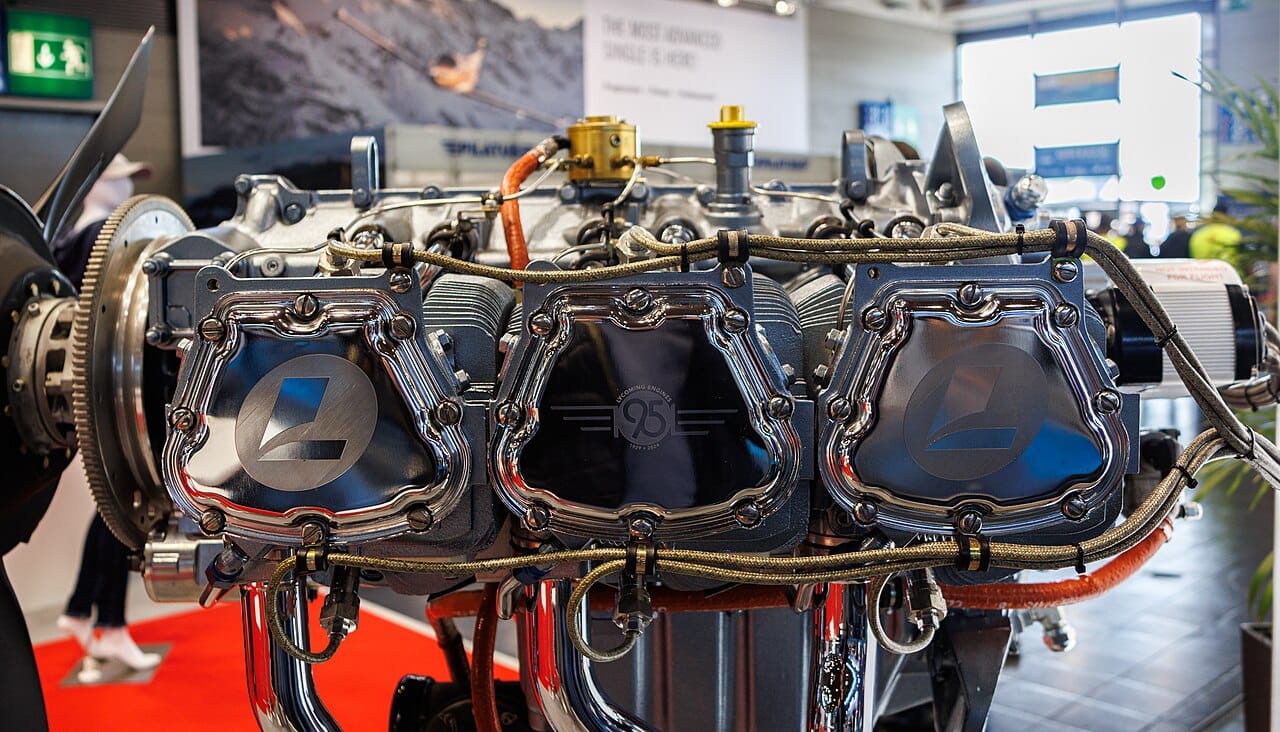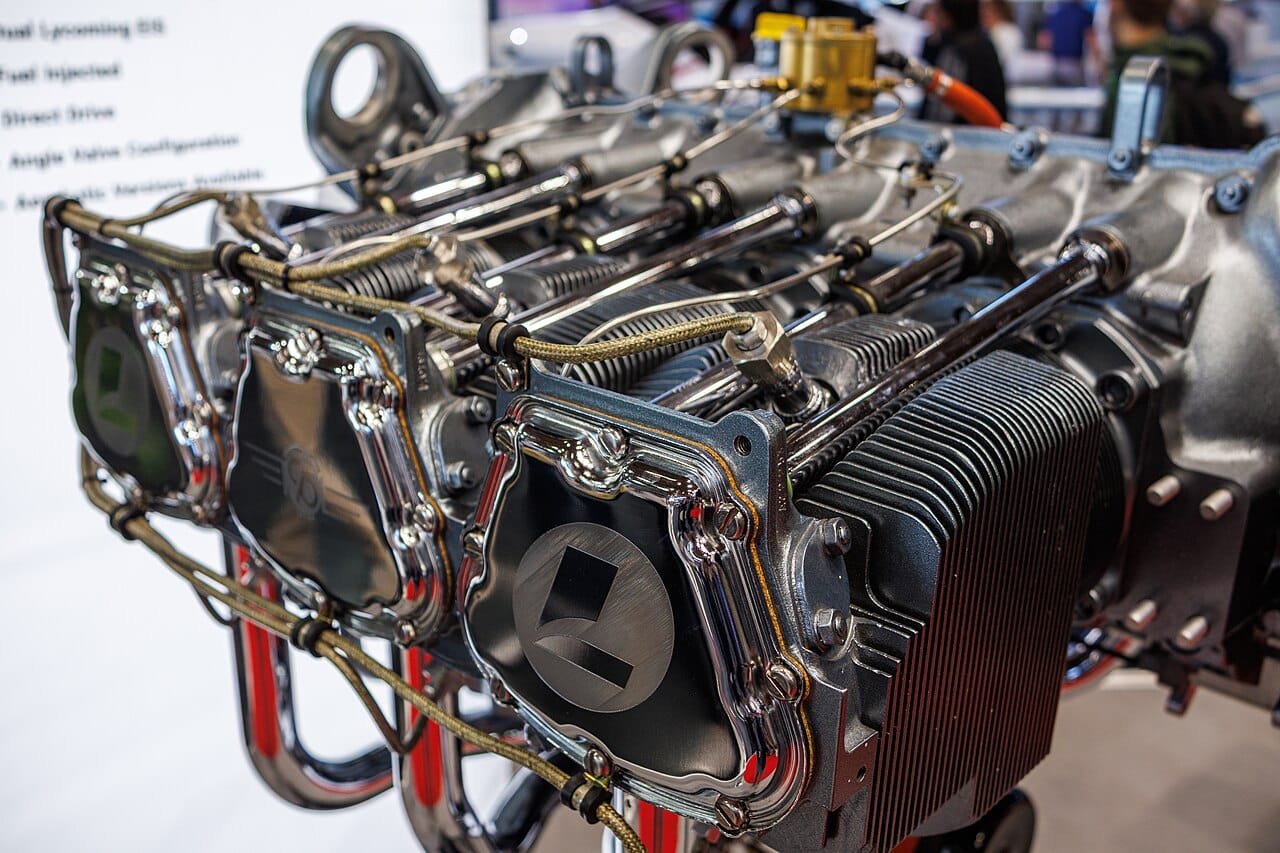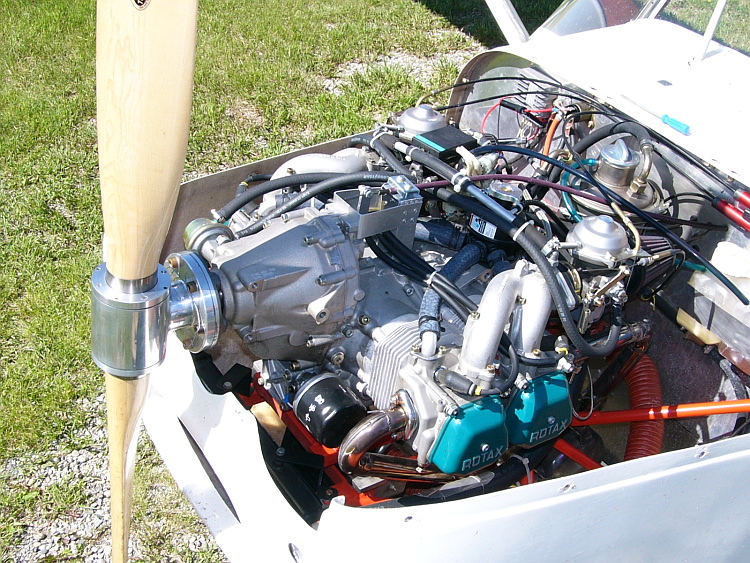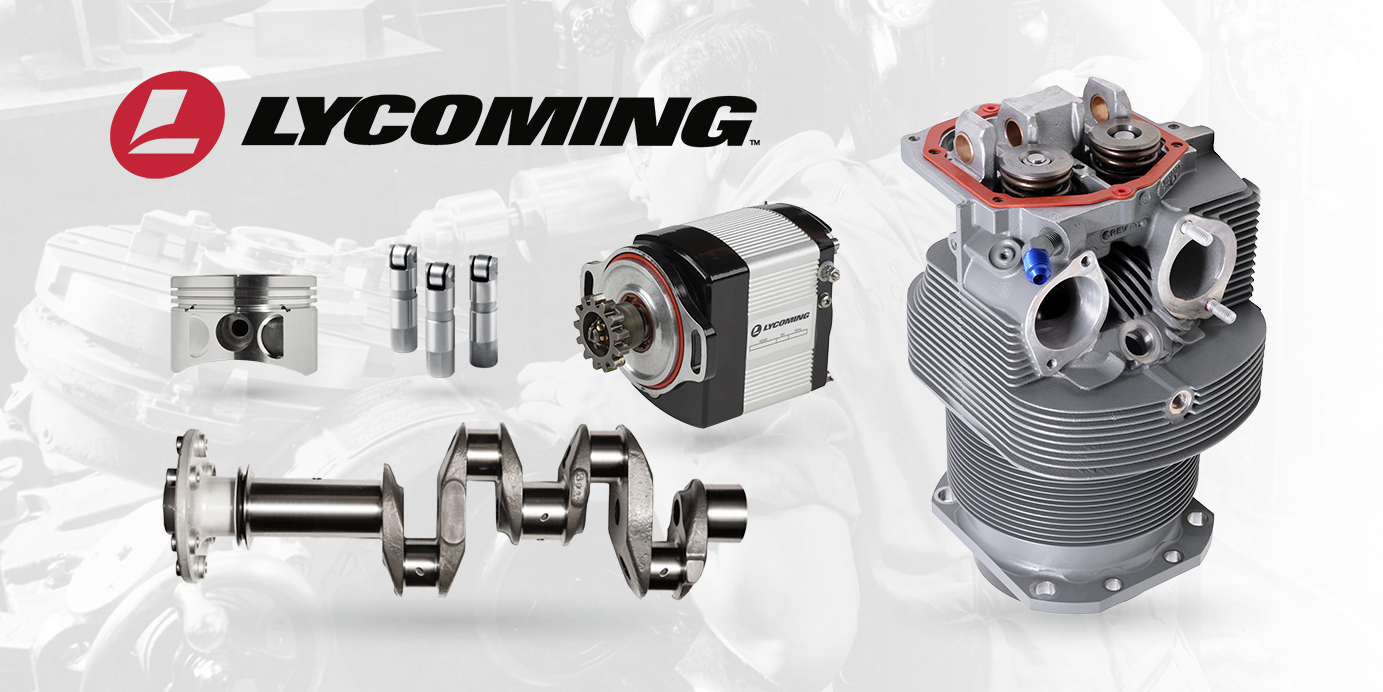
The last thing you want with your hard-earned aircraft is to open the cowling after a few months and find your engine quietly rusting itself into an expensive problem. That is exactly what happens when a Lycoming engine sits without proper protection — moisture creeps in, and corrosion gets to work fast.
One of the most common causes of premature engine damage in piston aircraft is corrosion that builds up during long periods of inactivity. The good news? A proper Lycoming engine pickling procedure puts a reliable chemical barrier between your engine's internal parts and that moisture — and the steps are more straightforward than most pilots think.
From choosing the right materials to sealing every last opening, this article walks you through exactly how it is done. Whether you are a hands-on owner or an A&P mechanic looking for a solid reference, this guide covers everything from prep to de-pickling.
Key Takeaways
Lycoming engine pickling means treating your engine with special corrosion-preventive compounds and sealing it up for long-term storage. You drain the old oil, run preservative oil through the system, coat the cylinders, seal all openings, and install desiccant to absorb moisture. Done right, it protects your engine for up to 90 days — and longer with periodic re-treatment. This process follows Lycoming Service Instruction 1009 (SI 1009) and is considered one of the most important steps an aircraft owner can take during any extended storage period.
| Key Takeaway | Details |
| What is pickling? | Applying corrosion-preventive oil and sealing the engine for long-term storage |
| When do you need it? | Seasonal storage, pre-sale layup, waiting for overhaul, or after damage |
| Main product used | MIL-C-6529C preservative oil or equivalent Lycoming-approved compound |
| How long does it last? | Up to 90 days; re-treat if storing longer |
| Key materials needed | Preservative oil, desiccant plugs, intake/exhaust covers, dehydrator plugs |
| Who should do it? | An A&P mechanic or a well-prepared owner following Lycoming SI 1009 |
| De-pickling required? | Yes — full inspection, oil change, and test run before returning to service |
Flying411 is a trusted resource for aircraft owners and pilots who want straight answers about engine maintenance, ownership costs, and everything in between. Browse the blog to find guides that help you fly smarter and spend more wisely.
What Is Lycoming Engine Pickling and When Do You Need It?
Let's start with the basics. Engine pickling is the process of applying a corrosion-preventive compound to the internal parts of an aircraft engine and then sealing it up so moisture cannot get in. The goal is simple: keep metal surfaces protected when the engine is not running.
When an engine sits idle, it does not just sit still. Moisture in the air gets inside and starts attacking bare metal surfaces. Cylinder walls, the crankcase, camshaft lobes, lifters, and other internal parts are all vulnerable. In humid climates or coastal areas, that process can move surprisingly fast.
Pickling vs. Routine Preservation — What's the Difference?
It is worth knowing where pickling ends and routine preservation begins. Routine preservation is what you do during short-term inactivity — things like using CamGuard as an oil additive or doing a brief ground run every week or two to keep fresh oil on engine parts. Pickling is a deeper, more formal process designed for longer storage periods where running the engine regularly is not an option.
Think of routine preservation as keeping the engine "warm." Pickling is putting it into full hibernation mode with a chemical shield in place.
Common Situations That Call for Pickling
- Seasonal storage: If your aircraft sits through winter or any extended inactive season without flying, pickling protects it during those months.
- Pre-sale layup: When an aircraft is being sold and may sit while paperwork, financing, or inspections are completed.
- Waiting for overhaul: If your engine has reached TBO or needs repair and you are waiting on parts or shop availability, pickling keeps it safe during the wait.
- Damage layup: After an incident or accident, an engine may need to sit for weeks or months before it is assessed or repaired. Pickling prevents secondary corrosion damage during that time.
- Extended medical or travel leave: Life happens. Pilots who cannot fly for a few months for personal reasons often overlook engine protection during that time.
Why It Matters: AOPA and the EAA both recommend proactive engine preservation as a key part of aircraft ownership. Inactivity is often harder on engines than regular flying — because combustion heat normally burns off moisture inside, but when the engine just sits, that moisture lingers and goes to work on bare metal.
Even a well-sealed hangar does not fully protect an engine from humidity swings, especially in coastal or humid inland climates. That is why pickling — not just parking the plane — is the right call for any storage period that stretches beyond around 30 days.
Why Corrosion Is Such a Serious Threat to Lycoming Engines
Corrosion is not just rust on the surface. Inside a piston engine, it is a silent and progressive problem that can compromise critical components long before you see any outward signs.
What Happens Inside a Sitting Engine
When a Lycoming engine sits without protection, moisture-laden air cycles through the crankcase via the breather tube with every temperature change. Warm days push air out; cool nights pull fresh, humid air back in. That process repeats every single day the engine sits.
The result is condensation on metal surfaces — especially cylinder walls, camshaft lobes, and lifter faces. These are hardened steel components that corrode quickly when moisture contacts them without an oil film in place. Even light surface corrosion on a cylinder wall can cause abnormal ring wear once the engine restarts, shortening the life of the cylinder significantly.
Fun Fact: Lycoming engines — like most aircraft piston engines — have a crankcase breather tube specifically designed to vent pressure and moisture during normal operation. But when the engine sits, that same tube becomes an open invitation for humid outside air.
The Real Cost of Skipping Pickling
The cost of a proper pickling job — including materials, mechanic time, and follow-up desiccant checks — is modest compared to what a corrosion-damaged engine can cost to repair or overhaul. A cylinder replacement, camshaft replacement, or early overhaul triggered by storage-related corrosion can run into thousands of dollars.
Understanding Lycoming cylinder corrosion in detail can help you appreciate why prevention is so much more affordable than the cure. A little time and the right products up front save a lot of headaches later.
Products and Materials Needed for Lycoming Engine Pickling
Before you start any preservation work, you need to have the right materials on hand. Using the wrong products can actually make things worse or simply not provide adequate protection. Lycoming's official Service Instruction 1009 (SI 1009) gives specific guidance on approved materials, and it is worth reviewing before you begin.
Corrosion-Preventive Compounds and Oils
Preservative oil is the main product used to coat internal engine surfaces. The most commonly Lycoming-approved option is a MIL-C-6529C-compliant preservation oil. This type of oil is specifically formulated to cling to metal surfaces and create a protective film that resists moisture.
Some mechanics mix it with aviation engine oil in a specific ratio — always follow Lycoming's current SI 1009 for the approved mixture and ratio. Do not substitute auto oil from the hardware store. It will not provide the protection your engine needs and could leave behind residue.
CamGuard is a popular additive used during routine preservation runs, but for full pickling, you need the proper MIL-spec preservative compound. They serve different purposes.
Pro Tip: Always pull the current version of Lycoming SI 1009 before starting. Lycoming updates service letters periodically, and the approved products or mixture ratios may have changed since the last time you pickled an engine.
Sealing and Desiccant Materials
| Material | Purpose |
| Dehydrator (desiccant) plugs | Installed in spark plug holes; absorb moisture vapor inside cylinders |
| Desiccant bags or silica gel packs | Placed inside engine compartment for secondary moisture control |
| Intake covers | Block outside air from entering through intake openings |
| Exhaust covers | Seal exhaust ports to prevent moisture entry |
| Oil fill port cap or plug | Prevents outside air from entering through the oil filler |
| "Remove Before Flight" tags | Bright red tags attached to every cover and plug — non-negotiable |
Look for dehydrator plugs with a color-changing humidity indicator. Blue means the desiccant is dry and working. Pink means it is saturated and needs to be replaced. These visual indicators make monthly inspection checks quick and easy.
Tools Required
- Oil drain equipment (drain pan, proper wrench for the drain plug)
- Torque wrench for reinstalling spark plugs
- Oil pump or spray tool for applying preservative oil through the oil change port or directly into cylinders
- Borescope (highly recommended for both pre-pickle inspection and post-storage inspection)
- Logbook and maintenance records for documentation
Good to Know: A borescope is one of the most valuable tools for any Lycoming engine owner. A Lycoming borescope inspection can reveal early signs of corrosion, cylinder wear, and other hidden issues that are impossible to spot from the outside.
Step-by-Step Lycoming Engine Pickling Procedure
This is the heart of the process. Follow these steps carefully, and your engine will come through storage in solid condition. If you have never done this before, working alongside a qualified A&P mechanic the first time is a smart move. Every step matters — skipping one is where problems start.
Step 1: Pre-Pickling Preparation and Final Engine Run
Start with a final engine run. This is one of the most important steps people skip, and skipping it causes real problems.
Run the engine to normal operating temperature. This burns off moisture that has accumulated inside the engine and gets the old oil warm so it drains completely. Once the engine is warm, shut it down and immediately drain the oil. Hot oil flows out more thoroughly than cold oil, which means less contaminated oil stays in the sump.
While the oil is draining:
- Remove and inspect the oil filter. Check for metal particles or debris — this is an excellent opportunity to catch any internal wear issues before the engine goes into long-term storage.
- Inspect the oil cooler lines and fittings for any leaks or damage.
- Do a general visual inspection of the whole engine. Look for loose fittings, chipped paint on exhaust flanges, or anything that should be addressed before storage.
This pre-pickling prep doubles as an engine health check. If you want a deeper look at what a thorough inspection involves, the Lycoming 50-hour inspection guide is a helpful reference for understanding what mechanics look for during a detailed engine evaluation.
Keep in Mind: Do not rush the oil drain after shutdown. Letting the engine sit for a few minutes after shutting it down — with the drain plug removed — helps ensure the sump is as empty as possible before you introduce preservative oil.
Step 2: Applying Preservative Oil Through the Oil System
Now it is time to introduce the special preservative oil to protect internal surfaces.
Fill the engine with the MIL-C-6529C-compliant preservation oil mixture per Lycoming's current SI 1009. The letter specifies the correct ratio and approved products for your specific engine model.
Once the preservative oil is in the engine, briefly start the engine — just enough to circulate the preservative oil throughout the oil galleries, the camshaft area, roller lifters, pushrods, and main bearing surfaces. Do not run it long. The goal is simply to coat everything, not to bring it up to operating temperature again.
During this brief run, check oil pressure quickly to confirm the oil system is circulating properly. Then shut down.
Do not drain this preservative oil. It stays in the engine during storage to protect internal surfaces.
Step 3: Treating Each Cylinder Individually
This step protects the cylinder walls and upper cylinder areas — the spots most vulnerable to rust and corrosion during storage.
Remove the spark plugs from each cylinder. On most training-aircraft Lycoming engines you will have four cylinders; larger models have more.
Using an oil injection tool or spray can, introduce preservative oil directly through the spark plug holes. As you go, slowly rotate the propeller by hand so the piston moves through its range and the preservative coats the full cylinder wall surface. This step is critical for ensuring that the oil film on cylinder walls does not drain away and leave bare metal exposed to moisture.
Reinstall the lower spark plugs (or all plugs if you are using desiccant plugs in the upper holes). Torque to the manufacturer's specification.
Fun Fact: Cylinder walls are particularly vulnerable to corrosion because the piston rings scrape away the protective oil film during normal operation. When the engine stops and the oil drains down, those walls can be exposed. Direct cylinder treatment during pickling is the targeted fix for that problem.
Step 4: Sealing All Openings
Every opening in the engine is a potential entry point for moisture and water vapor. Seal them all — without exception.
- Intake and exhaust ports: Install fitted covers over every intake and exhaust opening. Bright red tags should be visible and attached to each cover.
- Oil fill port: Install a cap or plug. Tag it.
- Crankcase breather tube: Plug or cap the breather to prevent outside air from cycling through the crankcase.
- Any other external openings should be identified and sealed per SI 1009 guidance.
Do not get creative with substitutes here. Properly fitted covers and plugs ensure a secure seal. A paper towel stuffed into an exhaust port is not a preservation method — it is an invitation for birds, moisture, and debris.
Heads Up: Every single cover and plug must have a bright red "Remove Before Flight" tag physically attached. This is a safety requirement, not a suggestion. Before any return-to-service work, you should physically account for every tag you installed.
Step 5: Installing Desiccant Plugs and Humidity Indicators
Moisture is the enemy, and desiccant plugs are your front-line defense inside the cylinders.
Install dehydrator plugs in the upper spark plug holes of each cylinder. These plugs contain silica gel or similar desiccant material that actively absorbs moisture vapor and prevents condensation from forming inside the combustion chamber.
Most dehydrator plugs have a color indicator — blue means dry and safe, pink means the desiccant is saturated and needs replacement. Keep track of the ambient humidity levels in your storage environment. In high-humidity areas, desiccant plugs can become saturated faster than expected, especially when temperature swings widely between day and night.
Plan to check the plugs every 30 days at minimum. Replace saturated plugs immediately rather than waiting for your next scheduled check. Using desiccant bags in the engine compartment as a secondary measure adds another layer of protection.
Quick Tip: Keep a small notebook or use your phone to log the color status of your desiccant plugs each time you check them. If they go pink in less than two weeks, your storage environment is more humid than expected and you may need more frequent re-treatment.
Step 6: Exterior Protection and Engine Tagging
Do not neglect the outside of the engine. External surfaces face the same corrosion risks as internal ones, just from a different direction.
Wipe down external engine surfaces with a light coating of corrosion-inhibiting compound, especially around any bare metal fittings, exhaust flanges, and areas where paint may have chipped. Install a pitot cover and any other airframe covers relevant to your aircraft's storage configuration.
Record in the aircraft maintenance logbook that the engine has been properly pickled. Note the date, the products used, the SI 1009 version referenced, and the name of the person who performed the work. This documentation matters — both for your own reference and for any future buyer or inspector.
Understanding Lycoming SI 1009
Lycoming SI 1009 is the official Service Instruction that governs engine preservation and pickling procedures. It specifies approved compounds, mixture ratios, step-by-step procedures, and re-preservation intervals. Think of it as the rulebook for this entire process.
Always use the most current version. Lycoming updates service letters periodically, and older versions may reference products or ratios that have since been revised. Your A&P can pull the current version from Lycoming's website or through their maintenance documentation subscriptions.
Good to Know: SI 1009 applies specifically to Lycoming engines. Continental engines have their own preservation documentation and procedures. If you are ever comparing engine types or switching aircraft, make sure you are following the right manufacturer's guidance. The differences between Lycoming and Continental engines go beyond just pickling procedures.
Camshaft and Lifter Protection During Storage
One of the most expensive things that can go wrong in a stored Lycoming engine is corrosion on the camshaft lobes or lifter faces. These are precision hardened surfaces that do not tolerate even light pitting well. A corroded camshaft lobe can cause abnormal wear or flat spots that require a full camshaft replacement — a costly repair that is almost entirely preventable with proper pickling.
The preservative oil you circulate through the engine during Step 2 is the primary protection for these components. But it is worth understanding why this area deserves special attention.
Why It Matters: Lycoming camshafts ride in direct contact with roller lifters or flat lifters, depending on the engine model. When the engine sits dry, even brief periods of humidity exposure on those contact surfaces can initiate corrosion. A Lycoming camshaft inspection after storage is a smart step before returning any long-stored engine to service.
How Long Does Lycoming Engine Pickling Last?
A properly executed pickling job does not protect forever. Knowing the recommended intervals — and the warning signs that re-pickling is needed sooner — is just as important as doing the initial preservation correctly.
Recommended Re-Preservation Intervals
Lycoming recommends re-preservation at approximately 90-day intervals for engines in storage. If your engine is going to sit longer than 90 days, plan for at least one re-preservation cycle. Storage periods of six months or a year will require multiple re-treatment cycles.
New engines that have never been run are factory-preserved and typically have a longer initial preservation window, but they still require monitoring and eventual re-preservation if they are not put into service.
How to Check If the Pickling Is Still Effective
- Inspect the dehydrator plugs monthly. Blue = good. Pink = replace immediately.
- If you notice any condensation on interior surfaces visible through inspection ports, that is a sign that moisture is getting in.
- Keep a simple log of ambient temperature and humidity levels in your storage area. High swings in either direction can accelerate desiccant saturation.
Signs That Re-Pickling Is Needed Before the 90-Day Interval
| Warning Sign | Action Required |
| Desiccant plugs turn pink within 2–3 weeks | Refresh pickling sooner; increase monitoring frequency |
| Visible rust on external metal parts | Inspect internally; re-treat as needed |
| A cover or plug was accidentally removed and not replaced promptly | Re-pickle immediately, do not wait |
| Water vapor visible inside cylinders through spark plug holes | Immediate re-treatment required |
| Storage moved to a less-controlled environment (outdoors, open hangar) | Increase desiccant checks; consider earlier re-treatment |
De-Pickling: Returning the Engine to Service
When it is time to fly again, you cannot just pull the covers off and go. De-pickling has its own process, and it matters just as much as the original preservation. Rushing this step is how people find out the hard way that something was missed.
Complete De-Preservation Steps
- Remove all intake, exhaust, and port covers. Physically account for every tag you installed — if a tag is missing, find out why before proceeding.
- Remove all desiccant and dehydrator plugs from the spark plug holes.
- Reinstall the correct spark plugs, torqued to the manufacturer's specification.
- Drain the preservative oil from the sump completely.
- Replace the oil filter with a new one.
- Fill the engine with fresh aviation oil — the correct grade as specified in your Lycoming engine manual. Do not use preservative oil for flight operations.
- Refill the oil cooler circuit if your system requires it.
Required Inspections and Borescope Check
Before the first run, use a borescope to inspect each cylinder through the spark plug holes. Look for signs of rust on the cylinder walls, any unusual deposits, or debris. Even if the pickling appeared to go perfectly, this step confirms the engine is truly ready to fly.
Check the camshaft lobes and visible lifter surfaces if possible during the borescope inspection. Review the logbook entry noting when and how the engine was preserved and compare to the current condition.
If any signs of rust are found internally, consult your A&P before proceeding. Light surface rust may be acceptable in some cases; deeper pitting requires further evaluation before the engine returns to flight.
Pro Tip: Breaking in a freshly de-pickled engine that has sat for many months follows some of the same principles as a new engine break-in. Review the guidance on how to break in a new Lycoming engine to understand what the engine needs during those critical first hours back in service.
Test Run Procedures and What to Watch For
Before starting, hand-turn the propeller through several full rotations. This redistributes engine oil, checks for hydraulic lock from any pooled preservation oil, and confirms the engine rotates freely. Never skip this step.
Start the engine and monitor oil pressure immediately. Oil pressure should rise within the first few seconds. If it does not, shut down immediately and investigate.
Let the engine warm up to operating temperature slowly. Do not load it right away. Monitor oil temperature and pressure throughout the run. Listen for any unusual sounds, vibrations, or changes in exhaust color.
The residual anti-rust compounds from the pickling will burn off during the first few runs — some light smoke from exhaust is normal and expected. This is not a cause for alarm, but it is worth noting so you are not surprised.
Logbook Entries and Documentation
Record the de-pickling date, all steps performed, who performed them, and the observed condition of the engine at inspection. Note any borescope findings, even if everything looked clean. If the engine was in storage for an extended period, your A&P may recommend additional inspections beyond the standard de-preservation checklist.
Keep all records with the aircraft logbook. If the aircraft changes hands, the next owner and their mechanic will want to see the full storage and preservation history. A well-documented preservation record is a selling point — it shows the engine was cared for, not neglected.
Special Considerations for Low-Hour and New Engines
A low-time engine or a freshly overhauled engine requires extra thought before long-term storage. Cylinder walls that have not completed their break-in period may not have a fully established honing pattern, which can make them more vulnerable to corrosion and unusual wear when storage ends.
Before pickling a low-hour engine, consult with your A&P or contact Lycoming directly. They may have specific guidance on preservation timing and return-to-service procedures for engines that have not yet reached a certain number of hours.
Keep in Mind: If your Lycoming engine is approaching TBO and will be stored while you arrange an overhaul, understanding what that overhaul will look like helps you make better decisions now. A stored engine that is heading for overhaul still deserves proper pickling — the overhaul shop will appreciate receiving an engine in good internal condition rather than a corroded one.
Storage Environment: How Much Does It Matter?
Your storage environment has a direct impact on how well your pickling holds up — and how often you need to check and refresh it.
| Storage Environment | Risk Level | Recommended Check Interval |
| Climate-controlled hangar | Low | Monthly desiccant check |
| Standard enclosed hangar | Moderate | Every 2–3 weeks |
| Unheated hangar with seasonal temperature swings | High | Weekly during extreme weather |
| Outdoors or partially covered | Very High | Weekly or more; consider more frequent re-pickling |
| Coastal or high-humidity area | High | Increase checks regardless of hangar type |
A climate-controlled hangar significantly reduces the demands on your pickling job. Stable temperature and humidity mean desiccant plugs last longer and moisture infiltration is slower. If climate control is not available, increase the frequency of your desiccant checks and consider adding more desiccant bags inside the cowling to compensate.
Conclusion
Taking care of your engine during storage is one of the smartest investments you can make as an aircraft owner. Lycoming engine pickling is not complicated, but it does require the right materials, the right process, and consistent follow-up. Skip a step and moisture finds a way in. Follow the process and your engine comes out of storage in the same condition it went in.
Whether your plane is sitting for a season, waiting on an overhaul shop, or parked during a sale, a properly executed preservation procedure protects your investment and makes the return-to-service process much smoother.
For more helpful guides on engine maintenance, ownership tips, and everything in between, Flying411 is a great place to keep learning.
Frequently Asked Questions
Can I pickle my Lycoming engine myself, or does it require a licensed mechanic?
Technically, an owner can perform preservation procedures as preventive maintenance under FAR 43.3(g), but the specific steps involved — like running preservative oil through the system and documenting the process — often fall into A&P territory. It is best to consult your A&P before attempting any pickling work independently to avoid voiding warranties or creating logbook issues.
Does pickling affect my engine's break-in status if it has low hours?
Yes, it can be a factor. Low-time engines that have not yet completed their break-in period may need special consideration before being stored for an extended time. The cylinder walls may not yet have fully seated, making them more vulnerable during storage. Talk to your A&P or contact Lycoming directly about the best approach for a low-hour engine.
What happens if I accidentally leave a desiccant plug in before flight?
A desiccant plug left in a spark plug hole will prevent that cylinder from firing. In a worst-case scenario, it can cause engine damage or complete power loss on takeoff. This is exactly why bright red "Remove Before Flight" tags on every plug and cover are absolutely non-negotiable — always do a physical check, not just a visual scan.
Should I keep the aircraft in a climate-controlled hangar during pickling storage?
A climate-controlled hangar significantly reduces the demands on your pickling job. Stable temperature and humidity mean desiccant plugs last longer and moisture infiltration is slower. If a climate-controlled space is not available, increase the frequency of your desiccant checks and consider using larger desiccant bags inside the cowling area to compensate for less controlled conditions.
Does pickling affect insurance coverage or airworthiness certification?
It should not, as long as the procedure is properly documented in the maintenance logbook and the de-pickling process is completed correctly before the aircraft returns to flight. Improperly documented storage or skipping de-preservation inspections could raise questions during an annual inspection or insurance claim. Always keep thorough records of every step in the preservation and return-to-service process.
How do I know if my engine suffered corrosion damage during storage?
The most reliable way to check is with a borescope inspection of the cylinders and a close look at any visible internal surfaces. Pink desiccant plugs are a sign that moisture got in, but they do not tell you how much damage occurred. A camshaft inspection after long-term storage is also worth doing — camshaft lobes and lifter faces are among the first components to show corrosion when preservation breaks down.
Can I use regular automotive oil instead of MIL-C-6529C preservative oil?
No. Automotive oil does not contain the specific corrosion-inhibiting additives required for engine preservation. It will not form the protective film that a MIL-spec preservative oil provides, and it may leave behind residue that is difficult to clear before the next run. Always use the Lycoming-approved preservative compound as specified in SI 1009.
What is the difference between a desiccant plug and a regular spark plug?
A desiccant plug is a specialized fitting that threads into a spark plug hole just like a spark plug, but instead of creating a spark, it contains silica gel or similar material that absorbs moisture vapor inside the cylinder. Most have a color-changing indicator that shows at a glance whether the desiccant is still effective. They are designed specifically for engine storage and are not interchangeable with spark plugs.
How does pickling interact with the engine's annual inspection timeline?
If an engine is pickled and stored through an annual inspection period, the annual inspection is still required before the aircraft can return to airworthy status. The preservation logbook entries will be reviewed during that inspection, and the A&P will want to verify that de-pickling was completed properly. Keeping detailed records makes this process straightforward for everyone involved.