If you own or fly behind a Rotax 912, one question tends to come up again and again: how often does a Rotax 912 need servicing? It is a fair thing to wonder. This compact Austrian engine has earned a reputation for running a very long time when it is cared for the right way.
That care follows a clear rhythm of small checks, oil changes, and bigger inspections that repeat at set points.
The good news is that the schedule is not a mystery. Rotax spells most of it out, and once you know the pattern, it starts to feel a lot like caring for a well-loved car. Keep that rhythm, and these engines are known for going the distance.
Fall behind, and a simple oil change can snowball into a much bigger bill.
Key Takeaways
A Rotax 912 needs a basic check and oil service about every 100 hours of running time or once every 12 months, whichever comes first. On top of that, it gets larger inspections at set hour marks, plus age-based jobs like fresh coolant every two years and new rubber parts every five years. The big one, a full overhaul, comes due at the engine's published time limit, often 2,000 hours or 15 years for newer models.
| Service Task | How Often (Whichever Comes First) |
| Oil and filter change | Around 100 hours or 12 months (sooner with avgas) |
| 100-hour / annual inspection | Every 100 hours or 12 months |
| Compression / leak-down check | Around every 200 hours |
| Gearbox inspection | 600 or 1,000 hours, by clutch type |
| Coolant change | Every 2 years |
| Rubber parts replacement | Every 5 years |
| Overhaul (TBO) | 2,000 hours or 15 years (varies by engine) |
Flying411 is an aviation marketplace and resource hub where pilots and owners can find aircraft, engines, parts, and trusted maintenance pros all in one place. It is a handy corner of the web to keep bookmarked when you own a Rotax.
Meet the Rotax 912 and Its Variants
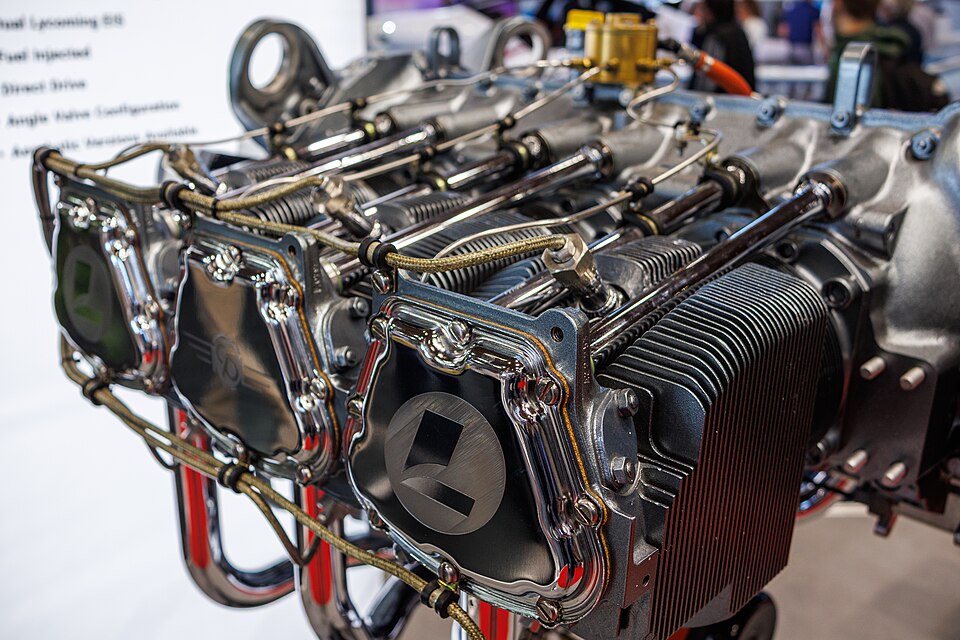
Before we get into the schedule, it helps to know the engine. The Rotax 912 is a four-cylinder, four-stroke aircraft engine. It is liquid-cooled at the heads and air-cooled at the cylinders. It is light, sips fuel, and spins a propeller through a built-in gearbox rather than bolting straight to the crankshaft. You will find it on a huge range of light sport aircraft, ultralights, and kit-built planes around the world.
There is more than one flavor of 912, and the version you have affects the details of your service plan.
- 912 UL / ULS / A / F: The classic carbureted models, with the ULS being the popular 100-horsepower version.
- 912 iS / iS Sport: A fuel-injected model with electronic engine control instead of carburetors.
- 914: A turbocharged cousin built on the same family.
Most of what follows applies across the carbureted 912 family. The fuel-injected iS skips carburetor jobs but adds a few of its own checks. If you are weighing this engine family against others, it can help to see how the turbocharged 914 and 915 stack up against each other and which models land among the most powerful Rotax engines.
Fun Fact: The 912 is said to have started life with a fairly short overhaul limit, and Rotax raised it step by step over the years as the design proved itself. Today's published limit is far longer than the early one.
How Rotax Counts Service Hours
Here is a detail that trips up a lot of new owners. Rotax does not measure service intervals the way some other engine makers do. In its maintenance manual, Rotax counts every minute the engine is running toward your operating hours. That means idle time, taxi time, and run-up time all count, not just the time you spend in the air.
This matters because many planes use a Hobbs meter that only records flight time, or a tach meter tied to engine speed. Those readings can differ from true running hours. Over 100 hours of flying, the gap between "wheels-up time" and "engine-running time" can grow large.
So when your manual says 100 hours, it means 100 hours of the engine actually turning. The safest habit is to track your real run time and base your Rotax 912 service intervals on that number.
Good to Know: Some owners and national rules use flight time instead of engine-run time for inspections. Rotax's own manual asks for total operating hours. When in doubt, follow your country's rules and your engine's official manual, and ask a Rotax-trained mechanic if the two ever seem to disagree.
How Often a Rotax 912 Needs Servicing, Interval by Interval
This is the heart of it. The Rotax 912 maintenance schedule is built from a few repeating checks that get layered on top of each other as the hours climb. Picture it like a set of nested loops. The small jobs happen often. The medium jobs happen now and then. The big jobs happen rarely. Here is the full rhythm, from most frequent to least.
- Before every flight (and a daily check). Walk around the engine, look for leaks, drips, and loose bits, and check the oil. On the carbureted 912, you also "burp" the engine first so the oil reading is correct. More on that below.
- The 25-hour first check. A brand-new or freshly overhauled engine gets an early inspection at around 25 hours. This catches any settling-in issues during the break-in period, including an oil and filter change.
- The 50-hour check. Rotax lists this as recommended rather than required for many tasks, with oil being the key exception. If you run leaded avgas, this is also a common point to inspect spark plugs.
- The 100-hour or annual inspection. The main routine service. It bundles the oil change with a long list of look-overs and adjustments. It comes due every 100 hours or every 12 months, whichever lands first.
- The 200-hour check. A deeper inspection that adds a cylinder compression test (the differential leak-down test), valve checks, and a closer look at the carburetors on carbureted models.
- The gearbox inspection. The 912 drives the prop through a reduction gearbox, and that gearbox gets its own inspection. The interval depends on the type of clutch fitted, commonly around 600 hours for one style and around 1,000 hours for the slipper-clutch style.
- The 5-year rubber replacement. Hoses, fuel lines, carb sockets, and other rubber parts get replaced on a time basis, regardless of hours.
- The 2-year coolant change. Old coolant gets drained and replaced every couple of years.
- The overhaul (TBO). The full teardown and rebuild, due at the engine's published hour limit or calendar age, whichever comes first.
That is nine layers, but most weeks you only touch the first one. The pattern is simple once you see it: small jobs often, big jobs rarely.
Pro Tip: On the carbureted 912, always burp the engine before checking the oil. Turning the prop by hand pushes oil back into the tank so you get a true reading. A quick guide to burping the engine before start walks through exactly how it works.
Oil Changes: How Often and Why Fuel Matters
Oil is the single biggest factor in how long any engine lasts, and the 912 is no different. The basic Rotax 912 oil change interval is around 100 hours or 12 months for engines running unleaded fuel. Simple enough.
The twist is fuel. Leaded aviation gasoline, known as 100LL or avgas, leaves more deposits behind than unleaded mogas. The more avgas you burn, the more often you need fresh oil. Rotax's guidance points owners toward shorter intervals based on how much leaded fuel they use.
| Fuel You Mostly Run | Common Oil Change Interval |
| Unleaded mogas | Around 100 hours or 12 months |
| Avgas more than about 30% of the time | Around every 50 hours |
| Avgas all the time | Around every 25 hours |
These are general guideposts, not gospel. Your exact numbers should come from the current Rotax service instruction for oil and from your mechanic. Many owners simply settle on a 50-hour habit to keep things easy and safe, even when they run mostly unleaded.
The oil change itself is a manageable job for a careful owner working with a logbook and the manual. If you want to see what is involved, here are the basic steps for changing the oil yourself.
Heads Up: Running lots of avgas does more than dirty the oil. It can leave lead buildup in the gearbox and on the valves over time. If your plane lives on leaded fuel, plan for shorter oil intervals and more frequent attention, not less.
The 100-Hour and Annual Inspection Explained
The 100-hour inspection is the service most owners think of first, and for good reason. It is the regular tune-up that keeps everything in spec. You can hit it by hours or by the calendar, and either way the tasks are the same.
A typical 100-hour or annual service on a 912 includes:
- Changing the oil and oil filter
- Checking and cleaning the fuel filter
- Looking over hoses, clamps, and wiring for wear or chafing
- Inspecting the radiator, coolant level, and overflow bottle
- Checking the exhaust system and springs
- Inspecting the air filter
- Checking spark plugs and ignition
- Looking over the gearbox and its mounting
- A general leak and security check of the whole engine
On carbureted models, this is also when the two carburetors get synced so they pull together evenly. That balance keeps the engine smooth and helps it run efficiently. If one carb is doing more work than the other, you feel it as rough running and odd vibration. Owners who do their own work often learn balancing the carburetors as a regular skill.
Not sure who should sign off your annual? Flying411 connects owners with certified A&P mechanics, avionics specialists, and Rotax-savvy maintenance shops, so you can find the right pro for your engine without guessing.
Gearbox, Carbs, and the Bigger Checks
Past the routine stuff sit the deeper inspections. These do not come around often, but they are important, and skipping them is where real money problems start.
The 200-hour check. Every couple of hundred hours, the engine gets a compression test. On the 912, this is usually a differential leak-down test that shows how well each cylinder is sealing. Weak readings can flag worn rings or valves early, long before they become a failure. Valve clearances and a closer carburetor look often happen around here too.
The gearbox inspection. Because the 912 uses a reduction gearbox to slow the prop, that gearbox needs its own attention. A gearbox inspection checks the friction torque and the overload clutch, and it runs on its own clock. The exact hour figure depends on which clutch your engine has, but it commonly falls in the 600 to 1,000 hour range. This is also a good moment to clear out any lead deposits if the engine has seen a lot of avgas.
Carburetor service. On carbureted engines, the carbs get periodic cleaning, rubber socket checks, and overhaul at set points. Keeping them clean and balanced pays off in smooth, fuel-sipping running.
Why It Matters: The gearbox is what makes a 912 a 912. It lets a small, fast-spinning engine swing a big, slow prop. A neglected gearbox can fail in ways that ground the plane, so its inspection is one job you never want to push past due.
The 5-Year Rubber Replacement and Coolant
Here is the part that surprises owners who fly very little. Some 912 jobs are based purely on time, not hours. You can fly five hours a year and still owe these.
The big one is the 5-year rubber replacement. Every five years, the rubber parts on the engine get replaced. That includes coolant hoses, fuel lines that are not Teflon, carburetor sockets, and other rubber bits. Rubber ages and hardens with time, heat, and fuel exposure, even if the plane barely moves. Old, cracked rubber is a leak or a fire risk, so this is a real safety item.
Alongside it, coolant gets drained and replaced every two years. Fresh coolant protects against corrosion inside the cooling passages and keeps the engine running at the right temperature.
Keep in Mind: Low-time engines are not low-maintenance engines. A 912 that sits in a hangar still ages. The 5-year rubber job and 2-year coolant change come due on the calendar no matter how little you fly.
Time Between Overhaul (TBO): When the Clock Runs Out
Sooner or later, every engine reaches the point where Rotax says it should be torn down and rebuilt. That point is the time between overhaul, or TBO. It is given in two ways at once: a number of running hours and a number of calendar years. The first one you reach is the one that counts.
For many newer carbureted 912ULS engines, the published figure is around 2,000 hours or 15 years, whichever comes first. Some older engines, based on their serial number, carry a lower limit, such as 1,200 or 1,500 hours and a shorter calendar life. Service bulletins have let owners raise some of these over the years, so the exact number for your engine depends on its serial number and what work has been done.
A few important points about TBO:
- TBO is a recommendation, not always a law. In the United States, owners of non-commercial experimental and many light sport aircraft are often allowed to run "on condition" past TBO if the engine still tests well. Commercial operators and many flight schools must follow it strictly.
- Calendar age matters as much as hours. A 15-year-old engine with very few hours can still owe an overhaul because rubber, seals, and bearings age with time.
- Real-world life can be long. Mechanics who know these engines often report that a well-maintained 912 can run well past its hour limit when the gearbox work, carb work, and rubber replacements have all been kept up.
What does an overhaul cost? Hard numbers swing a lot by shop, parts, and engine condition, but a full professional overhaul commonly runs into the low five figures. Because of that, some owners choose to sell a high-time engine and buy a fresh one rather than pay to rebuild, especially in the experimental world.
Fun Fact: The 912 family is widely praised for how clean these engines look inside at overhaul time when they have been cared for. Shops that tear down high-hour examples often remark on how little wear they find.
What Servicing a Rotax 912 Costs
Owners always want a price, so here is an honest, general picture. Costs vary by region, shop rates, and how much work you do yourself, so treat these as rough shapes rather than quotes.
- Routine oil change: One of the cheapest aircraft jobs there is, mostly the price of oil, a filter, and a couple of hours of care.
- 100-hour / annual inspection: Moderate, depending on what needs adjusting and replacing.
- 200-hour and gearbox checks: Higher, since they take more labor and special steps.
- 5-year rubber and 2-year coolant: Parts are not pricey, but labor adds up because of the access work.
- Overhaul: The biggest single expense, commonly in the low five figures for a professional job.
The cheerful truth is that the 912's running costs tend to be friendly compared with older, larger engines. It burns less fuel and can run on regular unleaded gas, which softens the day-to-day bill.
How the Rotax 912 Compares to Other Engines on Maintenance
Part of judging "how often does this thing need servicing" is asking "compared to what?" The 912's schedule looks busy on paper, with its 5-year rubber jobs and coolant changes. In practice, the workload is reasonable, and the engine rewards the attention with long life and low fuel use.
It helps to see the 912 next to its rivals and relatives:
- A two-stroke like the Rotax 582 runs differently and carries its own service rhythm. Seeing the 912 compared with the two-stroke 582 shows how four-stroke maintenance differs from two-stroke.
- Against newer alternative engines, the 912 holds up well. Owners often weigh it next to the UL Power 350i and against the Jabiru 3300 when picking a powerplant.
- Compared with classic certified engines, the contrast is sharp. Looking at older engines like the O-200 and O-235 highlights how the liquid-cooled, geared 912 takes a very different care routine.
- Moving up the family, the bigger 916 brings more power and its own needs. Matchups like the 916 versus the IO-360 and the 916 against the Titan 340 show how the schedule scales with the engine.
Shopping for a 912-powered plane, a fresh engine, or genuine Rotax parts? Browse the listings on Flying411 to compare aircraft, engines, and components from sellers in one place.
Tips to Keep Your Rotax 912 Healthy
A few habits go a long way toward a long, happy engine life. None of these are hard.
- Track real running hours. Base your service on engine-run time, not just flight time, so you never go over an interval by accident.
- Warm it up before pushing power. Let oil and cylinder head temperatures come up before you ask for full throttle. Cold engines wear faster.
- Lean toward shorter oil intervals. Fresh oil is cheap insurance, especially if you ever burn avgas.
- Keep the carbs balanced. Smooth running means less vibration and less stress on the whole engine.
- Respect the calendar jobs. The rubber and coolant work is easy to forget if you fly little. Put it on a calendar.
- Use the right parts. Genuine Rotax parts and the correct oil keep your warranty and your peace of mind intact.
- Log everything. Good records protect resale value and make future service faster.
Ready to find a trusted Rotax mechanic, source the right parts, or list an engine of your own? Head to Flying411 and connect with certified aviation pros and sellers today.
Quick Tip: A clean, complete logbook is worth real money. When you sell a 912-powered plane, a buyer who can see every oil change, gearbox check, and rubber replacement will trust the engine far more than one with gaps.
Conclusion
So, how often does a Rotax 912 need servicing? The short answer is: a little often, and a lot rarely. You check it before each flight, change the oil and run a full inspection around every 100 hours or once a year, and layer in deeper checks at 200 hours and at the gearbox interval.
Then you handle the age-based jobs, fresh coolant every two years and new rubber every five, before reaching the overhaul at the engine's published limit. Follow that rhythm and the 912 is widely regarded as one of the most dependable light aircraft engines you can fly behind.
The schedule looks long written out, but most of it is quick, and the payoff is an engine that keeps going for years. Stay ahead of it, keep good records, and let the experts handle the big stuff.
Keep your Rotax purring and your hangar happy. When it is time for parts, a pro, or your next aircraft, let Flying411 be the first stop in your preflight.
Frequently Asked Questions
Can I do my own Rotax 912 oil changes?
In many experimental and owner-maintained cases, yes, a careful owner can change the oil by following the manual and logging the work. Certified aircraft and commercial operations usually need the work done or signed off by an authorized mechanic.
Does a Rotax 912 need an overhaul at exactly the TBO?
Not always. TBO is Rotax's recommendation, and many private owners in the United States may run "on condition" past it if the engine still tests well, while commercial operators and flight schools typically must follow it strictly.
What happens if I fly my 912 very few hours per year?
The calendar-based jobs still apply. Even a low-time engine owes fresh coolant every two years and a rubber replacement every five years, plus the annual inspection.
Is the fuel-injected 912 iS serviced the same as the carbureted version?
Mostly, but not exactly. The iS skips carburetor balancing and cleaning because it has no carbs, while adding a few of its own electronic and fuel-system checks.
Does using avgas really change my service schedule?
Yes. Burning leaded avgas tends to shorten your oil change intervals and can add lead deposits to the gearbox and valves, so engines on avgas usually need more frequent attention than those on unleaded fuel.