Ask two Astra owners about their engines and one might say "Garrett" while the other says "Honeywell." Both people can be right at the same time.
The truth behind the Garrett vs Honeywell Astra engine differences has less to do with two rival engines fighting for a spot on the wing, and much more to do with one engine that kept the same beating heart while the name badge on it changed hands over the years.
The name on the cowling changed a few times. The engine spinning underneath tells a much quieter story.
Key Takeaways
The Garrett and Honeywell engines on the Astra are the same engine family, called the TFE731, sold under different company names as the maker was bought and renamed over time. Garrett built it first, AlliedSignal owned it next, and Honeywell owns it today. The bigger real difference across Astra models is the engine version that was fitted, since later Astras received a stronger and smarter TFE731 than the earliest ones did.
| Astra Model | Name on the Engine | TFE731 Version | Rough Thrust (each) | Era |
| 1125 Astra (original) | Garrett | TFE731-3A-200G | ~3,000 lb | Mid-1980s |
| Astra SP | AlliedSignal | TFE731-3C-200G | ~3,700 lb | Early 1990s |
| Astra SPX / G100 | Honeywell | TFE731-40R-200G | ~4,250 lb | Mid-1990s onward |
Flying411 keeps a close eye on classic business jets like the Astra, publishing plain-English guides on the airframes and engines that shaped the midsize world.
The One Thing Most People Get Wrong
Garrett and Honeywell are not two competing engine builders who each sold a different engine for the Astra. They are the same company at two different points in time.
The engine has always been the Honeywell TFE731 family, even back when nobody called it that. It started life as a Garrett product. Then the company that made it got bought, renamed, and merged more than once. Each time that happened, the name stamped on the engine changed too. The core design kept flying the whole way through.
Think of it like a bakery on the corner. The owner sells the same loaf of bread for forty years. Along the way, the shop changes hands and gets a new sign out front three times. The bread is still the bread. The sign is just newer.
That is the simplest way to picture the garrett vs honeywell astra engine differences. The sign changed. The bread mostly did not, though it did get a little better over the years.
Good to Know: When you see "Garrett," "AlliedSignal," and "Honeywell" all attached to a TFE731 engine, you are looking at three chapters of one company, not three separate makers.
From Garrett to AlliedSignal to Honeywell
Here is the short version of how the name kept moving:
- Garrett AiResearch designed and built the engine. The first TFE731 ran in 1970 at a Garrett plant in California, and the engine went into production in the early 1970s.
- AlliedSignal came next. Garrett had become part of the Signal Companies, and in 1985 that group merged with Allied Corporation to form AlliedSignal. From then on, the engine wore the AlliedSignal name.
- Honeywell is where it lives today. In 1999, AlliedSignal bought Honeywell and took on the Honeywell name for the whole business. The TFE731 has carried the Honeywell badge ever since.
So the timeline lines up almost perfectly with the Astra's own growth. The original Astra came out during the Garrett years. The Astra SP arrived during the AlliedSignal years. The Astra SPX carried on into the Honeywell years. Same jet family, same engine family, three different company names along the ride.
Fun Fact: The TFE731 has long been considered one of the true workhorses of business aviation. Fans of the engine like to compare it to a small-block V8, since it has powered so many different jets for so many decades.
Meet the TFE731: The Engine Behind Every Astra
Before we line up the versions side by side, it helps to know what this engine is. Every Astra ever built used some version of the TFE731. Not one Astra model flew with a different engine. That fact alone tells you how central this engine is to the whole story.
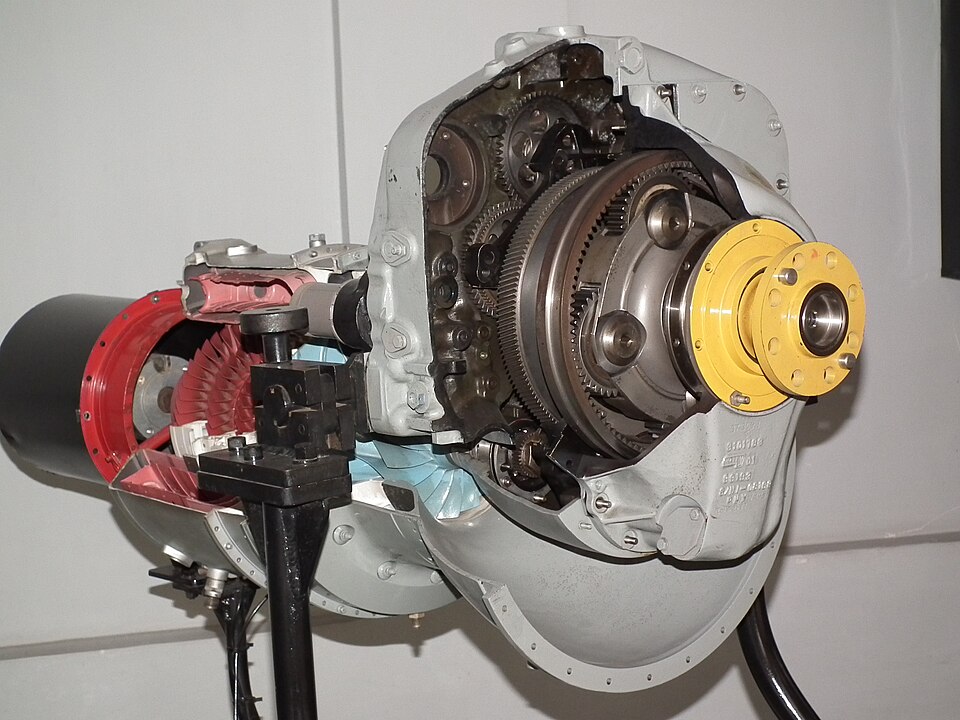
The TFE731 is a geared turbofan. That is a mouthful, so here is the plain-English version. A turbofan is a jet engine with a big fan up front that pushes a lot of air. Most of that air goes around the hot core, not through it. This makes the engine quieter and more fuel-friendly than older jet engines.
The "geared" part is the clever bit. A small gearbox sits between the fan and the turbine that drives it. That gear lets the fan spin at its own best speed while the turbine spins faster at its best speed. Both parts get to do their job well. The result is an engine that sips less fuel and makes less noise.
That design was a big deal when it came out. Business jets in the 1960s and early 1970s were loud and thirsty. The TFE731 helped change that. Its low fuel burn gave corporate jets the range to cross the country, which was a major selling point at the time.
Here is what stayed the same across every Astra engine:
- A large fan up front for quiet, efficient thrust
- A twin-spool core, meaning two shafts spinning at different speeds
- A gearbox linking the fan to its turbine
- A reputation for reliability that made it a favorite on midsize jets
The full backstory of the TFE731 on the Astra is a neat window into how one engine family grew alongside one airframe family for nearly two decades. If you know the engine, you know most of the jet.
Why It Matters: Because every Astra shares one engine family, moving from an early jet to a later one does not mean learning a whole new powerplant. It means learning a stronger, smarter version of an engine you already understand.
How the Astra Family Grew Up
The Astra did not appear all at once. It grew in steps, and each step brought a better engine. To really understand the garrett vs honeywell astra engine differences, you have to follow the jet through its three main versions.
The Astra itself traces back to the IAI Westwind, an earlier Israeli business jet. The Astra was a big rethink of that older design with a new low wing. You can read more about the Astra's Westwind roots to see how the family tree branches out. For now, the short version is that the Astra kept getting refined, and the engine kept climbing in power.
The Original 1125 Astra (Garrett Years)
The first IAI 1125 Astra flew in the mid-1980s and entered service around 1986. It used two Garrett TFE731-3 engines, in the -3A-200G form. Each one made somewhere around 3,000 pounds of thrust.
This was the baseline. It was a solid, transcontinental midsize jet for its day, and it did the job. But it was the least powerful of the three main Astra versions, which makes sense since it came first.
The Astra SP (AlliedSignal Years)
A few years later came the Astra SP. The "SP" stood for special performance. By this point the company had become AlliedSignal, so the engines now wore the AlliedSignal badge.
The SP used the AlliedSignal TFE731 in the -3C-200G version. Each engine put out roughly 3,700 pounds of thrust. That was a healthy bump over the original. The SP also gained cleaner aerodynamics, a nicer cabin, and a modern glass cockpit. It flew a bit farther and climbed better in hot, high conditions.
Same engine family. New badge. A stronger version under the cowling. You can see the pattern forming.
The Astra SPX (Honeywell Years)
Then came the star of the show, the Astra SPX, certified in the mid-1990s. This is where the engine took its biggest leap. The SPX used the TFE731-40R in the -40R-200G form, and by the time the SPX matured into the Gulfstream G100, that engine carried the Honeywell name.
Each -40R made about 4,250 pounds of thrust. That is a big jump. The SPX also added winglets on the wingtips and a smarter engine brain, which we will get to shortly.
The SPX platform later became the Gulfstream G100 after Gulfstream took over marketing in 2001. The engine did not change when the jet got its new Gulfstream name. It was the same Honeywell TFE731-40R the whole time.
Heads Up: Because the SPX and the later Gulfstream G100 share the exact same engine, do not assume a "Gulfstream" engine is somehow different from an "Astra" engine. On these airframes, it is the very same TFE731-40R.
If you want to see how the three versions stack up head to head, this breakdown of how the Astra models differ goes deeper on the airframe side of the story.
Garrett vs Honeywell Astra Engine Differences: What Really Changed
Now for the heart of the matter. When someone asks about the differences between the Garrett and Honeywell engines on the Astra, they are usually mixing two separate questions into one. The first is about the company name. The second is about the engine version. Let's separate them cleanly.
Here are the real points that matter, in order:
- It is the same engine family. Garrett, AlliedSignal, and Honeywell all made the TFE731. There is no separate "Garrett engine" and "Honeywell engine" competing for the Astra. There is one engine family with a name that changed over time.
- The company name changed because of mergers, not redesigns. The badge went from Garrett to AlliedSignal to Honeywell because the company was bought and renamed. A new name on the engine did not mean a new engine was designed.
- Each Astra model used a different TFE731 version. The real hardware differences come from the version, not the badge. The original used a -3A, the SP used a -3C, and the SPX used a -40R.
- Thrust climbed with each version. Power went from roughly 3,000 pounds on the original, to about 3,700 pounds on the SP, to around 4,250 pounds on the SPX. That is the single biggest practical change across the line.
- The -40R was more than a power bump. The Honeywell-era -40R had a higher bypass ratio and improved compressor design. Reports from the SPX era describe it making meaningfully more thrust at cruise altitude and squeezing more thrust out of each pound of fuel than the older -3C. Its fan was based on a scaled-down version of the fan used in a larger TFE731 model.
- The SPX added a digital engine brain. The -40R on the SPX brought digital electronic engine control, often shortened to DEEC. This let pilots set thrust with a simple push of the levers while the computer handled the fine details in the background. Earlier Astra engines relied on simpler control setups.
- Fuel efficiency and range improved. Thanks to the newer core and higher bypass, the SPX flew farther and used fuel more efficiently at altitude than the earlier jets. The stronger engine also helped it climb faster and perform better on hot, high-altitude runways.
- Support all flows through one company now. No matter which badge is on your Astra's engine, parts, service, and overhaul support come through Honeywell today. A Garrett-stamped engine is not orphaned. It is simply an older member of the same family.
- Old paperwork may still say Garrett or AlliedSignal. Type certificates, logbooks, and data plates from earlier jets can still carry the older names. That is normal and expected. It does not mean the engine is a different design.
So the honest answer to the garrett vs honeywell astra engine differences question is this. The name difference is cosmetic and comes from company mergers. The version difference is real and comes from engineering upgrades across the Astra's life.
Keep in Mind: Thrust and performance figures can vary a little from source to source, since ratings depend on the exact engine configuration and conditions. Treat the numbers here as close approximations, not exact specs for every serial number.
Flying411's aircraft valuation tool can help you understand how engine version, hours, and overhaul status shape what a used Astra is really worth.
Does the Name on the Engine Change Anything for Owners?
This is the practical worry behind the whole topic. If your Astra's engine says "Garrett" instead of "Honeywell," are you stuck with an orphan engine that nobody supports? The short answer is no.
Because Garrett, AlliedSignal, and Honeywell are the same company across time, support did not vanish when the name changed. Honeywell backs the TFE731 line as a whole. That includes older versions that still wear the older badges.
Here is what stays consistent no matter the name on the cowling:
- Parts for the TFE731 family are sourced through the same support network.
- Overhaul shops that work on TFE731 engines handle the older and newer versions alike.
- Maintenance programs for the engine cover the family, not just one badge.
- Technical data and service bulletins come from the same maker.
What does differ, honestly, is the version. A -3A from the original Astra is a simpler, less powerful engine than a -40R from the SPX. Older versions may have different inspection intervals, different parts, and different upgrade paths available. So the version matters for maintenance planning. The badge, on its own, does not.
Overhauls, Inspection Intervals, and Engine Programs
Big jet engines run on scheduled overhauls. After a set number of hours or a set inspection interval, the engine gets torn down, checked, and rebuilt. For the TFE731 versions on the Astra, those major inspection intervals commonly fall in the several-thousand-hour range, though the exact figure depends on the version and how the engine is managed.
Many owners also enroll their engines in an hourly maintenance program. You pay a set amount per flight hour, and the program helps cover major engine events. Buyers pay close attention to whether an Astra's engines are on such a program, because it can make a real difference in surprise costs down the road.
Pro Tip: When you look at a used Astra, read the engine logbooks before you fall in love with the paint. Time since overhaul, remaining life on parts, and enrollment in an hourly engine program can matter more to your wallet than the badge on the cowling.
If you want to see how the engine choice feeds into the bigger picture, this look at what it costs per hour to run an Astra puts the engine's role into real dollars.
What This Means If You're Buying an Astra Today
For a buyer, the takeaway is refreshingly simple. Do not shop by the name on the engine. Shop by the model, the engine version, and the engine's condition.
Here is a quick way to think it through:
- Original 1125 Astra: The most affordable entry point, but the least powerful, with the earliest -3A engines.
- Astra SP: A middle step with more thrust and a nicer cabin, running the -3C engines.
- Astra SPX or Gulfstream G100: The strongest performer, with the -40R engines, winglets, and digital engine control. This is the one most buyers chase.
The engine version is a big part of why the SPX and G100 hold more appeal. More thrust, better range, and that digital control system add up to a jet that simply does more. That extra capability shows up in the resale market too.
The Astra also stands as a capable member among the midsize jets of that era, and comparing it against rivals helps set expectations. If you are weighing it against the competition, seeing how it stacks up against the Hawker 800 gives a useful sense of where the Astra sits in the class.
Quick Tip: A fast way to guess an Astra's engine version is to note the model. Winglets and a smoother, computer-managed throttle usually point to an SPX or G100 with the -40R. No winglets often points to an earlier jet with a -3 series engine.
Ready to see what different Astra models and engine versions are selling for right now? Browse current listings and connect with sellers directly on Flying411.
Common Misconceptions About Garrett and Honeywell Engines
A few myths float around this topic, so let's clear them up plainly.
Myth: Garrett and Honeywell made two different Astra engines. Not true. They are the same company across time, and the engine is the same TFE731 family. The name changed through mergers.
Myth: A Garrett-badged engine is outdated and unsupported. Not true. Honeywell supports the TFE731 family, including older versions. The badge does not cut off support.
Myth: The Honeywell name means a totally new engine design. Not true. The Honeywell-era -40R is an upgraded member of the same family, not a clean-sheet engine. It shares its DNA with the earlier versions.
Myth: Switching from a Garrett Astra to a Honeywell Astra means learning a brand-new engine. Not really. It means moving to a stronger, smarter version of an engine you already know.
The Astra even spawned a military Astra variant used for special missions, and it too rode on the same TFE731 lineage. The family really does run deep.
Good to Know: The TFE731 story is a great reminder that in aviation, a name change on a data plate is often just corporate history at work, not an engineering revolution.
Conclusion
The whole tangle around the garrett vs honeywell astra engine differences melts away once you see the pattern. Garrett, AlliedSignal, and Honeywell are three names for one company across time, and the TFE731 is one engine family that flew through all three eras. The badge on the cowling changed because the company got bought and renamed. The engine kept flying.
The differences that truly matter are between the versions. The original Astra's -3A, the SP's -3C, and the SPX's -40R each brought more thrust, better efficiency, and, in the SPX, a digital engine control that made flying it easier. So when you compare Astras, look past the name and study the version, the hours, and the maintenance history. That is where the real answers live.
Whether you're buying your first Astra or valuing the one in your hangar, Flying411 puts the listings, the tools, and the aviation know-how in one place, so the only thing left to figure out is where you're flying next.
Frequently Asked Questions
Does the Gulfstream G100 use the same engine as the Astra SPX?
Yes. The Gulfstream G100 is the Astra SPX under a new name, and it uses the same Honeywell TFE731-40R engines. Nothing about the powerplant changed when the jet was rebranded.
Can you still get parts and support for an older Garrett-badged Astra engine?
Yes. Honeywell supports the TFE731 family as a whole, so older versions that still wear the Garrett or AlliedSignal name are covered through the same network of parts and overhaul shops.
How long is a typical overhaul interval on the Astra's TFE731?
Major inspection intervals for these engines commonly fall in the several-thousand-hour range, though the exact figure depends on the specific version and how the engine is maintained. Always confirm the numbers against the current maintenance manual for that engine.
Did any Astra model ever use an engine other than the TFE731?
No. Every version of the Astra, from the original 1125 through the SP and SPX, flew on some form of the TFE731. The engine family is a constant across the entire lineup.
Is the Honeywell TFE731 considered a reliable business jet engine?
It has long been regarded as one of the dependable staples of business aviation, with a very large fleet and many millions of flight hours across dozens of aircraft types. That track record is a big part of why it stayed on the Astra for the jet's whole life.