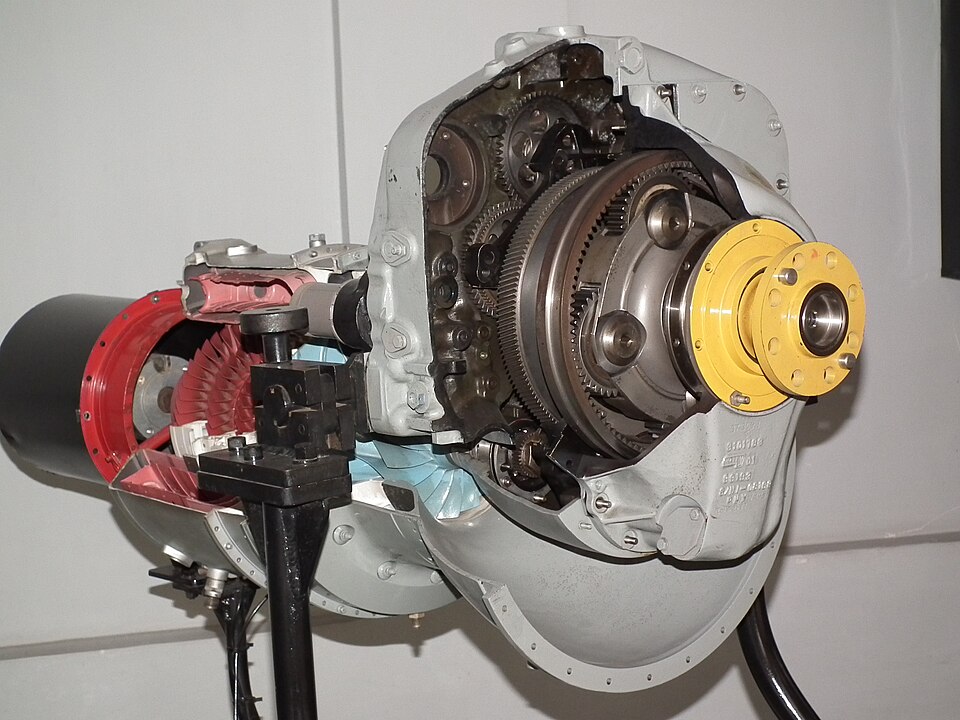
The Honeywell TPE331 and Pratt & Whitney Canada PT6A are two of the most widely used turboprop engine families in general aviation, but they achieve similar jobs with very different architecture. The PT6A is a free-turbine engine with an independent power turbine, while the TPE331 uses a single-shaft design that mechanically connects the compressor, turbine, gearbox, and propeller system.
Those differences affect much more than how the engines sound. They influence starting behavior, throttle response, fuel efficiency, inspection intervals, overhaul planning, and the maintenance network available to an owner.
This guide compares the TPE331 and PT6A from an ownership and operating perspective, including hot-section and mid-life inspections, TBO, starting characteristics, overhaul costs, and what buyers should verify before purchasing a turboprop powered by either engine.
Key Takeaways
The PT6A is a free-turbine, reverse-flow engine: the propeller is driven by a separate turbine that is not mechanically connected to the compressor, so the starter only has to turn the gas generator. The TPE331 is a single-shaft engine, meaning the compressor, turbine, gearbox and propeller are all geared to one rotating assembly, so the starter must turn everything at once. That single design choice explains the TPE331's higher starter load and tighter hot-start discipline, its faster throttle response, and its slightly better fuel burn. On the money side, PT6A hot sections can often be done on-wing at roughly half TBO, while the TPE331's mid-life Compressor Zone Inspection (CZI) is usually a shop visit - but TPE331 overhaul intervals tend to run longer, and total cost per hour between the two is closer than the sticker prices suggest.
| Factor | Honeywell TPE331 | Pratt & Whitney Canada PT6A |
| Architecture | Single shaft, straight-through airflow, two centrifugal compressor stages | Free turbine, reverse-flow, axial + centrifugal compressor |
| Prop connection | Geared directly to engine shaft | Driven by separate power turbine, no mechanical link to compressor |
| Power range (installed) | | About 575 to 1,650 shp, depending on TPE331 model and installation | bout 500 to 1,900 shp across the current PT6A family |
| Typical TBO | Commonly 5,000-7,000 hours by model | Commonly 3,000-8,000 hours by model |
| Mid-life event | CZI, roughly half TBO, normally off-wing | Hot section inspection, roughly half TBO, often on-wing |
| Start workload | Starter turns prop + engine; EGT watched closely | Starter turns gas generator only; prop may stay still |
| Throttle response | Immediate, prop blade angle changes with power lever | Slight spool-up lag from gas generator |
| Shop network | Smaller, Honeywell-centered | Very large, many independent overhaul shops |
| Hourly program | Honeywell MSP | P&WC Eagle Service Plan (ESP) |
How the Two Engines Are Built - and Why It Matters
What does "free turbine" actually mean?
Think of the PT6A as two machines sharing a housing. The rear section is a gas generator: air comes in through an inlet at the back of the nacelle, gets compressed, burns, and drives the compressor turbine. The hot gas then flows forward across a completely separate power turbine, which spins the reduction gearbox and the propeller at the nose. There is no shaft connecting the two. Gas does the coupling, the way water couples the two halves of an automatic transmission in a car.
The TPE331 works more like a manual transmission with the clutch welded in. One shaft runs from the two-stage centrifugal compressor through the three-stage turbine, back through a reduction gearbox at the front, to the propeller. Everything turns together, all the time. At 100 percent the gas generator turns about 41,700 rpm and the gearbox brings that down to propeller speed.
Why It Matters: In cruise, a TPE331 holds 100 percent rpm and you change power with fuel flow and blade angle. In a PT6A, the propeller governor holds prop rpm while the gas generator speed floats with power. That is why Garrett aircraft sound like they are always at full song and PT6A aircraft sound like they change gears.
Does the difference show up in the airplane?
Yes, in three places pilots notice right away. First, throttle response: the TPE331's direct connection means power arrives the instant you move the lever, which ag pilots and MU-2 drivers love. The PT6A has a moment of spool-up while the gas generator accelerates. Second, fuel burn: the single-shaft TPE331 is generally credited with a modestly lower specific fuel consumption in cruise, on the order of a few percent in the same power class. Third, drag control: because a TPE331 propeller cannot decouple from a failed engine, the design relies on Negative Torque Sensing (NTS) to drive the blades toward feather automatically. A PT6A's free turbine partly unloads on its own, and most installations add autofeather on top.
Good to Know: The PT6A's reverse-flow inlet is a quiet advantage on gravel, grass and ag strips. Air has to make a sharp turn to enter the compressor, and heavier debris tends not to make that turn. It is one reason the PT6A dominates bush and utility work.
Start Procedures: The Biggest Day-to-Day Difference
How does a PT6A start?
The sequence in most PT6A airplanes is familiar to anyone who has flown a King Air, Caravan, PC-12 or TBM. You set the condition lever to cutoff, check the prop position, turn on the boost pump, engage the starter, and let the gas generator accelerate. Around 12 to 15 percent Ng - the exact number is in your flight manual and it is not a suggestion - you bring the condition lever to run, ignition fires, and you watch ITT during light-off. The starter stays engaged until roughly 50 percent Ng, then you release it and the engine self-accelerates to idle.
The important part is what the starter is not doing: it is not turning the propeller. The free turbine sits there until hot gas starts pushing it. That means less current draw, faster acceleration, and more airflow through the burner earlier in the start - which is exactly what keeps temperatures down.
How does a TPE331 start, and why is it fussier?
On a TPE331 the starter has to turn the compressor, the turbine, the gearbox and the propeller, all at once. To keep that load manageable, most TPE331 installations use start locks: when you shut down, the propeller blades move to a low, flat pitch and mechanical latches hold them there so the next start does not begin with the blades in feather, presenting their broad faces to rotation. If the locks did not set - which happens - the crew has to unfeather the prop before starting or accept a much heavier start.
The pilot then motors the engine to a minimum rpm (commonly around 10 percent on older models) before introducing fuel and ignition, and watches EGT through light-off. Because the whole rotating group accelerates more slowly than a PT6A gas generator, there is a longer window where fuel is burning but airflow is still low. That is the window where hot starts live. A weak battery, a hot ramp, a high-elevation airport, or fuel introduced too early all push the same direction.
Heads Up: On any TPE331, use a ground power unit when there is any doubt about the battery. Starter-generator and battery health matter more on a single-shaft engine than on a free-turbine one, and a marginal start that finishes anyway can still leave you with a temperature exceedance to record and investigate.
Honeywell addressed this on later variants. The TPE331-10 and later dash numbers added automatic start logic that schedules fuel against rpm and temperature, and the most modern electronically controlled versions take most of the judgment out of the pilot's hands entirely. If you are shopping, the generation of the engine matters as much as the make.
Pro Tip: When you fly a demo, ask to do two cold starts and one hot restart yourself. Start behavior tells you more about an engine's real condition than a logbook does. The same logic applies to piston airplanes - see our walkthroughs on the Cessna 172 cold start procedure and how to start a flooded Cessna 172 engine for the piston version of the same idea.
Flying411 keeps turboprop listings, engine data and ownership guides in one place, so you can compare a TPE331 airframe against a PT6A airframe without opening six tabs.
Is one engine harder to learn?
Not harder, just different. Pilots moving from pistons often find the PT6A more forgiving of a distracted start. Pilots who fly the TPE331 regularly will tell you it becomes routine quickly, and the insurance and training world reflects that: type-specific training for Garrett-powered airplanes, especially the MU-2, is taken seriously. The FAA published a Special Federal Aviation Regulation (SFAR 108) specifically covering MU-2B training requirements, which tells you the community treats initial and recurrent training as non-negotiable. If you want a broader look at turbine start logic, our guide on how to start a turbine helicopter covers the same light-off principles in a different airframe.
Hot Section and Mid-Life Inspections
What is a PT6A hot section inspection?
A PT6A hot section inspection (HSI) means separating the gas generator case and inspecting the combustion liner, compressor turbine vane ring and blades, and related hardware. The big practical advantage is that on many installations it can be done on the wing, with the engine still hanging on the airplane. Traditionally it falls around half of TBO - for a 3,600-hour engine, roughly 1,800 hours - though P&WC has moved several models toward on-condition hot sections with borescope-driven intervals instead of a hard number.
We cover the mechanics and cost of that event in detail in PT6A Hot Section vs Overhaul: Cost and TBO, and it is worth reading before you make an offer on any PT6A airplane.
What is a TPE331 CZI?
The TPE331's mid-life event is the Compressor Zone Inspection, universally shortened to CZI. Honeywell schedules it at roughly half of the published TBO - on many -10 series engines that means a CZI near 2,700 hours against a 5,400-hour overhaul interval, but the exact numbers depend on your dash number and the current Honeywell service information, so confirm before you budget.
The CZI is not a bolt-on-a-wing job. Because the TPE331 is a single-shaft engine, a Compressor Zone Inspection is a more invasive shop event than a typical on-wing PT6A hot-section inspection. The work centers on the compressor section and associated components, with the exact inspection scope determined by the engine model and applicable Honeywell maintenance requirements. Expect the engine to be away and expect a rental or spare engine if the airplane earns its keep.
Keep in Mind: "Half TBO" is not the same as "half the cost." A PT6A hot-section inspection can often be performed on-wing and may involve less removal and downtime than a TPE331 compressor-zone event. Actual scope and cost vary substantially by engine model, inspection program, findings, and installation, so buyers should compare the scheduled maintenance requirements for the exact engine serial number rather than assume one event is always cheaper.
How do the intervals compare overall?
| Event | TPE331 | PT6A |
| Typical published TBO | Often 5,000-7,000 hours depending on model and program enrollment | Often 3,000-8,000 hours; newer models and enrolled engines at the high end |
| Mid-life inspection | CZI at about half TBO | HSI at about half TBO, or on-condition on some models |
| Can mid-life be done on-wing? | Usually no | Frequently yes |
| Cycle-limited parts | Yes - starts and power cycles tracked | Yes - starts and cycles tracked |
| Condition monitoring | Trend monitoring, borescope, oil analysis | Trend monitoring, borescope, oil analysis |
Quick Tip: TBO is a recommendation for most Part 91 operators, not a hard limit. Under Part 135, your operations specifications drive the answer. Never assume you can "run it over" without reading your own approved maintenance program. Our explainer on aircraft maintenance check intervals walks through how scheduled inspections stack up across operation types.
Overhaul Cost: What You Should Actually Budget
Why is there no single number?
Because "overhaul" is a range, not a price. Two engines with the same dash number and the same hours can come back from the shop with invoices that differ by hundreds of thousands of dollars, depending on the condition of life-limited rotating parts, whether the compressor needs replacement blades, corrosion found during teardown, and whether you accept serviceable used parts or insist on new. Salt-air coastal operation, sandy environments and frequent short cycles all push the number up.
As a planning framework rather than a quote: turboprop overhauls in the light-to-medium power class commonly land in the mid six figures per engine, with hot sections and CZIs a large fraction of that. The honest advice is to get two written quotes from approved shops for your specific serial number before you sign a purchase agreement. A pre-buy that skips a borescope and a full logbook review on a turbine is not a pre-buy.
Why It Matters: On most turboprops, the engine reserve is the single largest line item in your operating budget - bigger than fuel on low-utilization airplanes. Owners commonly set aside somewhere in the low hundreds of dollars per engine hour to fund the next event. Set that reserve on day one, in a separate account, and the overhaul stops being a crisis.
Where does each engine have the cost advantage?
The PT6A's advantage is the market. There are many approved overhaul facilities competing for your business, an enormous supply of serviceable used parts, and widespread shop familiarity. Competition keeps prices honest and keeps turn times shorter. The on-wing hot section also saves real money in labor and downtime.
The TPE331's advantage is interval and efficiency. Longer published TBOs on the newer dash numbers mean fewer events over a decade of flying, and the lower fuel burn puts money back in your pocket every hour. The offset is a smaller support network and a more invasive mid-life event.
Fun Fact: Both manufacturers sell hourly cost programs - Honeywell's MSP and P&WC's Eagle Service Plan. An engine enrolled in one of these, with the enrollment transferable, can add meaningful resale value, because the buyer inherits a funded maintenance stream instead of a ticking clock.
Flying411 keeps turbine airframe listings and engine-status details side by side, so you can see which aircraft come with program coverage before you spend money on a pre-buy.
How do turbine costs compare to piston ownership?
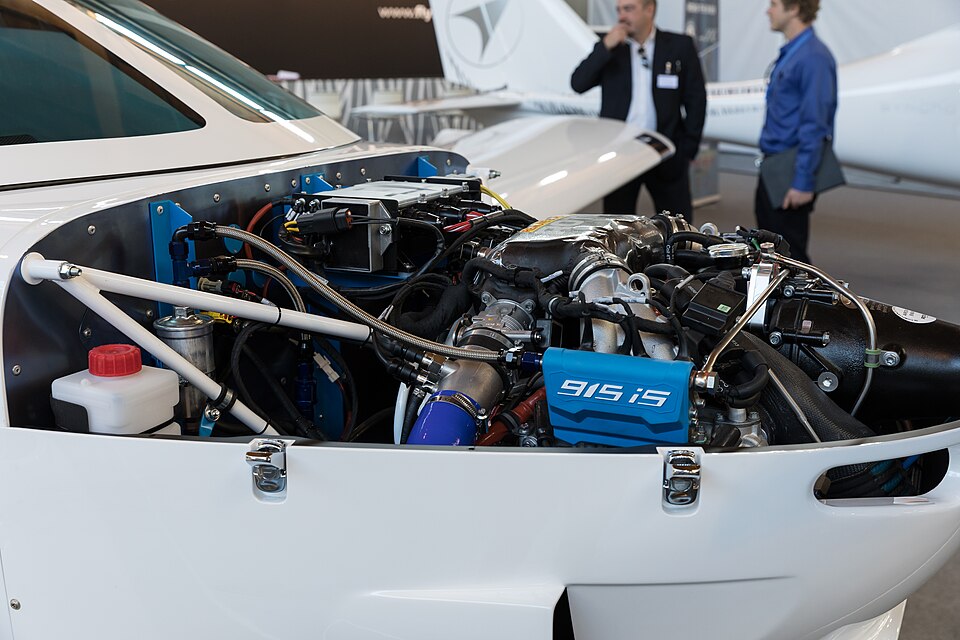
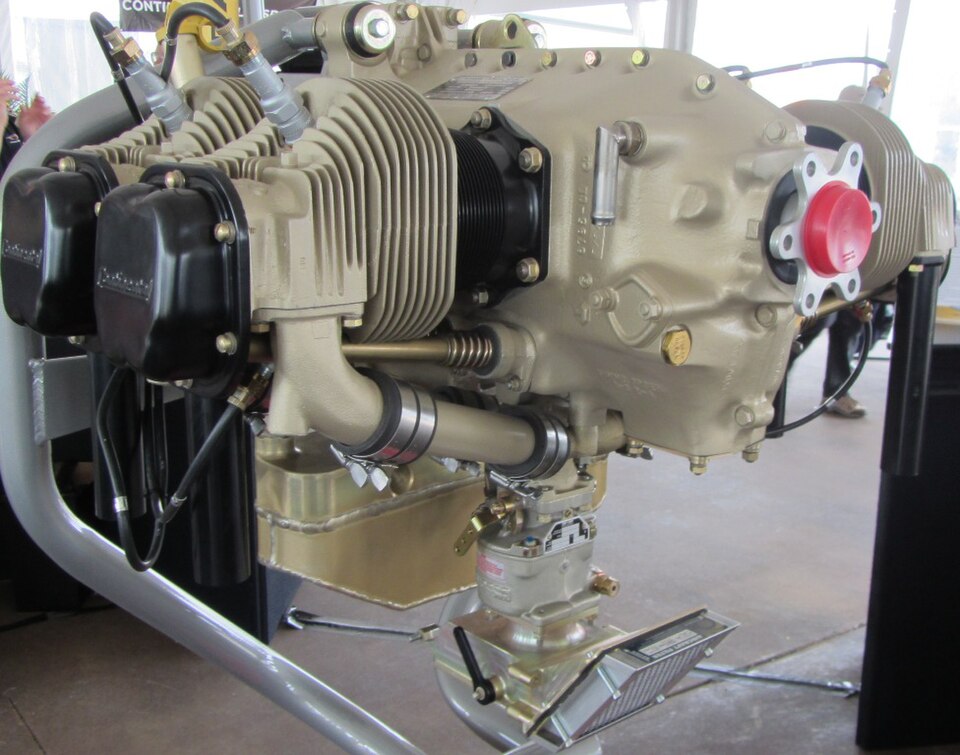
They are in a different universe, and buyers stepping up need to see it clearly. A Lycoming or Continental four-cylinder overhaul is measured in tens of thousands of dollars - our breakdowns of Lycoming engine overhaul cost and time and Cessna 172 engine overhaul time and cost lay out those numbers. A turboprop overhaul is an order of magnitude higher. What you buy in return is reliability, altitude capability, jet fuel, and an engine that does not care much about carb ice, shock cooling or leaning technique.
Which Airplanes Carry Which Engine
Where will you find a TPE331?
Mitsubishi MU-2, Twin Commander 690 series, Fairchild Merlin and Metroliner, BAe Jetstream 31, Dornier 228, and a large share of the agricultural fleet including Thrush and some Air Tractor models. There are also conversions - several Cessna and Piper airframes have been re-engined with Garretts under supplemental type certificates.
Where will you find a PT6A?
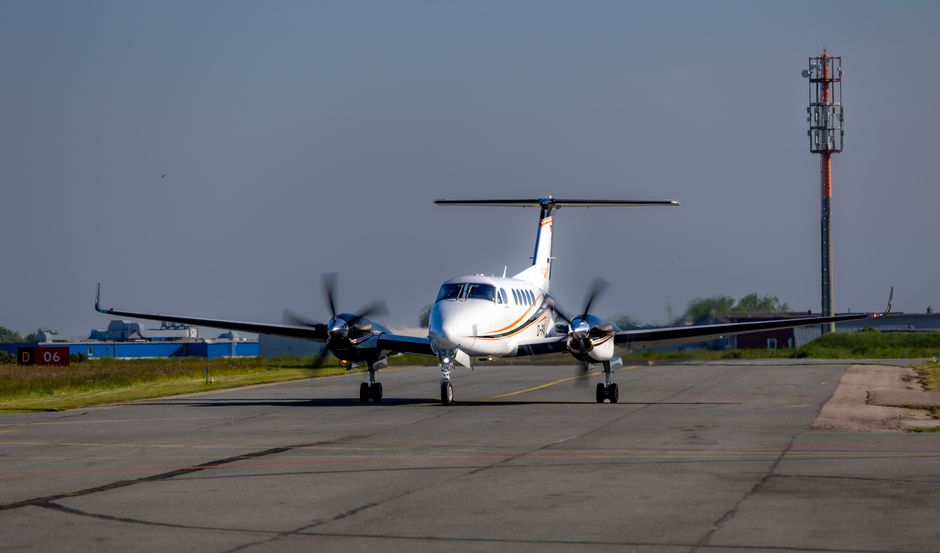
Beechcraft King Air in all its forms, Cessna Caravan, Pilatus PC-12 and PC-6, Daher TBM series, de Havilland Twin Otter, Piper Meridian and M-series, Quest Kodiak, and much of the Air Tractor line. If you are cross-shopping the popular singles, our comparison of the PC-12, TBM and Caravan covers how those three PT6A airplanes differ in mission and cost.
Good to Know: In practice, most buyers do not choose an engine - they choose an airplane, and the engine comes with it. The useful move is to understand the maintenance profile of the engine attached to the airframe you already want, and price it honestly.
What to Check Before You Buy Either One
The logbook and records review
Ask for total time and cycles, time since overhaul, time since hot section or CZI, life-limited component status with remaining cycles on each part, trend monitoring data, and every temperature exceedance report. On a TPE331, pay particular attention to recorded start exceedances - a history of hot starts is a history of shortened turbine life. On a PT6A, look for the compressor turbine blade and vane ring history.
Also confirm compliance with applicable Airworthiness Directives and mandatory service bulletins for the specific dash number and serial. Our guide to reading aircraft maintenance records covers what a complete turbine record set should contain.
The physical inspection
Borescope both engines. Pull oil samples and compare against previous analyses, not just against a generic limit - trend is everything. Check the chip detectors. Inspect the inlet and first-stage compressor for erosion, which tells you whether the airplane lived on pavement or gravel. Run the engines and record a full set of parameters at a stabilized power setting so your mechanic can compare against the trend log.
Pro Tip: Ask whether the engine is enrolled in MSP or ESP, whether the enrollment transfers with the sale, and whether the account is current. An engine near its mid-life event with a funded, transferable program is often a better buy than a lower-time engine with no coverage.
Flying411 keeps buying guides, engine explainers and current listings in one place, so you can research the engine and shop the airplane in the same sitting.
Conclusion
The short version of TPE331 vs PT6A is this: the PT6A is easier to start, easier to get serviced, and cheaper to inspect at mid-life because the hot section often stays on the wing. The TPE331 responds faster, burns a bit less fuel, and generally runs longer between overhauls, but asks more of the pilot during start and usually sends the engine to a shop for its mid-life CZI. Neither is fragile. Both have been earning a living for sixty years.
Pick the airframe that fits your mission, then budget the engine honestly - reserve per hour, written shop quotes for your serial number, and a real pre-buy with a borescope. Do that and the engine on the nose becomes a known expense instead of the thing that keeps you awake.
When you are ready to compare listings, visitFlying411and see what is on the market today.
Frequently Asked Questions
Is the TPE331 really more prone to hot starts than the PT6A?
By design, yes, on the older dash numbers. Because the starter must turn the propeller and the entire rotating assembly, airflow builds more slowly during light-off, which leaves a longer window for temperature to spike. Later TPE331 variants added automatic start scheduling that largely closes that gap. Good battery health, a ground power unit when in doubt, and current training matter more than the badge on the cowl.
Which engine is cheaper to own over ten years?
It depends far more on your annual utilization and the specific model than on the manufacturer. High-utilization operators often favor the TPE331's longer intervals and lower fuel burn. Low-utilization owners often do better with the PT6A, because its on-wing hot section and deep parts market keep unscheduled costs down and calendar-driven work manageable.
Can I fly past TBO on either engine?
Under Part 91, manufacturer TBO is generally a recommendation, and many owners operate on condition with trend monitoring, borescopes and oil analysis. Under Part 135, your operations specifications and approved maintenance program govern, and TBO is usually mandatory unless you have an approved extension. Life-limited parts are always hard limits regardless of the operating rule.
What is the difference between a hot section inspection and a CZI?
A PT6A hot section inspection focuses on the combustion section and compressor turbine and can frequently be performed with the engine installed. A TPE331 Compressor Zone Inspection reaches deeper into the engine - compressor, bearings, seals and turbine - and normally requires engine removal and a shop visit. Both happen near half of TBO, but the CZI is the larger event.
Does the TPE331's constant 100 percent rpm wear the engine faster?
No. The engine was designed to run there, and the published TBOs reflect that operating mode. What does drive wear on both engines is cycles - starts, shutdowns and large power changes - plus operating environment. Two short hops do more damage than one long leg of the same total time.
Should engine choice decide which turboprop I buy?
Rarely. Choose the airplane that matches your mission, runway, payload and range first. Then price the specific engine's next scheduled event, check program enrollment, and negotiate with that number in hand. The engine should shape the offer, not the shortlist.