Starting an airplane on a cold morning can feel stressful. Metal is stiff. Fuel acts differently. The engine needs extra care. The Cessna 172 Cold Start Procedure helps pilots protect the engine and get a smooth start when temperatures drop. When you understand what is happening and why each step matters, cold mornings feel calm and controlled. Let’s walk through what to expect and how to think through each step with confidence.
Before turning the key, it helps to know what the engine is dealing with in cold air and how your actions support it.
Key Takeaways
A cold start for a Cessna 172 means starting the engine safely when it has not run for several hours and the engine is cool. The main steps are priming the engine, setting the mixture rich, opening the throttle slightly, and turning the key to start, then adjusting the throttle to keep the engine running smoothly. Doing this in the right order helps the engine start easily and prevents damage.
| Step | What to Do | Why It Matters |
| Master switch | Turn ON | Powers the airplane |
| Fuel selector | Set to BOTH | Sends fuel to engine |
| Mixture | Full RICH | Gives fuel for start |
| Throttle | Open slightly | Lets air in |
| Prime | Add fuel with primer | Helps cold engine fire |
| Ignition | Turn key to START | Cranks the engine |
| Throttle set | 800–1000 RPM | Keeps engine running |
How To Perform A Safe Cessna 172 Cold Start Procedure
WHAT Happens Inside the Engine During a Cessna 172 Cold Start Procedure
During cold starts, the airplane engine is tight and dry. Oil is thick. Fuel does not mix well with air. Inside the engine compartment, metal parts contract, and the cylinder walls feel stiff. This makes combustion harder to achieve.
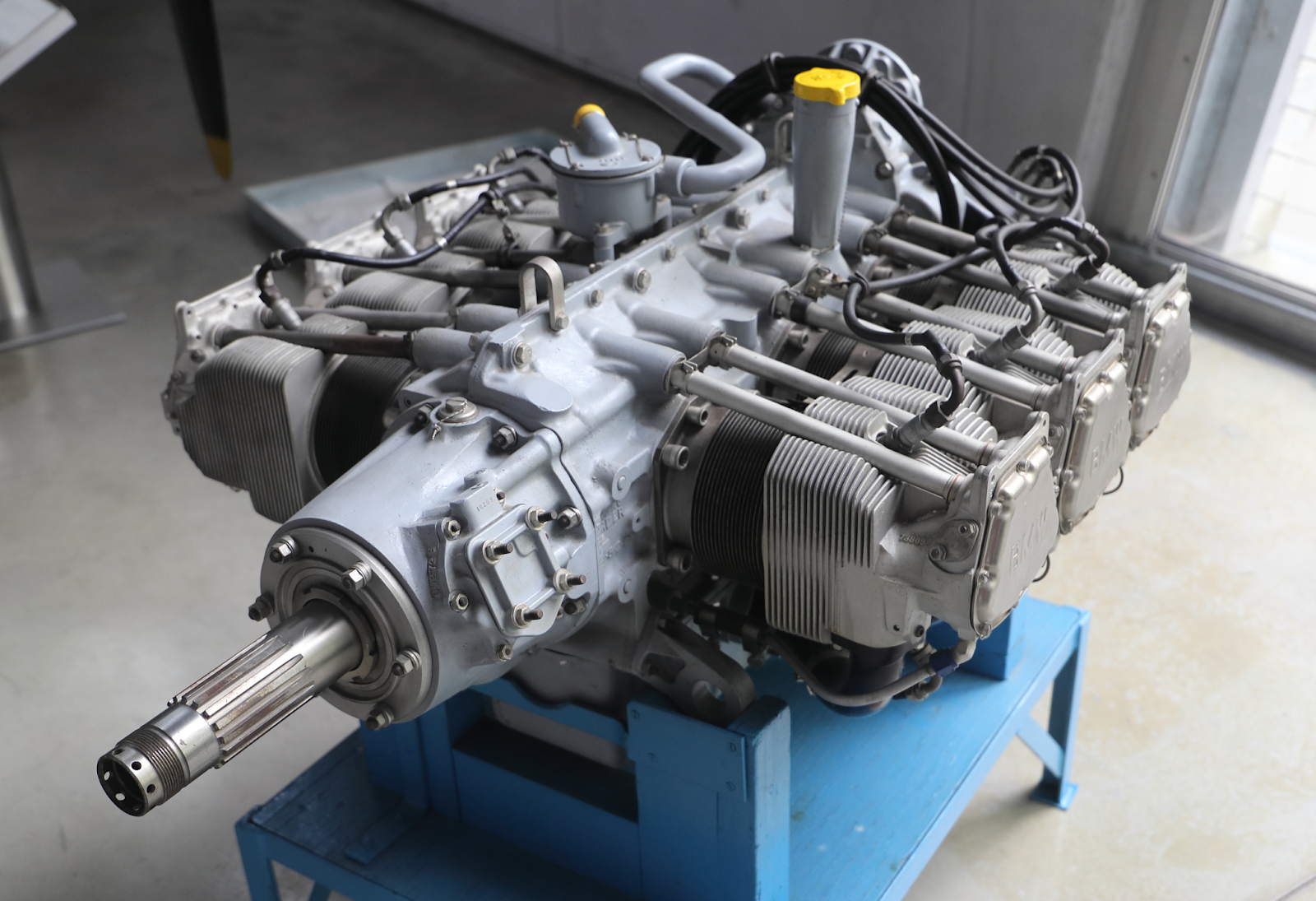
In a typical cessna 172, the lycoming engine uses a carburetor system. This means fuel must travel through the intake manifold and mix with air before it can burn. In cold air, fuel does not vaporize well. That is why priming matters. A shot of prime places fuel close to where it needs to burn.
When you push the primer, fuel enters directly. This helps atomization and gives the spark something to light. Too little fuel leads to a difficult to start condition. Too much fuel can flood the engine. An overprimed engine may need airflow to clear excess fuel.
The ignition system also works harder. The magneto sends spark to the plugs, controlled by the mags switch. Cold plugs struggle, so steady cranking helps. The starter motor turns the engine until fuel and spark meet and engine fires.
Key things happening during engine startup:
- Fuel moves from the fuel selector through lines
- The fuel pump supports fuel flow
- Air mixes with fuel at the carb throat
- Spark ignites the mixture
This process differs from a fuel injected engine, which relies on pressure and no primer. In training planes like those at a flight school, understanding the carb system protects lycoming engines from wear. This knowledge applies to real flying and even microsoft flight simulator practice sessions.
WHEN You Should Change the Cessna 172 Cold Start Procedure
Temperature decides everything. At 40f, the engine may need only light priming. At 30f, the cold engine needs more help. Starting without preheat requires patience and strict steps. A preheater warms oil and cylinders, making starts easier and safer.
Always follow the poh and your checklist. Some models like the 172n or older c172 variants respond differently. A carbureted engine reacts to fuel differently than a fuel injected setup.
Adjustments you may need:
- Use full rich on the mixture control
- Add a set number of primer strokes, often 6 strokes
- Set the throttle slightly open
- Crank the engine smoothly, not aggressively
If the engine stumbles, adjust throttle gently. Do not push the throttle fast. Some pilots add throttle while cranking to help airflow. If the engine will start and then quit, you may need to advance the mixture slowly.
Watch fuel pressure. If the engine driven pump fails, use the aux fuel pump to get fuel moving. Listen and feel. When the engine is started, keep RPM steady and monitor avionics loads.
Extra notes pilots learn with one i fly or owner experience:
- Using the primer beats pumping the accelerator pump
- Prime a couple only if the engine stays cold
- Do not pull the prop unless trained
- Respect airflow around the cowling and cowl
This proper procedure protects the airplane engine and shortens warm-up time. From preflight to start engines, every step supports safe aviation habits. Even shutting down the engine later becomes easier when the start was clean.
How To Follow The Cessna 172 Cold Start Procedure Step by Step
Cold mornings ask for slow thinking and steady hands. This step-by-step process keeps things simple and safe. Each action has a reason. When you know that reason, the steps feel easier to remember and easier to trust.
Step 1: Set Up the Airplane Before Turning the Key
Start by sitting still for a moment. Check your controls. Make sure seats are locked. Confirm brakes are set. Look over the panel and switches. This helps your brain slow down before moving forward.
Next, confirm fuel is selected properly and the mixture is ready for a cold start. In most cases, this means full rich. Cold fuel burns poorly, so the engine needs help early.
This setup protects the c172 engine and keeps surprises away once things begin moving.
Step 2: Add Fuel the Right Way
Cold air makes fuel thick. Thick fuel does not burn well. That is why priming matters.
Use the primer slowly and fully. Many pilots use several primer pumps, but the exact count comes from experience and the handbook. Pull the primer out. Push it in fully. Repeat as needed. This helps fuel reach each cylinder evenly.
This step is about balance. Too little fuel and the engine struggles. Too much fuel and you risk flooding. A calm pace helps you feel the resistance and stay controlled.
Some newer aircraft use fuel injection systems. Others are fuel injected versions of the same airframe. These systems move fuel differently, so always follow the book for your specific airplane.
Step 3: Prepare the Controls for Starting
Set the throttle slightly open. This gives air a path into the engine. Do not open it too far. A small opening is enough.
Make sure the primer is locked after use. An unlocked primer can pull air and cause rough running later. This is a small step, but it matters.
Now check electrical items. Avionics stay off. Lights stay off unless needed. This protects the system during start.
Step 4: Turn the Key and Begin the Start
This is the moment many people rush. There is no need to hurry.
Turn the key to engine start and hold it. Let the starter do the work. You are not forcing anything. You are allowing the system to move as designed.
As you crank, listen closely. Feel the vibration. The sound tells you a lot. When you crank the engine, fuel and air begin mixing. Spark begins firing. Pressure starts to build.
When everything lines up, the engine catches. That first sign of life feels good every time.
Step 5: Respond When the Engine Fires
As soon as the engine shows signs of running, adjust smoothly. This is where many new pilots hesitate.
When it fires, slowly reduce the starter load. Keep the throttle steady. If needed, add a touch of throttle to keep it running. The goal is a stable idle, not a race.
This is the moment to start the engine fully and let it settle. Watch oil pressure rise. Listen for smooth operation. Cold engines may sound rough at first. That is normal for a short time.
Step 6: Manage Ignition and Early Warm-Up
The ignition system now takes over full operation. Spark plugs fire in sequence. The magnetos do their job. Your job is to watch and wait.
Hold a steady RPM. Avoid quick power changes. Cold metal expands as it warms. Smooth operation reduces stress on internal parts.
If the engine stumbles, stay calm. Small adjustments fix most issues. Large movements often make things worse.
Step 7: Follow the Handbook Every Time
The poh exists for a reason. It accounts for temperature, engine type, and system design. Some days require extra steps. Some days require fewer.
Cold weather does not reward shortcuts. Following the book builds habits that protect engines over time. This matters even more in training aircraft that fly often.
Step 8: Know When to Stop and Reset
Sometimes the engine does not start on the first try. That happens. Do not keep grinding the starter.
Pause. Let the starter rest. Review what you did. Was there enough fuel? Was the throttle set correctly? Did the primer stay locked?
A short reset saves wear and keeps frustration away.
Helpful Cold-Start Reminders
Keep these simple points in mind on cold mornings:
- Slow actions work better than fast ones
- Fuel balance matters more in cold air
- Sound and feel give early feedback
- Smooth inputs protect the engine
Cold starts reward patience. Each step supports the next.
Why This Process Works
This step-by-step flow supports fuel delivery, airflow, and spark timing in the right order. It helps fuel burn when air is dense and metal is cold. It also protects internal parts from stress.
Pilots who follow this process build confidence quickly. Starts become predictable. Cold mornings feel routine instead of tense.
And yes, even experienced pilots still smile when it starts clean on the first try. That never really goes away.
Conclusion
Cold mornings do not need to feel rushed or stressful. A calm approach, the right fuel balance, and steady control inputs keep parts happy and starts smooth. The Cessna 172 Cold Start Procedure works when each step is done with care and purpose. If you want more real-world guidance, check out trusted resources from the aviation community like Flying411 to keep learning and flying smart.
Frequently Asked Questions
Can I start a Cessna 172 without preheat?
Yes, but only within approved temperature limits. Follow the POH closely and allow extra time for oil pressure to rise.
How many primer strokes should I use?
It depends on temperature. Colder air often needs more strokes, but too much can flood the engine.
Why does my engine start and then quit?
This usually means not enough fuel or airflow. Adjust mixture and throttle smoothly after it fires.
Is pumping the throttle helpful?
In carbureted engines, priming works better. Pumping can add uneven fuel and cause flooding.
Should I use the fuel pump during start?
Use it as directed in the checklist. It helps maintain pressure during cold starts but should not replace proper priming.