Owning a small airplane brings a lot of pride, but it also brings responsibility. One topic that gets many owners thinking is Cessna 172 Engine Overhaul Time and Cost. It sounds big, and honestly, it is. Still, it does not have to feel confusing or stressful.
Every engine has a working life. That life depends on how the plane is flown, stored, and cared for over time. If you fly often or are thinking about buying soon, knowing what an overhaul involves helps you plan smarter and fly with peace of mind.
Key Takeaways
A Cessna 172 engine overhaul usually happens around 2,000 hours of flight time and can cost about $20,000 to $35,000, depending on the engine and shop. An overhaul means taking the engine apart, fixing or replacing worn parts, and making it like new again. It keeps the plane safe, strong, and ready to fly for many more years.
| Key Point | Simple Explanation |
| Overhaul time | About every 2,000 flight hours |
| Typical cost | $20,000 to $35,000 |
| What is done | Engine is taken apart and rebuilt |
| Why it’s needed | Parts wear out over time |
| Result | Engine runs safely and smoothly again |
What an Engine Overhaul Means for a Cessna 172
An engine overhaul is a full rebuild of the powerplant. For a cessna 172, this work restores the engine so it can safely keep flying. The overhaul is not a quick repair. It is planned maintenance done after years of use.
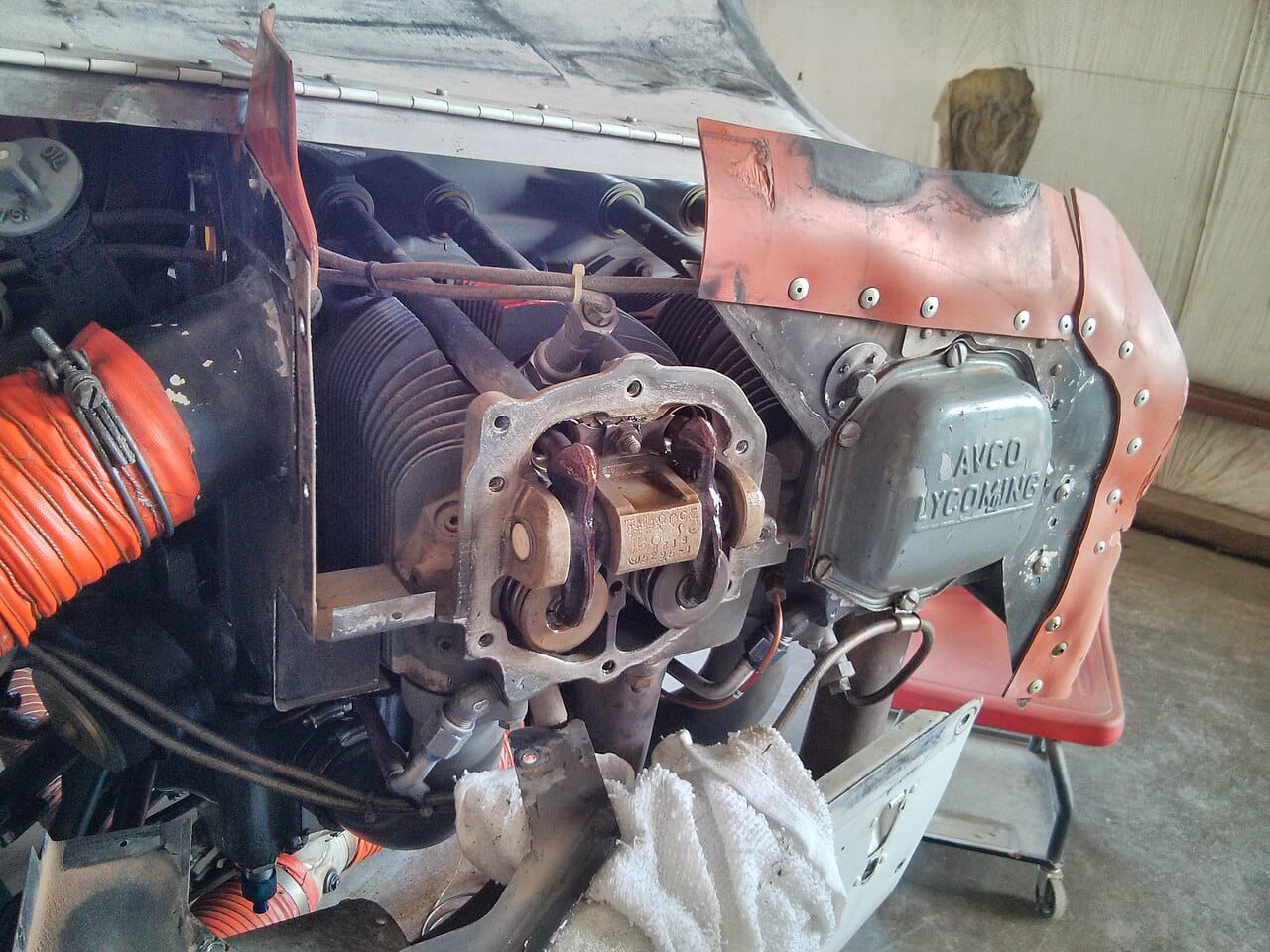
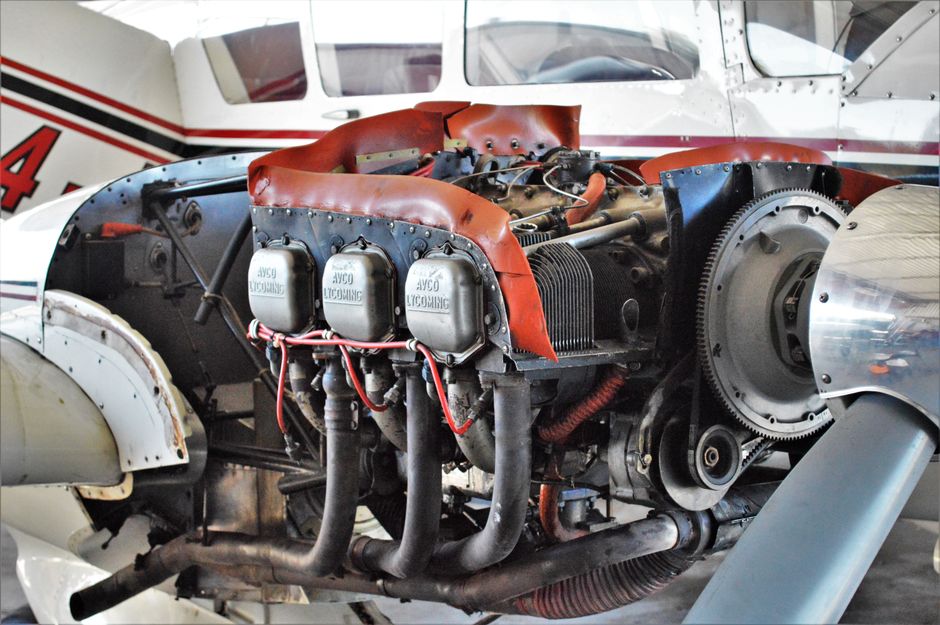
This airplane is a single engine aircraft, which means the engine does all the work. During an engine overhaul, the engine is removed from the plane and opened completely. Parts are inspected, cleaned, repaired, or replaced as needed.
The process follows manufacturer limits called tbo, which means time between overhaul. These limits are based on testing and real-world flying. They also include calendar time, not only flight hours.
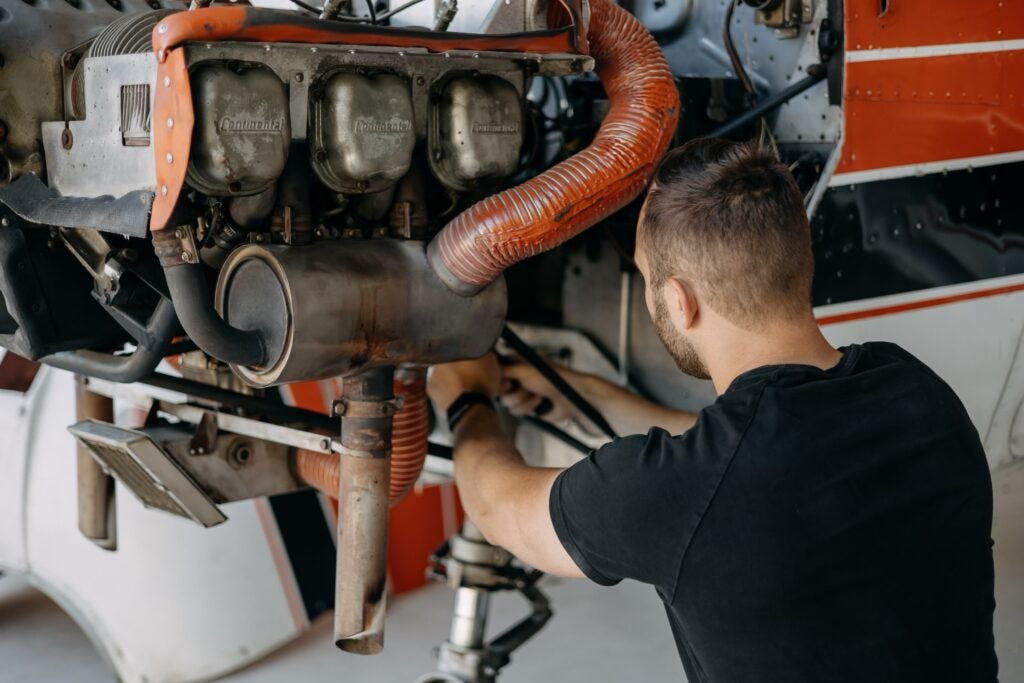
Most Skyhawks use a lycoming aircraft engine. A licensed a&p or experienced mechanic performs the work. Components like the cylinder, aircraft cylinders, bearings, seals, and gears are checked. Any parts that fail compression tests are replaced.
Costs vary. The engine overhaul cost includes labor and parts, plus extras found during teardown. This creates a mix of fixed cost items and variable expenses. Some owners replace the propeller, add new oil, or install a new prop while the engine is out.
This work connects closely to aircraft maintenance, the annual inspection, and even storage choices like a hangar or fbo. It plays a big role in the cost of ownership and the long-term experience of owning a cessna 172.
Why Cessna 172 Engines Do Not Last Forever
Airplane engines work hard every time they fly. A cessna 172 engine runs at high power and steady speeds for long periods. Heat, pressure, and motion slowly wear parts down. Even with care, no engine lasts forever.
One main factor is hours on the engine. Every flight adds wear. Short trips with many starts increase stress. Long flights build heat. All of this adds to total engine time and affects time engine limits.
Time on the calendar matters too. Planes that sit too long face risks like dried seals and corrosion. Letting it sit can be just as harmful as flying often. Regular flying with oil changes and preventive maintenance helps keep a well maintained engine healthy.
Operating habits also matter. Skipping an inspection, delaying a 100 hour, or rushing warm-ups speeds wear. Fuel quality and cost of fuel play a role as well.
Ownership choices matter too. Buying a used plane without records raises risk. A proper prebuy helps avoid surprises. The price of a cessna 172 or price of a used aircraft often reflects engine condition. A low time engine raises the asking price, while a high-time engine lowers it.
Over time, owners must plan for a major overhaul, engine replacement, or even a new engine. These decisions affect maintenance costs, annual cost, operating cost, and the full total cost of aircraft ownership.
When Most Owners Start Asking About Engine Overhaul Cost
Most owners do not start thinking about overhaul costs on day one. It usually comes later, after some flying time and real ownership experience. For many Skyhawk pilots, that moment shows up when logbooks start to feel heavier and questions start to pop up during normal conversations at the airport.
One common trigger is flight time. As hours of use add up, owners notice patterns. Oil use changes. Performance feels a little different. A mechanic may point out trends during a check. None of this means trouble right away. It simply means the current engine is aging like any machine does.
Another moment comes during paperwork reviews. When owners see how the cessna 172 varies based on model year and engine history, cost planning starts to feel real. A low-time engine on a used cessna 172 looks attractive. A high-time engine raises questions. That is often when the phrase cessna 172 overhaul enters the conversation.
Budget planning also plays a role. At first, costs feel predictable. Fuel, oil, tie-downs. Then bigger numbers appear. Hangar rent, insurance, and parts costs slowly shift how owners view the cost of owning an airplane. That shift leads directly to questions about long-term engine expenses.
For many pilots, the first serious discussion happens during scheduled maintenance. A mechanic might explain trends seen across many airplanes. The talk stays calm but honest. The idea of a full overhaul moves from abstract to practical. That is when planning begins.
What Triggers Cost Questions for Most Owners
Several moments tend to push owners toward cost planning. These moments feel natural and often happen together.
- Logbook reviews show rising engine time
- Annual checks highlight age-related wear
- Conversations with other pilots bring up real numbers
- Ownership costs feel larger than expected
- Long-term flying plans start to form
These triggers do not mean something is wrong. They mean the owner is becoming informed and proactive.
How Engine Time Shapes Cost Awareness
Engine time tells a clear story. Every flight adds wear. Over time, patterns appear. Mechanics track these patterns closely. Owners learn to do the same.
As hours of use increase, inspections take longer. More notes appear in maintenance records. None of this is unusual. It is simply how machines age in aviation.
Owners often ask how much time is left. The answer depends on care, use, and environment. Two engines with the same hours can look very different inside. That is why planning focuses on trends, not just numbers.
This is where the idea of an engine reserve starts to make sense. Owners slowly set aside money based on flying time. It feels less stressful than facing one large bill later.
Why Ownership Style Matters
How you fly affects cost planning. Pilots who enjoy recreational flying on weekends may build hours slowly. Owners who fly weekly reach milestones faster. Neither approach is better. They simply shape timelines.
Storage matters too. Planes kept indoors often age more evenly. Exposure affects seals and surfaces. That connects engine health to the airframe and storage choices.
Participation in groups like the Cessna Flyer Association also helps. Owners share real numbers, not guesses. Hearing how others planned for overhaul makes the process feel manageable.
Cost Awareness Grows With Experience
New owners often focus on the purchase price. Later, attention shifts to ongoing expenses. This is part of owning an aircraft. Experience brings clarity.
As owners gain time, they understand cost factors better. They see how routine maintenance protects long-term value. Small actions today help reduce surprises later.
This is also when owners learn the difference between upgrades and needs. Items like avionics upgrades or new paint improve enjoyment but do not replace engine planning. Both matter, but they serve different goals.
Planning for the Big Number
Eventually, owners ask about the major overhaul cost. This number can feel intimidating at first. Breaking it down helps.
The overhaul cost for a cessna includes labor, parts, and downtime. It may also include removal and replacement of components and optional upgrades. Each shop quotes differently.
Some owners hear figures like 18k and assume that is final. In reality, that number often represents a portion of the work or a starting point. The key cost depends on engine condition and findings during teardown.
Parts selection also matters. Some shops use superior air parts or similar options. These choices affect price and availability but still meet standards set by the Federal Aviation Administration.
Other Costs That Shape the Decision
Engine planning never happens alone. It connects to the full ownership picture.
- Aircraft insurance may not change much, but value does
- Storage costs like hangar rent continue during downtime
- Downtime affects flying plans and scheduling
- Maintenance scheduling must align with shop availability
Owners also compare options. Some consider selling before overhaul. Others plan to fly long-term and invest fully. Both choices are valid.
How Owners Think Through the Decision
Most owners take time to decide. They review records. They talk to mechanics. They compare flying goals.
The question is not only cost. It is value. Will this airplane support years of flying ahead? Does the owner plan to keep it? These answers guide action.
Planning early reduces stress. Setting aside funds gradually makes the cost for a cessna 172 feel manageable. Owners who plan ahead enjoy flying more and worry less.
At this stage, the conversation shifts from surprise to strategy. That shift marks a confident owner.
Conclusion
Understanding Cessna 172 Engine Overhaul Time and Cost helps owners plan with confidence. With smart care, steady flying, and good records, the cost becomes manageable instead of overwhelming.
Planning ahead also protects resale value for used cessna 172s, different 172 models, and long-term enjoyment of flying. If you are a cessna 172 owner or thinking about becoming one, knowledge is your best tool.
For help with buying, selling, or planning ownership costs, visit Flying411 and make informed decisions with confidence.
Frequently Asked Questions
How long does a Cessna 172 engine overhaul usually take?
Most overhauls take several weeks. The exact time depends on shop workload, parts availability, and what is found during teardown.
Can I fly past recommended overhaul limits?
Some owners do with added monitoring. Extra inspections and strong maintenance records are required to keep flying safely.
Does an overhaul lower insurance costs?
Insurance usually stays the same. A fresh overhaul may help resale value but does not always reduce premiums.
Is renting cheaper than owning long term?
Renting a cessna 172 costs less short term. Long-term ownership brings higher costs but more freedom and availability.
Should I overhaul or replace the engine?
A cost of a brand-new engine is higher. An overhaul costs less but depends on core condition. The best choice depends on goals and budget.