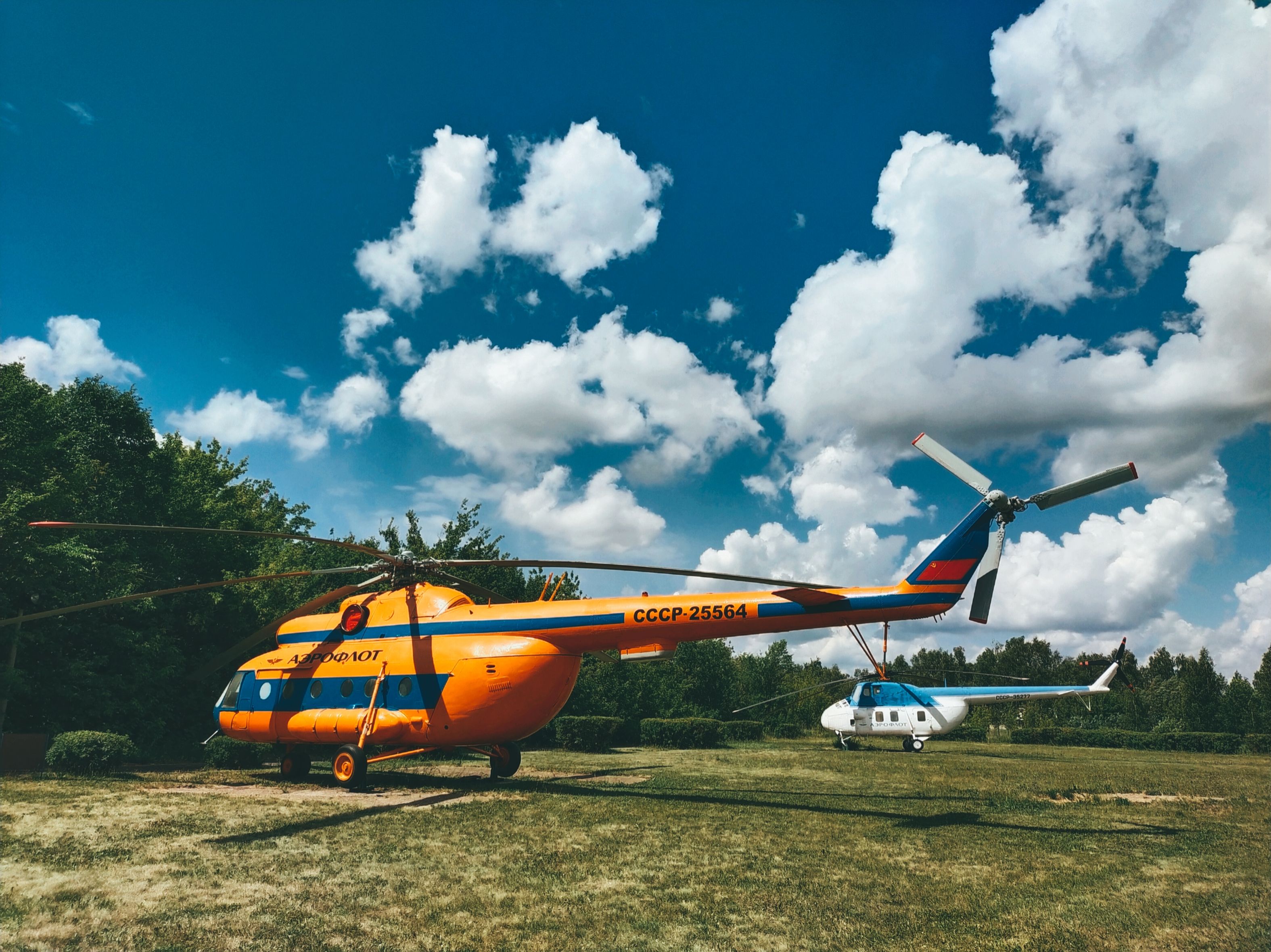
A helicopter promises something most vehicles cannot. It can skip traffic, land almost anywhere, and turn a two-hour drive into a short hop over the rooftops. From the ground, that kind of freedom looks irresistible.
The harder question waits quietly behind the dream. Is owning a helicopter worth it once the engine cools and the bills start to arrive?
For some people, the answer is a confident yes. For others, the same machine becomes a very expensive way to learn a hard lesson about fixed costs.
The difference rarely comes down to how much someone loves flying. It comes down to numbers, habits, and how often the rotor actually spins.
The price on the listing is only the opening line of a much longer story.
Key Takeaways
Owning a helicopter is worth it mainly for people who fly often, have a clear reason to fly, and can cover the steady costs that keep coming long after the purchase. The sticker price is just the start. Fuel, insurance, hangar space, and maintenance add up every year, flown or not. People who log many hours, run a business with the aircraft, or value time over money tend to gain the most. People who would fly only a few times a year usually save money by chartering instead.
| Question | Short Answer |
| Worth it for whom? | Frequent flyers, business users, and time-sensitive owners |
| Biggest hidden cost | Ongoing operating and maintenance costs, not the purchase price |
| Break-even point | Usually a higher number of annual flight hours, often several hundred |
| Cheaper alternative | Charter or fractional shares for low-hour flyers |
| Can you fly it yourself? | Yes, with the right license, or you can hire a pilot |
| Main risk | Costs and liability that continue even when the aircraft sits still |
If you are weighing the numbers, it helps to see what real aircraft actually sell for. Flying411 lists helicopters, engines, and certified parts from trusted sellers, so you can compare options side by side before you commit.
What Owning a Helicopter Actually Means
Owning a helicopter means owning two things at once. The first is the aircraft itself, a complex machine with an engine, a rotor system, and hundreds of parts that wear with time. The second is a long list of duties that come with keeping that machine safe, legal, and ready to fly.
People throw around casual names for these aircraft, and the slang can get confusing. If you have ever wondered about the difference between a chopper and a helicopter, the short version is that both words point to the same machine in different tones. For an owner, the nickname does not matter. The upkeep behind the rotor is what counts.
Think of ownership less like buying a car and more like running a small, highly regulated operation. There are inspections to schedule, records to keep, parts to track, and rules to follow. None of that goes away once the excitement of the first flight fades.
Good to Know: Industry estimates often suggest that the ongoing costs of owning an aircraft can add up to a large share of its total lifetime cost. The purchase price, in other words, may be the smaller half of the deal.
The Cost of Owning a Helicopter
Money is where most of these decisions are won or lost. The cost of owning a helicopter comes in layers, and each layer behaves a little differently. Some costs hit once. Some hit every hour you fly. Some hit every year no matter what. Understanding all three is the only honest way to answer the worth-it question.
The Purchase Price
The first number is the one people see on the listing. The range is wide. A small, two-seat piston model can sell for a few hundred thousand dollars. A light turbine helicopter often climbs into the low millions. Larger twin-engine and VIP models can reach tens of millions for the most advanced machines.
Used helicopters cost less up front, and that lower price tempts a lot of first-time buyers. The catch is that age and flight hours change the math. An older aircraft with high hours may need expensive overhauls sooner, which can erase the savings over a few years of ownership.
Pro Tip: Before buying any helicopter, pay for a thorough pre-purchase inspection from a qualified mechanic. A few thousand dollars spent up front can reveal tens of thousands of dollars in looming repairs.
Operating Costs Per Hour
Helicopter operating costs are measured by the hour, and they climb quickly. Every hour in the air burns fuel, adds wear, and moves the aircraft closer to its next required inspection. Direct hourly costs for a small piston helicopter often land in the few-hundred-dollars range. Light turbine models can run several times higher once fuel and maintenance reserves are counted.
The main per-hour drivers usually include:
- Fuel. Aviation fuel costs more than the gas in your car, and turbine engines can burn a lot of it.
- Routine maintenance. Filters, fluids, and regular checks tied to flight time.
- Overhaul reserves. Money set aside for big-ticket items like engine and rotor overhauls that come due at set intervals.
- Parts and wear items. Components that age out on a schedule, even if they still look fine.
The tricky part is that overhaul reserves feel invisible. You are not writing a check today, but you are spending money toward a future bill with every hour you fly. Smart owners budget for it as if the cash already left the account.
Fixed Annual Costs
Some costs arrive on a schedule that ignores how much you fly. These fixed costs quietly drain a budget during a slow season when the helicopter barely leaves the hangar.
- Insurance. Owners typically carry both hull coverage, which protects the aircraft itself, and liability coverage, which protects against claims. Premiums for turbine models can run into the tens of thousands of dollars a year.
- Hangar or storage. Keeping an aircraft out of the weather and secure costs money every month.
- Pilot pay. If you do not fly it yourself, a professional pilot is a recurring salary, and rates vary widely by region.
- Training and subscriptions. Recurrent training, navigation databases, and software keep adding up.
Heads Up: As the owner, you are usually considered to be in operational control of the aircraft. That carries real responsibility and potential liability that a charter customer does not take on, since the charter operator holds that role instead.
Financing and Depreciation
Many buyers finance the purchase rather than pay in full. Specialized aviation lenders often ask for a sizable down payment, commonly in the range of twenty to thirty percent, with the rest paid over time with interest. Those monthly payments become part of your true operating cost, not a separate line item to forget about.
Depreciation is the other quiet drain. Like most machines, helicopters can lose value as they age and accumulate hours, though well-maintained models with good records tend to hold value better than neglected ones.
Keep in Mind: Resale value is part of the ownership equation, not an afterthought. Two similar helicopters can cost very different amounts to own once you factor in what each one is worth when you sell.
Here is a simple way to see the layers side by side.
| Cost Type | What It Covers | When It Hits |
| Purchase | Aircraft price or down payment plus loan | Up front and monthly |
| Fuel | Jet A or avgas per flight hour | Every hour flown |
| Maintenance | Inspections, parts, and overhauls | Scheduled and surprise |
| Insurance | Hull and liability coverage | Yearly |
| Storage | Hangar or tie-down space | Monthly |
| Crew | Pilot pay and training | Ongoing if you hire |
Maintenance is where ownership budgets live or die. Flying411 connects owners with certified A&P mechanics, avionics specialists, and MRO providers who keep aircraft flight-ready and compliant.
The Advantages of Owning a Helicopter
The honest picture covers both sides. Looking at the advantages and disadvantages of owning a helicopter together is the only way to judge if the trade is fair for your life. Start with the upside, because the upside is real and it is the reason people fall in love with these machines.
- Time savings. A helicopter flies point to point. It can lift off near your home and land near your destination, skipping highways and airport lines entirely.
- Total control. You decide when to fly, where to go, and who handles the aircraft. No waiting on schedules or availability.
- Access to hard places. Helicopters reach spots that fixed-wing planes and cars cannot. Remote sites, islands, mountain lodges, and rooftops all open up.
- Privacy and comfort. Your aircraft, your rules, your passengers. For some owners, that privacy alone is worth a lot.
- Range and reach. It helps to understand how far a helicopter can travel and how high they can climb, since those limits shape the trips you can realistically take.
- Business and revenue use. Some owners offset costs by making the aircraft available for charter through a management company, turning an idle asset into income.
For a busy executive who values an hour of saved time more than the cash it costs, these benefits can justify the entire expense.
Why It Matters: Most cost comparisons point to the same idea. Ownership tends to make financial sense only when annual flight hours are high, often in the range of several hundred hours a year. Below that, the fixed costs spread across too few flights.
The Disadvantages of Owning a Helicopter
Now the other side of the ledger. The drawbacks are the part that catches new owners off guard, because they show up after the thrill wears off.
- Steady high costs. The fixed expenses keep coming during slow months, weather delays, and maintenance downtime.
- Downtime. Required inspections and surprise repairs can ground the aircraft when you least want it grounded.
- Depreciation. Value can slide over the years, especially without careful upkeep and clean records.
- Weather limits. Helicopters are flexible, but they are not all-weather magic carpets. Fog, ice, and strong winds can cancel plans.
- Liability. Operational control means more responsibility resting on your shoulders.
- Complexity. Regulations, record keeping, and compliance demand attention or a team to handle them.
- You need a pilot. Either you train and stay current, or you pay someone who has.
Quick Tip: Before buying, charter the exact type of helicopter you are considering for several trips. It is the cheapest way to test how often you would really use one before committing serious money.
How to Decide If Owning a Helicopter Is Worth It
Here is the heart of the matter. Deciding if owning a helicopter is worth it for you comes down to a handful of honest questions. Run through each one and answer truthfully, not hopefully. If most of your answers point toward heavy, regular use with a clear purpose, ownership starts to make sense. If they point toward occasional flights, the numbers usually favor renting time instead.
- How many hours will you really fly? Be realistic, not optimistic. Count the trips you will actually take, then cut that number, because most people overestimate.
- Will you pilot it or hire? Flying yourself saves a salary but demands training and currency. Hiring a pilot adds a steady cost.
- What is the mission? Commuting, business access to remote sites, family travel, or pure enjoyment each lead to different aircraft and different math.
- What is your full budget? Look past the purchase to fuel, insurance, hangar, crew, and reserves. Add a cushion for surprises.
- Where will you keep it? Hangar access and a place to take off and land near where you live and work make ownership practical. Without them, convenience shrinks fast.
- How do you feel about downtime? Maintenance happens. If a grounded aircraft would wreck your plans, that risk matters.
- How comfortable are you with liability? Operational control is a real responsibility. Some buyers welcome it. Others would rather hand it off.
- What about resale? A model with strong demand and good records protects your money better than a bargain that nobody wants later.
Run those eight questions and a pattern usually appears. For high-hour, mission-driven flyers, private helicopter ownership can be a smart and even profitable choice. For light, occasional use, the same decision often turns into an expensive hobby that sits in a hangar.
Helicopter Ownership vs Charter and Other Options
Ownership is only one path to the rotor. The smartest buyers compare it against the alternatives before signing anything, because buying a helicopter is rarely the cheapest way to fly a small number of hours.
Chartering
Charter means you pay for flights by the hour with no long-term commitment. You skip the fixed costs entirely. For people who fly a modest number of hours a year, charter is usually the better deal, and you can size the aircraft to each trip.
Fractional and Shared Ownership
Fractional programs let several owners share one aircraft and its costs. You get many of the perks of ownership with a smaller bill and less hassle, though you trade away some of the on-demand freedom.
Leaseback and Management Programs
In this model, you own the aircraft but a professional company handles crewing, maintenance, and scheduling. They can also place your helicopter into charter service when you are not using it, which offsets some of the standing costs.
eVTOL and What Comes Next
The aircraft world keeps changing. Electric air taxis are moving from concept toward reality, and it is worth knowing how eVTOL aircraft compare with traditional rotorcraft. For smaller tasks like aerial photos or inspections, even compact quadcopter drones now handle jobs that once needed a full-size helicopter.
| Option | Best For | Main Trade-Off |
| Full ownership | High hours, clear mission | Highest cost and responsibility |
| Charter | Occasional flyers | No control over the specific aircraft |
| Fractional share | Moderate, predictable use | Shared availability |
| Leaseback | Owners wanting income | Aircraft used by others |
Flying It Yourself or Hiring a Pilot
One choice shapes your budget more than almost any other. You can learn to fly the helicopter yourself, or you can pay a professional to do it. Both paths are valid, and both come with their own costs.
If you want to be the one at the controls, you will need proper training. Learning how to fly a helicopter takes real instruction, and the path to becoming a helicopter pilot involves ground school, flight hours, and tests. The process to earn a helicopter license is demanding, but it gives owners the most freedom and removes a salary from the budget.
Hiring a pilot trades that effort for cash. A skilled pilot keeps you flying without the years of training, but the pay is a recurring cost, and rates swing widely by location and experience.
Fun Fact: Helicopters are workhorses far beyond personal travel. Some are used for high-stakes jobs like power line work, and you can get a sense of the trade from what helicopter linemen earn, a reminder that these machines often pay their own way.
Knowing the Categories: From Light Singles to Military Machines
It helps to know where your aircraft sits in the larger family of rotorcraft. The helicopter world is huge, and most of it is nothing like what a private buyer would ever own.
Civilian Models You Can Actually Own
Private buyers usually look at light piston singles, turbine singles, and light twins. These are the practical machines for personal travel, business access, and small commercial work. They balance cost, capability, and the realities of upkeep.
Military and Special-Purpose Aircraft
At the far end sit the military machines, and people love to compare them. These are not for civilian ownership, but the matchups are fascinating. Enthusiasts debate the Apache and Comanche, weigh the Viper against the Apache, and argue over heavy lifters like the Chinook and Black Hawk. The classic Huey compared to the Black Hawk shows how far the technology has traveled over the decades.
Some comparisons get wonderfully strange. People have pitted helicopters against tanks and even lined up a helicopter next to a flapping-wing ornithopter just to see how the designs stack up. None of this affects your buying decision, but it shows how wide the rotorcraft family really is, and how special the small slice meant for private owners truly is.
Ready to see what fits your mission and your budget? Browse current helicopter listings on Flying411 and connect directly with sellers and aviation pros in one place.
Conclusion
So, is owning a helicopter worth it? The honest answer is that it depends entirely on you. The machine itself does not decide. Your flight hours, your purpose, your budget, and your tolerance for cost and responsibility do.
Fly often with a real mission, and ownership can be one of the best decisions you ever make. Fly rarely, and a charter seat will almost always be the smarter buy.
Run the numbers with clear eyes, charter the type first, and look past the sticker price to the years of ownership behind it. Get those parts right, and the rotor overhead can feel like the best money you ever spent.
When you are ready to compare real aircraft, parts, and trusted aviation services in one place, start your search with Flying411 and turn the dream into a smart, well-planned decision.
Frequently Asked Questions
How many hours a year do you need to fly to justify owning a helicopter?
There is no single magic number, but most cost comparisons suggest ownership starts to make sense at a high level of annual use, often several hundred hours. Below that, charter or fractional options usually cost less overall.
Can you make money owning a helicopter?
Some owners offset their costs by placing the aircraft into charter service through a management company. It can reduce expenses, though covering all costs through charter alone often requires a large number of revenue hours.
Is it cheaper to charter or to own a helicopter?
For people who fly only occasionally, chartering is almost always cheaper because you avoid all the fixed annual costs. Ownership tends to win only at high, steady flight hours.
What is the most expensive part of helicopter ownership?
The ongoing costs usually outweigh the purchase over time. Maintenance, overhaul reserves, insurance, and fuel can add up to a large share of the total cost of ownership across the years.
Do you need a special license to fly your own helicopter?
Yes. Flying a helicopter requires dedicated training and a helicopter rating or license, which is separate from the certification used for fixed-wing aircraft. Owners who do not want to train can hire a qualified pilot instead.