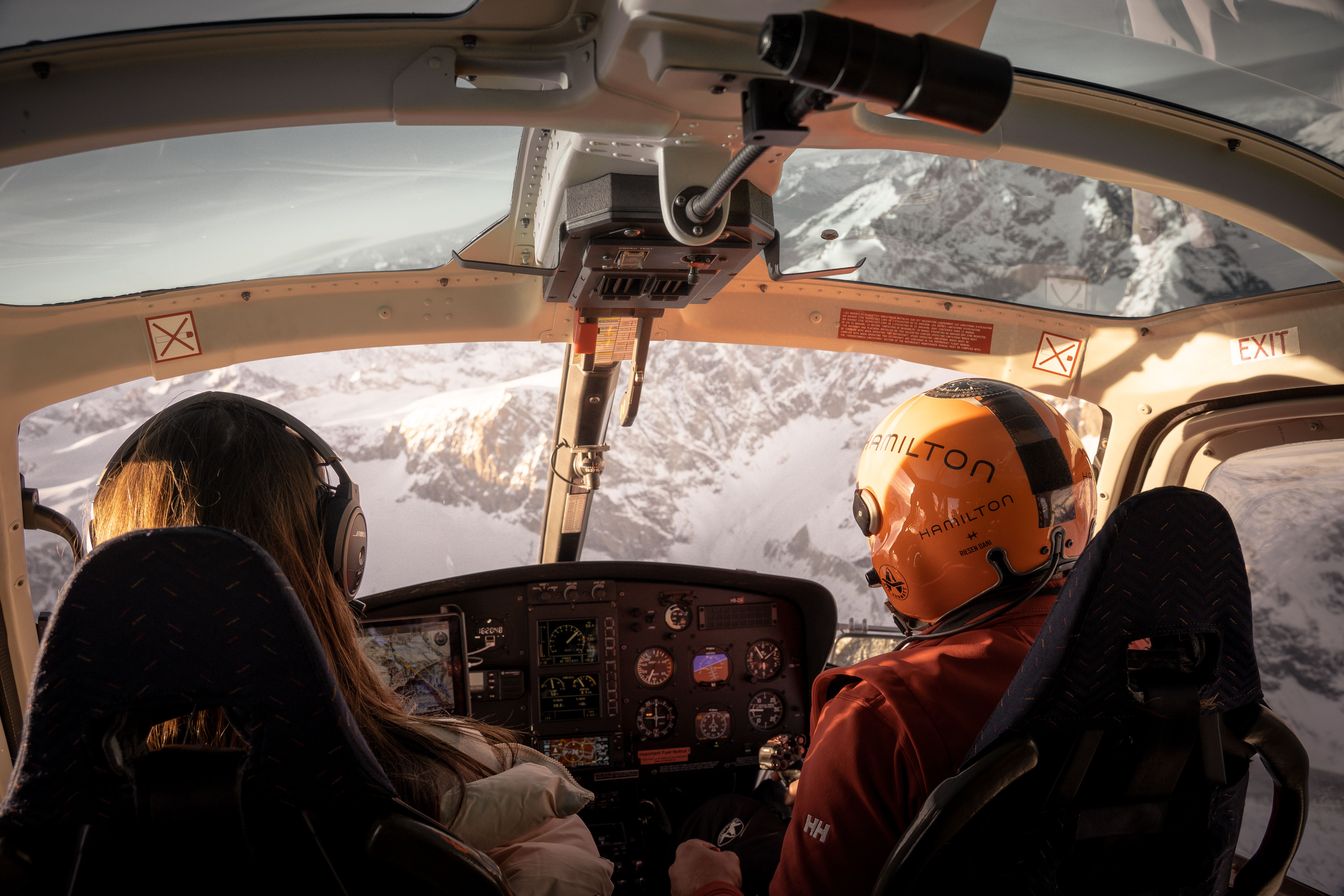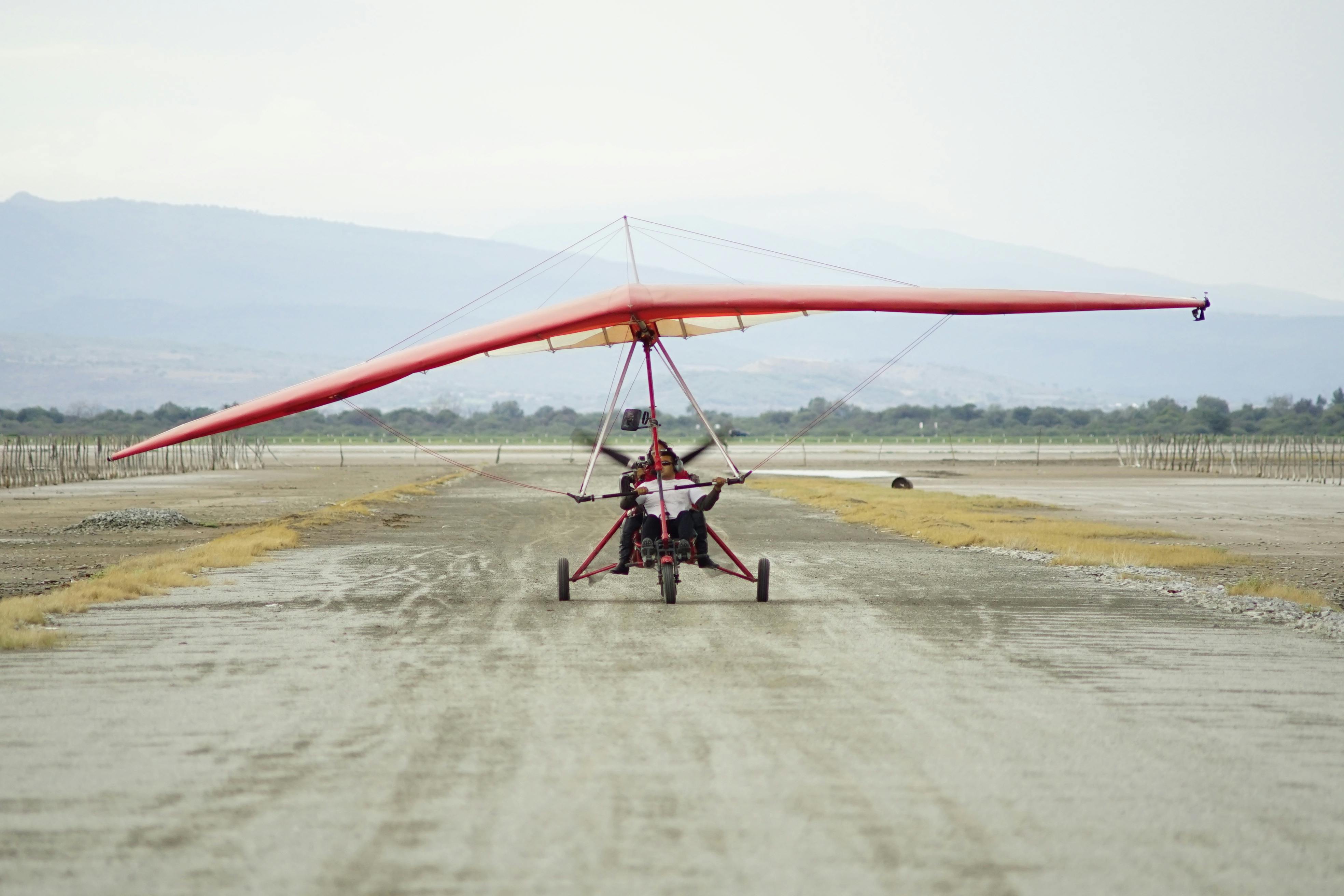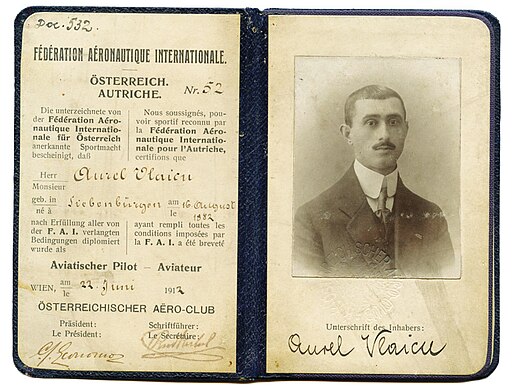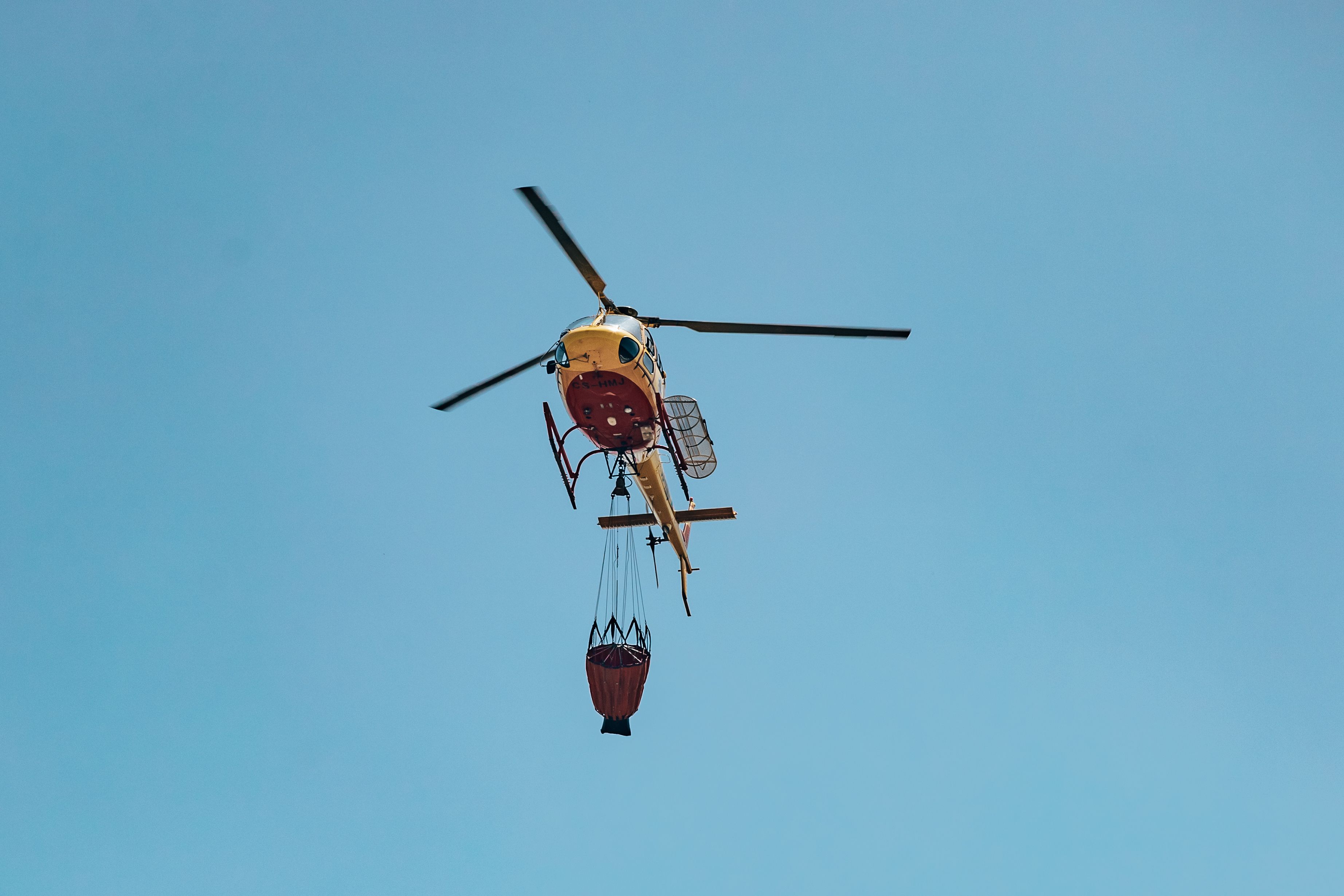
Flying a helicopter looks like magic from the ground. The machine lifts straight up, hangs in the air, spins in place, then slides sideways like it forgot gravity was a rule. If you have ever watched one land on a hospital roof or skim along a canyon wall and thought, "I want to do that," you are in good company.
Figuring out how to become a helicopter pilot is a real, reachable goal for a lot of regular people. It takes training, money, and patience. It does not take a cape.
The path is more organized than most folks expect. There are clear steps, set rules, and a logbook that fills up one flight at a time. You move from small wins to bigger ones, and each one feels great.
The hardest part is usually not the flying itself. It is learning to hover, which is its own special kind of humbling. Hovering has been compared to balancing on a beach ball while patting your head and rubbing your stomach. The good news is that almost everyone gets it eventually, and the day it finally clicks is one you never forget.
Key Takeaways
To become a helicopter pilot, you train at a flight school, pass written and flying tests, and earn FAA certificates one step at a time. Most people start with a private certificate, add an instrument rating, then earn a commercial certificate so they can get paid to fly. Going from zero hours to a job-ready commercial pilot usually takes around one to two years. The cost often lands somewhere between $70,000 and $100,000 or more. The two biggest factors are how often you fly and which helicopters you train in.
| Question | Quick Answer |
| What is the first step? | A medical exam and a student pilot certificate, then flight lessons |
| What certificates do I need to fly for a living? | At least a commercial certificate, often with an instrument rating and a CFI |
| How many hours for a commercial certificate? | A minimum of 150 helicopter flight hours under FAA Part 61 |
| How long does it take? | Roughly 12 to 24 months from zero to commercial, depending on pace |
| How much does it cost? | Commonly $70,000 to $100,000 or more, zero to employable |
| What is the minimum age? | 16 to solo, 17 for private, 18 for commercial |
| How do new pilots build hours? | Many work as flight instructors after earning their commercial certificate |
If aircraft and aviation careers spark your curiosity, Flying411 is a friendly place to see what the rotorcraft world looks like up close, from real listings to industry insights.
What a Helicopter Pilot Actually Does
Before you sign up for lessons, it helps to picture the job. Helicopter pilots do far more varied work than airline pilots do. One pilot might fly tourists over a coastline. Another flies critically ill patients to a trauma center at 2 a.m. Others move workers to oil platforms, fight fires, herd cattle, film movies, or train new students.
Helicopters earn their keep by doing things airplanes cannot. They take off and land straight up, hover in one spot, and reach places with no runway in sight. That flexibility is why so many industries depend on them.
Here are some of the most common fields helicopter pilots work in:
- Emergency medical services (EMS), flying patients and medical crews
- Tour and sightseeing flights over cities, canyons, and coastlines
- Offshore transport, carrying workers to oil and gas platforms
- Law enforcement and public safety, including search and rescue
- Utility work, such as power line inspection and aerial surveying
- Flight instruction, teaching the next round of students
- Firefighting and agriculture, from water drops to crop work
Good to Know: A helicopter is a type of rotorcraft, which simply means it gets its lift from spinning rotor blades instead of fixed wings. If you have ever wondered about the difference between a chopper and a helicopter, the short version is that they are the same machine with two different names.
Getting familiar with the wider world of rotary-wing flight is part of the fun. Some people enjoy comparing a helicopter with a quadcopter drone, while others look ahead at how newer eVTOL aircraft might change short-distance flying. There are even oddball comparisons out there, like a helicopter next to an ornithopter that flaps like a bird, or the playful matchup of a helicopter and a tank. None of this is required reading, but it makes the machines feel less mysterious.
What It Takes to Get Started
Good news first. You do not need a college degree, a military background, or perfect eyesight to start helicopter flight training. The basic entry requirements are simpler than many people fear. You mostly need to be old enough, healthy enough, and able to communicate in English.
Age Requirements
The FAA sets clear age limits for each milestone. They are easy to remember:
- 16 years old to fly solo in a helicopter
- 17 years old to earn a private pilot certificate
- 18 years old to earn a commercial certificate and get paid
There is no upper age limit. People start helicopter training in their 40s, 50s, and beyond. As long as you can pass the medical and the checkrides, age is not a barrier.
Medical Certificate
Every powered-aircraft pilot needs an FAA medical certificate, signed off by an Aviation Medical Examiner (AME). The exam checks your vision, hearing, blood pressure, and general health. There are three classes:
| Class | Used For | Common Renewal |
| Third Class | Student and private pilots | Every 5 years (under 40), 2 years (40+) |
| Second Class | Commercial pilots flying for hire | Every 12 months |
| First Class | Airline and certain large-helicopter roles | Every 12 months (under 40) |
Pro Tip: If you plan to fly for a living, get a FAA medical certificate at the first or second-class level early, before you spend a dollar on lessons. That way you find out about any health issue before you invest big money in training, not after.
Language and Background
The FAA requires pilots to read, speak, write, and understand English, since it is the shared language of aviation worldwide. You will also go through a quick background and identity check before your first solo. Neither step trips up most students.
The Step-by-Step Path to Becoming a Helicopter Pilot
Here is the heart of it. The road from curious beginner to professional pilot follows a fairly standard order. Some students move faster than others, but the steps stay the same. Think of it as a ladder where each rung lifts you a little higher.
- Decide what kind of flying you want. Flying for fun on weekends needs only a private certificate. Flying for a paycheck needs a commercial certificate and usually more. Knowing your goal keeps you from overspending or underplanning.
- Take an introductory flight. Most schools offer a low-cost "discovery flight" where an instructor lets you hold the controls. It is the best way to learn if you love it before committing thousands of dollars.
- Pass your FAA medical exam. Visit an AME, complete the checkup, and walk out with your medical certificate. This is your green light to fly solo later on.
- Get your student pilot certificate. You apply through the FAA's online system, often with help from your instructor. This lets you begin solo flying once your instructor signs you off.
- Choose a flight school. You will pick between a Part 61 school (more flexible scheduling) and a Part 141 school (more structured, FAA-approved syllabus). More on that difference below.
- Earn your private pilot certificate. You train, study, and log hours until you can pass a written test, an oral exam, and a flying test called a checkride. Now you can fly a helicopter for personal use.
- Add an instrument rating. This teaches you to fly safely using only your instruments when you cannot see outside. Many career employers, especially in EMS and offshore work, require it.
- Earn your commercial certificate. With more hours and sharper skills, you qualify to be paid to fly. This is the certificate that turns a hobby into a career.
- Build your flight hours. Most fresh commercial pilots do not have enough experience for top jobs yet. They build time, often by working as instructors.
- Land your first paid flying job. With the right hours and ratings, you start applying for tour, utility, EMS, or other entry-level pilot roles.
Fun Fact: The Robinson R22 is widely known as one of the most popular helicopters for training in the United States. It is small, light, and relatively affordable to operate, which is why so many students log their first hours in one.
That ladder looks long, and it is. The reward is that each rung adds a real skill and a real privilege. By the time you reach the top, you are not just licensed. You are genuinely capable.
The Licenses and Ratings You Will Earn Along the Way
People often use "license" and "certificate" to mean the same thing. The FAA prefers "certificate," but you will hear both. Here is a closer look at each one and what it lets you do.
Private Pilot Certificate
The private pilot certificate is your foundation. It lets you fly a helicopter for personal reasons and carry passengers, but you cannot charge anyone or get paid. Under Part 61, the FAA sets a minimum of 40 flight hours, though most students realistically need 50 to 70 hours depending on how often they train and how quickly skills stick.
This certificate is where you learn the core skills: hovering, takeoffs, landings, basic emergencies, and that all-important feel for the controls.
Instrument Rating
An instrument rating is an add-on, not a separate certificate. It teaches you to fly in clouds or poor visibility using only your cockpit instruments. Training typically includes 40 hours of actual or simulated instrument time. Many career-track students complete it between their private and commercial certificates, since employers in medical and offshore work often demand it.
Commercial Pilot Certificate
The commercial helicopter pilot certificate is the one that lets you earn a living in the cockpit. Under Part 61, it requires a minimum of 150 total flight hours, including 100 hours in powered aircraft and 100 hours of pilot-in-command time. The flying standards are tighter than the private level, with advanced maneuvers like confined-area landings, steep approaches, and detailed autorotation practice.
Heads Up: If you plan to instruct in a Robinson helicopter, the FAA's special rule known as SFAR 73 requires at least 200 hours of helicopter flight time first. Many new pilots have to build extra hours before they can teach in one, so factor that into your plan.
Certified Flight Instructor (CFI)
Becoming a certified flight instructor is how most new commercial pilots build the experience that better jobs require. Teaching students puts hours in your logbook while you earn a paycheck. A CFI certificate is a smart, common stepping stone rather than a final destination for most pilots.
Why It Matters: Entry-level helicopter jobs often want 500 to 2,000 hours of experience before they take an application seriously. Working as an instructor is the most reliable way to bridge the gap between your fresh commercial certificate and that first big career role.
Airline Transport Pilot (ATP)
The ATP certificate is the highest rung on the ladder. It is required for certain advanced and high-level roles and comes with strict experience minimums. Most pilots earn it later in their careers, once they have logged thousands of hours.
Curious where these machines come from in the first place? Flying411's aircraft marketplace lists helicopters, jets, turboprops, and parts from major manufacturers, so you can see real listings as you imagine your future cockpit.
How Much Does It Cost to Become a Helicopter Pilot
Let's be honest about the money, because it is the part that surprises people most. Helicopters are expensive to operate. They have more moving parts than airplanes, burn plenty of fuel, and need careful maintenance. All of that shows up in your hourly training rate.
Here is a realistic range for each stage in 2026. Treat these as ballpark figures, since prices vary by school, region, and helicopter type.
| Stage | Typical Cost Range |
| Private Pilot Certificate | $25,000 to $35,000 |
| Instrument Rating | $17,000 to $25,000 |
| Commercial Certificate | $25,000 to $35,000 |
| Certified Flight Instructor (CFI) | $12,000 to $15,000 |
| Zero to employable (combined) | $70,000 to $100,000+ |
A big chunk of that money goes to aircraft rental. Training helicopters like the Robinson R22 are charged by the hour, and that hourly rate adds up fast. Smaller, lighter helicopters cost less per hour than larger ones, which is why so many students start in the smallest machine they can.
Keep in Mind: The numbers above usually do not include living expenses, study materials, headsets, or checkride fees. If you relocate for a full-time program, budget for housing and food on top of tuition.
There are ways to soften the cost. Some students train part-time and pay as they go. Others use flight school financing or veteran benefits. A few build hours more slowly to spread out the expense. The path is flexible, even if the total is large.
How Long Does It Take
Time and money are linked here. The faster you fly, the sooner you finish, and often the fewer total hours you need because skills stay fresh. Here is a rough sense of the timeline:
- Private certificate: a few months of regular training
- Instrument and commercial: several more months each
- Zero to commercial: commonly about 12 to 24 months
- Building hours to a good job: often another 1 to 2 years as an instructor
Quick Tip: Pilots who fly three to five times a week usually progress much faster than those who squeeze in one lesson when they can. Consistency builds muscle memory, and muscle memory is most of helicopter flying.
So the honest full picture is this. Earning the certificates might take a year or two. Building enough experience to reach a comfortable, well-paid role can take a couple more. Most pilots see flying as a career they grow into, not a switch they flip overnight.
Part 61 vs Part 141: Two Ways to Train
When you choose a school, you will run into two FAA training rules. Both produce fully certified pilots. They just get there a little differently.
| Feature | Part 61 | Part 141 |
| Structure | Flexible, instructor-paced | Strict, FAA-approved syllabus |
| Scheduling | Train on your own timeline | Follow a set program |
| Best for | Part-time or hobby students | Full-time, career-focused students |
| Oversight | Less FAA paperwork | More FAA oversight and audits |
Part 61 works well if you have a job and need to fly around it. Part 141 suits people who want to train full-time and move quickly. Neither one makes you a better pilot on its own. Your instructor, your effort, and your flight hours matter far more than the rule number on the door.
Military vs Civilian Path
There are two main doors into a helicopter cockpit: the civilian route and the military route.
The civilian path is what this article mostly describes. You pay for your own training, earn your certificates, and build hours toward a job. You have full control over your timeline and your aircraft.
The military path trains you for free, but it asks a lot in return. You commit years of service, you fly where you are told, and you may operate advanced combat aircraft. Military pilots often fly heavy-lift machines like the Chinook and Black Hawk, or classic workhorses such as the Huey and Black Hawk. Attack roles can put pilots behind the controls of the Apache or Viper, and aviation history fans enjoy looking back at designs like the Apache and Comanche.
Military experience can be a fast track to a strong civilian career later, since employers value the hours and discipline. The trade-off is the long service commitment and the competitive selection process. Both paths lead to real cockpits. They simply ask for different things up front.
Career Paths and What You Can Earn
So what does the payoff look like? Helicopter pilot pay varies widely based on the job, your hours, your ratings, and where you live. Early roles pay modestly while you build time. Specialized roles pay much more.
Here is a general sense of the landscape, with the reminder that these figures shift by region and employer:
- Tour pilots often start on the lower end, but the flying is steady and great for building hours.
- Utility and survey pilots sit in the middle and enjoy varied, hands-on work.
- EMS pilots tend to earn solid pay, often pushing into six figures with experience and instrument skills.
- Offshore pilots are frequently among the higher earners, especially with night-vision and instrument ratings.
The helicopter pilot salary picture generally improves as your logbook grows. Industry watchers point to steady demand in EMS, offshore transport, public safety, and tourism, partly because experienced pilots keep retiring and need replacing. That demand tends to favor newer pilots who are willing to build hours and earn the right ratings.
A few things consistently raise your earning power:
- More total flight hours, especially pilot-in-command time
- An instrument rating, which unlocks EMS and offshore roles
- Specialized skills, like night-vision goggle (NVG) flying
- A willingness to relocate to where the work is
Ready to turn curiosity into a flight plan? Browse Flying411 to connect with flight schools, certified instructors, and aviation services that can help you take your first real step toward the cockpit.
Common Mistakes to Avoid
A few avoidable missteps trip up new students. Keep these in mind and you will save time, money, and stress.
- Skipping the medical check first. Always confirm you can pass the medical before you spend on lessons.
- Flying too rarely. Long gaps between lessons mean relearning old skills and paying for the privilege.
- Ignoring the hour-building reality. A fresh commercial certificate alone rarely lands a dream job. Plan for the instructor years.
- Underbudgeting. The sticker price is only part of it. Leave room for fees, gear, and living costs.
- Picking a school on price alone. Safety record, fleet condition, and instructor quality matter more than the cheapest hourly rate.
Conclusion
Learning how to become a helicopter pilot is a journey of steady, satisfying steps. You start with a medical exam and a student certificate. You earn a private certificate, then an instrument rating, then a commercial certificate. You build your hours, often by teaching others, and you grow into the career you want. It asks for real money and real patience. In return, it hands you a skill very few people on Earth ever master, and a view of the world almost no one else gets to see.
The climb is long, but every rung is worth it. The first time you hover steady, the first time you fly solo, the first time someone pays you to do it, those moments stay with you for life.
Your cockpit is closer than it looks. When you are ready to step deeper into the aviation world, Flying411 is here with listings, services, and insights to keep you moving toward takeoff.
Frequently Asked Questions
Can I become a helicopter pilot if I wear glasses?
Yes, in most cases. The FAA allows corrected vision, so glasses or contacts are usually fine as long as your AME confirms you meet the vision standards during your medical exam.
Is it harder to fly a helicopter than an airplane?
Many pilots say helicopters are tougher to learn at first, mostly because hovering demands constant tiny control inputs. Once that skill clicks, though, helicopter flying becomes far more intuitive.
Do I need a college degree to be a helicopter pilot?
No. The FAA does not require a degree to earn any pilot certificate. A degree can help with some employers or military programs, but it is not a requirement for the job itself.
Can I make a living flying helicopters?
Yes. Plenty of pilots build full careers in EMS, offshore, tour, utility, and public-safety flying. Pay starts modestly while you build hours and tends to climb as your experience and ratings grow.
How many hours do I need before airlines or top employers hire me?
Most desirable helicopter jobs look for 500 to 2,000 hours of experience, which is why so many new pilots work as flight instructors to build their logbook before applying.