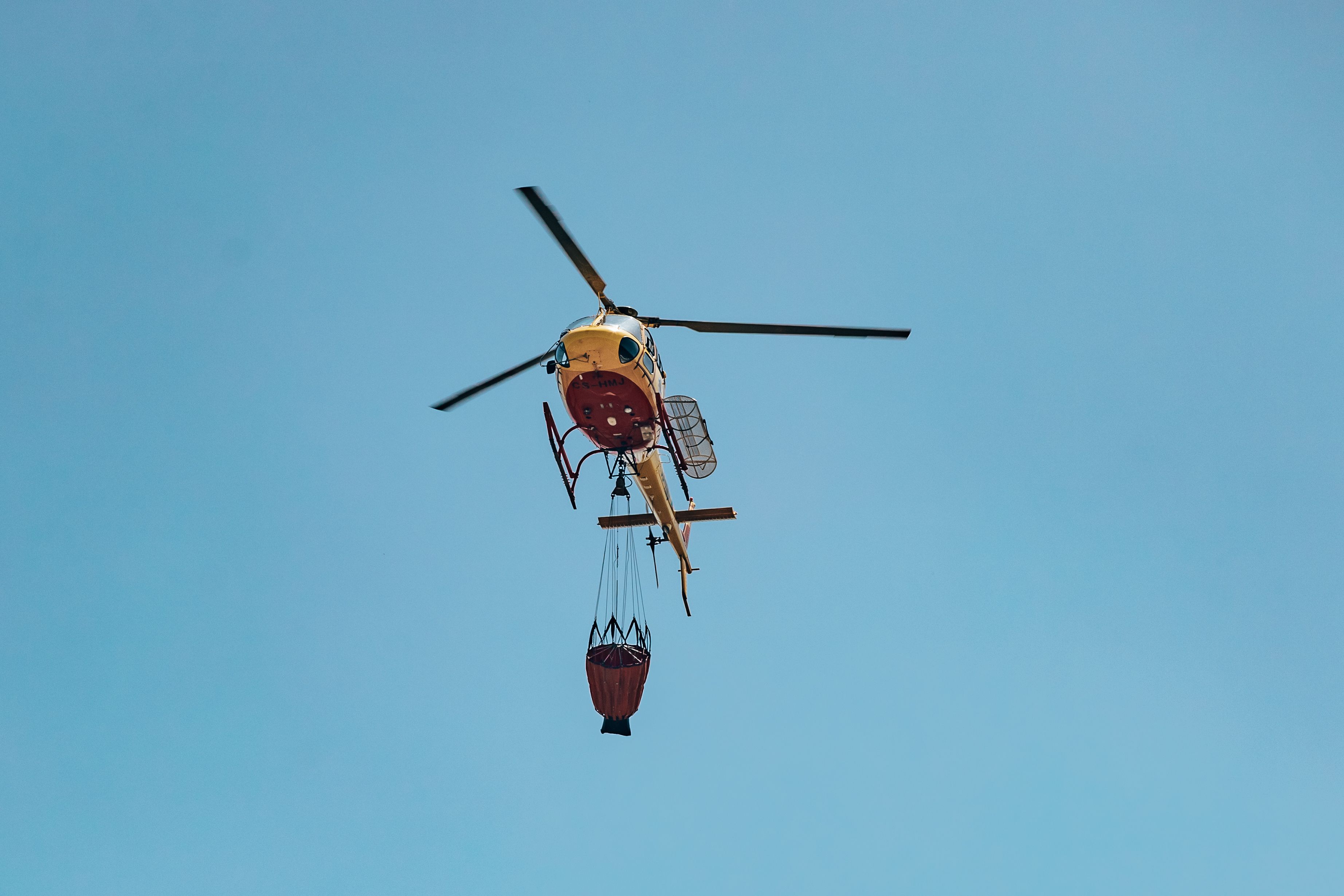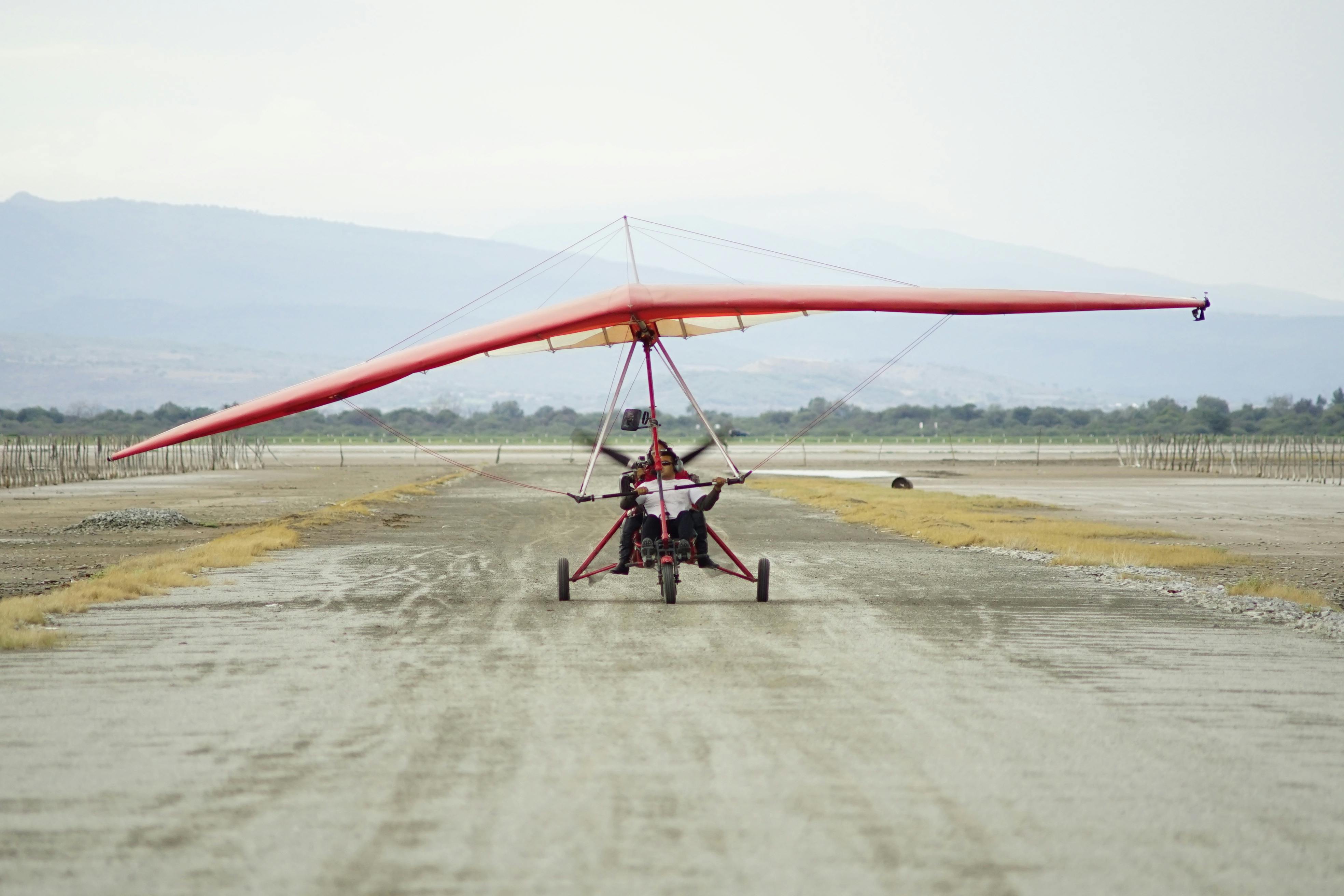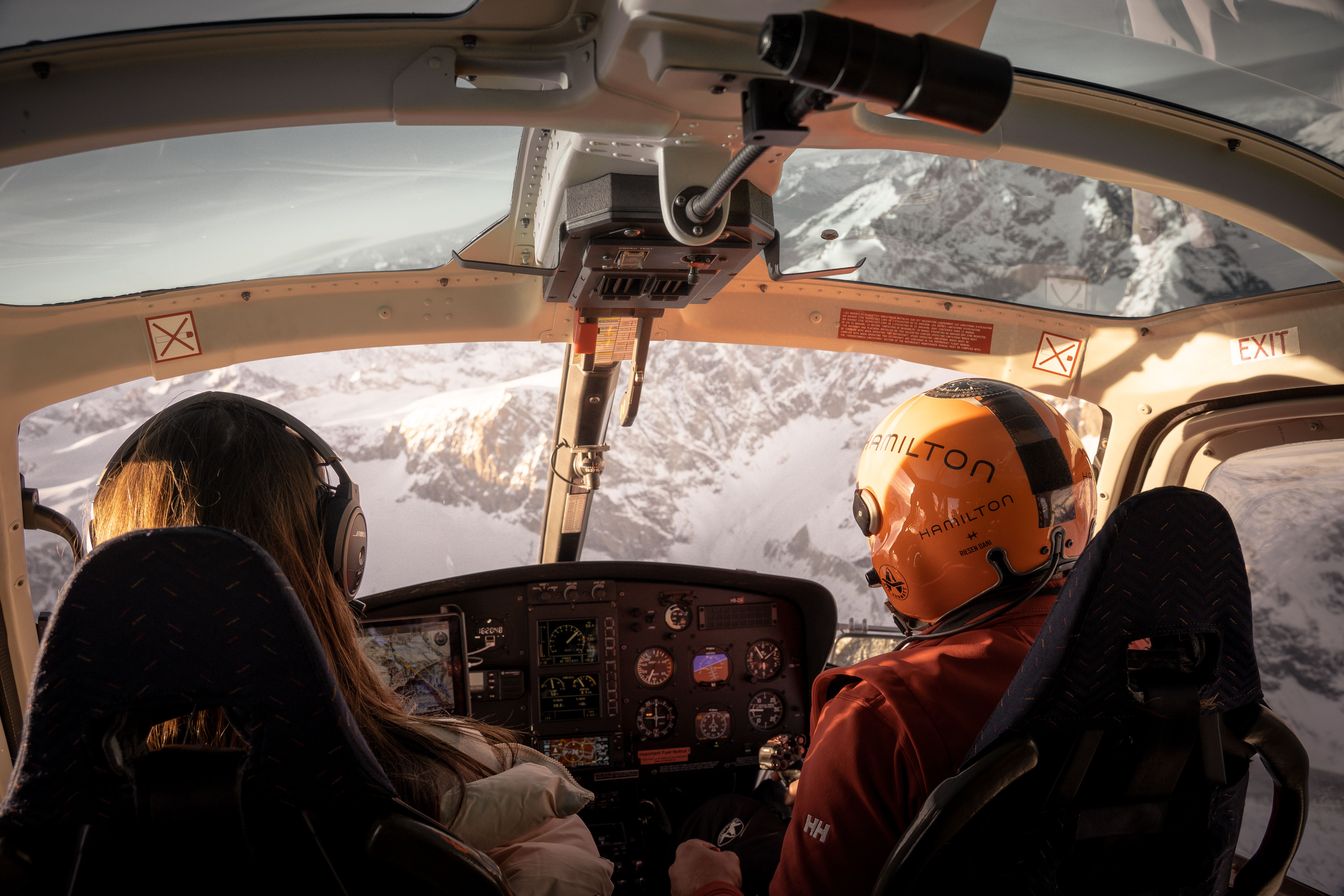
Flying a helicopter looks like magic from the ground. The machine lifts straight up, hangs in the air, spins in place, and sets down on a spot the size of a parking space. Behind that magic is a clear, well-mapped path that almost anyone can follow with enough time, focus, and savings.
Learning how to get a helicopter license is less about being a daredevil and more about checking a series of boxes in the right order.
The good news is that the path is the same for nearly everyone. You meet a few basic rules, pass a medical exam, train with an instructor, log your hours, and pass two tests.
The tricky part is knowing what each step really involves before you spend a single dollar.
Hovering a helicopter is one of the hardest things a new pilot ever learns, and the road to your certificate has a few surprises of its own.
Key Takeaways
To get a helicopter license, you train with a certified instructor, log at least 40 flight hours, pass one written test and one in-person flight test, and meet basic age and medical rules set by the FAA. Most people finish in a few months to about a year, and the cost usually runs into the tens of thousands of dollars. The private helicopter certificate is the first big goal for most new pilots.
| Topic | Quick Answer |
| Minimum age | 16 to fly solo, 17 for the private certificate |
| Medical needed | At least a third-class FAA medical certificate |
| Minimum flight hours | 40 hours (private), though most students fly more |
| Tests required | One written knowledge test and one practical checkride |
| Typical timeline | A few months to roughly a year |
| Typical cost | Often in the tens of thousands of dollars |
| First certificate | Private Pilot, Rotorcraft, Helicopter |
Flying411 is an online aviation marketplace and resource hub where future pilots can browse helicopters, connect with flight schools, and find certified instructors all in one place.
What a Helicopter License Actually Is
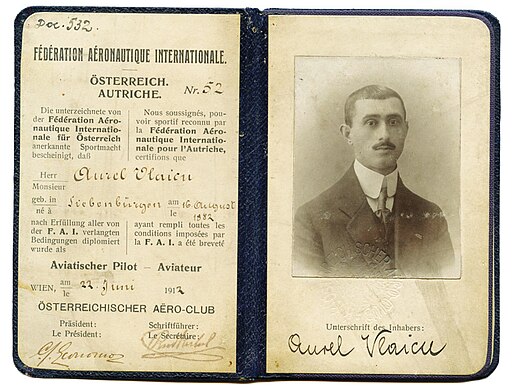
Here is a small surprise to start with. The FAA does not hand out "licenses" the way your state hands out a driver's license. What you earn is a pilot certificate, plus a rating that says you are allowed to fly a helicopter. Most people still call it a license in everyday talk, and that is fine. The words mean the same thing to the average person.
Your certificate lists what you can do. A private certificate with a rotorcraft-helicopter rating lets you fly a helicopter for fun and personal travel. It does not let you get paid to fly. For that, you need a higher level of certificate. Think of it like a ladder, where each rung gives you more freedom and asks for more training.
Good to Know: When you see "Private Pilot, Rotorcraft, Helicopter" on a certificate, "rotorcraft" is the category and "helicopter" is the class. A gyroplane is also a rotorcraft, but it flies very differently, so the two ratings are separate.
The first rung most people aim for is the private certificate. It opens the door to everything else. Once you have it, every rating after that builds on the same core skills you learned at the start.
The Types of Helicopter Pilot Certificates
There is more than one kind of helicopter pilot, and the right one depends on your goal. Some people only want to fly themselves around on weekends. Others want a full career in the sky. Here are the main certificate levels, from the first step up to the top.
- Student Pilot Certificate: This is your learner's permit. It lets you train and fly solo under your instructor's watch. It is not a final license, but you cannot solo without it.
- Recreational Pilot Certificate: A limited certificate that allows local flying with some restrictions. Few helicopter students choose this path, since the private route is more flexible for only a little more effort.
- Private Pilot Certificate (PPL): The main goal for most beginners. It lets you fly a helicopter for personal use and carry passengers, just not for pay.
- Commercial Pilot Certificate (CPL): The level that lets you get paid to fly. This is the start of a real commercial helicopter license career, from tours to news to medical flights.
- Airline Transport Pilot (ATP): The highest level, built for pilots who fly the most demanding jobs and command large operations.
- Certified Flight Instructor (CFI): A rating, not a separate certificate, that lets you teach others. Many new commercial pilots become instructors first to build hours and get paid while doing it.
Most people read this list and land on the same plan. Start with the private certificate, then decide if a career is worth the extra training. You do not have to commit to the whole ladder on day one.
Fun Fact: The helicopter is widely known for being able to do something almost no airplane can. It can hover in one spot, fly sideways, and even fly backward. That freedom of movement is a big part of why these aircraft are so prized for rescue and utility work.
Who Can Become a Helicopter Pilot
Before you dream about hovering over a beach, you need to meet a few simple rules. These helicopter pilot requirements are set by the FAA and apply to nearly everyone who wants to train in the United States.
Here is what the FAA asks for at the private level:
- Age: You must be at least 16 years old to fly solo and at least 17 years old to earn the private certificate. There is no upper age limit, so older students are welcome.
- Language: You must be able to read, speak, write, and understand English. This rule exists because air traffic control around the world uses English.
- Medical fitness: You need to pass an FAA medical exam and hold a valid medical certificate.
Notice what is not on the list. You do not need a college degree. You do not need a perfect body or 20/20 vision. You do not need any prior flying experience. Plenty of students walk in having never touched the controls of any aircraft, and they leave as certified pilots. If you are curious about the bigger picture of the path to becoming a helicopter pilot, the rules above are the gate you pass through first.
Pro Tip: Get your medical exam done early, before you spend money on lessons. If a health issue would block your certificate, it is far better to find out on day one than after you have paid for hours of training.
The FAA Medical Certificate and Why It Comes First
Your FAA medical certificate proves you are healthy enough to fly safely. You get it from a special doctor called an Aviation Medical Examiner, or AME. The visit is a lot like a normal physical. The doctor checks your vision, hearing, blood pressure, and general health, then asks about your medical history.
There are three classes of medical certificate, and each fits a different goal:
| Medical Class | Who Needs It | Common Use |
| Third Class | Private and recreational pilots | Personal flying for fun |
| Second Class | Commercial pilots | Getting paid to fly |
| First Class | Airline transport pilots | The most demanding jobs |
For a private certificate, a third-class medical is enough. If you plan to fly for money later, you will need a second-class medical, so some career-minded students get that one from the start. Most common conditions, like wearing glasses or taking everyday medication, do not stop you from flying. They just may need a little paperwork.
Why It Matters: Your medical certificate also doubles as part of your student pilot paperwork in many cases. Sorting it out first keeps your training from stalling right when you are ready to fly solo.
How to Get Your Helicopter License Step by Step
This is the heart of the whole process. Below is the full path from curious beginner to certified pilot. Follow these steps in order, and the road becomes a lot less confusing. Each step builds on the one before it.
Step 1: Meet the basic eligibility rules. Confirm your age, English ability, and that you are ready to commit time and money. This is the moment to be honest with yourself about your schedule and budget.
Step 2: Pass your FAA medical exam. Book a visit with an Aviation Medical Examiner and get your medical certificate. As noted above, doing this first protects you from nasty surprises later.
Step 3: Get your student pilot certificate. You apply through the FAA's online system, often with help from your instructor or flight school. Your student pilot certificate is what lets you fly solo once your instructor signs you off.
Step 4: Choose a flight school or instructor. You can train at a structured academy or with an independent instructor. We will compare your two main options in the next section, since this choice shapes your whole experience.
Step 5: Start ground school. Before and during your flying, you study the book side of aviation. This helicopter ground school covers weather, rules, navigation, aircraft systems, and how helicopters create lift. You can do it in a classroom, online, or one-on-one.
Step 6: Pass the FAA written knowledge test. This is a multiple-choice exam taken at an approved testing center. It usually has around 60 questions, and you need a score of 70 percent or higher to pass. Passing it early takes pressure off the rest of your training.
Step 7: Log your flight training hours. Now the fun begins. You fly with your instructor (dual time), then fly alone once you are ready (solo time). You practice hovering, takeoffs, landings, emergency moves, and cross-country trips. This is where your helicopter flight training truly takes shape.
Step 8: Prepare for and pass the checkride. The final exam, called the practical test or checkride, has two parts. First comes an oral quiz where an examiner asks you questions face to face. Then comes a flight test where you show you can fly the helicopter safely. Pass both, and you are a certified pilot.
Step 9: Keep flying and plan your next rating. Your certificate is the start, not the finish. Many pilots add an instrument rating or move toward commercial training next. The skills only get sharper with time in the seat.
Heads Up: The FAA sets a minimum of 40 flight hours for the private helicopter certificate, but very few people finish at exactly 40. Most students need more time to feel safe and sharp, so plan and budget for extra hours from the beginning.
That nine-step path is the same one nearly every new helicopter pilot walks. The details may shift from school to school, but the bones stay the same.
When you're ready to pick a program, Flying411 lets you compare flight schools and certified instructors near you, so you can match your budget and schedule before your first lesson.
Part 61 vs Part 141: Two Roads to the Same Goal
When you pick a school, you will run into two odd-sounding terms: Part 61 and Part 141. These are simply two sets of FAA rules that flight schools can train under. Both get you the same certificate. The difference is in structure and flexibility.
| Feature | Part 61 | Part 141 |
| Structure | Flexible, paced to you | Strict, FAA-approved syllabus |
| Minimum private hours | 40 hours | 30 hours |
| Best for | Part-time or casual students | Career-focused, full-time students |
| Schedule | Build your own | Often set and fast-paced |
Part 61 is popular with people who train around a job or family. You can fly when it fits your life. Part 141 schools follow a tighter, approved program, which can mean fewer required hours and a faster pace. Career students often lean toward Part 141, while hobby pilots often pick Part 61.
Keep in Mind: The lower hour minimum at a Part 141 school looks great on paper, but most students still fly past the minimum no matter which path they choose. Pick the school based on fit, instructors, and helicopters, not just the printed number.
How Many Flight Hours Do You Need
Flight hours are the currency of pilot training. Each certificate has its own minimum set by the FAA. Here is a simple breakdown of the floor for each common goal.
| Certificate | Minimum Hours (Part 61) |
| Private helicopter | 40 hours |
| Commercial helicopter | 150 hours |
| Airline transport (helicopter) | Far higher, built over years |
For the private certificate, those 40 hours break into pieces. You need a set amount of dual time with your instructor, a set amount of solo time on your own, plus specific practice in cross-country flying, night flying, and checkride prep. Your instructor tracks all of this in your logbook so nothing gets missed.
The jump to a private helicopter license feels big when you start, but the hours add up faster than you expect once you fly often. Two or three lessons a week keeps your skills fresh and your progress steady. Long gaps between flights tend to slow everything down and cost more in the end.
How Much Does a Helicopter License Cost
Here is the part everyone asks about. The cost of a helicopter license is the biggest reason people pause before signing up. Helicopters are expensive machines to run, so training in one costs more per hour than training in a small airplane.
Your total bill is built from a few main pieces:
- Helicopter rental: Charged by the hour, and this is usually the largest cost.
- Instructor fees: Charged by the hour for the time your instructor flies and teaches.
- Ground school and study materials: Books, online courses, and apps.
- Exam fees: The written test and the checkride each have their own cost.
- Extras: A headset, a logbook, charts, and other small gear.
Because the helicopter rental rate drives the total, students who fly more hours pay more. Most people earning a private certificate end up spending an amount that lands in the tens of thousands of dollars. The exact figure swings a lot based on your region, your school, and how many hours you fly beyond the minimum.
Quick Tip: Pass your written knowledge test before you fly very much. The fewer hours you spend re-learning things in an expensive helicopter, the more money you keep in your pocket.
To keep costs down, fly often, come prepared to every lesson, and study hard on the ground so your air time is spent flying rather than reviewing. A little discipline on the cheap side of training saves real money on the expensive side.
How Long Does It Take
Time and money are closely linked here. If you fly often, you finish faster. If you fly once in a while, the calendar stretches out.
A focused full-time student can sometimes finish a private certificate in a few months. A part-time student flying once or twice a week often takes closer to a year. Weather, aircraft maintenance, and your own schedule all play a part. There is no single right pace. The goal is to fly enough that each lesson builds on the last, instead of starting over after long breaks.
Getting to Know Helicopters Before You Climb In
Good pilots are curious about their machines. Before and during training, it helps to understand what a helicopter really is and how it stacks up against other flying things. This background makes ground school click and gives you a feel for why the controls work the way they do.
Start with the basics of how to fly a helicopter, since the four main controls work together in ways that feel strange at first. The cyclic, the collective, the throttle, and the pedals each do a job, and your hands and feet have to learn teamwork. It also helps to know how high a helicopter can fly, because altitude changes how the machine performs and how you plan a flight.
You may also hear people use different words for the same aircraft. The difference between a chopper versus helicopter is mostly slang, since both point to the same kind of rotor-driven flying machine. Knowing the proper terms helps you sound sharp on the radio and in the classroom.
Curious Comparisons That Pop Up in Training
Many new students fall down a happy rabbit hole of helicopter trivia. That curiosity is a good sign, because it keeps you reading and learning. Here are a few comparisons that often spark questions among future pilots.
- Military fans love the famous attack types, like the Viper and Apache gunships that handle very different missions.
- Others compare the Apache and Comanche designs, one a battle-proven workhorse and the other a project that never reached full service.
- Heavy-lift fans study the Chinook and Black Hawk, two transport legends built for very different loads.
- The classic Huey and Black Hawk matchup shows how helicopter design changed across generations.
Beyond military hardware, the future of flight raises fresh questions too. People often ask how new eVTOL aircraft compare with traditional helicopters, since these electric machines promise quiet, vertical flight. Hobby pilots wonder about the link between helicopters and quadcopters, since your backyard drone and a full-size helicopter share some basic ideas of lift. A few even dig into oddball matchups, from a helicopter and a tank to the old dream of the flapping-wing ornithopter. None of this is on your test, but a curious mind tends to make a sharper pilot.
Helicopters You Will Likely Train In
Most students do not learn in a sleek news chopper or a big military bird. They learn in small, two-seat training helicopters built to be forgiving and affordable. These machines are widely used at flight schools because they teach the core skills well.
You may train in models such as the Robinson R22 or R44, the Cabri G2, the Schweizer, or the Enstrom. The exact model depends on your school. What matters most is that the helicopter is well maintained and that you and your instructor fit comfortably inside. Once you master a small trainer, stepping up to larger helicopters later becomes far easier.
What You Can Do With a Helicopter License
So you earn the certificate. Now what? The answer depends on which level you reach. A private certificate is built for personal flying. A commercial certificate opens the door to a paycheck.
Here are common ways people put a helicopter certificate to work:
- Tour flying: Showing off coastlines, canyons, and cities from above.
- Emergency medical services: Flying patients to hospitals fast.
- News and traffic reporting: Covering events and roads from the air.
- Utility and survey work: Inspecting power lines, pipelines, and crops.
- Law enforcement and rescue: Supporting police and search teams.
- Flight instruction: Teaching the next group of students.
- Personal and business travel: Skipping traffic and reaching remote spots.
A strong helicopter pilot career usually starts with that first commercial certificate and a flight instructor rating. Teaching builds hours and confidence at the same time, which is why so many career pilots begin there. From that base, the more advanced jobs open up over time.
Start your search on Flying411 today and take the first real step toward the left seat of a helicopter.
Common Mistakes New Students Make
A little wisdom up front saves money and stress later. New students tend to trip over the same few things, and most of them are easy to avoid.
- Flying too rarely. Long gaps between lessons mean you spend time relearning instead of moving forward. Try to keep a steady rhythm.
- Skipping ground study. Showing up unprepared turns expensive air time into classroom time. Study before you fly.
- Putting off the written test. Knock it out early. It removes a big weight from the back half of training.
- Choosing a school on price alone. The cheapest hourly rate is not a deal if the helicopters are often down for maintenance or the instructors are hard to book.
- Ignoring the medical until late. Always confirm your health clearance before you invest heavily.
Avoid these five traps and your training runs smoother, faster, and cheaper. None of them require extra talent. They just require a plan.
Conclusion
Learning how to get a helicopter license comes down to a steady, repeatable path. You meet the basic rules, pass a medical exam, train with a good instructor, log your hours, and clear two tests. It takes patience and a real budget, but it is far from a mystery. Thousands of regular people earn their wings this way every year, and there is no secret club keeping you out.
The hardest part is often simply starting. Once you book that first lesson and feel a helicopter lift off the ground under your hands, the whole process stops being abstract and becomes a goal you can almost touch. Every hour after that brings you closer to the certificate that says you can fly one of the most remarkable machines ever built.
Ready to turn that dream into logged hours? Head over to Flying411 and find the school, instructor, or helicopter that gets you off the ground.
Frequently Asked Questions
Can I add a helicopter rating to a pilot certificate I already have?
Yes, if you already hold an airplane certificate, you can add a rotorcraft-helicopter rating, often with fewer hours since you already know the basics of flying. You will still need helicopter-specific training and a checkride for the new rating.
Do helicopter pilots need a college degree?
No, a college degree is not required to earn any helicopter certificate or to work as a helicopter pilot. Some specific employers may prefer or require a degree, but the FAA itself does not.
Can I get a helicopter license if I wear glasses or have a minor health condition?
In most cases, yes, since wearing glasses and many common conditions do not disqualify you. The Aviation Medical Examiner will review your health and may add simple limitations, like requiring corrective lenses while flying.
Does a helicopter license ever expire?
The pilot certificate itself does not expire, but you must keep a valid medical certificate and stay current with a regular flight review and recent experience to keep flying legally. Letting those lapse pauses your flying privileges until you renew them.
Can I start learning to fly a helicopter before I turn 16?
You can take lessons and log time at any age, since there is no minimum age to receive instruction. You just cannot fly solo until you are 16 or earn the private certificate until you are 17.