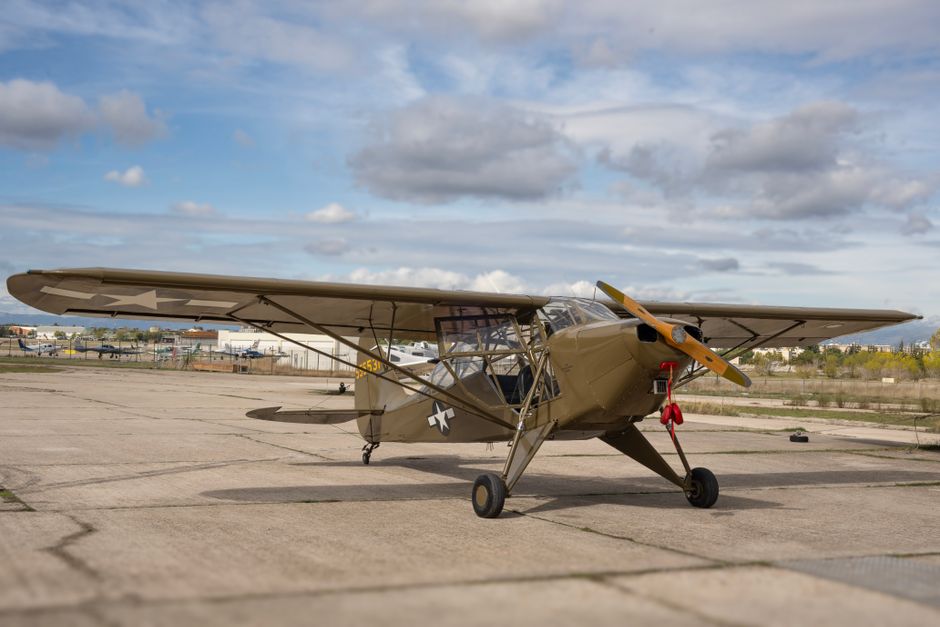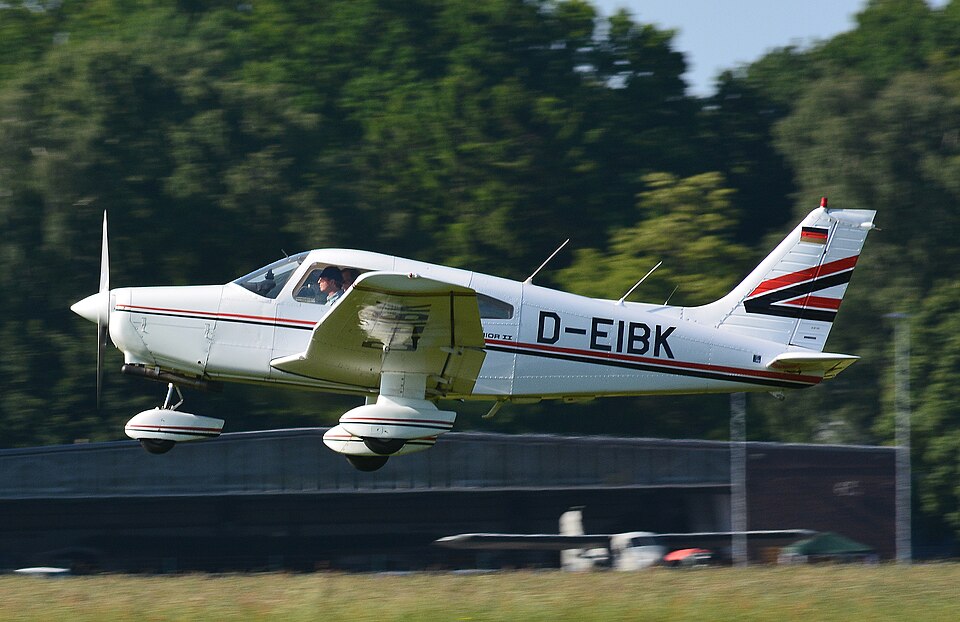
Walk down the ramp at almost any local airport and you will see them lined up wingtip to wingtip. These are the small civilian planes that fill the skies far more often than the big jets most people picture. Some are little two-seat trainers. Others are sleek four-seaters that can carry a family across several states in an afternoon. A few even come with their own parachute.
These planes do a lot of quiet work. They teach new pilots how to fly. They carry weekend travelers, hunters, photographers, and business owners who would rather skip the airline line. Many of them have been built and flown for decades, which says a lot about how well they hold up.
Picking a favorite is hard. The right plane really depends on what you want to do with it. A budget-minded student pilot and a speed-hungry cross-country flyer will rarely point at the same airplane. Still, a handful of models show up again and again on hangar floors and wish lists around the world.
Some of these planes have been in the air longer than the people flying them, and pilots still line up to buy them.
Key Takeaways
The best small civilian planes are the ones that match your mission, your budget, and your skill level. For most new pilots, the Cessna 172 Skyhawk and Piper PA-28 are the easiest and most trusted places to start. For speed and comfort, the Cirrus SR22, Beechcraft Bonanza, and Mooney M20 stand out. For pure fun, classics like the Piper Cub and light, simple sport planes are hard to top. In short, there is no single best plane, only the best plane for the job you have in mind.
| Plane | Best For | Why Pilots Like It |
| Cessna 172 Skyhawk | Training, first plane | Forgiving, reliable, easy to learn on |
| Cessna 182 Skylane | Family hauling | More power and load than the 172 |
| Cessna 150 / 152 | Budget training | Small, simple, low cost to run |
| Piper PA-28 Cherokee | Training, touring | Stable, roomy, easy to fly |
| Piper J-3 Cub | Old-school fun | Pure, simple stick-and-rudder flying |
| Cirrus SR22 | Fast travel | Speed, glass cockpit, whole-plane parachute |
| Cirrus SR20 | Modern entry | Composite build with the same safety system |
| Beechcraft Bonanza | Comfort and range | Quality cabin, strong performance |
| Diamond DA40 | Safe touring | Composite airframe, great visibility |
| Mooney M20 | Speed and efficiency | Fast cruise on modest fuel |
| Van's RV Series | Builders and sport flyers | Light, quick, and fun to fly |
| Icon A5 | Recreation on water | Lands on water, easy and playful |
Flying411 brings aircraft listings, trusted sellers, and aviation know-how together in one place, so getting to know planes like these feels a lot less overwhelming from the very start.
What Makes a Plane a Small Civilian Plane?
The phrase sounds simple, but it covers a wide range of aircraft. A small civilian plane is a non-military aircraft built for personal, recreational, business, or training use. Most carry between one and six people. Most run on a piston engine, much like a car engine, and burn aviation gasoline.
The word "civilian" simply means the plane is not built for combat or military service. The word "small" usually points to light aircraft that one pilot can fly without a crew. These planes sit at the heart of general aviation aircraft, the huge group of flying machines that operate outside of airline and military service.
Good to Know: General aviation covers nearly all flying that is not a scheduled airline flight or a military mission. That includes flight schools, crop dusters, air ambulances, weekend flyers, and small charter operators. The fleet is far larger than most people realize.
If you want a deeper look at the different types of small planes before you settle on one, it helps to first understand the broad families they fall into.
Common Types of Small Civilian Planes
Not every small plane flies the same way or fits the same mission. Before looking at specific models, it helps to know the main categories. Each one trades something off, like speed for simplicity, or comfort for cost.
Single-Engine Piston Planes
These are the most common small planes by a wide margin. They have one piston engine up front and usually seat two to four people. They are affordable to buy and run, easy to maintain, and simple to learn on. Most of the famous trainers and family planes live in this group. If you picture a small plane, you are probably picturing a single-engine piston aircraft.
Light Sport Aircraft
Light sport planes are smaller and lighter, with stricter limits on weight, speed, and seating. They are built to be simple and fun. Many can be flown with a sport pilot certificate, which takes less time and money to earn than a full private license. Some buyers like these because they keep both the plane and the training light on the wallet.
Heads Up: Rules for light sport aircraft in the United States are changing. A set of updates known as MOSAIC is set to expand what counts as a light sport plane, opening the door to faster and more capable designs. If you are eyeing this category, check the current rules before you buy, since the limits are shifting.
Taildraggers and Bush Planes
Taildraggers have a small wheel under the tail instead of under the nose. They take a bit more skill to land, but pilots love them for short, rough fields. Many rugged bush planes use this layout so they can land on gravel bars, grass strips, and remote backcountry spots where paved runways do not exist.
Turboprops
Turboprops use a small jet engine to spin a propeller. They cost much more than piston planes, but they fly faster, higher, and farther. Most are a step up in size and price. Still, the smallest turboprop options belong in the small civilian world, especially for owners who travel long distances often.
Seaplanes and Floatplanes
These planes land on water using floats or a boat-shaped hull. They open up lakes, rivers, and coastlines that have no airport at all. Pilots in places like Alaska and the Pacific Northwest rely on small seaplanes to reach spots that roads and runways never will.
How to Choose the Right One for You
There is no point chasing the "best" plane until you know what you need. The smartest buyers start with the mission, not the model. Ask yourself a few honest questions before you fall in love with a paint job.
Pro Tip: Match the plane to your most common trip, not your dream trip. If you fly two people on short hops most weekends, you do not need a six-seat speedster. Buying more plane than you use means paying for fuel, maintenance, and insurance you rarely benefit from.
Think About Mission and Seats
How many people will you usually carry? How far do you want to go? A two-seat trainer is perfect for learning and local flights. A four-seat plane suits a small family. If you often haul people plus heavy bags, you will care about useful load, which is how much weight the plane can carry once fuel is on board. Some buyers pick a model known for its strong useful load just for that reason.
Think About Budget and Running Costs
The sticker price is only the start. You also pay for fuel, insurance, hangar or tie-down space, yearly inspections, and repairs. A simple trainer is cheap to run. A fast, complex plane costs more to feed and fix.
Keep in Mind: The purchase price is often the smallest part of plane ownership over time. Fuel, maintenance, insurance, and storage add up year after year. A cheaper plane that fits your budget for the long haul usually beats a fancy one that strains it.
If the running costs feel daunting, Flying411 connects buyers with certified mechanics, avionics shops, and maintenance providers, so keeping a small plane airworthy does not mean guessing who to call.
Think About New Versus Used
Brand-new small planes can be expensive. Many first-time owners buy used and save a large amount. A well-kept used plane with a clean logbook can serve you for years. If money is tight, there are plenty of budget-friendly planes that still fly safely and reliably. Looking at the broader list of private planes worth owning can also help you set realistic expectations.
12 Best Small Civilian Planes, Plane by Plane
Now for the planes themselves. This list mixes trusted trainers, fast travelers, classic taildraggers, and a fun amphibian. Each one has earned its spot through years of real-world flying and a loyal base of pilots who swear by it.
1. Cessna 172 Skyhawk
If there is one plane the whole world knows, it is the Skyhawk. The Cessna 172 is a four-seat, high-wing, single-engine plane that has trained more pilots than almost anything else in the sky. It is stable, forgiving, and famously hard to scare you in.
The high wing gives a great view of the ground below, which makes it easy to learn on and pleasant to sightsee from. Parts and mechanics are everywhere, so keeping one flying is rarely a headache. It is not fast, but it is dependable, and that is exactly the point.
Fun Fact: The Cessna 172 is widely regarded as the most-produced aircraft in history, with more than 40,000 built since the 1950s. It is still rolling off the line today, which is rare for any machine.
Best for: New pilots, flight schools, and anyone who wants a no-drama first plane.
2. Cessna 182 Skylane
The Skylane is the 172's bigger, stronger sibling. It has a more powerful engine, carries more weight, and flies a bit faster. For families or pilots who travel with full seats and full bags, the extra muscle matters.
It still has the friendly high-wing layout and the same reputation for toughness. Many owners move up to a 182 once they outgrow a smaller trainer. It is a true do-everything plane that handles short trips and long ones with ease.
Best for: Growing families and pilots who want one plane to do a little of everything.
3. Cessna 150 and 152
These two tiny two-seaters are the classic budget trainers. They are small, simple, and cheap to run. Thousands of pilots earned their first certificate sitting in one of these.
The cabin is snug and the climb is gentle, but that is part of the charm. Low fuel burn and low purchase prices make the 150 and 152 some of the most accessible ways into the sky. For a pilot watching every dollar, they are hard to beat.
Best for: Solo flyers, students, and bargain-minded owners who want simple flight training and cheap fun.
4. Piper PA-28 Cherokee
The Piper PA-28, sold under names like Cherokee, Warrior, and Archer, is the low-wing answer to the Cessna 172. It is stable, roomy, and easy to fly, which is why so many flight schools keep them on the line.
The low wing gives the plane a planted, solid feel. The single door takes some getting used to, but pilots adapt fast. Like the Skyhawk, parts and support are everywhere, so ownership stays manageable. It is one of the popular small planes that almost any mechanic knows well.
Best for: Trainees and tourers who prefer a low-wing ride.
5. Piper J-3 Cub
The little yellow Cub is a legend. It is a simple, slow, two-seat taildragger that strips flying down to its purest form. No glass screens. No complex systems. Just a stick, a throttle, and the wind.
Pilots fly the Cub to sharpen their hands and feet, to land on grass, and to remember why they fell in love with flying. It is not built for speed or distance. It is built for joy. Fun fact: the Cub is said to have trained a great many military pilots during World War II, and its bright yellow paint became an icon all on its own.
Best for: Stick-and-rudder fans, grass-strip flyers, and anyone chasing the simple joy of flight.
6. Cirrus SR22
The Cirrus SR22 changed what people expect from a small plane. It is a sleek, four-seat composite single with a modern glass cockpit and a side-stick instead of a yoke. It is fast, comfortable, and packed with technology.
Its most famous feature is a parachute built into the whole airframe. Pull the handle, and a rocket pulls out a chute that floats the entire plane to the ground. The SR22 consistently ranks as one of the best-selling single-engine piston singles in the world, year after year.
Why It Matters: The Cirrus parachute system has been credited with saving hundreds of lives across many real-world deployments. For families flying together, that added safety net is often the deciding factor. It does not replace good piloting, but it gives one more option when things go badly wrong.
Best for: Cross-country travelers who want speed, comfort, and a strong safety story.
7. Cirrus SR20
The SR20 is the SR22's lighter, more affordable sibling. It shares the same composite airframe, the same modern cockpit, and the same whole-plane parachute. It just has a smaller engine and a gentler price.
For pilots who love the Cirrus design but do not need the SR22's full power, the SR20 is a smart middle ground. It is comfortable, modern, and easy to fly. Many flight schools now train pilots in them, which says a lot about how approachable they have become.
Best for: Pilots who want Cirrus safety and style at a more modest cost.
8. Beechcraft Bonanza
The Bonanza is the gentleman of small planes. Built since the late 1940s, it is known for a quality cabin, smooth handling, and strong performance. The early models even had a distinctive V-shaped tail that pilots still adore.
It carries people in comfort over long distances, which makes it a favorite for serious travelers. Build quality is high, and the brand has a loyal following. A well-kept Bonanza feels solid and refined in a way few small planes match.
Best for: Owners who want comfort, range, and a touch of class for cross-country trips.
9. Diamond DA40
The Diamond DA40 is one of the safest-feeling small planes you can fly. Its sleek composite airframe, big bubble canopy, and gentle handling make it a favorite for training and touring alike. The view from inside is stunning.
It sips fuel, flies smoothly, and has earned a strong reputation for safety over the years. The DA40 proves that a modern trainer can feel sporty and refined at the same time. Many newer flight schools have adopted it as their main aircraft.
Best for: Safety-focused students and owners who want a modern, efficient tourer.
10. Mooney M20
When pilots talk about speed on a budget, the Mooney M20 comes up fast. Its slippery, low-drag shape lets it fly faster than many planes with the same engine. It is the choice for owners who want to get there quickly without burning a lot of fuel.
The cabin is snug and the tail has a famous backward-leaning look. It rewards a careful, precise pilot. For long trips where time matters, few small singles can match a Mooney's efficiency. It regularly shows up among the fast small planes that pilots chase.
Best for: Solo and couple travelers who value speed and fuel efficiency.
11. Van's RV Series
The Van's RV family is a different kind of plane. Most are kit aircraft, built by their owners from a set of parts. That sounds intimidating, but thousands of builders have done it, and the results are light, quick, and a blast to fly.
RVs are known for crisp handling and surprising speed for their size. Building one creates a deep bond between pilot and plane. For hands-on people who love a project, the RV series is a dream come true. These planes are some of the most beloved top small planes in the sport flying world.
Best for: Builders, tinkerers, and sport pilots who want performance and personality.
12. Icon A5
The Icon A5 is the fun one. It is a small amphibious light sport plane with folding wings, a sporty look, and the ability to land on water. You can fly it to a quiet lake, splash down, and float for a while before taking off again.
It is built to feel friendly and easy, almost like a personal watercraft with wings. The folding wings mean some owners even store it in a garage and tow it on a trailer. It is less about long trips and more about pure weekend joy.
Best for: Recreational flyers who want a playful, water-friendly personal aircraft.
What Small Civilian Planes Typically Cost
Cost is the question every new buyer asks first. The honest answer is that it varies a lot. Price depends on the model, the age, the hours on the engine, the avionics, and the overall condition.
Here is a rough way to think about it, from least to most expensive:
- Older two-seat trainers like a used Cessna 150 tend to be the most affordable way into ownership.
- Classic four-seat singles like older 172s and Cherokees sit in the middle and are very common on the used market.
- Modern composite singles like the Cirrus SR22 cost much more, especially when new, where a new one can reach roughly a million dollars or more.
- Turboprops and complex planes sit at the top of the small-plane range and cost far more to buy and run.
Beyond the purchase, plan for fuel, insurance, storage, and yearly inspections. These running costs can quietly equal or beat the purchase price over time. For a full breakdown of what small planes cost, it pays to do the math before you sign anything.
Quick Tip: Always get a pre-purchase inspection from a trusted mechanic before buying any used plane. A few hundred dollars spent up front can reveal hidden problems that would cost many thousands to fix later. Never skip this step, no matter how clean the plane looks.
Ready to see what is on the market? Browse current aircraft listings on Flying411 and compare real planes, real prices, and real sellers all in one place.
How Safe Are Small Civilian Planes?
Safety is a fair worry, and it deserves a straight answer. Small planes are not as statistically safe as big airliners, mostly because they are flown by a single pilot in a wider range of conditions. Most accidents trace back to pilot decisions, not the machine itself.
The good news is that modern training, better avionics, and new safety tools have made a real difference. Tools like glass cockpits warn pilots of trouble sooner. And some planes now build in parachute systems that can lower the whole aircraft to the ground in an emergency.
Good habits matter most. Flying within your skill level, respecting the weather, and staying current keep pilots safe far more than any single feature. If you want a deeper look at how small planes compare on safety, the data tells a more hopeful story than the headlines suggest.
A few habits that keep small-plane flying safe:
- Train often and stay current with a good instructor.
- Respect the weather and know your personal limits.
- Keep the plane well maintained with regular inspections.
- Plan every flight, including fuel stops and backup airports.
- Never let pride push you into flying you are not ready for.
Conclusion
There is no single winner among small civilian planes, and that is the beauty of it. The right plane for a student pilot is not the right plane for a speed lover or a backcountry adventurer. From the friendly Cessna 172 to the fast Mooney M20 to the splash-and-go Icon A5, each model earns its fans by doing one thing very well.
Start with your mission. Set a real budget that includes the running costs. Then find the plane that fits both, and you will be far happier than the pilot who chased the flashiest option. The sky is wide open, and there is a small plane out there built for exactly the way you want to fly.
Ready to find the one that fits you? Start your search with Flying411, where buying, selling, and learning about small planes all come together in one trusted place.
Frequently Asked Questions
What is the easiest small plane to learn to fly?
The Cessna 172 Skyhawk and Piper PA-28 are widely seen as the easiest planes for new pilots, thanks to their stable handling and forgiving nature. Their wide use at flight schools also means plenty of instructors know them inside and out.
Do you need a license to fly a small civilian plane?
Most small planes require at least a sport or private pilot certificate. A few very light aircraft, like certain ultralights, can be flown without a traditional license, but they come with strict limits on size, speed, and where you can fly.
How many seats do most small civilian planes have?
Most small civilian planes seat two to four people, though some models carry up to six. Two-seaters are common for training, while four-seaters are the everyday choice for families and travelers.
Are small planes expensive to maintain?
Maintenance costs depend on the plane, but expect to budget for fuel, insurance, storage, yearly inspections, and occasional repairs. Simple trainers cost the least to keep, while fast or complex planes cost noticeably more.
What is the best small plane for long cross-country trips?
For longer trips, planes like the Cirrus SR22, Beechcraft Bonanza, and Mooney M20 stand out for their speed, range, and comfort. The right pick depends on how many people you carry and how much you value speed over cabin space.