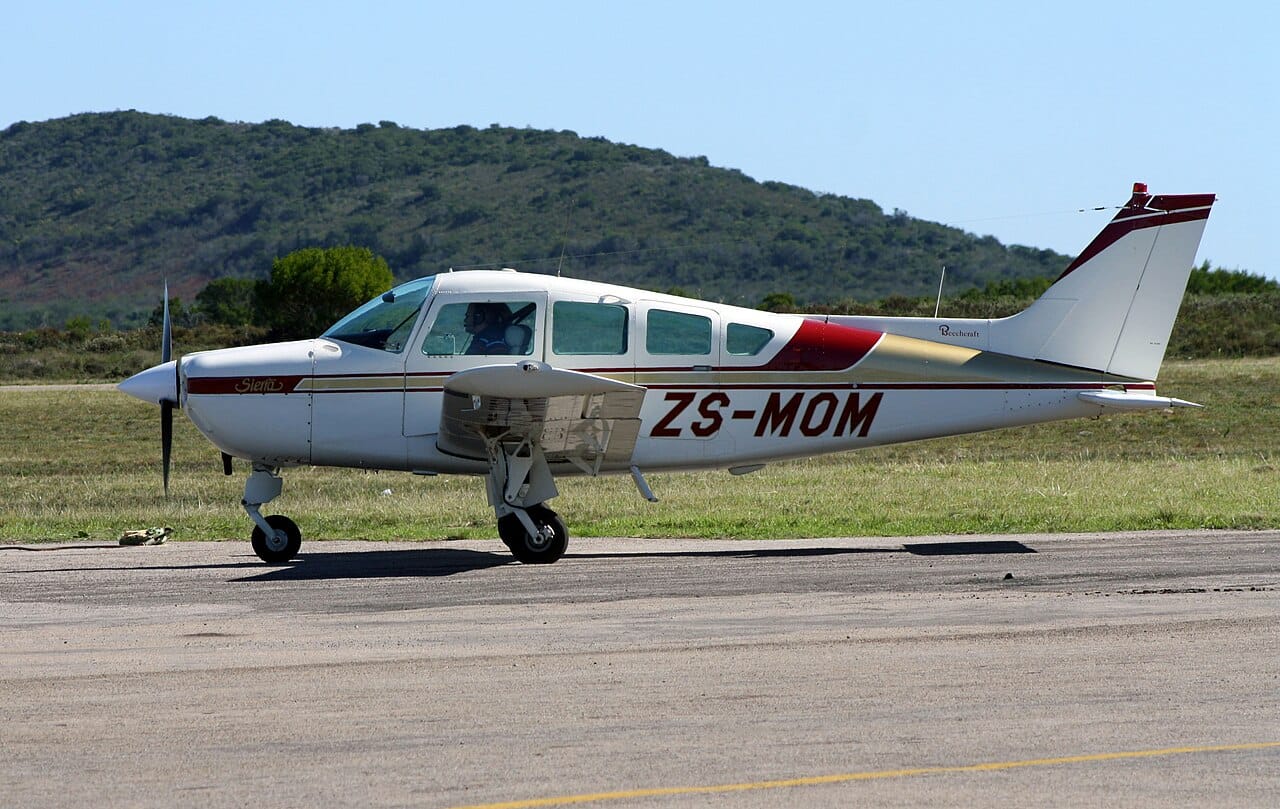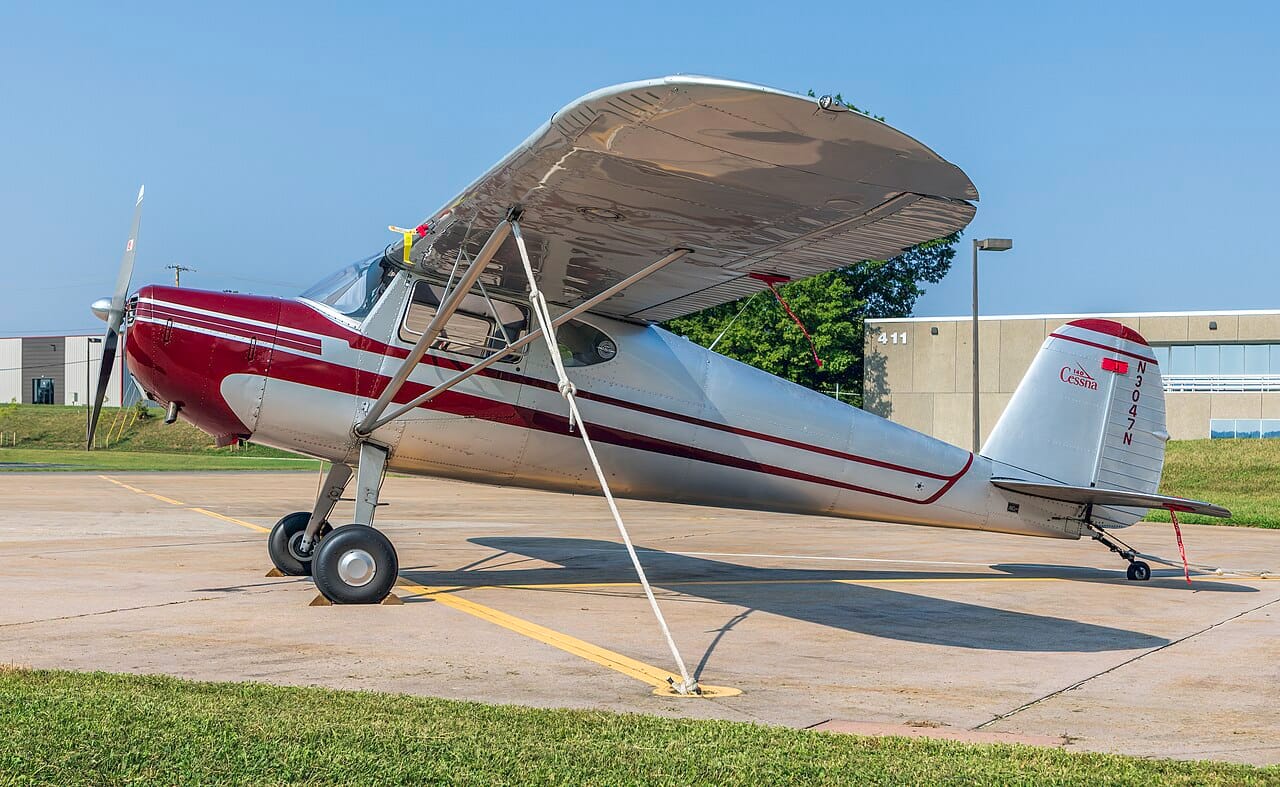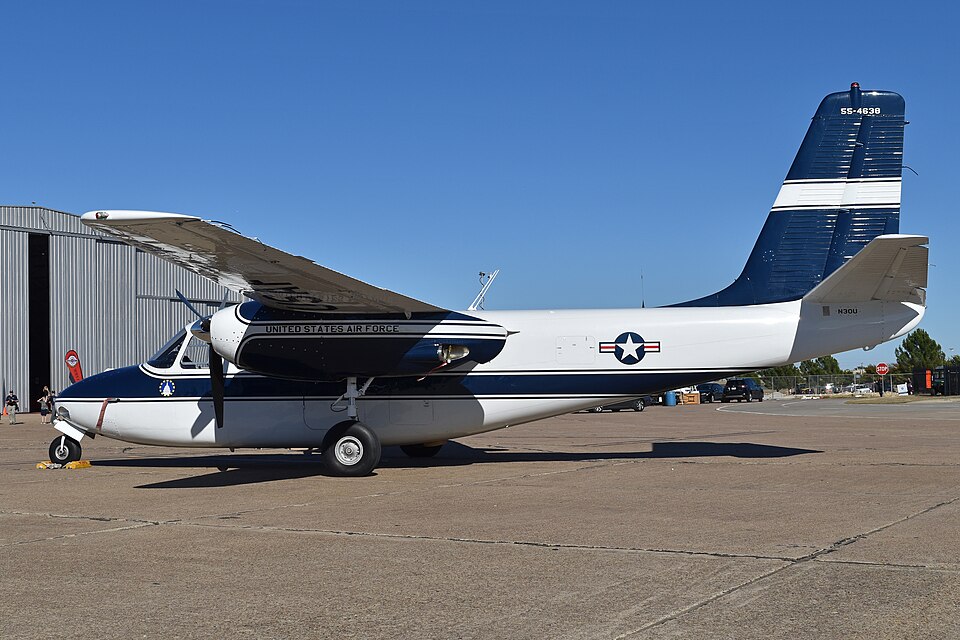
The Cessna 172 is one of the most recognized names in general aviation. It has been the go-to trainer and personal aircraft for pilots across the United States for decades. But there is another aircraft from the same era that sometimes shows up on the used market and makes pilots do a double take. The Aero Commander 100 looks like a 172 at first glance, flies like one in many ways, and often carries a lower price tag. So how do these two stack up when you put them side by side?
Whether you are shopping for your first aircraft or just curious about a less-common alternative, the Aero Commander 100 vs Cessna 172 comparison raises some genuinely interesting questions. Both are high-wing, fixed-gear, four-seat singles from the 1960s. Both use Lycoming engines.
But the differences in production numbers, parts availability, and long-term ownership costs matter quite a bit. This post goes through everything you need to know before making a decision.
Key Takeaways
The Cessna 172 is the safer, more practical long-term choice for most pilots because of its massive production numbers, broad parts availability, strong resale value, and established training legacy. The Aero Commander 100 is a rarer, charming alternative with solid flying qualities and a lower purchase price, but it comes with real challenges around parts sourcing and a much thinner support network. If you want a dependable trainer or personal plane you can easily maintain and resell, the 172 wins. If you love owning something unique and are prepared for the extra effort, the Commander 100 can be a rewarding aircraft.
| Category | Aero Commander 100 (Darter) | Cessna 172 (Early Models) |
| Engine | Lycoming O-320, 150 hp | Lycoming O-320, 150 hp |
| Cruise Speed | ~111 knots | ~115 knots |
| Useful Load | ~970 lbs | ~900-1,000 lbs |
| Fuel Burn | ~8 GPH | ~8 GPH |
| Total Built | ~355 Darters, 213 Larks | Over 44,000 |
| Parts Availability | Limited | Excellent |
| Resale Market | Thin | Very strong |
| Training Use | Rare | Extremely common |
| Purchase Price | Lower | Moderate to high |
If you are researching aircraft for purchase or training and want guidance from people who genuinely know general aviation, Flying411 is a trusted resource worth bookmarking.
A Tale of Two High-Wings: Origins and History
These two aircraft share a lot of DNA on the surface, but their histories could not be more different.
How the Cessna 172 Became a Legend
The Cessna 172 first flew in 1955 and entered production in 1956. Cessna designed it as a tricycle-gear upgrade to the tailwheel Cessna 170, and it became an instant success. Flight schools adopted it quickly, and private pilots loved it for its forgiving handling and practical performance.
Over the decades, Cessna built more than 44,000 of them across dozens of variants. That makes the 172 the most produced aircraft in history, according to widely cited aviation sources. Production continued through the early 1980s, paused, and then resumed in 1996. Today, the 172S Skyhawk remains in production. That kind of staying power is almost unheard of in aviation.
Fun Fact: The Cessna 172 has been used for flight training by militaries, border patrol agencies, and flight schools on virtually every continent. Its reach is genuinely global.
How the Aero Commander 100 Came to Be
The story of the Aero Commander 100 is smaller in scale but more personal in character. It began with a single aeronautical engineer named Jack Gilberti, who designed and built his own four-seat trainer at a grass airstrip in Aliquippa, Pennsylvania, during the early 1960s. He called it the Volaircraft Model 10, and later the Volaire 1035 and Volaire 1050.
The Volaire 1050 was a four-seat, 150-horsepower high-wing monoplane with fixed tricycle gear. It looked a great deal like a Cessna 172, which was partly the point. Gilberti wanted to compete in the trainer market that Cessna was dominating.
Rockwell Standard's Aero Commander division purchased the design and production rights in 1965. They moved production to Albany, Georgia, and began selling the aircraft as the Aero Commander 100. In 1968, the design was renamed the Darter Commander. A more powerful 180-horsepower version with a swept tail was introduced as the Lark Commander.
Good to Know: Total Aero Commander 100 series production across all variants is estimated at around 550 to 570 aircraft. That is a tiny number compared to the 172's production total, and it has real consequences for parts availability today.
Production ended in 1971 when North American Rockwell decided the light aircraft market was too competitive. The rights were sold to Phoenix Aircraft, which never restarted production.
Side-by-Side Design Comparison
Both aircraft are high-wing monoplanes with all-metal construction, fixed tricycle gear, and four seats. Sitting on a ramp next to each other, they look almost like siblings. But look closer and the differences become clear.
The Aero Commander 100 has squarer, boxier lines compared to the 172's more streamlined shape. Early models had a nearly vertical tail fin. The Lark Commander introduced a stylish swept fin and rudder, which gave it a look that some pilots described as a cross between a 172 and a Mooney. The Commander also featured exaggerated wheel pants and a somewhat unusual single-strut wing brace on each side.
The Cessna 172's design evolved more gracefully over the years, with the rear window expanding, the fuselage gaining cleaner lines, and the cockpit layout becoming increasingly standardized. The 172 also gained the distinctive Omni-Vision rear window on later models, which improved rearward visibility.
Pro Tip: The Lark Commander's cabin is sometimes described as having a "360-degree cockpit" feel because of its rear window design. If visibility matters to you, compare both aircraft in person before deciding.
| Design Feature | Aero Commander 100 | Cessna 172 |
| Wing Position | High-wing, braced | High-wing, braced |
| Tail Design | Vertical (Darter) / Swept (Lark) | Conventional, refined over years |
| Landing Gear | Fixed tricycle | Fixed tricycle |
| Construction | All-metal | All-metal |
| Cabin Access | Forward-hinged doors | Forward-hinged doors |
| Rear Window | Standard on all models | Expanded on later models |
Performance Numbers: Closer Than You Might Think
Here is where the comparison gets interesting. The two aircraft are remarkably similar in performance, which makes sense because they use similar engines and share a similar design philosophy.
The standard Aero Commander 100 (Darter) was powered by a Lycoming O-320 producing 150 horsepower. The Cessna 172 from the same era used the same engine family. The Lark Commander stepped up to a Lycoming O-360 with 180 horsepower, which put it in the range of the later Cessna 172S.
Why It Matters: When two aircraft use the same engine family, engine parts and overhaul shops are easier to find. Both the 172 and the Commander 100 benefit from Lycoming's widespread support network. The difference is everything else on the airframe.
Aero Commander 100 (Darter) key numbers:
- Cruise speed: approximately 111 knots at 75% power
- Maximum speed: approximately 116 knots
- Stall speed: approximately 48 knots
- Service ceiling: approximately 13,000 feet
- Range: approximately 480 nautical miles
- Fuel burn: approximately 8 gallons per hour
- Useful load: approximately 970 pounds
- Fuel capacity: 44 gallons total
Cessna 172 (150 hp era) key numbers:
- Cruise speed: approximately 115 to 120 knots depending on model year
- Maximum speed: approximately 126 knots
- Stall speed: approximately 48 knots
- Service ceiling: approximately 14,000 feet
- Range: approximately 420 to 500 nautical miles
- Fuel burn: approximately 8 gallons per hour
- Useful load: approximately 900 to 1,000 pounds depending on year
- Fuel capacity: varies by model, typically 42 to 53 gallons
The honest truth is that neither aircraft will make you late. Both cruise at speeds that make cross-country flights comfortable enough. The 172 edges ahead slightly in cruise, range, and overall refinement on later models. But if you flew both back to back, you would not feel a dramatic difference in day-to-day utility.
The Main Question: Aero Commander 100 vs Cessna 172 for Buying and Owning
This is where the real difference appears. Performance numbers are close. Ownership experience is not.
Parts Availability and Support
The Cessna 172 benefits from being the most produced single-engine aircraft in history. There are parts suppliers, salvage aircraft, overhauled components, and aftermarket STC modifications available for virtually every system on the airplane. You can find a replacement part quickly, and competition among suppliers keeps prices reasonable.
The Aero Commander 100 is a different story. With only around 550 total aircraft built and a fraction still active today, the supply of parts is thin. Owners have reported success finding some components that cross-reference with Piper and Cessna parts, but the airframe-specific pieces can be very difficult to locate. This does not make the Commander impossible to own, but it does mean you need to be prepared for longer wait times and occasional creative problem-solving.
If you are considering a Cessna 172 purchase, the parts situation is one of the biggest arguments in its favor.
Heads Up: Before buying any Aero Commander 100, it is worth tracking down an owner or mechanic who has worked on the type. Ask specifically about parts sourcing for the specific variant you are considering. The Lark Commander and Darter Commander share some components but differ on others.
Resale Value and Market Depth
The Cessna 172 holds its value extremely well. The used market is deep, with aircraft changing hands regularly at well-established price points. If your circumstances change, selling a 172 is rarely difficult.
The Aero Commander 100 has a much thinner resale market. Fewer buyers know the type, and the limited support network means some buyers walk away from deals. Purchase prices tend to be lower than comparable 172s, which can look attractive, but a lower purchase price does not always mean a lower total cost of ownership.
If you are weighing your options for a used aircraft purchase, Flying411 has resources to help you research the right airplane for your mission and budget.
Training and Insurance
The Cessna 172 is the most common training aircraft in the United States. Almost every flight school has at least one. If you buy a 172, finding an instructor who has taught in the type is effortless. Transitioning into the airplane is straightforward for most pilots.
The Aero Commander 100 is rarely used for formal training today. Finding a CFI with time in type can take some searching. This is not a safety issue, since the aircraft is docile and well-behaved, but it adds a small layer of complexity to getting properly checked out.
Students who trained in the Cessna 172 often find the airplane's predictable handling to be one of its biggest strengths. That consistency is part of why the type has dominated flight training for so long.
Insurance for the Commander 100 can also be harder to arrange, and some carriers have limited experience with the type. Always get insurance quotes before committing to any purchase.
Key Comparison Points: Aero Commander 100 vs Cessna 172
Here is a structured breakdown of the most important factors to weigh when choosing between these two aircraft.
1. Production Numbers and Community Support
The 172's massive production base means there is a large, active community of owners, mechanics, and suppliers. Online forums, type clubs, and model-specific resources are plentiful. The Commander 100 has a small but enthusiastic community, but the depth of support is significantly thinner.
2. Cruise Speed and Everyday Performance
Both aircraft are comfortable at similar cruise speeds for their era. The 172 has a slight edge, particularly in refined later models. Neither airplane was designed for speed. Both are honest, utilitarian cross-country machines.
3. Useful Load
Both aircraft carry similar useful loads, though the numbers vary quite a bit by year and model. Check the specific weight and balance data for any individual aircraft you are considering rather than relying on category averages.
4. Parts and Maintenance Access
This is the Commander 100's biggest weakness. The 172's supply chain is robust. The Commander's is not. If you fly often or base in a remote area, this matters more than in an urban environment with multiple shops nearby.
5. Purchase Price
Used Aero Commander 100s typically sell for less than comparable Cessna 172s. The lower entry price is real. But factor in the potential for higher maintenance costs, longer parts wait times, and a thinner resale market before treating price as the deciding factor.
6. Cabin Feel and Comfort
The Commander 100 has a reputation for a sturdy, solid cabin feel. The welded steel-tube fuselage construction gives it a sense of robustness that pilots who have flown it tend to appreciate. The 172's cabin evolved considerably over the years, with later models offering noticeably more interior refinement.
7. Flying Qualities
Both aircraft are described as forgiving, stable, and well-suited to training and personal flying. Pilots who have flown the Lark Commander in particular tend to speak warmly of its handling. The 172 is arguably the benchmark for docile training aircraft behavior, but the Commander is not far behind.
8. Avionics and Upgrades
The 172 has a massive aftermarket for avionics upgrades, glass cockpit installations, engine modifications, and performance enhancements. The Commander 100 has far fewer options. If a modern panel matters to you, the 172 wins easily.
Understanding the different Cessna 172 model variants can help you identify which year and trim level fits your needs and budget best.
9. Ramp Presence
Here is one category where the Commander holds its own. Because so few of these aircraft exist, landing at a public airport in an Aero Commander 100 tends to attract attention. Owners often report that the airplane draws curious pilots and onlookers wherever they go. If owning something unusual appeals to you, the Commander has character to spare.
10. Long-Term Cost of Ownership
When all factors are added together, including parts, insurance, maintenance labor, resale value, and financing, the 172 typically offers a more predictable long-term ownership experience. The Commander may cost less to purchase but can cost more to maintain over time.
Keep in Mind: The Cessna 172 also benefits from a wide range of STCs that can modernize the aircraft, improve performance, or reduce fuel burn. These options simply do not exist for the Commander 100.
How Does the Commander 100 Compare to Other 172 Rivals?
The Aero Commander 100 was not the only aircraft that tried to challenge the 172's market dominance in the 1960s and 1970s. It is worth putting the Commander in context alongside other aircraft from the same era.
The Piper Tri-Pacer vs Cessna 172 comparison shows another aircraft that competed for the same training market with a different design philosophy. The Grumman Tiger vs Cessna 172 comparison offers a look at a lower-wing alternative with better speed. The Cessna 185 vs 172 comparison shows what happens when you add more power and a bush-flying mission to the same basic platform.
The Commander 100 sits closest to the 172 in design concept and mission. It is perhaps the most direct Cessna 172 competitor ever built, yet it could not dent Cessna's market share in any meaningful way. That is partly a story about production scale and partly a story about brand trust.
If you are also comparing within Cessna's own lineup, the Cessna 175 vs 172, Cessna 170 vs 172, and Cirrus SR22 vs Cessna 172 articles can round out your research.
Who Should Buy an Aero Commander 100?
The Commander 100 is a niche choice, but it is not a bad one for the right buyer. Consider this aircraft if:
- You enjoy owning a rare, historically interesting aircraft
- You are comfortable with extra effort in sourcing parts
- You have access to a mechanic who knows or is willing to learn the type
- You are based near a well-equipped general aviation shop
- The lower purchase price genuinely fits a constrained budget and you plan to hold the aircraft long-term
Quick Tip: If you find a Commander 100 that has recent maintenance records, a fresh annual, and documentation of any parts sourcing history, that paperwork is worth more than usual for this type. A well-documented Commander is far less risky than an unknown one.
Avoid the Commander if you are a student pilot looking for a training aircraft, if you plan to sell the airplane within a few years, or if you need ready access to replacement parts without extended wait times.
Who Should Buy a Cessna 172?
The 172 is the right choice for the widest range of buyers. Consider it if:
- You want a well-supported aircraft with a proven resale history
- You plan to use it for training or earn additional ratings
- You want the ability to upgrade avionics or modify the aircraft down the road
- You value a predictable ownership experience
- You might need to sell or trade in the future
You can also explore common Cessna 172 problems and winter flying considerations as part of your pre-purchase research. And if you are thinking about which Cessna is the best fit overall, the article on the best Cessna for a private pilot breaks that question down in detail.
Ready to dig deeper into your aircraft research? Flying411 is built for pilots who want reliable, practical information to guide their aviation decisions.
A Word on Cessna 172 Characteristics Worth Knowing
The 172's flight characteristics and specifications have been refined over more than sixty years of production. The result is an aircraft that feels predictable and confidence-inspiring even to pilots with limited hours. The stall is gentle, the crosswind handling is manageable, and the sight picture on landing is forgiving.
The Aero Commander 100 handles similarly in most respects. Pilots who have flown both describe the Commander as honest and stable. The Lark Commander's 180-horsepower engine gives it a climb rate that impressed owners, with some reporting climb performance that felt spirited compared to its modest size.
Fun Fact: One Lark Commander owner famously described the airplane as wanting to "climb like a homesick angel" when flown solo with full tanks. That kind of pilot enthusiasm is a recurring theme among the small community of Commander owners.
Neither aircraft is going to challenge you with tricky handling or surprise you with bad behavior. Both are forgiving high-wings that reward basic airmanship.
Conclusion
When you put the Aero Commander 100 vs Cessna 172 side by side, the choice comes down to what you value most. The Aero Commander 100 is a charming and capable aircraft with an interesting history and honest flying qualities. For pilots who want something different, something with a story, and are willing to work a little harder to keep it flying, it can be a genuinely rewarding ownership experience.
But for the majority of pilots, the Cessna 172 is the smarter decision. Its unmatched production numbers, robust parts supply, strong resale market, and universal training familiarity make it the most practical high-wing four-seater you can own. It is not the flashiest airplane on the ramp, but it is the one you can count on.
If you are still working through your decision, Flying411 has the research tools, buying guides, and aviation insights to help you find the right aircraft for your flying life. Good decisions start with good information, and that is exactly what you will find there.
Frequently Asked Questions
Is the Aero Commander 100 safe to fly today?
Yes, airworthy examples of the Aero Commander 100 are considered safe to fly. Like any vintage aircraft, safety depends heavily on proper maintenance and current airworthiness. A thorough pre-purchase inspection by a qualified mechanic familiar with the type is essential before any purchase.
Why did the Aero Commander 100 fail to compete with the Cessna 172?
Several factors contributed, including Cessna's established brand, larger dealer network, greater production volume, and the 172's reputation built from years in flight schools. The Commander was generally competitive in performance but could not overcome Cessna's head start and market presence.
Can I use an Aero Commander 100 for instrument training?
The aircraft was certified for instrument flight in properly equipped configurations. However, finding a flight school or CFI equipped to teach instrument training in a Commander 100 would be challenging today. The 172 is far more accessible for instrument work.
Are parts for the Aero Commander 100 truly that hard to find?
Parts availability ranges from workable to genuinely difficult depending on the specific component needed. Some parts cross-reference with Piper and Cessna components, which helps. Airframe-specific parts can require significant searching. Owners report that connecting with the small Commander owner community is often the best starting point for sourcing.
What is the Lark Commander and how does it differ from the Darter Commander?
The Lark Commander (model 100-180) was an upgraded version of the Darter Commander. Key differences include a 180-horsepower Lycoming O-360 engine instead of the 150-horsepower O-320, a swept tail fin and rudder giving the aircraft a more modern appearance, a revised engine cowling, and a modest increase in maximum takeoff weight. The Lark is generally considered the better-performing and better-looking of the two variants.