Buying a small plane can feel exciting and confusing at the same time. The CESSNA 172 BUYERS GUIDE helps clear the fog. This plane has been around for decades, and many people still line up to own one today. From training flights to weekend trips, it keeps showing up on ramps across the USA. The reason is simple. It works. Before talking numbers or paperwork, it helps to understand why this airplane keeps winning trust and where it fits best in real flying life.
Key Takeaways
The Cessna 172 is popular because it is easy to fly, easy to maintain, and fits many flying goals. It works well for training, personal travel, and long-term ownership. Buyers like its safety record, stable handling, and wide support network.
| Key Point | Why It Matters |
| Easy handling | Builds confidence for new flyers |
| Strong support | Parts and help are easy to find |
| Flexible use | Training, travel, and ownership |
| Proven design | Decades of real-world use |
| Resale strength | Holds value well |
What Makes The Cessna 172 So Popular With Buyers
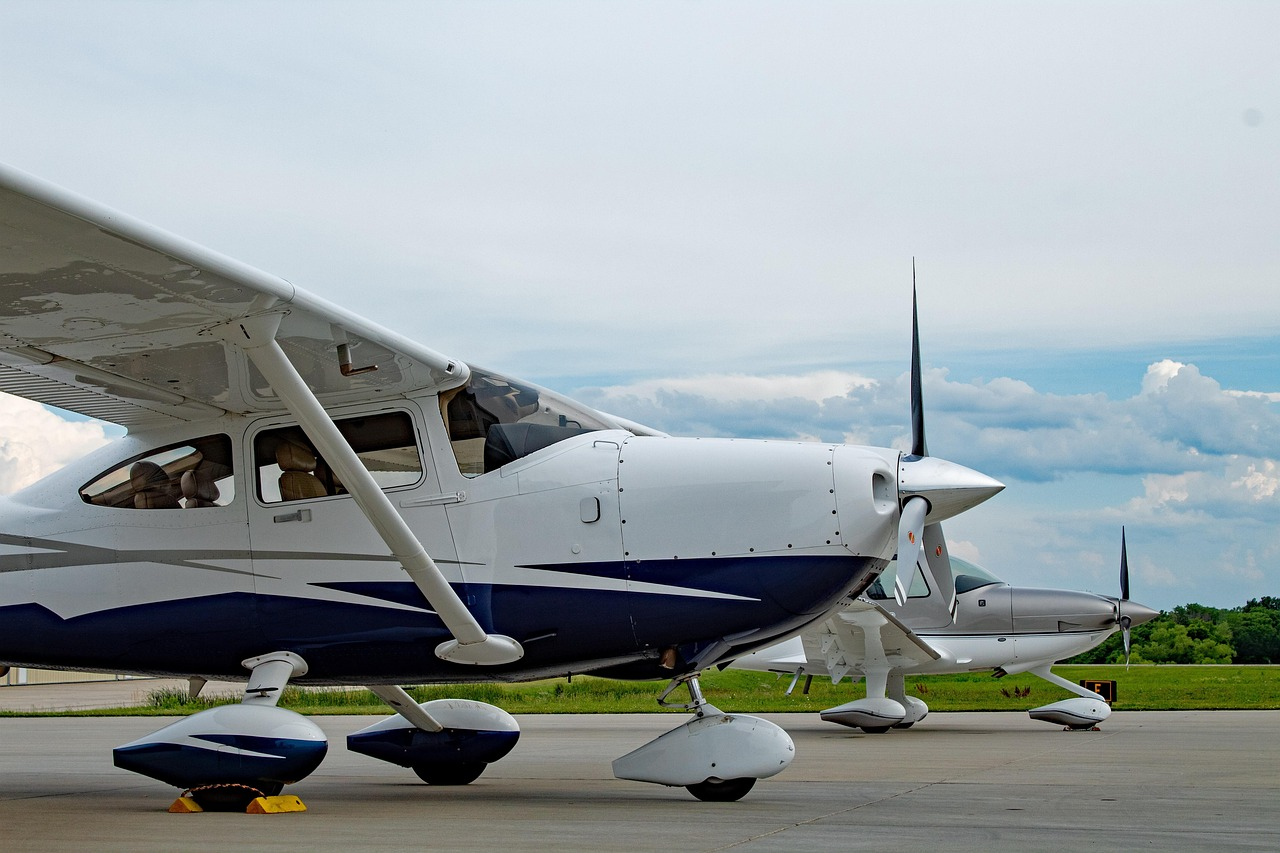
The cessna brand built trust early, and the 172 kept that promise going. The cessna 172 first appeared as an airplane that felt stable and predictable. It became a go-to aircraft for many schools and private owners. Every pilot noticed how forgiving it felt during early flights.
A big reason buyers choose a used cessna is history. In aviation, long service often means fewer surprises. The cockpit layout is clean, and many planes now carry modern avionics. Early 172s were simple, while later versions added tools like the g1000. The basic airframe stayed solid over time.
Power comes from trusted engines like lycoming, giving steady cruise speed around a single knot range beginners can manage. The plane handles ifr training well with proper equipment. Maintenance planning often includes an overhaul, but owners like how predictable costs are compared to other models.
Compared to piper options, many owners say the handling feels calmer. A good mechanic can spot issues early. The hull design resists damage when cared for. Inside the cockpit, visibility helps during landing practice. That is why many flight school programs rely on the cessna 172 skyhawk.
Buyers looking at used aircraft focus on logs and care history. When buying a used plane, this model stands out in any used aircraft guide. As a cessna single, it feels familiar across fleets. Demand for a used cessna 172 stays strong, even when a new cessna model enters the market.
Modern upgrades often include garmin units, making older cessna aircraft feel current. Storage in a hangar helps protect value. Reviews from aviation consumer sources often rank it high for reliability.
Who The Cessna 172 Is Best For
The design starts with nosegear, which helps new flyers during taxi and landing. A good inspection shows why trainers trust it. Planning for an engine overhaul keeps long-term ownership smooth. This buyer’s guide fits pilots who want fewer surprises.
It is not a tailwheel plane, which lowers training stress. Many owners and pilots start here and stay for years. A new 172 offers updates, but older models still shine if cared for. Watch for corrosion, especially in coastal areas.
Key factors to consider include age and updates. Later cessna 172s added comfort and power. Many people still call them skyhawks. A clean used skyhawk with good logs can outperform newer planes in value. Always check model year changes.
As a single-engine plane, it keeps systems simple. Power varies by version, including an hp engine that balances cost and climb. Some buyers compare it to a cessna 182 or cessna 210, but those bring higher costs. The popular 180-hp engine supports safe landing and takeoff on shorter fields.
Early models used 145 horsepower. Over time, model changes improved performance and range. It works well for vfr trips and flight training. Glass panels like garmin g1000 add awareness. The tricycle gear setup reduces ground handling errors.
Some planes used a continental engine, while others evolved in 1997 as the 172r. Safety studies note low runway loss of control rates. Buyers should learn particular gotchas with this airframe, like wear points around control surfaces.
Later models offer a g1000 glass cockpit. An engine and newer setup helps reliability. A late-model Skyhawk feels modern despite roots introduced in 1956. Watch engine components closely during review.
Modern panels feature g1000 integrated avionics. Cosmetic items like a new paint job help resale. Cruise at 75 percent power balances speed and fuel use. Expect steady burn of gallons of fuel that owners can plan around.
Avoid major maintenance surprises by checking for a cracked spinner backplate. Many owners say insurance is roughly affordable. Some explore engine conversions for efficiency. It fits a private pilot with growing pilot experience. Versions with io-360 engine upgrades exist.
Review total hours carefully. As a training aircraft, time alone is not bad if care is proven. The older tri-pacer comparison shows how far design has come. Weight balance stays stable fore and aft.
Some aircraft feature penn yan installations. Older gear may include original mccauley wheels. Most versions are normally aspirated, keeping systems simple and dependable.
Key Things To Check When Using A Cessna 172 Buyers Guide
Using a buyers guide works best when you slow down and check each part with care. The cessna name carries trust, but every plane has a story. A good review helps you see that story clearly before money changes hands. This section walks through the key checks that matter most when looking at a 172.
Start With The Logs And History
Every cessna 172 comes with logbooks. These books show how the airplane lived its life.
Check the following first:
- Total time on the aircraft
- Gaps in records or missing years
- Patterns of frequent repairs
- Long periods of storage
A pilot who flew often usually kept the plane in better shape than one that sat unused. A used cessna with steady use and clean logs often beats a low-time plane with poor records. In aviation, paper tells the truth.
Inspect The Airframe Carefully
The airframe is the backbone of the plane. Damage here can be costly.
Look closely at:
- Wing roots and carry-through areas
- Control surfaces and hinges
- Door frames and windows
- Rivet lines and skin condition
Many 172s lived in training roles. That is not bad, but it means more landings. A good inspector looks for stress signs caused by repeated use.
Ask if the plane spent time outdoors. Sun and weather wear down seals and paint. These issues affect value and comfort.
Engine Health And Maintenance
Most of these planes use a lycoming engine. These engines last well when cared for, but they still need checks.
Review:
- Time since last overhaul
- Oil analysis reports
- Compression test results
- Any major repairs
An engine close to overhaul time changes the price picture fast. Even if the plane flies fine now, that future cost matters.
A trusted mechanic should inspect the engine in person. This step saves money and stress later.
Avionics And Panel Setup
The panel tells you how modern the plane feels. Older radios still work, but newer systems add safety.
Look at:
- Basic radio and GPS condition
- Autopilot function
- Lighting and circuit breakers
- Screen clarity and brightness
Some planes have upgraded avionics, while others remain simple. Models with g1000 panels cost more, but many buyers like the clean layout and extra data.
Make sure everything powers on and works as logged. Fixing electronics costs add up fast.
Cockpit Condition And Comfort
The cockpit shows how owners treated the plane day to day.
Check:
- Seat tracks and locks
- Seat belts and shoulder harnesses
- Control yokes and pedals
- Cabin smells or moisture signs
Loose seats are a known safety issue. Worn interiors do not stop flight, but they do affect comfort and resale.
A clean cabin often reflects careful ownership. Small details matter here.
Hull And Exterior Review
The hull includes paint, skins, and structure you see from outside.
Walk around slowly and look for:
- Paint bubbles or cracks
- Uneven surface areas
- Evidence of past repairs
- Condition of inspection panels
Repaint jobs look nice, but ask why it was done. Cosmetic work sometimes hides older repairs. A pre-buy inspection should confirm quality.
Training Use And Wear Patterns
Many of these planes served a flight school. This is common and not a deal breaker.
Training planes often have:
- Higher landing cycles
- Worn brakes and tires
- Frequent interior use
The upside is regular maintenance. Schools fix issues fast to keep planes flying. Ask for details on how the school maintained the plane.
Performance And Flight Check
A test flight matters. It shows how the plane behaves in real air.
During flight, check:
- Takeoff roll and climb rate
- Cruise speed near a normal knot range
- Control feel and trim response
- Engine temperatures and pressures
If equipped for ifr, confirm all required systems work. Small issues show up quickly during flight.
Comparing To Other Options
Some buyers also look at piper models. Comparing helps you understand value. Each design feels different on the ground and in the air. The goal is not to pick the best brand. The goal is to pick the right plane for you.
A buyers guide works when you use it step by step. Do not rush. Ask questions. Listen to experts. A solid cessna 172 rewards careful buyers with years of steady flying.
Taking time now avoids regret later. That is always a good trade.
Conclusion
The Cessna 172 stays popular because it fits real flying life. It teaches well, travels safely, and holds value. With the right inspection and expectations, it can serve for years. If you want help finding or reviewing one, connect with the experts at Flying411 and move forward with confidence.
FAQs
Is the Cessna 172 good for first-time buyers?
Yes. It is stable, easy to fly, and widely supported, which helps new owners feel confident.
How much fuel does a Cessna 172 burn?
Most versions burn a steady amount per hour, making fuel planning simple and predictable.
Are parts easy to find in the USA?
Yes. Parts and service support are widely available across the country.
Can it be used for travel flights?
Yes. It works well for short to medium trips when planned within limits.
Does age matter more than condition?
Condition matters more. A well-kept older plane often beats a neglected newer one.