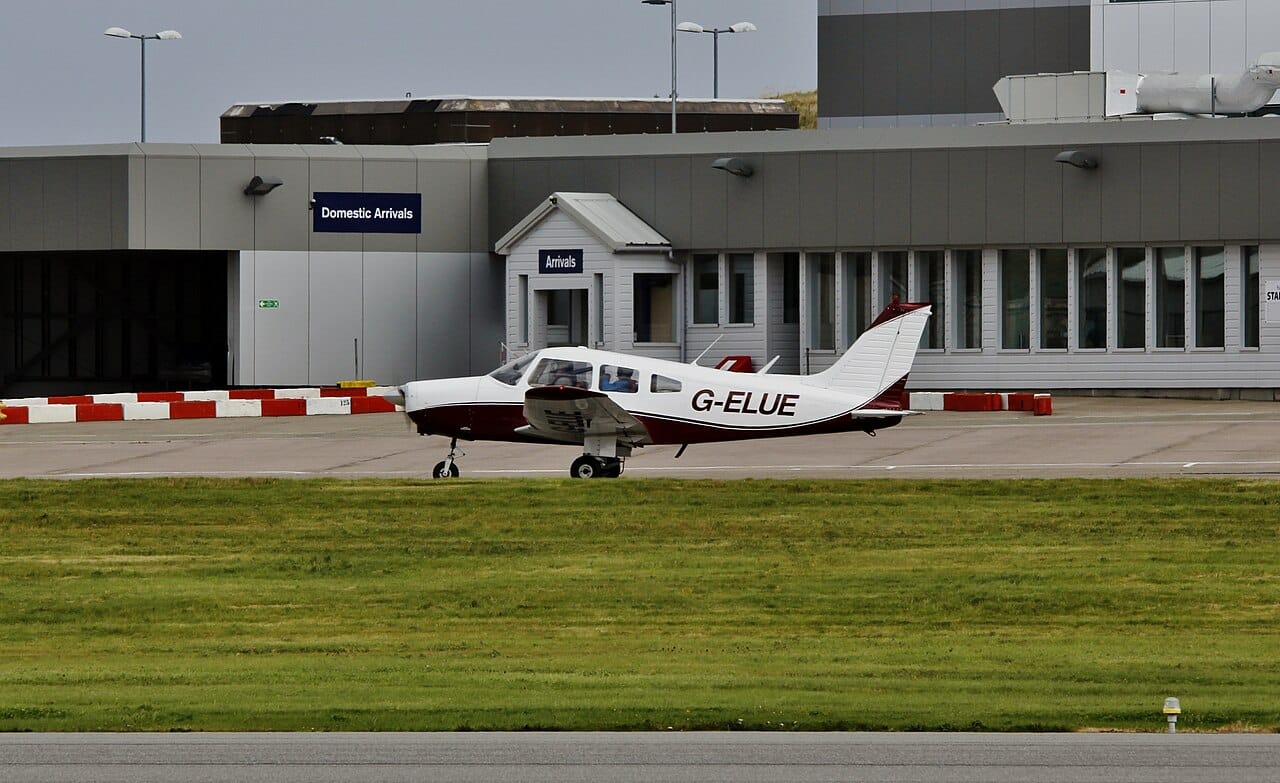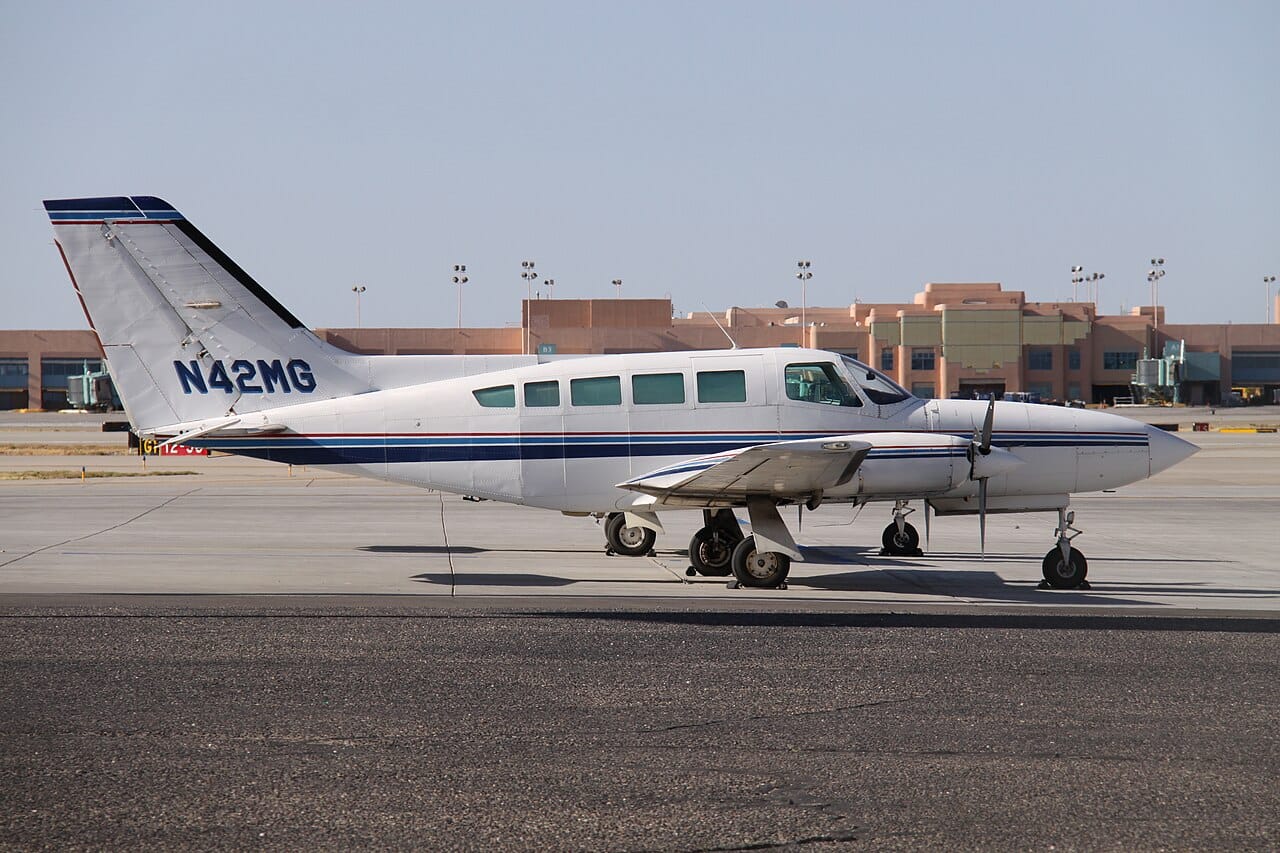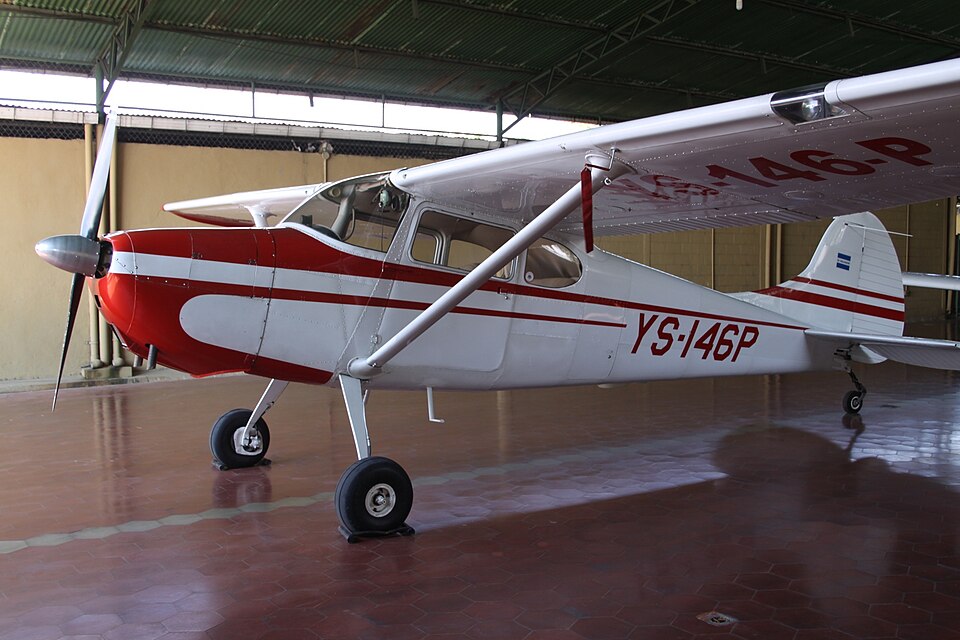
Cessna 170B, Source: commons.wikimedia.org
Meta Description: Cessna 170 vs 172: compare performance, cost, handling, and history to find the right classic Cessna for your flying goals.
Article Tags: Aircraft Buying Guide, Used Airplanes, General Aviation
If you have ever stood on a ramp and admired a pair of classic Cessnas side by side, you know the feeling. The Cessna 170 and the Cessna 172 look almost like family. They share the same DNA, the same gentle curves, and the same reputation for being some of the most trustworthy light aircraft ever built. But underneath all that similarity, these two planes tell very different stories.
The Cessna 170 vs 172 debate is one of the most common conversations in general aviation. Pilots, students, and aircraft buyers ask about it all the time. One plane is a taildragger with a loyal following. The other is the best-selling airplane in history. Which one fits your flying life? That depends on a few things, and this guide will walk you through all of them.
Key Takeaways
When comparing the Cessna 170 vs 172, the biggest difference comes down to landing gear and purpose. The 170 is a conventional-gear taildragger that rewards skilled pilots with a classic flying experience, while the 172 uses tricycle gear that makes it far easier to land and widely used for training. Both planes are reliable, affordable, and a joy to fly, but they suit different pilots at different stages of their journey.
| Feature | Cessna 170 | Cessna 172 |
| Gear Type | Taildragger (conventional) | Tricycle (nosewheel) |
| Production Years | 1948–1956 | 1956–present |
| Typical Cruise Speed | Around 110–120 mph | Around 120–130 mph |
| Useful Load | Approx. 850–900 lbs | Approx. 900–1,000 lbs |
| Engine (original) | Continental C-145 or O-300 | Continental O-300 or Lycoming O-320 |
| Best For | Experienced pilots, backcountry, classics | Students, renters, touring, families |
| Availability | Rarer, collector market | Very common, wide parts support |
| Typical Used Price | $25,000–$55,000+ | $30,000–$100,000+ depending on year |
Whether you are shopping for your first aircraft or your fifth, Flying411 is a great place to start your search and get trusted guidance on finding the right plane for your budget and flying goals.
A Look at Two Cessnas: The History Behind the Models
To really understand the Cessna 170 vs 172 comparison, it helps to know where each plane came from.
How the Cessna 170 Started It All
The Cessna 170 made its debut in 1948. It was Cessna's answer to the postwar surge in private aviation. Pilots were returning home from World War II, many of them trained and eager to keep flying. The 170 gave them a practical, four-seat aircraft they could actually afford.
It was a conventional-gear airplane, meaning it had two main wheels under the belly and a small tailwheel at the back. That style of landing gear was the norm at the time. Almost everything flew that way.
Fun Fact: The Cessna 170 is sometimes called the "grandfather" of the 172 because Cessna engineers essentially redesigned it with a nosewheel to create the 172 in 1956.
Cessna built several versions of the 170, including the 170A and 170B. The 170B introduced a new wing with slotted flaps, which improved slow-speed handling noticeably. Production ended in 1956, when Cessna shifted focus to the aircraft that would change everything.
How the Cessna 172 Changed General Aviation
The Cessna 172 Skyhawk arrived in 1956 with one key difference: it had a tricycle landing gear. That nosewheel made a huge difference in how easy the plane was to land. Pilots no longer had to worry as much about the tricky ground handling that taildraggers require.
The market loved it. The 172 became the most produced aircraft in history, with well over 40,000 examples built across multiple decades. It is still in production today, making it one of the longest-running aircraft programs ever.
Good to Know: The 172 became the go-to training aircraft for flight schools across the United States, and it still holds that title today at hundreds of schools nationwide.
You can read more about the full history and specs of this iconic plane in this detailed look at Cessna 172 characteristics and specifications.
Design and Configuration: What Makes Each Plane Unique
Both the 170 and 172 are high-wing, single-engine, four-seat aircraft. Put them side by side and most people would have trouble telling them apart at a glance. But the differences matter.
Landing Gear: The Biggest Distinction
The taildragger setup on the 170 means the main gear sits forward of the center of gravity. The small tailwheel drags along the ground in back. This design gives the plane a nose-high attitude on the ground and requires the pilot to actively manage directional control during takeoffs and landings.
The 172 flips this around. The nosewheel sits forward, ahead of the main gear. The plane sits level on the ground, and the nose naturally tracks straight on the runway. This makes ground handling far more forgiving.
Why It Matters: Tricycle gear significantly lowers the risk of a ground loop, which is a sudden, uncontrolled swing during landing that taildraggers are more prone to. This is a major reason flight schools prefer the 172.
Wing Design
Both planes use a high-wing configuration, which gives excellent visibility downward and provides natural stability. The 170B introduced slotted flaps that were later carried over into the early 172 design. The wing shape is similar, though the 172 has been updated multiple times over its production life.
Cabin and Interior
The cabins are close in size. Both seat four people, though neither is spacious by modern standards. The 172 has seen decades of ergonomic improvements across its various models, so later versions tend to feel more refined inside. The 170 interiors vary widely based on how well the individual aircraft has been maintained or refurbished.
Performance Comparison: Cessna 170 vs 172 by the Numbers
Neither of these planes is going to win any speed records. Both are comfortable, efficient cross-country cruisers meant for getting from here to there with a friend or two on board. That said, the numbers do differ in meaningful ways.
Cruise Speed and Range
The 170 typically cruises somewhere in the range of 110 to 120 mph, depending on the engine and condition. The 172 is slightly faster, often cruising between 120 and 130 mph in good conditions, especially in later models with more powerful engines.
Range is comparable. Both planes can cover roughly 500 to 700 miles on a full tank, though actual range depends heavily on altitude, winds, and power settings.
Climb Rate
Early 170s with the Continental C-145 engine climb at a modest rate. Later 170s with the O-300 do a bit better. The 172 has benefited from engine upgrades over the years, and later models with the Lycoming O-360 engine offer noticeably improved climb performance.
Pro Tip: If you plan to fly often out of high-elevation airports or in hot climates, the later 172 models with the O-360 engine will handle density altitude much better than an early 170.
Useful Load and Payload
Both planes carry roughly similar useful loads. A well-equipped 170 might offer around 850 to 900 pounds of useful load. A 172 often sits in the 900 to 1,000-pound range, though this varies significantly by year and installed equipment.
For a direct look at how the 172 stacks up against other popular four-seaters, this breakdown of the Cessna 172 vs 182 vs 206 is a useful read.
Flying Characteristics: How Do They Feel in the Air?
This is where many pilots get passionate. Both planes have pleasant handling, but the experience is genuinely different.
Flying the Cessna 170
The 170 feels light and responsive. Pilots who love taildraggers often describe it as a more "connected" experience. You feel the airplane more directly. The controls are honest and predictable in the air.
Where the 170 demands more is on the ground. Taxiing, takeoffs, and landings require real attention. You cannot let your focus drift. The tailwheel will let you know if you do.
Keep in Mind: Many insurance companies require pilots to log a certain number of tailwheel hours before they will insure a conventional-gear aircraft. Factor this into your planning if you are new to taildraggers.
Many pilots who fly the 170 say it made them better pilots overall. The extra skill required on the ground sharpens awareness and forces good habits.
Flying the Cessna 172
The 172 is famously forgiving. It is stable, predictable, and tolerant of the small mistakes that student pilots make. The nosewheel keeps things pointed in the right direction during takeoffs and landings, and the plane responds calmly to corrections.
That forgiving nature is part of why it became such a beloved trainer. You can read more about that relationship between the 172 and the learning process in this article on why student pilots prefer training in the Cessna 172.
In the air, the 172 is smooth and stable. It trims out well for long flights and is easy to fly hands-off for short periods. That stability is a feature, not a flaw, especially for new pilots building confidence.
Cost of Ownership: What Does Each Plane Actually Cost?
Buying the plane is just the beginning. The real question is what it costs to own and fly it over time.
Purchase Price
Used Cessna 170s in good condition typically sell in the $25,000 to $55,000 range, though well-restored examples or those with newer engines can push higher. Supply is limited since production ended in 1956, and prices have been rising as collector interest grows.
Used Cessna 172s cover a much wider range depending on the year. Early 172s from the 1950s and 1960s can be found for $30,000 to $50,000. Later models from the 1970s and 1980s tend to run $40,000 to $75,000. Newer models from the 1990s and beyond can exceed $100,000, especially factory-new examples.
Heads Up: A lower purchase price does not always mean lower total cost. An older aircraft with deferred maintenance can cost far more to own than a newer one priced higher upfront. Always budget for a thorough pre-purchase inspection.
Annual Maintenance
Both planes are relatively simple to maintain by aircraft standards. The engines are proven designs with well-understood overhaul intervals. Parts for the 172 are extremely easy to find due to the sheer volume of airframes flying.
Parts for the 170 take a bit more hunting. Some components are becoming harder to source as the fleet ages, and specialized tailwheel mechanics may be required in your area.
Fuel Costs
Both aircraft burn somewhere in the range of 7 to 10 gallons per hour depending on the engine and power setting. At current avgas prices, that works out to a meaningful hourly fuel cost. Neither plane is a gas guzzler by aircraft standards.
Insurance
Taildragger insurance for the 170 typically costs more than 172 insurance, especially for pilots with limited conventional-gear experience. If you are new to taildraggers, expect to pay a premium or complete a formal tailwheel endorsement and log additional hours first.
If you are working through your aircraft buying decision, Flying411 offers helpful resources and listings to make the process easier and less overwhelming.
The Right Choice for Different Pilots
There is no single correct answer in the Cessna 170 vs 172 debate. The best plane depends on who you are and what you want to do with it.
The Cessna 170 Is a Great Fit If You:
- Already hold a tailwheel endorsement or are eager to earn one
- Love the feel and history of classic aircraft
- Want something with a smaller, more specialized community of enthusiasts
- Plan to fly from grass strips or backcountry airfields where taildraggers often shine
- Are a collector who values rarity and appreciates appreciating assets
The Cessna 172 Is a Great Fit If You:
- Are a student pilot or recently certificated pilot building hours
- Want an aircraft that is easy to insure and widely supported
- Plan to rent out your plane or share it with others who may not have tailwheel experience
- Fly frequently from paved airports where tricycle gear has no disadvantage
- Want maximum parts availability and a large network of mechanics who know the airframe
For a broader look at which Cessna model suits different pilot profiles, this guide on what is the best Cessna for a private pilot covers the full lineup.
How the 172 Evolved from the 170
The transition from the 170 to the 172 was not a dramatic leap. It was a smart, calculated update that Cessna made to meet what the market was asking for.
The Key Changes Cessna Made
When Cessna designers went to work turning the 170 into the 172, they focused on a few specific improvements:
- Tricycle landing gear replaced the tailwheel setup, making the plane easier for new pilots to handle on the ground
- A revised engine mount was needed to accommodate the nosewheel and updated cowling
- An updated tail improved stability and gave the 172 a slightly different look from behind
- Interior refinements modernized the cabin and improved comfort
- A modified instrument panel gave pilots better ergonomics
The airframe remained largely familiar. Pilots who had flown the 170 could step into the 172 and feel at home immediately. The learning curve was minimal for experienced fliers.
Fun Fact: Early Cessna 172s were sometimes called "172A" and shared so much with the 170B that some of the structural parts were interchangeable between the two models.
The 172 went on to spawn a massive family of variants. You can explore the full lineup in this overview of the different models of the Cessna 172.
Common Issues to Watch for in Each Airplane
No aircraft is perfect, and both the 170 and 172 have known quirks that buyers should understand before committing.
Cessna 170 Watch-Outs
- Aging airframes: All 170s are at least 65 years old. Corrosion is a real concern, especially in humid climates or on aircraft that spent years outdoors.
- Tailwheel hardware: The tailwheel mechanism and associated steering components wear over time and can be difficult to source.
- Fabric vs. metal: Early 170s used fabric-covered control surfaces. Inspect them carefully for condition and airworthiness.
- Continental engine health: The C-145 and O-300 engines are reliable but old. Check engine logs, compressions, and oil analysis carefully.
Cessna 172 Watch-Outs
- Fuel tank bladders: Older 172s may have cracked or deteriorated fuel bladder tanks. Replacement is expensive.
- Carburetor icing: Like all carbureted aircraft, the 172 is susceptible to carb ice. Pilots should use carb heat proactively.
- Door seals and weather stripping: Older cabins can develop leaks that let in noise, cold air, and moisture.
- Avionics age: Many 172s flying today have old avionics that may not be compliant with current airspace requirements.
You can get a deeper look at what to watch for in this thorough rundown of common problems with a Cessna 172.
Comparing the 172 to Other Popular Trainers
If you are leaning toward the 172 but want to see how it stacks up against other popular options, there are some good comparisons worth reviewing.
The Cessna 172 vs Cessna 150/152 comparison is useful for pilots who want to understand the step-up from two-seat trainers to a four-seat aircraft.
The Cessna 172 vs Piper Warrior is a popular debate in the training community, since both planes serve similar roles but have different handling personalities.
For pilots interested in modern glass-cockpit options, the Cessna 172 vs Diamond DA40 explores how a legacy design competes against a more recent, composite-built alternative.
Making the Final Decision: A Simple Framework
Still not sure which way to go? Run through these questions:
- Do you have a tailwheel endorsement? If not, the 172 is a more practical starting point unless you specifically want to earn that endorsement.
- What is your primary flying mission? Cross-country touring, local sightseeing, and training all lean toward the 172. Grass strip exploration and classic aircraft ownership lean toward the 170.
- How important is parts availability? The 172 wins this one clearly.
- Is the classic aircraft experience part of the appeal for you? If you want the romance of a 1950s taildragger, the 170 delivers it.
- What does your insurance situation look like? If tailwheel endorsement requirements or premium pricing is a concern, start with the 172.
- What does your maintenance network look like? If your local shop knows the 172 well but has little experience with taildraggers, that matters.
Ready to start shopping? Flying411 is a great resource for finding both classic aircraft like the 170 and well-maintained 172s at various price points.
For pilots who want to go even deeper before making a purchase decision, this comprehensive Cessna 172 buyer's guide covers everything from inspection tips to financing.
Conclusion
The Cessna 170 vs 172 comparison ultimately comes down to what kind of pilot you are and what kind of flying you want to do. The 170 is a classic, a plane that demands skill and rewards you with character. The 172 is a workhorse, a plane that forgives mistakes and welcomes pilots at every stage of their journey.
Both planes have earned their reputations honestly. Both will take you places. The one you choose should match your skills, your goals, and what makes you excited to go to the airport.
If you need help sorting through your options and finding the right aircraft, Flying411 is here to help you find the plane that fits your life, your budget, and your next adventure.
FAQ
Is the Cessna 170 harder to fly than the 172?
In the air, the two planes feel quite similar. On the ground is where the 170 demands more attention. Its tailwheel design requires active rudder input to maintain directional control during takeoffs and landings, which takes practice to master.
Can a student pilot fly a Cessna 170?
Student pilots can fly the 170, but it requires a tailwheel endorsement in addition to the standard training. Most flight schools use the 172 for primary training because its tricycle gear is much more forgiving for beginners.
Which plane holds its value better, the 170 or 172?
Both planes have held value well over time. The 170 has appreciated notably in recent years due to its rarity and collector appeal. The 172 retains value through sheer demand and ongoing production.
Are parts easy to find for the Cessna 170?
Parts availability for the 170 has become more challenging over time since the aircraft is no longer in production and the fleet is aging. Some owners fabricate parts or source them from other Cessna models where interchangeable. This is less of a concern with the 172.
How does the Cessna 170 perform on grass strips compared to the 172?
The 170's taildragger configuration can actually be an advantage on unimproved surfaces. Taildraggers generally have better propeller clearance from the ground and can handle rougher terrain more gracefully than nosewheel aircraft in many situations.