Learning to fly is exciting. It can also feel confusing at first. One big choice comes early, and it matters. Many student pilots in the USA ask about Cessna 172 vs Diamond DA40 because both planes show up at schools across the country. They look different, feel different, and teach you in different ways. The right pick often depends on how you learn, what feels comfortable, and what kind of pilot you want to become.
Before getting into details, it helps to see the big picture. These two trainers share the same goal but take different paths to get there. Let’s start with a clear answer and then break it down step by step.
Key Takeaways
The main difference between the Cessna 172 and the Diamond DA40 is how they fly and what they are built for. The Cessna 172 is a sturdy, simple plane that is easy to fly and cheaper to operate, while the Diamond DA40 is sleeker, faster, and has modern design and better fuel efficiency. Both are good training and personal planes, but people choose the 172 for simplicity and the DA40 for speed and efficiency.
| Feature | Cessna 172 | Diamond DA40 |
| Seats | 4 | 4 |
| Speed | Moderate | Faster |
| Fuel use | Higher | Lower |
| Design | Traditional | Modern composite |
| Cost to fly | Lower | Higher |
| Best for | Basic flying and training | Efficient cruising |
| Handling feel | Stable and simple | Smooth and responsive |
Which Training Plane Fits New Pilots Best?
For most students, the best training plane is the one that helps skills click faster. Some people relax in a steady plane that forgives small mistakes. Others like clear views and quick response. This comparison helps explain why both planes succeed in pilot training and why no single answer fits everyone.
Who Uses the Cessna 172 and Diamond DA40
Many schools trust the cessna brand because it has been around for decades. You will see the cessna 172 at busy airports, quiet towns, and almost every major flight school. Student pilots working toward a ppl often start here because the plane feels calm and predictable. During a discovery flight, the wide cabin and tall stance help new flyers feel safe. A cfi or flight instructor can easily teach basics like turns, climbs, and landing without rushing.
Pilots who prefer the cessna often say it feels familiar. Some even joke it flies like my 172 no matter where they train. The high wing gives shade on sunny days and makes ground checks simple. Many schools also like the lower operating costs, which helps keep training affordable.
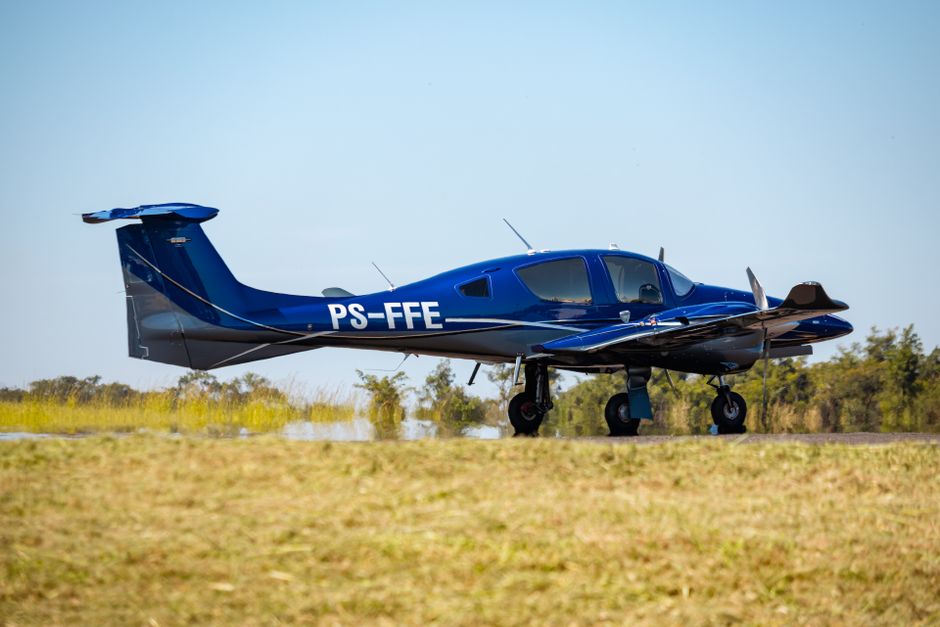
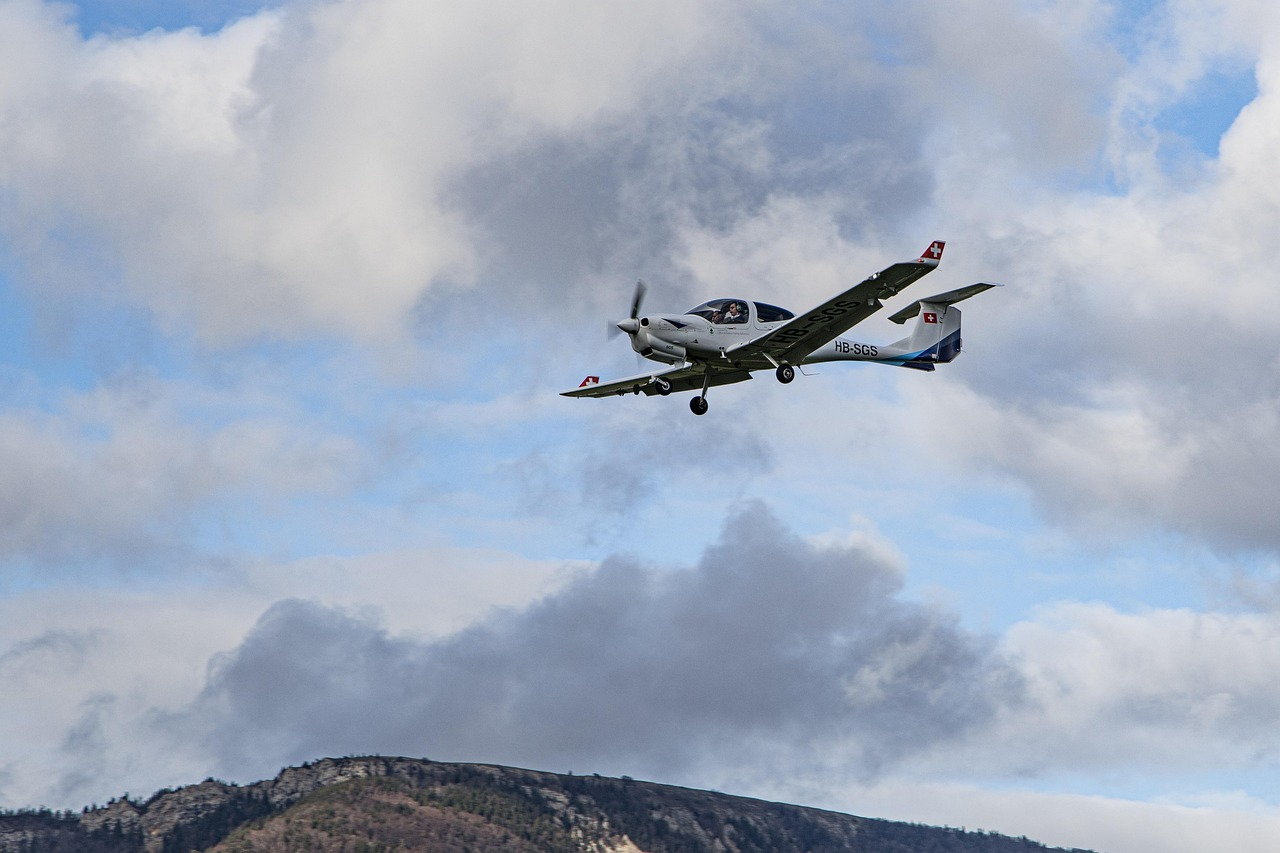
The da40 attracts students who enjoy a sleek look and tighter feel. The diamond da40, also called the da-40 or da 40, shows up at modern academies and growing schools. People who want a smooth ride and strong views often take the diamond. The low wing design and canopy give better visibility in turns and at cruise.
Some students plan to move on to aircraft like cirrus or even the twin da42, so starting in the diamond star makes sense. The plane feels like other different aircraft with modern layouts. Pilots who plan to learn to fly using newer tools often choose this path.
Both planes serve private pilot students, renters, and long-term owners. You might even see piper fans compare them to a cherokee or piper cherokee, but the mission stays the same. Each is a trusted training aircraft, built for safe and steady flight training.
What Makes the Cessna 172 and Diamond DA40 Different
The biggest difference starts in the cockpit. Many 172s still use steam gauges, which help students build a strong instrument scan early. Others fly with a g1000 c172sp, using glass panels and a full glass cockpit with nxi features. This helps pilots who are moving to glass later in training.
The Diamond usually comes standard with modern avionics. The screen layout feels clean, with similar glass across most models. Students see speed, altitude, and navigation in one place. This can help with ifr concepts later, even during primary training. The instrument panel design supports fast learning, and many da40s include an autopilot for advanced lessons.
Control style also differs. The Cessna uses a yoke, while the Diamond uses a center stick. Some pilots like the traditional feel, while others enjoy the lighter touch. These handling characteristics affect how the plane responds in turns and during crosswind practice.
In the air, the single engine setups feel unique. The Cessna, also called the skyhawk or c-172, feels stable and forgiving. The Diamond responds quicker and feels more connected. Pilots often compare flight characteristics when choosing between vs c172, da40 vs, or vs cessna 172 discussions online.
Safety matters too. Both planes have a strong safety record and support serious aviation training. The Cessna’s long history includes siblings like the cessna 182, while the Diamond family keeps growing with updated tech.
Students preparing for a checkride often succeed in either plane. The key is comfort, confidence, and support from a good school. Some students even plan a transition from the cessna later, while others stick with what they know for a better experience.
Why Pilots Compare the Cessna 172 vs Diamond DA40
Pilots compare these two planes for one simple reason. Both are popular, proven, and used every day across the USA. When someone walks into a flight school near them, there is a good chance one of these aircraft is parked on the ramp. Each one promises a safe path to learning. Each one feels different once you sit inside. That difference is what drives the comparison.
At the core, both planes are built to teach. They are trusted as a trainer aircraft for students working toward a ppl. Instructors know them well. Mechanics know how to keep them flying. Students hear about them early and often. That shared role puts them head-to-head in many conversations.
Pilots also compare them because the learning experience feels personal. Training is not passive. You hold the controls. You make choices. You feel how the plane reacts. When pilots talk with friends or instructors, they want to know which plane fits their style best. That curiosity keeps the comparison alive.
Training Goals Shape the Comparison
Most student pilots start with a clear goal. They want to fly safely and pass tests with confidence. Both planes support that goal, but they do it in slightly different ways.
The Cessna path feels steady. Many students say the plane gives them time to think. Control inputs feel smooth and slow. That helps during early lessons like climbs, turns, and pattern work. When students practice landing, the calm response can reduce stress.
The Diamond path feels more responsive. Students notice quicker feedback from the controls. This can help build precise habits early. Some students enjoy that feeling and stay more focused. Others feel it takes a bit more practice to relax.
These different reactions are a big reason pilots compare notes. One student may say the Cessna helped them stay calm. Another may say the Diamond kept them sharp.
Design and Feel Matter to Students
Pilots often talk about how a plane feels on the ground and in the air. The Diamond has a low wing, which changes how you see the runway and the sky. Many students say the view in turns feels wide and clear. Some even say they feel closer to the airframe, which builds confidence.
The Cessna design sits higher. That changes how you taxi and how you look outside during training. For some students, this feels familiar and comfortable. For others, it feels less sporty.
This is where personal taste shows up. Some students say they feel at home right away in the Cessna. Others say they feel more connected in the Diamond and even say they fly better like the diamond from the first lesson.
Technology Drives Modern Comparisons
Technology plays a bigger role in training now than it did years ago. Students want to know what tools they will use during lessons and exams.
Many Cessna models offer both classic and digital setups. Some students train with screens. Others train with round dials. A popular setup includes the g1000, which places flight data on clear displays. This can help students understand navigation and planning earlier in training.
The Diamond often comes equipped with modern screens as standard. This gives students early exposure to digital flight displays. For students interested in advanced training later, this can feel like a head start.
When pilots compare the two, they often talk about avionics and how easy the information is to read. Some students like seeing everything in one place. Others prefer learning basics first, then moving forward step by step.
Instructor Experience Influences Opinions
Another reason pilots compare these planes is instructor experience. Many instructors have taught in both. They notice how students respond over time.
Instructors often say the Cessna helps nervous students settle in. The predictable feel helps build trust. Students focus on learning instead of worrying about control response.
Instructors also say the Diamond helps motivated students sharpen skills early. The quicker feedback can improve coordination and accuracy. Some instructors choose one plane or the other based on a student’s confidence level.
When pilots talk to instructors, they hear these opinions. That advice spreads quickly and fuels more comparisons.
Ownership and Long-Term Thinking
Even students think ahead. Some plan to rent planes after training. Others plan to buy later. Comparing these two aircraft helps them picture the future.
The Cessna has a long history. Many renters and clubs operate it. Parts and service are common. This makes it attractive for pilots who want simple access after training.
The Diamond attracts pilots who enjoy newer designs and materials. It appeals to those who want a modern feel from the start. Some students choose it because they plan to keep flying similar aircraft later.
This long-term thinking adds depth to the comparison. Pilots are not only choosing a training tool. They are choosing a path.
Peer Stories Keep the Debate Going
Pilot stories matter. Students talk in lounges and online forums. One pilot shares how they trained in a c172 and felt ready for tests early. Another shares how training in a da40 helped them feel confident during solo flights.
Some pilots mention switching types mid-training. Others stick with one model from first lesson to checkride. These stories are real and relatable. They encourage new students to ask questions and compare options.
The names themselves become shorthand. You hear pilots say da-40 or Cessna like everyone already knows what that means. That shared language builds community and comparison at the same time.
The Role of the Airplane Itself
At the end of the day, pilots compare because the airplane is the classroom. It shapes habits, comfort, and confidence. Small differences add up over hours of training.
Students notice how the seat feels during long lessons. They notice how the controls respond when tired. They notice how easy it is to see traffic or line up with the runway. These details stay with them.
Pilots do not compare to argue. They compare to learn. They want to understand what works best for them and for others.
Why the Comparison Will Continue
This comparison will not end anytime soon. Both planes keep flying. Both keep training new pilots every year. As long as students ask questions and instructors share experience, the topic will stay relevant.
The good news is simple. Both options work. Both teach safe habits. Both help students reach their goals.
Pilots compare the Cessna 172 and Diamond DA40 because the choice feels important. It is the first big step in a flying journey. That makes it worth talking about, again and again.
Conclusion
Choosing between these two trainers is a personal call. The Cessna 172 vs Diamond DA40 question has no wrong answer. Both planes teach strong habits, clear thinking, and safe flying. Focus on how the plane feels to you, how your school supports training, and where you want your skills to grow next. If you want help finding aircraft, schools, or insights from real pilots, explore resources from Flying411 to guide your next step.
Frequently Asked Questions
Is one plane easier for beginners?
Many beginners feel relaxed in the Cessna because it feels stable, but others learn fast in the Diamond due to clear views and smooth response.
Which plane costs less to train in?
Costs depend on location, but many schools offer lower hourly rates on Cessna models due to parts availability.
Do airlines care which trainer I use?
Airlines focus on skills and hours. They do not mind which trainer you start with.
Can I switch planes during training?
Yes. Many students start in one and switch later with help from an instructor.
Which plane is better for tall pilots?
Taller pilots often feel comfortable in the Cessna, but many fit well in the Diamond after seat adjustment.