Learning to fly often starts with one big choice. Many student pilots step onto the ramp and see two planes used again and again. That choice is Cessna 172 vs Piper Warrior. Both planes look friendly. Both have long training histories. And both have helped thousands of pilots take a first flight with confidence.
These two trainers feel similar at first, but small differences show up fast. The way you climb in. The view outside. The way the controls move in your hand. All of that shapes how flying feels from day one. Understanding those basics makes the next sections easier to follow and helps new pilots feel ready for what comes next.
Key Takeaways
The main difference between the Cessna 172 and the Piper Warrior is how they fly and feel during training. The Cessna 172 sits high with a wing on top and feels steady and forgiving, which helps new pilots learn with confidence. The Piper Warrior sits low with a wing below and feels more responsive, which helps pilots sharpen control skills. Both are safe, reliable training airplanes, but they teach slightly different habits.
| Feature | Cessna 172 | Piper Warrior |
| Wing position | High wing | Low wing |
| Handling feel | Stable and calm | Smooth and responsive |
| Seats | 4 | 4 |
| Visibility | Great downward view | Better side view |
| Landing style | Very forgiving | Precise and controlled |
| Fuel system | Gravity-fed | Fuel pump system |
| Best for | New student pilots | Skill-building training |
What Makes These Two Planes So Popular With Pilots
Both airplanes earned their place by being reliable and friendly to learn in. The piper designs in the pa-28 series share a long history with trainers like the piper cherokee, cherokee 140, piper warrior, and piper archer. On the other side, the cessna 172 family includes many versions, from early models to cessna 172sp and c-172rg. Each one is a proven single-engine airplane used across the USA.
One big reason schools trust them is flight training safety. These planes handle slow speeds well. They recover smoothly from a stall. They forgive small mistakes during landing. That matters for a student pilot working toward a ppl or a checkride with a cfi sitting nearby.
Other reasons pilots like them include:
- Simple fixed gear and strong landing gear
- Predictable control response during a first flight
- Easy systems that help pilots get your license
- Wide support in aviation shops and schools
The cessnas stand out for cabin access. Cessna has two doors, often called 2 doors, which helps during preflight and training. The 172's cabin also feels open, with a clear view of the ground thanks to the high wing design.
The piper and cessna comparison also shows differences in structure. The piper pa-28, also called pa28 or pa-28s, uses a low wing layout. Many pilots like how low-wing aircraft feel closer to the runway. The cherokee’s wing allows easy fuel checks at eye level, while the fuel tank and fuel selector layout stays simple.
Both planes shine at a flight school. Instructors trust them. Mechanics know them well. Students step into cockpits filled with familiar avionics. That shared trust explains why the debate of vs cessna or vs cessna 172 keeps going year after year.
How the Design of Each Plane Feels in Real Flight
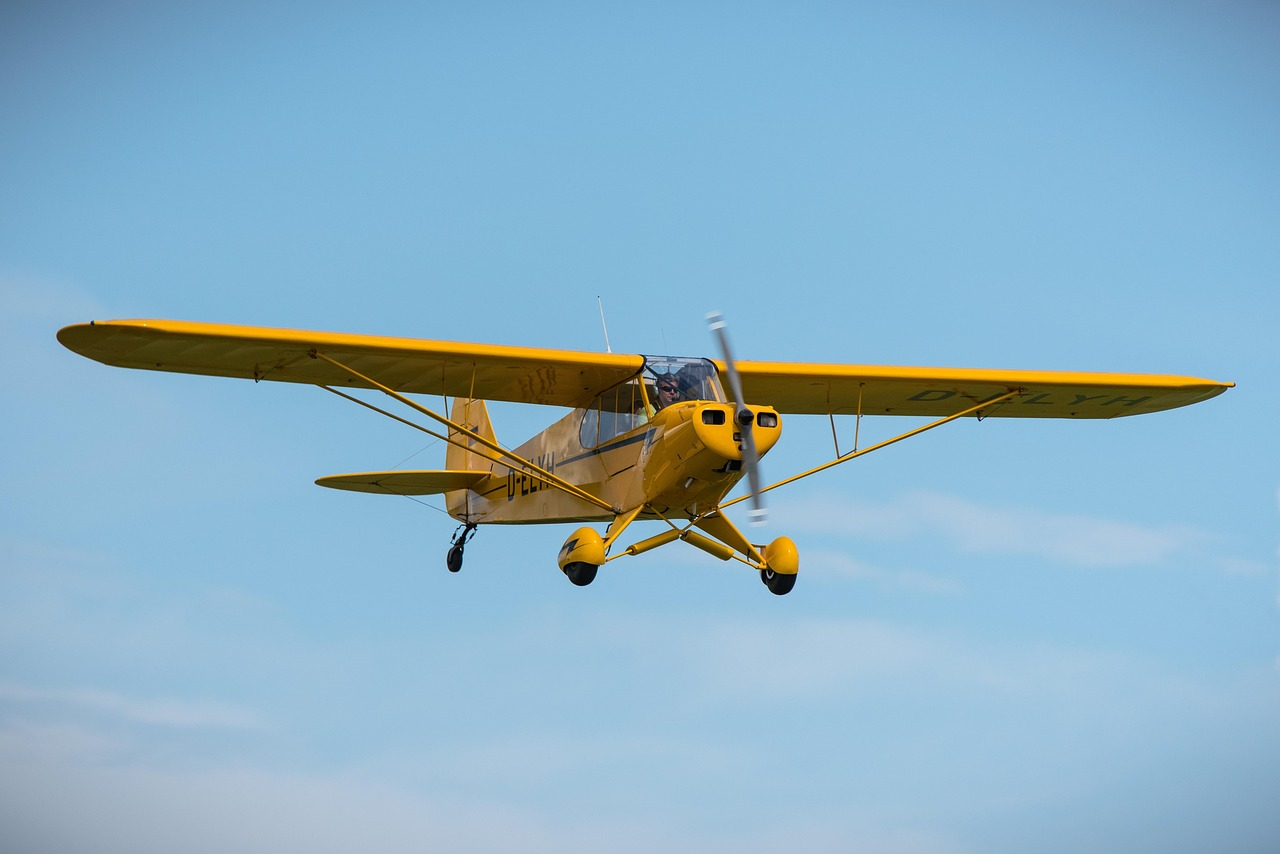
Design choices change how flying feels minute by minute. The high-wing layout on the c172, c-172, and cessna 172s gives shade and a steady ride. Many pilots say it offers better visibility below but creates a small blind spot above during turns. The wing also keeps rain off doors and windows, which helps during training days.
The low-wing layout on the piper warrior, piper archer, and other pa-28 models changes that view. A low-wing plane gives a clear look at the sky and traffic above. It can block some ground view in turns, but many pilots enjoy how connected it feels. This design helps when practicing instrument training and scanning outside together.
On the ground, differences show up fast:
- The single door on most pa-28s means entry from one side
- Also the cessna sits taller, which some pilots find easier
- Spring steel landing gear on Pipers feels firm and smooth
- Cessnas often feel softer when you land in a crosswind
Control systems differ too. Many Cessnas use manual flaps, while Pipers use a lever system. Neither is hard. Both become natural with time. Fuel handling also varies. The Piper fuel system stays simple, while Cessnas often need closer attention to the fuel selector.
In flight, both are easy to fly. They climb steadily, cruise calmly, and stay predictable. Pilots coming from c152 or 152s notice more payload and space. Compared with larger planes like the 182, these trainers stay forgiving and calm.
The real answer comes down to comfort. Some pilots love the Piper feel. Others trust the Cessna view and access. That choice shapes training confidence but does not limit success.
What New Pilots Care About Most When Choosing a Trainer
When a new pilot walks onto the ramp for the first time, a lot goes through their mind. They want a plane that feels safe. They want something easy to learn. They also want a trainer that helps them relax while they focus on flying. That mix of comfort and trust shapes many early decisions during flight training.
One of the first things pilots notice is how the plane sits on the ground. A high wing design, like the cessna 172, places the wing above the cabin. This gives shade and a clear view down toward the ground. Many students like this because it feels stable and calm. A low wing design places the wing below the windows. That setup can feel closer to the pavement and gives a clear look at the sky during turns.
Neither layout is better for everyone. This choice often becomes a matter of personal preference, but new pilots care about how confident they feel during those first lessons.
Comfort in the Cockpit Comes First
Comfort matters more than many people expect. Early lessons last one to two hours. A cramped seat or awkward controls can distract a student fast. Planes like the c172 and the pa-28 series were built with training in mind, so seating stays upright and controls sit within easy reach.
New pilots often notice:
- How high the seat feels during taxi
- How easy it is to reach the pedals
- How clearly they can see the instruments
Cabin access also matters. Some planes have two doors, which makes getting in and out easier. This is helpful during lessons that involve frequent stops and instructor changes. It also helps students feel less rushed before takeoff.
How the Plane Behaves Near the Ground
The moments close to the ground tend to matter the most to beginners. Taxiing, takeoff, and landing create strong first impressions. A trainer that tracks straight and responds smoothly helps students relax.
During taxi, pilots focus on steering and speed. They watch the runway edges and listen to the instructor. A steady airplane helps them feel in control instead of overwhelmed.
On approach, students care about how the plane slows down. Trainers with predictable response to the flap setting make it easier to manage descent and speed. This builds trust during the first few lessons.
Feeling Safe During Mistakes
Mistakes happen early. That is normal. New pilots care about how forgiving a trainer feels when something goes wrong. During practice, instructors often show slow flight and recovery from a stall. A calm, gentle response helps students learn without fear.
Training airplanes are designed to give clear feedback. When speed drops, the plane tells you through sound, feel, and control pressure. That clear feedback builds awareness and confidence.
This forgiving nature is one reason schools rely on proven designs from both piper and Cessna. Their long history in aviation training shows they work well for beginners.
Systems That Are Easy to Understand
Complex systems can overwhelm a student early on. New pilots want simple checks and clear steps. Trainers keep systems basic so students can focus on flying.
Fuel management is a good example. A clearly marked fuel tank system helps students learn good habits without confusion. Instructors teach these checks early so students feel prepared before engine start.
Simple systems help students:
- Learn checklists faster
- Build confidence during solo prep
- Focus on outside awareness
This simplicity helps reduce stress, especially during early lessons at a busy flight school.
Trust in the Training Environment
Many new pilots do not choose the plane first. They choose the school. Schools often base their fleets on reliability and ease of maintenance. That is why you see so many cessnas and Cherokees lined up on training ramps across the country.
Planes like the cherokee, archer, and piper archer share common traits. They are sturdy, predictable, and easy to service. This keeps them flying often, which students appreciate. Fewer cancellations mean steady progress toward solo and certification.
Cessna trainers, including early 172s, also benefit from wide parts availability and strong instructor familiarity. This helps keep lessons consistent and structured.
Visibility and Awareness in Flight
New pilots rely heavily on what they see outside. Visibility shapes confidence. A wing placed overhead or below the window changes how the world looks.
High wing designs often provide a clear view of the ground. This helps students judge height and alignment during approach. Low wing designs give a wide view of the sky and traffic above, which some students prefer during turns.
Both layouts train good habits. Instructors teach scanning techniques that work in any cockpit. Over time, students adapt and feel comfortable in either setup.
Building Confidence Over Time
The biggest thing new pilots care about is progress. They want to feel better after each lesson. A good trainer supports that growth by staying predictable and calm.
Students often say they want a plane that:
- Feels steady in normal flight
- Responds clearly to control input
- Helps lessons feel repeatable
When a plane does the same thing each time, learning speeds up. That consistency helps students focus on skill building instead of guessing what the plane will do next.
The Final Choice Often Feels Simple
After a few lessons, many students stop thinking about the model. The trainer becomes familiar. Controls feel natural. Procedures make sense. At that point, the plane fades into the background, and learning takes center stage.
This is why both major trainers succeed. Each supports growth, confidence, and steady progress. The best choice is often the one that feels right on day one and keeps feeling right as skills improve.
For new pilots, that comfort and trust matter most.
Conclusion
Choosing between these two classics does not mean choosing a better or worse pilot path. Both planes train safe, skilled aviators every day. The right fit often depends on how the cockpit feels and what your local school flies. If you want guidance, aircraft listings, or pilot resources, explore Flying411 to stay connected with trusted aviation tools and training support.
FAQs
Is one cheaper to train in?
Costs are often similar. Rates depend more on the school, fuel prices, and location than the plane model.
Which plane handles crosswinds better?
Both handle crosswinds well. Many pilots feel the Cessna feels steadier, while the Piper feels more direct.
Do airlines prefer one over the other?
No. Airlines care about skills and hours, not the trainer model you flew.
Is one safer than the other?
Both have strong safety records when flown correctly and maintained well.
Can tall pilots fit comfortably?
Yes. Many taller pilots prefer the Cessna for headroom, but fit depends on seat setup.