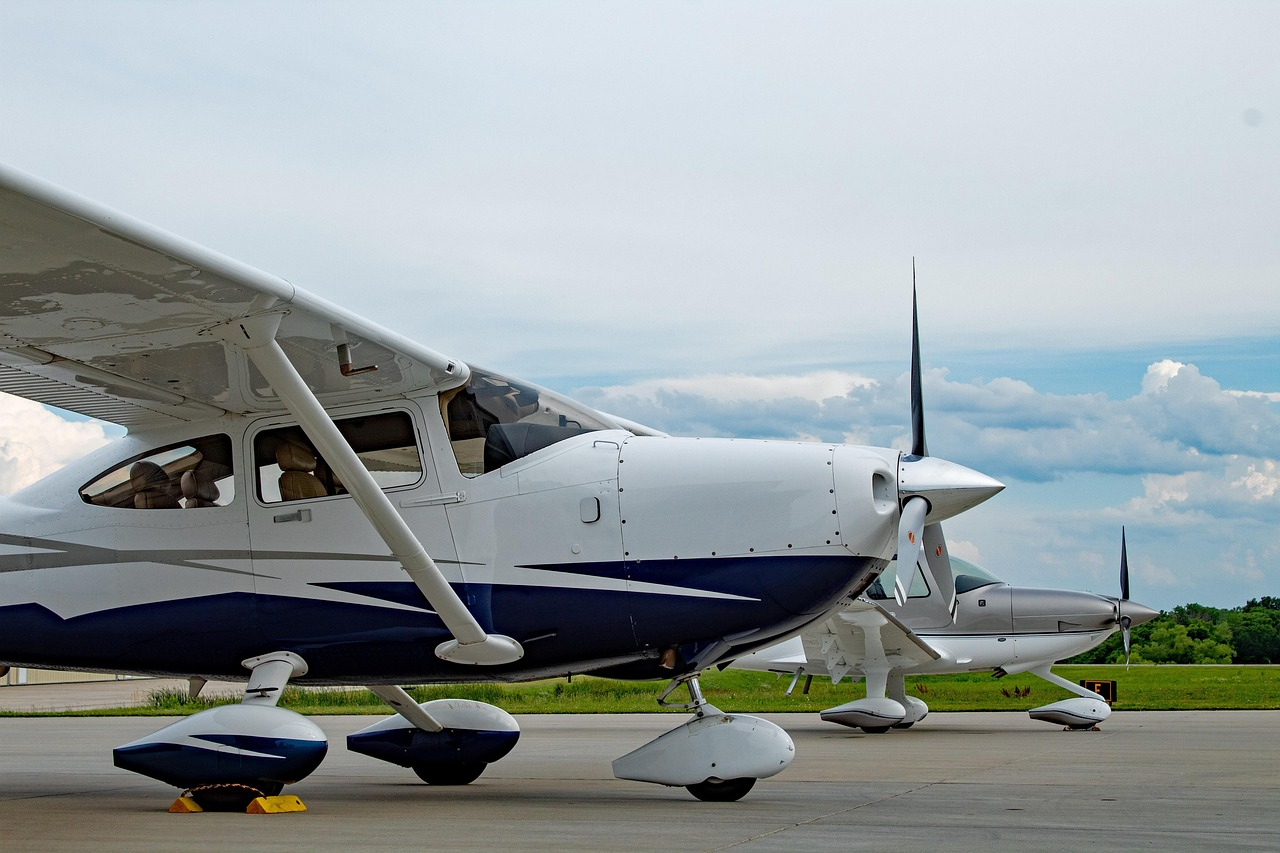
The Cessna 172 shows up almost everywhere people learn to fly. Walk onto a small airport ramp, and chances are good you will see one parked nearby. Pilots talk about different versions all the time, and that can feel confusing at first. If the name stays the same, why do the details keep changing? That simple question leads straight into What Are the Different Models of the Cessna 172, and why those differences matter when you fly, train, or buy.
Before diving into details, it helps to get a clear answer right away.
Key Takeaways
The many models of the Cessna 172 are different because of engine updates, design changes, safety rules, and new technology added over time. Each model year reflects what pilots needed and what the aviation industry required at that moment.
| Key Area | What Changed Over Time |
| Engine | Power, reliability, and fuel systems |
| Cockpit | Basic gauges to glass displays |
| Airframe | Windows, lights, and structure updates |
| Purpose | Personal flying, flight training, and schools |
| Tech | Radios, GPS, and safety upgrades |
Why the Cessna 172 Has So Many Models
The story begins in 1956, when the cessna introduced a small, friendly aircraft built for everyday pilots. This single-engine plane came from an aircraft company already known for practical designs. The goal was simple. Make flying easy and safe for regular people. That idea shaped the cessna skyhawk, also called the cessna 172 skyhawk.
Early on, cessna began with lessons learned from the cessna 170. The new design switched to a tricycle setup, meaning a nose wheel up front instead of a tailwheel. That change alone made ground handling easier for new pilots. The first early models used a continental o-300 engine, a six-cylinder powerplant that ran smoothly and fit the needs of the time.
As years passed, flying changed. Training needs grew. Rules grew too. To keep up, built by cessna updates happened often. Each update became a new version of the 172. Some changes were small, like a new rear window or landing light placement. Others were bigger, such as stronger landing gear, better engine cooling, or tweaks to the leading edge of the wing for improved low-speed handling.
Engines also evolved. Cessna moved to lycoming powerplants, including the lycoming o-320-d2j engine and later the lycoming o-320-h2ad engine. These were four-cylinder designs aimed at better reliability and easier service. Horsepower varied between 150 hp and 160 hp, which affected climb performance and cruise speed.
Market forces played a role too. Rising insurance costs and onerous product liability claims hurt many makers. Cessna even halted in 1986, when production stopped. Later, cessna resumed production, and by 172 in 1996, modern features returned. This long path explains why the evolution of the cessna 172 created so many choices. It also explains why the 172 is the most successful general aviation aircraft ever built and a truly successful aircraft in the list of aircraft in history.
What Changes Between One Cessna 172 and Another
At a glance, most 172 models look alike. Look closer, and the differences appear fast. Start with the body. The fuselage shape stayed mostly the same, but updates like a wraparound windshield improved views and comfort. Some models added a larger rear window for safety in the pattern.
Inside the cockpit, changes matter even more. Older previous models used round dials and simple radios. Later models brought an improved instrument panel, optional autopilot, and better layouts. Today, some versions feature garmin g1000 avionics, including garmin g1000, with glass screens and digital data. Backup systems like the gi 275 electronic standby add safety.
Engines define many variants. The standard 172 evolved into specific types like 172m, 172n, 172p, 172r, and 172s. For example, the 1977 model year marked changes that improved reliability. The cessna 172n and 172n models used updated powerplants, while the cessna 172r and cessna 172r later brought fuel-injected engines like the 160 hp lycoming setup. The lycoming o-320-h2ad engine designed to meet needs of the time was built with goals that shaped how it ran. The o-320-h2ad engine designed to run efficiently did well in training fleets, though service experience varied.
Handling updates mattered too. Adjustments to the flap system, stronger tricycle landing gear, and refined control feel helped student pilots manage speed and airspeed control. Lighting, electrical power, and a 28-volt electrical system supported newer radios. Some special variants even explored burning jet-a fuel, showing how flexible the design could be.
Naming also shifted. Cessna introduced a new branding path like the skyhawk ii and skyhawk sp. At times, cessna stopped marketing the aircraft under older labels. The 172 and began exclusively using the Skyhawk name in promotions. Groups like the cessna flyer association and reviews from flying magazine tracked these updates closely.
Through all of this, the airplane stayed the same at heart. It remained a trusted training aircraft, a backbone of aviation aircraft fleets, and a favorite in general aviation aircraft circles.
How Cessna 172 Models Are Named and Grouped
At first glance, the names used for Cessna 172 airplanes can feel confusing. Letters and numbers appear at the end, and pilots talk about them like everyone already knows what they mean. The good news is that the system follows a pattern. Once you see how it works, the naming makes sense and becomes easy to remember.
The story starts when the airplane was introduced in 1956. At that time, Cessna was building on lessons learned from the cessna 170. The new design moved to a nosewheel, also called a tricycle setup. This change helped pilots steer and stop with more control on the ground. From the start, the plane was built as a practical aircraft for everyday flying.
How the Letter System Began
Cessna names many airplanes by adding letters to the model number. These letters usually change with the model year. Each letter marks a set of updates. These updates may include engines, structure, or systems inside the cabin.
Here is how the grouping works at a basic level:
- The number “172” stays the same
- A letter is added to show a new group
- Each group includes several years of planes
This is why pilots talk about 172 variants instead of listing every single year. It saves time and keeps conversations simple.
Early Groups and Key Changes
Some of the first groups came quickly as Cessna refined the design. For example, the 1963 model brought changes that improved visibility and comfort. The body, called the fuselage, saw small updates that made the airplane easier to live with day to day.
As updates continued, Cessna focused on handling and control. Changes to the wing and flap system helped pilots manage speed during landing. These updates made the airplane easier to fly for students and renters.
During this time, the airplane earned its popular nickname, skyhawk. That name stuck and is still used today in marketing and pilot talk. It also helped separate this design from other planes in the same size class.
Engine-Based Grouping
Engines play a big role in how models are grouped. Early airplanes used different powerplants, but later versions settled into clearer families. Many models switched to lycoming engines, which became known for steady performance and easy support.
Here is how engine changes helped define groups:
- Some versions used 150 hp engines
- Later versions moved to 160 hp
- Power changes affected climb and cruise speed
These differences matter in daily flying. A small power increase can help on hot days or at high airports. That is why pilots often mention engine type when talking about a specific version.
Well-Known Letter Groups
Certain letter groups come up often because they were built in large numbers and used for training.
The 172m group became common at flight schools. It balanced power, cost, and simple systems. Many pilots flew their first solo in this version.
The 172p followed with refinements aimed at comfort and durability. Small updates made it better suited for long hours of use.
The 172r brought bigger changes. Fuel systems improved, and systems became more modern. This group also set the stage for later updates that focused on student pilots and schools.
Finally, the cessna 172s group represents the modern end of the family. These airplanes often include advanced avionics, optional autopilot, and updated interiors. Flight schools like them because they feel current and match what pilots see in other training fleets.
Why Some Names Feel Overlapping
Sometimes, pilots hear both “S model” and “Skyhawk” used for the same plane. That happens because naming comes from different places.
Cessna uses:
- Model numbers and letters for certification
- Marketing names for sales and branding
This is why one airplane can be called a Skyhawk and still belong to a specific letter group. Both names are correct, just used for different reasons.
Certification and Grouping Rules
Every version of the airplane must follow rules set by regulators. These rules are written into a type certificate. This document defines what the airplane is allowed to have, including structure, systems, and engines.
If a big change is made after the airplane leaves the factory, it may be approved through an stc. This allows owners to add or change equipment while staying legal. These changes do not create a new factory group, but they do affect how the airplane flies and feels.
How New Models Are Decided
Cessna does not create a new model for small changes. Instead, they group changes together. When enough updates happen, a new letter is assigned. This helps keep production organized and helps buyers understand what they are getting.
Cessna 172 planes may look similar, but each group reflects what pilots needed at the time. Training trends, costs, and rules in aviation all shape these decisions.
Why Grouping Matters to Pilots
Knowing how models are grouped helps pilots make better choices. It helps with:
- Buying decisions
- Training planning
- Maintenance expectations
For example, a pilot may prefer a simpler setup for personal flying. Another pilot may want newer systems for school use. Understanding the name tells you a lot before you even step inside.
One Airplane, Many Chapters
Through all these changes, the airplane stayed true to its role. It remained the same aircraft as the 172 that pilots trust for learning and everyday flying. Each group adds a chapter to the story without changing the heart of the design.
That is why people still talk about it decades later. The name system is not random. It is a roadmap that shows how the airplane grew, adapted, and stayed useful for generations of pilots.
Conclusion
Understanding the many versions helps you see why pilots trust this design so much. From early updates to modern glass cockpits, each change tells part of the story behind What Are the Different Models of the Cessna 172. If you want help comparing models, buying advice, or real-world insight, explore resources and listings at Flying411 to keep your learning moving forward.
Frequently Asked Questions
Is the Cessna 172 good for first-time pilots?
Yes. It is stable, easy to handle, and widely used for training in the USA.
Which Cessna 172 model is best for training?
Schools often prefer newer models with updated avionics, but older ones still work well.
Do all Cessna 172 planes have the same engine?
No. Engines vary by model, with different horsepower and fuel systems.
Are newer models safer than older ones?
Newer models add modern instruments and systems, which can improve situational awareness.
Can older Cessna 172 models be upgraded?
Yes. Many upgrades are possible through approved modifications and STCs.