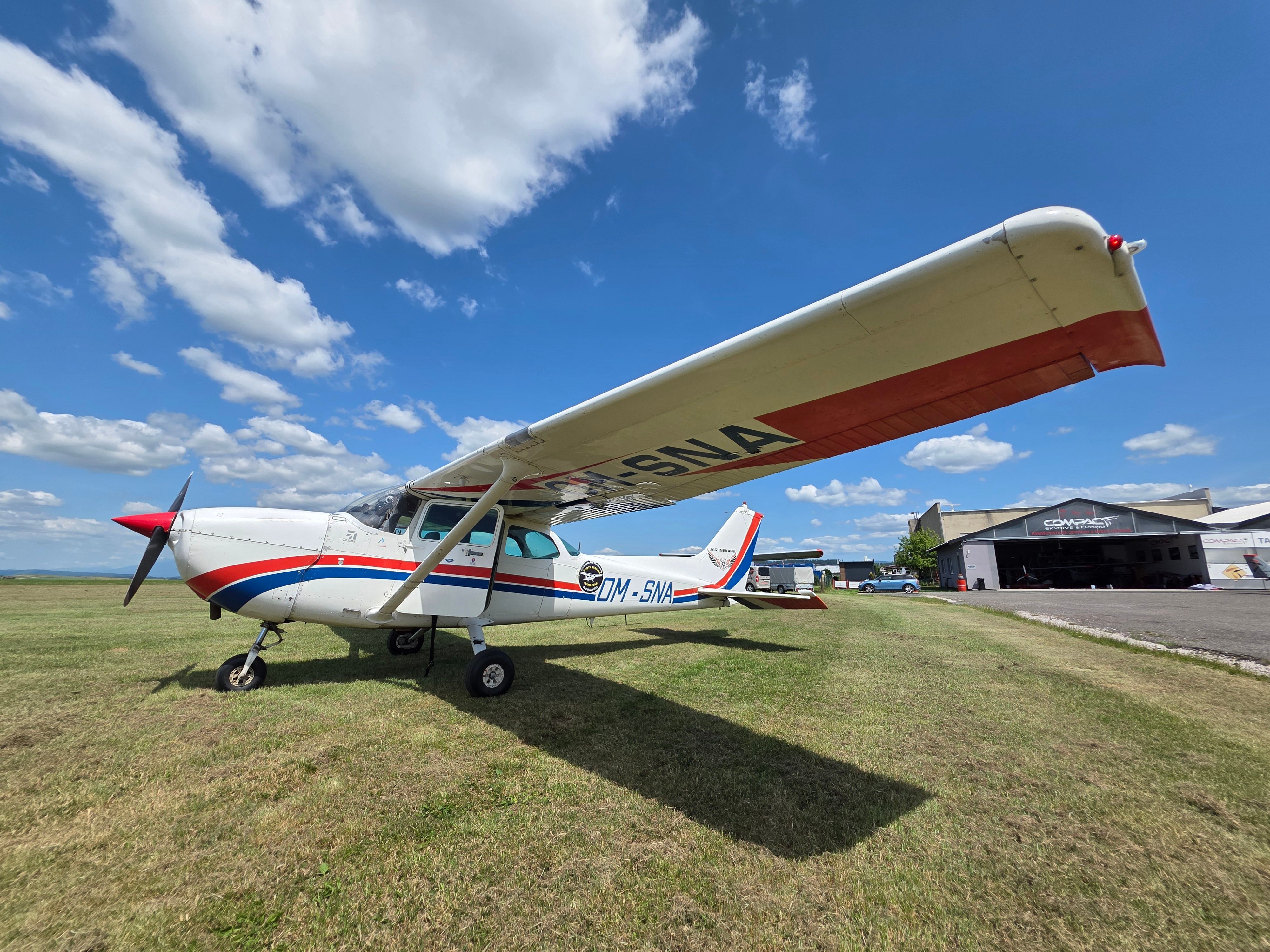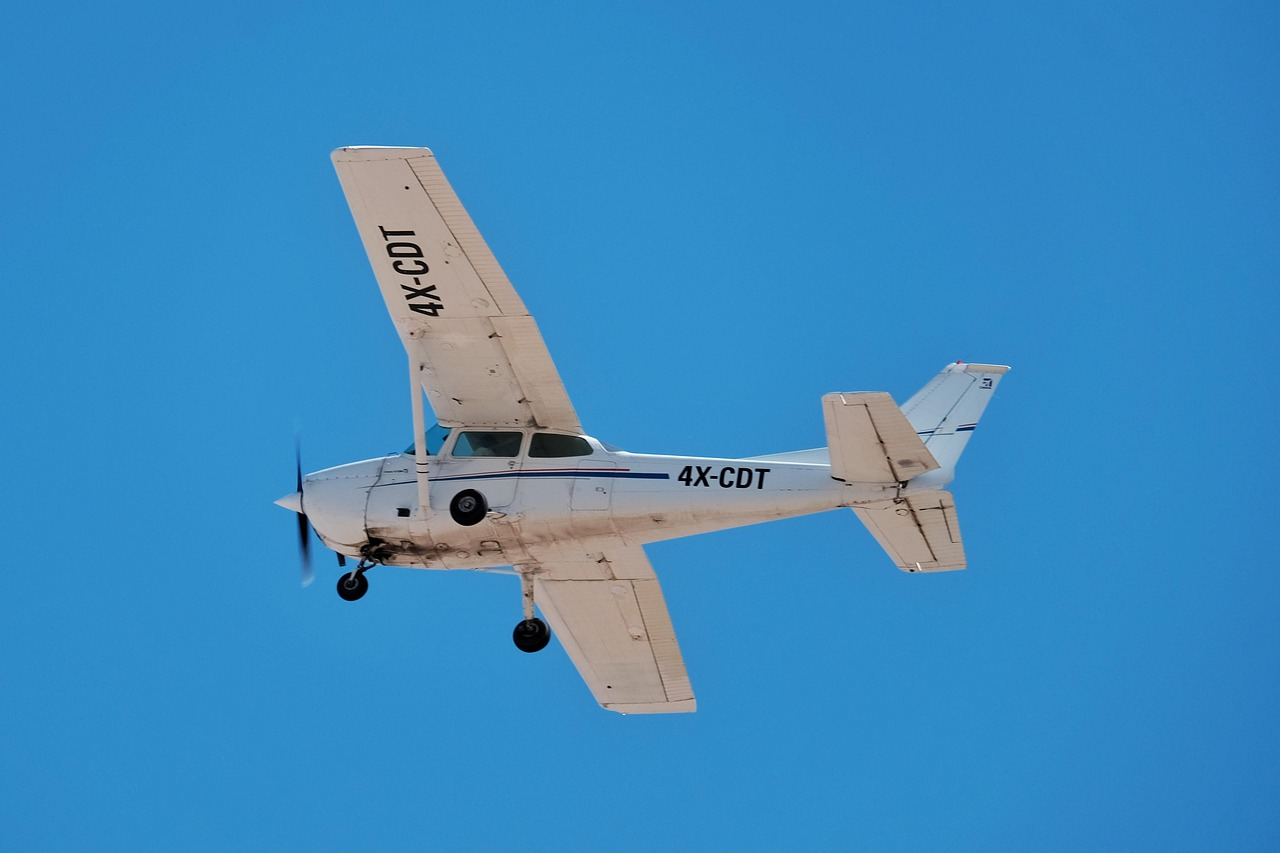
Learning to fly is exciting, but it can also feel overwhelming at first. New students want an airplane that feels calm, steady, and easy to understand. That is why many training programs across the United States start with the same familiar airplane. From the first taxi to the first solo, the experience matters. This is where Why student pilots prefer training in the Cessna 172 becomes clear as we look at how the airplane supports confidence, comfort, and steady learning from day one.
Before going deeper, here is a clear and simple answer to the big question.
Key Takeaways
Student pilots prefer this airplane because it is stable, easy to fly, safe, and widely available. It helps learners focus on skills instead of stress, which leads to better progress and safer habits.
| Key Point | Why It Matters |
| Easy handling | Helps new learners stay calm |
| Strong safety record | Builds trust during early flights |
| Clear visibility | Makes learning traffic patterns easier |
| Simple systems | Reduces confusion in the cockpit |
| Wide availability | Keeps training consistent |
What Makes The Cessna 172 A Common Training Airplane
The cessna 172 has earned its place in schools all over the country. It shows up often in flight training programs because it was designed to help people learn. The cessna 172 skyhawk gives student pilots a stable start that supports skill growth. Every pilot needs time to adjust, and this training aircraft makes that process smoother in modern aviation.
Many a flight school chooses this airplane for early pilot training because it handles landing practice well. Its flight characteristics help the airplane forgive small mistakes, which matters in a single-engine aircraft. Long-term reliability also keeps lessons on schedule. Fleets of cessna 172s stay active because of strong visibility from the cabin, which helps new pilots stay aware.
Across many 172s, the strong landing gear supports repeated practice. Updated avionics like the garmin g1000 help students transition toward advanced flying and a private pilot goal. Inside the cockpit, the layout stays clean and logical. The cessna skyhawk design keeps things simple for a single-engine platform built with modern safety features.
The tricycle setup and wide stance make ground handling predictable. As a successful aircraft, it carries a high-wing layout that improves stability. The tricycle landing gear reduces tipping risk, and a glass cockpit option supports learning newer systems. A gentle stall response and steady climb rate keep skyhawks friendly for beginners.
Its place in aviation history is well earned. The high-wing design improves downward sightlines. A slower landing speed supports smoother arrivals. All of this explains why it remains a top choice for student pilots and why the cessna 172 for flight training continues to lead. Built by cessna aircraft, it fits well in many flight training schools thanks to forgiving flight characteristics that define a true training plane.
Why Student Pilots Care About Training Aircraft Choice
Choosing the right airplane shapes how fast learning feels comfortable. Many say cessna 172 is great because it stays calm in busy airspace. It has become a popular choice and often seen as the best aircraft for beginners. Across fleets of cessna 172 skyhawks, instructors rely on consistency between 172 models.
Compared with a cessna 152, the extra space helps longer lessons. Modern garmin g1000 avionics support clear learning goals. There are 5 reasons instructors hear often from cessna 172 pilots: steady handling, comfort, safety, availability, and trust. The stable flight feel matches what aircraft like trainers should provide.
Schools value having aircraft available every day. These are strong reasons why the cessna 172 fits different training environments. A flight school’s schedule depends on dependable equipment, and this type of aircraft stays flexible as a choice for flight lessons. Many students say they prefer the cessna 172 after early hours.
Its role as a aircraft in history makes it a clear choice for flight training. As a flight training aircraft, it reflects decades of feedback from the cessna aircraft company. The cessna 172 skyhawk has become a standard because it supports student pilots learning step by step.
Many are equipped with garmin g1000, adding modern tools without complexity. The ease of operation helps schools manage a large training fleet. These airplanes help student pilots progress safely. With plenty of training aircraft available, the cessna 172 is one option that stands out for flight training due to comfort and training due to its forgiving handling.
Even a new cessna follows the same trusted feel. The 172 remains a great aircraft for daily lessons. The cessna 172 is often used for primary training, instrument training, and ppl training. Over time, cessna delivered thousands of units, proving its value as an aircraft in flight.
It offers a capacity of four people, simple systems, and simplistic flight characteristics. The skyhawk is one trainer with long life cycles and high flight hours. Its incredibly low fatality rate, including a fatality rate of 0.56, builds trust. It boasts a slow landing speed, with a landing speed and a lenient response. That speed and a lenient stall behavior make it a favorite. The high-wing design offers excellent awareness, and it is one of the ever built trainers used in programs like baa training, truly making it an ideal learning platform.
How First Flight Experiences Shape Pilot Confidence
The first time a student takes control of an airplane is a big moment. Hands feel tight on the controls. Eyes scan everything at once. Thoughts move fast. These early minutes matter because they set the tone for how learning will feel moving forward. A calm and steady first flight helps confidence grow in the right direction.
Many first lessons happen in the cessna 172, a plane known for being friendly to beginners. In flight training, early comfort helps students focus on learning steps instead of fighting nerves. The cessna 172 skyhawk often gives that calm start. When a pilot feels supported by the airplane, learning feels possible instead of stressful.
A well-designed training aircraft plays a key role here. In general aviation, trainers need to stay predictable. A steady flight school lesson builds trust. That trust supports long-term pilot training and keeps students motivated after the first day.
Why the First Minutes Matter
Confidence forms quickly. The brain remembers early wins and early struggles. A smooth taxi, a stable climb, and a controlled landing can set a positive pattern. Planes with gentle flight characteristics help students relax. When the airplane can forgive small control errors, students learn without fear.
This matters even more in a single-engine aircraft, where students are learning engine sounds, airspeed, and control feel all at once. Proven reliability helps reduce worry. Many schools rely on fleets of cessna 172s because they start and fly the same way every day.
Clear visibility also helps. When new pilots can easily see the runway and traffic, they feel more in control. Across many 172s, this clear view supports situational awareness from the first lesson onward.
Comfort Builds Trust
Confidence grows when the airplane feels solid on the ground. Strong landing gear absorbs bumps during early practice. Clear and simple avionics reduce confusion. Systems like the garmin g1000 present flight data in a clean way that students can understand step by step.
Early lessons often plant the idea of becoming a private pilot. That goal feels closer when the cockpit feels organized. The layout of the cessna skyhawk supports learning by keeping key controls easy to find. A single-engine layout also keeps systems simple.
Built-in safety features support peace of mind. The tricycle setup keeps ground handling stable. As a successful aircraft, this design has stood the test of time. The high-wing layout also adds balance during slow flight.
The tricycle landing gear reduces nose-over risk. A modern glass cockpit option helps students prepare for advanced flying. When practicing slow flight, a gentle stall response teaches control without panic. Many instructors rely on skyhawks for this reason alone.
How Design Supports Learning
Design choices matter in early lessons. Longstanding aviation history shows that trainers succeed when they feel predictable. The high-wing design keeps the airplane stable and improves downward visibility. This helps students judge height and distance during takeoff and approach.
First flights also teach emotional lessons. Students learn that mistakes are part of the process. A calm airplane reinforces that idea. When the airplane reacts smoothly, students feel encouraged to try again. That mindset builds lasting confidence.
Key design elements that support early confidence include:
- Stable handling at low speeds
- Clear sightlines during traffic patterns
- Simple controls that respond smoothly
- Consistent behavior from flight to flight
Each of these elements helps reduce mental overload. When the brain feels less pressure, learning improves.
Emotional Wins Create Momentum
Small wins matter. Holding altitude for a few seconds. Keeping wings level. Following a checklist without help. These moments add up. The airplane’s behavior during these tasks shapes how students feel about their ability.
A smooth climb-out after takeoff builds trust. Predictable turns help students relax. A steady approach teaches patience. When students feel capable early, they stay engaged and committed.
Confidence also grows when instructors can focus on teaching instead of correcting constant issues. A stable airplane gives room for clear explanations and calm feedback. This keeps lessons positive and forward-looking.
From First Flight to Future Goals
Early confidence does not mean overconfidence. It means feeling ready to learn. The goal of early training is not perfection. It is comfort with the process. A good first experience teaches students that progress comes step by step.
As lessons continue, students carry early confidence into new challenges. Radio calls feel less scary. Navigation feels manageable. Weather discussions make sense. All of this starts with that first flight.
A strong start also reduces dropout rates. Students who feel capable are more likely to finish training. They trust themselves and the process. That trust often traces back to the very first lesson.
Why This Matters Long Term
Pilot confidence affects safety. Confident pilots make clearer decisions. They ask questions. They follow procedures. Early experiences shape these habits.
Training aircraft that support calm learning environments help create safer pilots. This is why first-flight experiences receive so much attention from instructors and schools. The airplane becomes a partner in learning.
In the end, confidence grows when students feel supported. The right airplane, the right lesson pace, and the right environment all work together. When the first flight feels steady and welcoming, students believe they belong in the sky. That belief carries them through every stage of training and into a lifetime of safe flying.
Conclusion
Learning to fly should feel steady, safe, and rewarding. This airplane supports that goal from the first lesson to advanced ratings. It builds confidence through calm handling, simple systems, and proven safety. That is why Why student pilots prefer training in the Cessna 172 remains a common question with a clear answer. If you want to explore aircraft options, training paths, or market insights, visit Flying411 to keep your aviation journey moving forward.
Frequently Asked Questions
Is the Cessna 172 good for first solo flights?
Yes. Its stable handling and predictable response help students feel calm and focused during early solo flights.
Can the Cessna 172 be used for advanced ratings?
Yes. Many schools use it for instrument and private pilot training because it supports gradual skill growth.
How long has the Cessna 172 been used in training?
It has been used for decades and remains one of the most trusted training airplanes worldwide.
Does the Cessna 172 work well in busy airspace?
Yes. Good visibility and stable flight make traffic awareness easier for new pilots.
Is the Cessna 172 expensive to train in?
It is often affordable compared to similar aircraft due to wide availability and efficient operation.