Flying lessons often start with a familiar sight on the ramp. Many pilots first learn in a cessna, and that choice is not random. COMMON PROBLEMS WITH A CESSNA 172 tend to come up because the plane flies so often, not because it is unsafe. This aircraft works hard every day, and patterns start to show when a plane gets used a lot. That leads us right into why this model stays so popular and why repeated patterns appear in aviation.
Key Takeaways
The Cessna 172 is a safe and trusted airplane, but it has common problems owners and pilots should know. These include engine wear, carburetor icing, electrical issues, landing gear damage, and aging parts in older models. Most problems come from heavy use, weather exposure, or poor maintenance. When checked early, these issues are usually easy to fix and do not make the plane unsafe to fly.
| Common Problem | What It Means | Why It Happens | What to Watch For |
| Engine wear | Parts lose strength over time | High hours and age | Rough running, low power |
| Carburetor icing | Ice blocks fuel and air | Cold or humid air | Engine RPM drops |
| Electrical faults | Power loss to systems | Old wiring or weak battery | Dead radios or lights |
| Landing gear damage | Bent or worn gear | Hard landings | Uneven stance, cracks |
| Aging components | Old parts fail | Older aircraft models | Leaks, loose parts |
What Makes The Cessna 172 So Popular
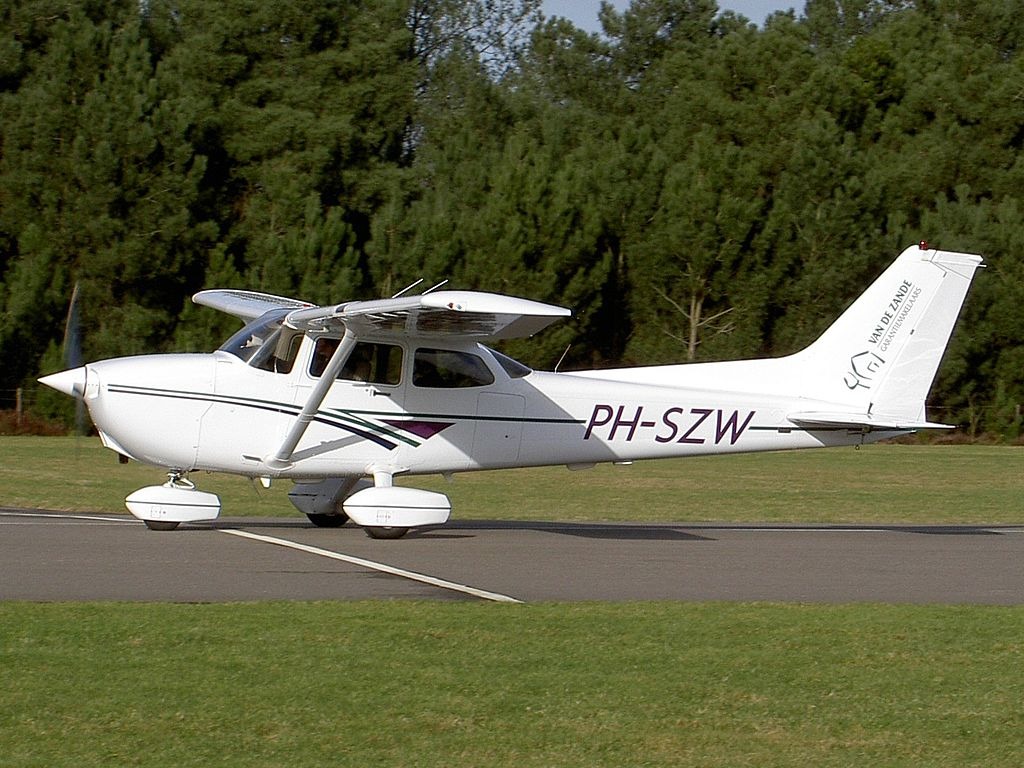
The cessna 172 has earned its place in aviation history by being easy to fly and easy to trust. Pilots often call it a simple airplane, and that is a good thing. The controls feel steady, the view from the high wing is clear, and the systems are easy to learn.
Many flight school programs choose it because students can focus on skills instead of fighting the airplane. The plane handles takeoff and landing smoothly, even when the pilot is still learning. During takeoffs and landings, the flap system helps slow the plane and keep control simple. On later models, electric flaps make operation even easier.
The skyhawk name is well known because the plane fits many roles. It works for flight training, family trips with three passengers, and time building for a future airline pilot. With a solid useful load, steady climb performance, and fair fuel burn, it fits into private aviation without stress. Many models average low gph, which helps owners plan trips.
Under the cowling, engines like the lycoming and o-300 have long service lives. Some pilots track engine time closely, often seeing numbers like 400 hours between inspections during heavy instructional flying. Variants such as the 172m and 172p improved comfort and power, including the popular 180hp option. These later models also improved systems and avionics, including glass panels like the g1000.
Groups like aopa and the faa often point to the safe plane design and low accident rate compared to other aircraft types such as piper, beech, cub, or even a 182. This makes the cessna 172’s reputation well earned. Many pilots say it is an excellent aircraft and simply fun to fly.
Why Every Airplane Has Repeat Issues
All planes develop patterns over time. This happens because 172s fly a lot. High use means parts wear in similar ways. That leads to familiar common issues across fleets.
Training environments matter. Student pilots practice short field work, go-arounds, and frequent hard landings. These actions stress the landing gear, including the nose gear and main gear. The firewall and push rod systems can also feel that stress. The parts of the airframe near the nose gear see repeated loads during training.
Many 172 accidents that occurred happened during a critical phase of flight, often near the ground. Accidents occur during landing, takeoff, or in adverse weather. Issues like fuel exhaustion or fuel starvation still show up, even with clear procedures. These are not design flaws. They are human errors seen across cessnas, not only the c-172 or c172.
Control surfaces like the aileron and rudder need regular checks for airworthiness. Wingtips and wingtips can get scraped during ground handling. The retract idea does not apply here, but fixed gear helps keep costs low and supports a strong safety record.
Powerplants also show trends. Engine issues such as cylinder wear or rare engine failure events are tracked closely. Both lycoming engines and older designs perform well when maintained. Tracking fuel burn and planning helps pilots avoid mistakes while flying safely.
Statistics show low accidents per flight hour when compared across fleets. Even when 172 accidents that occurred are reviewed, the data supports strong 172 safety. The accident rate stays low because the design forgives errors and teaches good habits to every private pilot who flies it.
Most Common Problems Found In A Cessna 172
The skyhawk has a long history of safe flying, but every working plane shows patterns over time. The issues seen in cessna 172s usually come from heavy use, repeated training flights, and simple wear. These problems are well known, well studied, and easy to manage when pilots and owners pay attention.
Below are the most common areas pilots talk about, explained in a clear and practical way.
Wear From Training Use
Many 172s spend most of their life in a flight school or flying school environment. That means short flights, constant practice, and many different hands on the controls.
This type of flying puts stress on:
- The airframe, due to repeated cycles
- Control linkages that move every flight
- Systems used on every approach
A student may practice ten takeoffs and landings in one session. That adds up fast. The airplane itself handles this well, but parts wear evenly across fleets.
Compared to a piper or other trainers, the design holds up well, but time still leaves marks.
Landing Gear and Ground Handling Issues
One of the most talked-about areas is the landing gear. Training flights involve lots of touch-and-go practice, which means frequent contact with the runway.
Common wear points include:
- The nose gear, which absorbs forward loads
- Bushings and mounts under repeated stress
- Alignment after firm touchdowns
A rough landing can stress components, especially when students are still learning timing and control. These are not failures. They are signs of use. Inspections usually catch them early.
Flap and Control System Wear
The flap system works hard during training. Pilots extend and retract it many times per flight. Over time, motors, tracks, and switches can wear.
Control surfaces also show patterns:
- The rudder sees heavy use during crosswind practice
- Linkages need adjustment as cables stretch
- Rigging checks keep handling smooth
These items are simple to inspect and repair. That simplicity is one reason this aeroplane remains popular.
Avionics and Electrical Strain
Modern panels bring comfort but also added complexity. Glass displays and radios fall under avionics, and they do not like constant power cycling.
Common complaints include:
- Screen resets after engine start
- Loose connectors from vibration
- Button wear from daily use
Even basic panels need care. Schools that fly day and night see more issues. This shows up often in high-use cessna 172s.
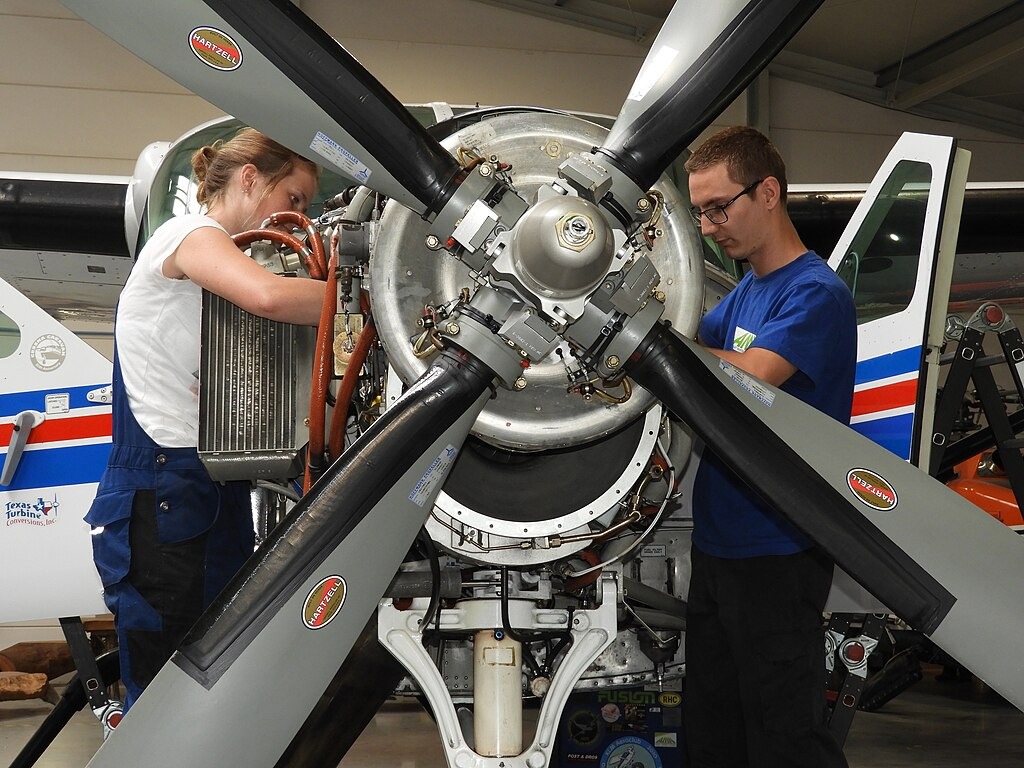
Engine and Propeller Considerations
The engine is reliable, but training use is demanding. Short flights mean more starts, more heat cycles, and more idle time.
Things pilots watch closely:
- Oil consumption trends
- Power changes during climb
- Propeller wear, especially on a pitch prop
None of these are surprises. Maintenance teams track them carefully, and problems rarely appear without warning.
Nose-Over Awareness and Handling
Training flights teach strong habits, but mistakes happen close to the ground. Poor braking or control inputs can stress the nose gear.
This usually occurs during:
- Fast taxi speeds
- Short runway operations
- Improper braking technique
Good instruction and smooth handling prevent most issues.
IFR Use and Equipment Load
Some trainers fly in ifr conditions for advanced training. This adds workload to systems that were designed to be simple.
Extra load can affect:
- Electrical components
- Cooling during slow flight
- Panel reliability over time
Still, the platform handles this role well when maintained properly.
Comparing Across Aircraft Types
When pilots compare a c172 to other trainers, the pattern stays the same. Planes that fly more show more wear. The difference is how easy that wear is to manage.
The design spreads loads evenly and keeps repairs straightforward. That is why this model remains trusted across the country.
Why These Problems Are Not Red Flags
These issues do not point to poor design. They point to popularity. A plane that flies every day will show patterns faster than one that sits in a hangar.
For students and renters, this means:
- Predictable handling
- Known maintenance schedules
- A stable platform for learning
That reliability keeps pilots confident from first solo to advanced ratings.
The most common problems seen in this model are expected, manageable, and well understood. Regular checks, good training habits, and smooth control inputs go a long way.
When pilots treat the plane with care, it returns the favor. That simple balance is why it remains a favorite across the country.
Conclusion
Pilots talk about problems because they care about safety and learning. COMMON PROBLEMS WITH A CESSNA 172 usually come from heavy training use, not weak design. This plane keeps proving itself as a steady teacher and trusted traveler. If you want deeper insights, ownership tips, and market guidance, explore resources from Flying411 to keep flying smart and confident.
Frequently Asked Questions
Is the Cessna 172 safe for new pilots?
Yes. Its forgiving handling and stable design make it one of the safest trainers for beginners.
Do Cessna 172s have many mechanical problems?
No. Most issues come from wear due to frequent use, not poor engineering.
Why do flight schools use the 172 so often?
It is easy to fly, affordable to maintain, and teaches strong pilot habits.
Can a Cessna 172 fly in bad weather?
It can handle light weather, but pilots must respect limits and avoid severe conditions.
Is the Cessna 172 good for long trips?
Yes. With planning and fuel management, it works well for short to medium trips.