Walk onto almost any small airport in the United States and you will likely see the same friendly shape tied down on the ramp. The CESSNA 172 CHARACTERISTICS AND SPECIFICATIONS help explain why this airplane shows up again and again. It is simple to fly, easy to understand, and trusted by many people. From first flights to family trips, this model earned its place by doing everyday flying well. Before we look at numbers and details, it helps to understand why so many pilots ask the same questions about it and why those questions matter.
Key Takeaways
The Cessna 172 is a small, reliable airplane used all over the world for learning to fly and for short trips. It is easy to control, stable in the air, and built for safety. The plane usually seats four people, flies at about 120 miles per hour, and can stay in the air for several hours. Because it is simple to fly and maintain, it is one of the most popular airplanes ever made.
| Feature | Details |
| Aircraft Type | Single-engine, four-seat airplane |
| Primary Use | Flight training and personal travel |
| Cruising Speed | About 120 mph (105 knots) |
| Range | Around 600–800 miles |
| Engine | One piston engine |
| Safety & Handling | Very stable and easy to control |
| Popularity | One of the most widely used planes in history |
WHAT PEOPLE USUALLY WANT TO KNOW ABOUT THE CESSNA 172
Many questions about this airplane come up again and again. People want clear facts they can trust. The cessna 172 skyhawk is known as a friendly airplane, but buyers and learners still want details.
First, people ask what kind of aircraft it is. This is a single-engine fixed-wing general aviation airplane made for simple flying tasks. It fits well in general aviation and the wider aviation world. The design focuses on ease of use, not speed or tricks.
Next, they ask about power. Early models used a continental six-cylinder engine like the continental o-300-a and o-300-c. These engines are air-cooled engine designs known for steady output. Power ratings changed over time, including 145 hp, 160 hp, 175 hp, and 195 hp options, along with 108 kw listings in some documents. Modern versions often use Lycoming engines such as the lycoming o-320-h2ad. Each variant keeps the same basic goal—smooth and predictable thrust through a fixed propeller.
People also ask about weight and size. Typical gross weight limits reach about 998 kg, which works well for daily flying. The cabin offers good visibility through large side windows, a rear window, and a wraparound windshield. Inside the cockpit, controls are spaced clearly so a student pilot can focus on learning.
Another common question involves equipment. Older panels used basic radios, while newer models may include avionics like the garmin g1000 or garmin g1000 avionics with nxi upgrades. This glass cockpit setup improves situational awareness and may include an autopilot. Many pilots like the balance between simple gauges and modern integrated cockpit avionics.
Finally, people ask about safety and use. The plane has gentle stall behavior, strong landing manners, and a solid record with the faa. These traits support aviation safety, long endurance, and steady reliability. That is why many call it one of the safest choices for learning and ownership.
WHY THE CESSNA 172 IS ONE OF THE MOST FLOWN AIRPLANES
The reason this model flies so often comes down to history and trust. The cessna skyhawk line began in 1955, with first production following soon after. By 1956, it was already gaining attention. The 172 was the first of its kind to blend comfort and ease so well. Over time, it became one of the most successful aircraft in history.
Training plays a big role. Schools rely on it as a training aircraft and trainer because it handles mistakes kindly. Many pilots earn a certificate in it during flight training and pilot training. It is often listed as an aircraft for flight training and a true flight training aircraft. This steady use builds experience across huge fleet numbers and millions of flight hours.
Ownership also matters. Many aircraft owners choose it for personal use after training. A used cessna 172 offers good value, while buyers looking for a new aircraft still see the same core design. Models like the cessna 172n, 172r, cessna 172s, and 172s keep updates small and useful. Military versions such as the t-41 mescalero, plus builds from reims and the cessna aircraft company, show how flexible the design is. You may also see names like f172, c172, 172 aircraft, or even skyhawks used by owners and shops.
Another reason is support. The plane is backed by textron and textron aviation, with parts and service easy to find. The structure is strong, with thousands of aircraft built and a long record in the aviation aircraft category. Simple systems reduce the need for complex modification, and there are no retractable gear systems to manage.
In daily flying, it does what people need. It cruises comfortably near sea level, carries people and bags with ease, and fits well into the aviation community as a best aircraft choice for learning and light travel. This mix of trust, use, and history explains why it keeps flying year after year.
KEY CESSNA 172 CHARACTERISTICS AND SPECIFICATIONS
This section breaks the airplane down into clear parts. Each part explains how the design supports safe, steady flying. The goal is simple. Help readers see why this model works so well for learning and everyday use.
Airframe And Basic Design
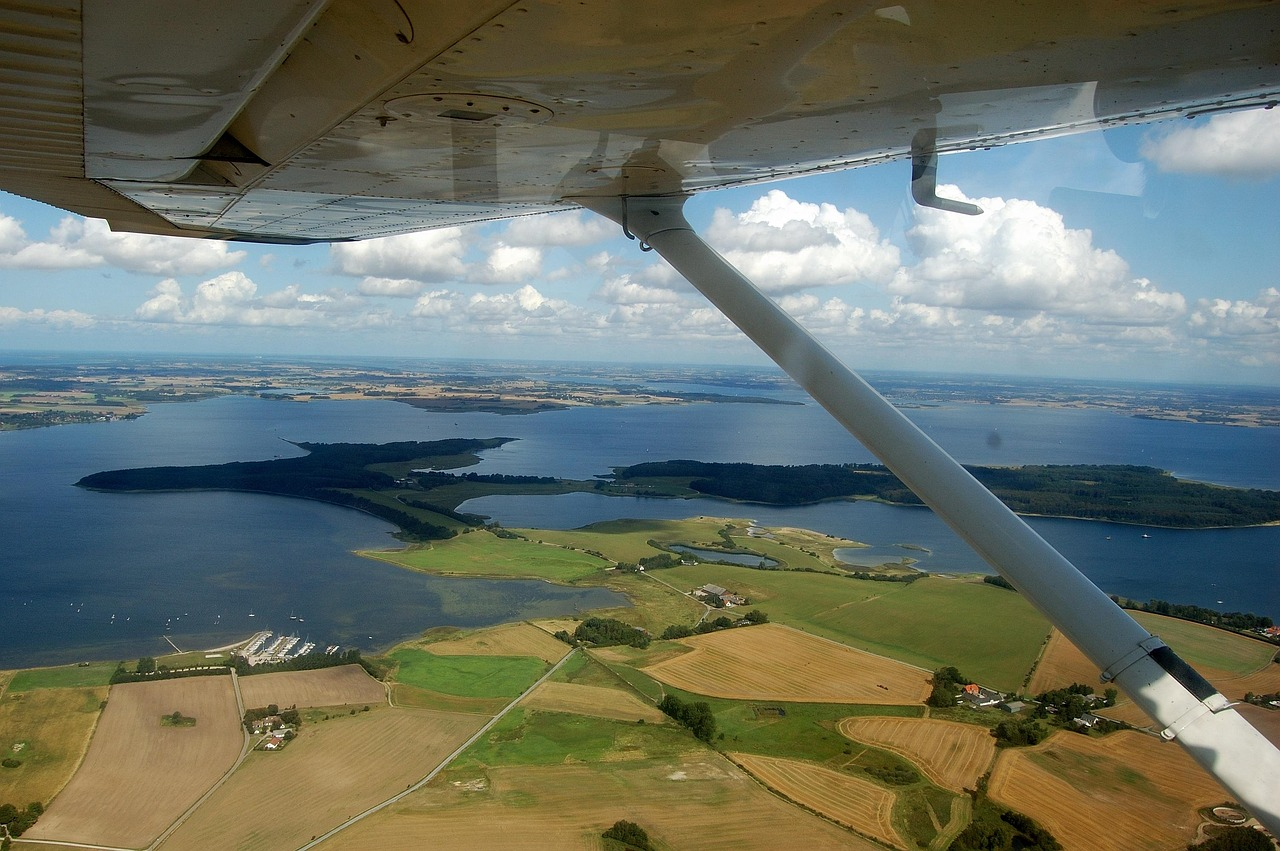
The cessna 172 skyhawk uses a high-wing layout. This puts the wing above the cabin. That choice improves visibility for people inside. It also helps with stable handling during slow flight. Many pilots like how the wing placement makes ground checks easier before flight.
This aircraft first entered service in 1956. From the start, the cessna skyhawk focused on calm control and clear feedback. Over time, the shape stayed familiar. Small updates improved comfort and strength without changing the feel. Today, the airframe remains a favorite in a large fleet across the country.
Key design points include:
- Fixed landing gear for simple upkeep
- Strong cabin structure for long service life
- Wide doors for easy entry and exit
These choices help schools and owners keep planes flying often with fewer delays.
Engine, Power, And Propulsion
The Cessna 172 uses a single-engine setup with a piston powerplant. Many versions use a continental engine rated around 145 hp in early models. This level of power supports steady climbs and smooth cruise speeds. It also keeps fuel use easy to manage.
A fixed propeller sits at the nose. This design reduces workload. There are fewer steps to manage during takeoff and climb. New learners find this helpful as they focus on basic control.
Power performance highlights:
- Reliable starts in varied weather
- Consistent output near sea level
- Long endurance for training flights
These traits support long lessons without frequent refueling.
Weight, Balance, And Performance
Weight limits guide safe operation. The airplane’s gross weight allows room for people, fuel, and bags. Staying within limits keeps handling predictable. This matters during climbs, turns, and approach.
The airplane shows gentle stall behavior. When speed drops too low, the nose lowers in a clear way. This gives time to react. That feature supports learning and builds confidence.
Performance traits that stand out:
- Smooth takeoff rolls
- Stable cruise at training speeds
- Forgiving response during landing
These traits help explain why the 172s series remains active in schools and clubs.
Cockpit Layout And Instruments
Inside, the cockpit keeps things simple. Controls sit where hands expect them to be. Labels are clear. Sightlines are open. This helps a student pilot learn flows quickly.
Many newer models include modern avionics. The garmin g1000 system replaces older dials with screens. This glass cockpit shows speed, altitude, and navigation in one place. Some setups also include an autopilot to help manage straight and level flight during lessons.
Cockpit features often include:
- Clear primary flight display
- Simple engine monitoring
- Easy access to checklists and the handbook
These features reduce confusion and help focus on flying skills.
Training Role And Certification Path
This airplane plays a big role in learning to fly. It is widely used for flight training because it responds smoothly to control input. Schools trust it as a training aircraft and a steady trainer.
Many pilots earn a certificate in this model. Instructors value how it shows mistakes clearly without harsh reactions. That makes lessons productive and calm. Pilot training often starts here and builds strong habits.
Reasons it fits learning well:
- Predictable control feel
- Strong safety record with the faa
- Ideal for solo and dual lessons
That is why it remains a popular training choice across the USA.
Ownership, Support, And Safety
Support matters after purchase. The airplane benefits from backing by textron and textron aviation. Parts and service networks are wide. Manuals and updates are easy to find. This helps owners keep planes airworthy with less downtime.
Safety also comes from familiarity. Many pilot groups know this model well. Shared knowledge helps solve problems fast. That shared experience supports confidence during daily operations.
Ownership benefits include:
- Broad maintenance knowledge
- Easy access to training resources
- Proven record in pilot training environments
These factors explain why cessna 172s models remain active year after year.
Why These Specifications Matter
Each specification ties back to use. Stable handling helps new learners. Clear instruments help quick understanding. Strong support keeps planes flying.
This is why so many schools keep the cessna 172 skyhawk on the schedule. It fits lessons, practice flights, and short trips. It supports growth from first taxi to solo flight and beyond.
When you look at the numbers and features together, a clear picture forms. The design choices support safety, learning, and steady use. That balance keeps this airplane relevant today.
CONCLUSION
The long story behind the CESSNA 172 CHARACTERISTICS AND SPECIFICATIONS shows why this airplane keeps its place on ramps and in logbooks. It combines simple systems, steady performance, and a record that speaks for itself. For learning, owning, or just enjoying flight, it remains a smart and friendly choice. If you want help finding options or learning more, explore resources at Flying411 and take the next step with confidence.
FREQUENTLY ASKED QUESTIONS
Is the Cessna 172 good for short runways?
Yes. It has strong low-speed control and predictable takeoff and landing behavior, which helps on shorter fields when flown within limits.
How many people can it carry comfortably?
Most versions seat four people, though fuel and baggage limits often make it best for two adults plus light cargo.
What fuel does the Cessna 172 use?
Most models use aviation gasoline, commonly called avgas, depending on the engine installed.
Can beginners handle this airplane?
Yes. The controls are smooth and forgiving, which helps new pilots learn safely and build confidence.
How long can it stay in the air?
Endurance depends on fuel load and power setting, but many flights last several hours with proper planning.