If you have ever searched for a used Cessna and found yourself staring at a listing for a 175, you may have wondered whether it is basically the same as the beloved 172. They look nearly identical from the outside. They share the same airframe. But once you dig into the details, these two aircraft are very different animals.
The Cessna 175 vs 172 debate is one that comes up often in the general aviation community, especially among buyers hunting for affordable, simple, four-seat aircraft. Both planes have loyal fans. Both have real strengths. And both come with quirks that every potential owner should understand before signing any paperwork.
This article breaks down everything you need to know about the differences between these two Cessna classics, from engines and performance to parts availability, maintenance costs, and who each plane is really built for.
Key Takeaway
The Cessna 172 and Cessna 175 share the same basic airframe but differ significantly in engine, performance, parts availability, and long-term ownership cost. The 172 is the more practical and widely supported choice for most pilots, while the 175 offers a slight performance edge that appeals to a specific group of enthusiasts willing to take on extra maintenance complexity.
| Factor | Cessna 172 | Cessna 175 |
| Engine | Lycoming O-320 or O-360 | Continental GO-300 (geared) |
| Cruise Speed | ~122 knots | ~128 knots |
| Parts Availability | Excellent | Limited |
| Maintenance Complexity | Low | Moderate to High |
| Purchase Price (used) | Higher demand, widely available | Often lower due to niche status |
| Best For | Training, general flying, ownership | Enthusiasts, specific mission use |
| Production Years | 1956 to present | 1958 to 1962 |
If you are researching Cessna ownership or looking for your next aircraft, Flying411 is a great resource to explore listings, guides, and expert advice tailored to general aviation buyers.
A Brief Look at Both Aircraft
To understand the differences, it helps to know where each plane came from.
The Cessna 172: America's Trainer
The Cessna 172 Skyhawk is one of the most produced aircraft in history. Cessna introduced it in 1956, and production has continued across multiple generations with only a few gaps. It has trained countless pilots and remains the go-to choice for flight schools across the United States.
The 172 was built around simplicity. Cessna designed it to be easy to fly, easy to maintain, and easy to own. That philosophy stuck. Today, finding parts, mechanics, and service manuals for a 172 is as simple as it gets in general aviation.
Fun Fact: The Cessna 172 is widely considered one of the most successful aircraft designs in aviation history, with production spanning multiple decades and well over 40,000 units believed to have been built across all variants.
The Cessna 175 Skylark: The Short-Lived Sibling
The Cessna 175 rolled out in 1958, just two years after the 172. Cessna marketed it as a step up from the 172, offering more performance from a geared engine. The idea was to give pilots a little extra speed and climb without jumping to a heavier airframe.
Production of the 175 ended in 1962. Cessna built only around 2,100 of them across four model years. That short run is a big part of why the 175 sits in a different category today when it comes to parts and support.
Good to Know: The "Skylark" name was briefly used for the 175, distinguishing it from the 172 "Skyhawk" in Cessna's lineup. Many listings today simply call it the "175" without the Skylark name.
The Engine: The Biggest Difference Between the Two
This is where the 172 and 175 really part ways. Everything else is cosmetic compared to this.
Cessna 172 Engine: Simple and Proven
Most Cessna 172s built before the mid-1980s used a Lycoming O-320, producing around 150 horsepower. Later models moved to the Lycoming O-360, pushing that up to 160 horsepower. Both are direct-drive, air-cooled engines known for their reliability and low maintenance needs.
Lycoming engines are found in thousands of light aircraft. Mechanics know them well. Parts are everywhere. Overhaul shops are plentiful. When your O-320 reaches TBO (time between overhaul), you have many options at competitive prices.
Cessna 175 Engine: Clever, but Complicated
The 175 used the Continental GO-300, a geared engine producing around 175 horsepower. The "G" stands for geared, which means the engine uses a gear reduction system to spin the propeller slower than the crankshaft turns. This allowed Continental to run the engine at higher RPMs while keeping prop tip speeds in check.
The result was more power in a compact package. But the geared design added complexity. The GO-300 requires more careful operation, has a lower TBO than comparable direct-drive engines, and demands mechanics who know its quirks.
Heads Up: Finding a qualified mechanic with GO-300 experience can be challenging in some areas of the country. Before buying a 175, confirm that a knowledgeable shop is within reasonable distance of where you plan to base the aircraft.
Parts for the GO-300 are harder to source than parts for Lycoming engines. Some components are no longer manufactured new and must be found on the used market. This raises both the cost and the uncertainty of major maintenance events.
Performance Comparison: How Do They Fly?
On paper, the 175 has a slight edge. In practice, the difference is real but modest.
Cruise Speed
The Cessna 175 typically cruises around 128 knots in normal conditions. The Cessna 172 comes in around 120 to 122 knots depending on the specific model and engine configuration. That is roughly a 6 to 8 knot advantage for the 175.
Over a typical 200-nautical-mile trip, that difference amounts to only a few minutes. For most pilots, the practical impact is minimal.
Climb Rate
The 175's geared engine gives it a noticeable advantage in climb performance. Pilots who fly out of higher-elevation airports or frequently operate in hot conditions may appreciate this extra climb capability.
Useful Load
Both aircraft carry four occupants and reasonable fuel loads. The 175's useful load is comparable to the 172, though the specific numbers vary by year and configuration. Always check the weight and balance document for any specific aircraft before assuming it fits your mission.
Pro Tip: When comparing useful load between any two aircraft, look at the actual POH (Pilot's Operating Handbook) for the specific airframe, not just the model average. Avionics upgrades, modifications, and repairs all affect actual empty weight.
Fuel Burn
The 175 burns fuel at a slightly higher rate than the 172 due to its higher power output. Expect fuel burn in the range of 9 to 10 gallons per hour for the 175, compared to around 8 to 9 gallons per hour for the 172 at cruise. Over a full year of flying, that extra gallon per hour adds up.
Airframe: Almost Identical
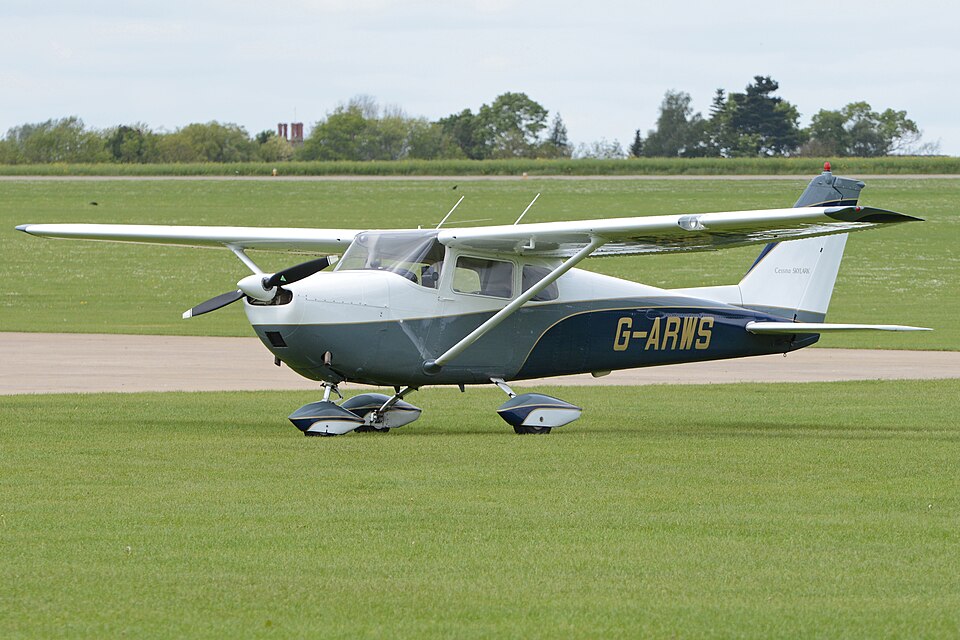
Visually, the 172 and 175 are nearly impossible to tell apart without reading the data plate. They share the same basic fuselage design, wing structure, and overall dimensions. Both aircraft sit in the same performance envelope when it comes to load limits and structural design.
This similarity is actually one of the arguments some buyers make for the 175. If you are familiar with flying or working on a 172, most of that knowledge transfers directly to the 175.
Why It Matters: Shared airframe parts mean that structural components like wing spars, control surfaces, and landing gear parts are generally interchangeable between the 172 and 175. This reduces the parts challenge somewhat, though engine and engine-related parts remain 175-specific.
Key Differences Between the Cessna 172 and Cessna 175
Here is where we lay out the full comparison in one place. These are the factors that matter most when choosing between these two aircraft.
1. Engine Reliability and Longevity
The Lycoming engines in the 172 have a well-documented track record of reliability. The GO-300 in the 175 can be equally reliable when maintained correctly, but it requires more attention and expertise. For a first-time aircraft owner, the 172's engine ecosystem is significantly more forgiving.
2. Parts Availability
This is arguably the most practical difference between the two aircraft for everyday ownership. Lycoming parts for the 172 are widely stocked, often available from multiple suppliers at competitive prices. GO-300 parts are more limited. Some items require waiting for used parts to appear on the market, which can ground an aircraft for longer periods.
If you are considering a Cessna 172, this Cessna 172 buyer's guide walks through what to look for in any used example.
3. Maintenance Cost
Annual inspection costs for both aircraft are broadly similar since the airframes are nearly identical. Where they diverge is in engine maintenance. The GO-300 overhaul can be more expensive than an O-320 or O-360 overhaul due to the geared components and lower supply of qualified shops. Budget accordingly if you are leaning toward the 175.
4. Purchase Price
The 175 often sells for less than a comparable 172, primarily because fewer buyers know about it and the market is smaller. For a buyer who understands the GO-300 engine and has a good mechanic nearby, this lower entry price can represent real value.
Keep in Mind: A lower purchase price on a 175 can be offset by higher long-term maintenance costs, especially if the engine needs work soon after purchase. Always get a pre-purchase inspection before buying any used aircraft.
5. Resale Value
The Cessna 172 has consistently strong resale value because of its broad appeal and the depth of the buyer market. The 175 has a smaller pool of potential buyers, which can make it harder to sell and may limit price appreciation over time.
6. Training and Support Resources
The 172 is covered by an enormous library of training materials, service manuals, forums, and community knowledge. If you run into a problem, chances are someone has dealt with it before and written about it. The 175 has a smaller but dedicated community. Resources exist, but you may need to look harder to find them.
For a detailed look at how the 172 performs as a trainer and what makes it so popular in flight schools, this article on why student pilots prefer training in the Cessna 172 covers the subject well.
7. Availability on the Used Market
Finding a used Cessna 172 is easy. Listings appear constantly across all major aviation marketplaces. Finding a used Cessna 175 takes more patience. With only around 2,100 built, good examples are out there but require more searching.
8. Operating Flexibility
The 172 is certified for flight training, rental, and many commercial operations. The 175 is perfectly legal to fly for personal use, but its limited production run means it is less commonly seen in training fleets or rental lineups. If you ever want to share costs through a flying club or informal rental arrangement, the 172 is the easier aircraft to work with.
Fun Fact: Some aviation enthusiasts specifically seek out the 175 because of its relative rarity, treating it almost like a collectible within the general aviation community.
9. Avionics and Modification Support
Both aircraft can accept modern avionics upgrades. The 172 has more pre-approved STCs (Supplemental Type Certificates) available for common modifications, which simplifies the upgrade process. For the 175, modifications are possible but may require more research to confirm what is and is not approved.
Who Should Buy a Cessna 172?
The 172 makes sense for a wide range of buyers. If any of these describe you, the 172 is probably the right choice.
- You are buying your first aircraft and want the most supportive ownership experience possible.
- You plan to train in the aircraft or want it to be easy for other pilots to fly.
- Parts availability and low maintenance surprises are a priority.
- You want strong resale value when the time comes to sell.
- You fly regularly and need reliable dispatch with minimal downtime.
The Cessna 172's characteristics and specifications break down exactly what you get from each version of the aircraft.
Who Should Buy a Cessna 175?
The 175 is not a bad aircraft. It is a different aircraft, and the right buyer will appreciate what it offers.
- You already own or have experience working on GO-300 engines.
- You have a trusted mechanic with geared-engine experience nearby.
- You want a slight performance edge at a lower entry price and understand the tradeoffs.
- You enjoy owning something a bit unusual and are prepared for the extra effort that comes with rarer parts.
- You have done a thorough pre-purchase inspection and confirmed the engine is in solid condition.
Pro Tip: If you are seriously considering a 175, join an online community of 175 owners before you buy. They are often generous with knowledge about where to find parts, which shops have GO-300 experience, and what to watch out for in specific airframes.
At Flying411, you can browse aircraft listings and connect with resources that help you evaluate both the 172 and the 175 before making a commitment.
How the 172 Compares to Other Aircraft
The 172 sits at the center of a whole family of Cessna comparisons that matter to buyers.
If you are deciding between the 172 and its bigger sibling, this breakdown of the Cessna 172 vs 182 vs 206 covers how the step-up models compare in performance and cost.
For buyers looking at competing designs outside the Cessna family, the comparison between the Cessna 172 vs Piper Warrior and Cessna 172 vs Diamond DA40 are worth reading before making a final decision.
There is also a useful comparison covering the Cessna 172 vs Cessna 150 and 152 for buyers who are considering stepping down in size or cost.
Common Issues to Watch in Both Aircraft
Neither the 172 nor the 175 is immune to maintenance issues. Knowing what to watch for helps you buy smart and budget accurately.
Common Cessna 172 Issues
The 172's most frequently reported concerns include aging fuel systems in older models, corrosion in the wing structure of aircraft stored outdoors in humid climates, and normal wear items like brake pads, tires, and engine mounts. For a detailed list, this article on common problems with a Cessna 172 is a useful pre-purchase resource.
Common Cessna 175 Issues
The 175 shares the 172's airframe concerns, but adds engine-specific watch items. The GO-300's gearing components should be inspected carefully during any pre-purchase evaluation. Look for records of regular oil analysis, consistent maintenance at qualified shops, and documentation of any past engine work. An engine that has not been maintained by someone familiar with geared Continental engines is a risk worth taking seriously.
Good to Know: Oil analysis is one of the most cost-effective ways to evaluate the health of a used aircraft engine before purchase. A series of previous oil analysis reports showing consistent, clean results is a strong positive signal.
Flying in Challenging Conditions
Both aircraft handle everyday flying conditions well. The 175's slight climb advantage can be helpful at high-elevation airports or in warm temperatures, where aircraft performance generally decreases.
For anyone considering year-round flying in colder climates, this guide on flying a Cessna in winter covers cold-weather operations in more detail.
The Best Cessna for a Private Pilot
If you are a private pilot trying to figure out which Cessna makes the most sense as your personal aircraft, the answer depends on your flying habits, budget, and how much complexity you are comfortable managing. The 172 wins on practicality for most buyers. But if you know what you are getting into with the 175 and have the right support structure in place, it can be a rewarding and slightly more capable option at a lower purchase price.
For a broader look at how different Cessna models stack up, this article on what is the best Cessna for a private pilot covers more of the lineup.
Ready to find your next aircraft? Flying411 offers listings, guides, and expert resources to help you make a confident buying decision.
Conclusion
The Cessna 175 vs 172 comparison comes down to one core question: are you willing to take on the added complexity of a geared engine in exchange for modest performance gains and a potentially lower purchase price?
For most buyers, the answer is no. The Cessna 172 is better supported, more available, easier to maintain, and easier to sell when the time comes. It is the aircraft that has earned its reputation across decades of flying for very good reasons.
But the 175 is not a bad choice for the right buyer. If you understand the GO-300's quirks, have the right mechanic, and want something a little different, it can be a genuinely satisfying aircraft to own.
Whatever you decide, go in with eyes open. Get a thorough pre-purchase inspection. Review the maintenance records carefully. And use every resource available to you before committing.
Flying411 is here to help you navigate that process, from comparing aircraft to finding listings and connecting with expert guidance along the way.
Frequently Asked Questions
Is the Cessna 175 harder to fly than the 172?
No, the 175 is not significantly harder to fly than the 172. They handle very similarly in the air due to the shared airframe. The differences show up more in maintenance and ownership than in the cockpit.
Why did Cessna stop making the 175?
Cessna ended 175 production in 1962 after only four model years. The geared engine added complexity that buyers were not willing to pay for, and the modest performance gains over the 172 were not enough to justify the difference. The 172 won out in the market.
Can I use a Cessna 172 POH for a 175?
No. While the airframes are very similar, the 175 has its own Pilot's Operating Handbook that covers the specific performance characteristics and operating procedures of the GO-300 engine. Always use the correct documentation for the specific aircraft you are flying.
Are GO-300 engine parts hard to find?
They can be. New parts are limited, and some components must be sourced from the used market. This is one of the most important practical differences between the 175 and 172. Before buying a 175, research parts availability for the specific components your engine may need based on its current condition.
What is the typical TBO for the GO-300 engine?
The Continental GO-300 has a manufacturer-recommended TBO in the range of 1,800 hours, though actual intervals may vary based on operating history and inspection findings. This is generally lower than comparable Lycoming engines used in the 172, which can factor into long-term ownership cost planning.