Meta Description: Can You Fly a Cessna in Winter? Learn how cold weather affects small planes, safety tips, and what pilots should know before winter flights.
Article Tags: Flight Training, General Aviation, Aircraft Ownership
Can You Fly a Cessna in Winter? What Pilots Need to Know
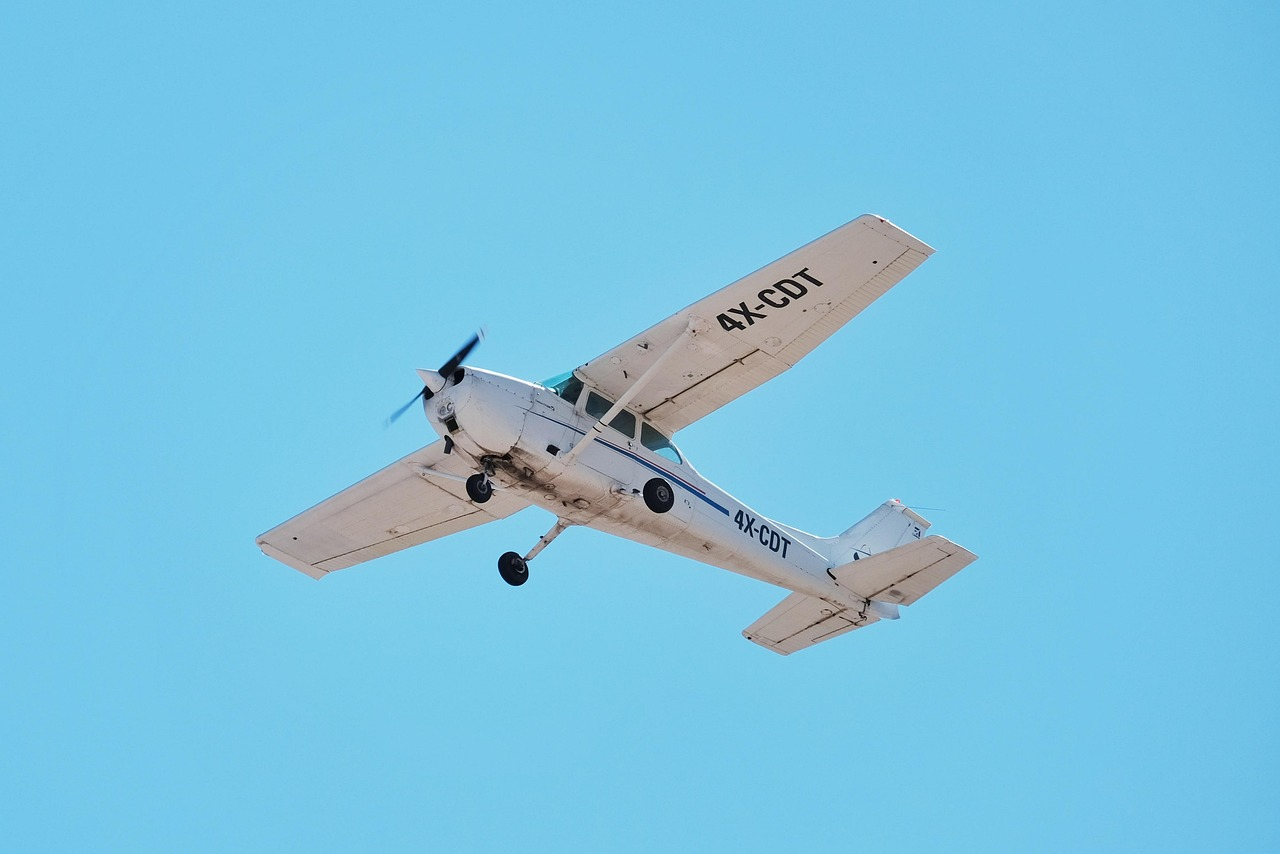
Cold mornings change how flying feels. Breath shows, wings feel stiff, and the day starts slower than usual. Many pilots pause at this point and ask the same thing—Can You Fly a Cessna in Winter? The short answer brings relief, but the details matter. Winter adds new rules, new checks, and new habits that pilots must respect before turning the key and rolling out.
Key Takeaways
Yes, you can fly a Cessna in winter if the plane is ready and the pilot plans carefully. Cold weather can affect the engine, battery, tires, and wings. Ice, snow, and strong winds can also make flying harder. With proper checks, warm-up time, and good weather decisions, a Cessna can fly safely in winter.
| Winter Factor | What It Affects | Why It Matters | What To Do |
| Cold engine | Starts and power | Oil thickens in cold | Warm up before flight |
| Weak battery | Electrical systems | Cold drains power | Check charge level |
| Ice on wings | Lift and control | Ice adds weight | Remove all ice |
| Snow on runway | Takeoff and landing | Less tire grip | Use longer runways |
| Winter weather | Safety and comfort | Winds and clouds change fast | Plan and check forecasts |
What Makes Winter Flying Different For Small Airplanes
Winter flying changes how a small airplane behaves from start to finish. The biggest change comes from cold weather itself. Cold air is dense. That helps performance but also brings risk. On cold days, pilots watch the temp closely, especially when it drops near 20 degrees or lower.
Dense cold air improves density altitude, which helps takeoff and climb. But winter also brings icing risk. Ice can form fast when visible moisture meets cold air. Even little frost on the airframe can hurt lift. That is why preflight checks take longer on a winter day.
Pilots watch for icing conditions using weather tools and trusted weather information. If entered the clouds near the freezing level, ice can appear as ice crystals or airframe ice. This can happen even in clear air during a temperature inversion.
Ground time matters too. A plane sitting outside overnight needs care. Cold starts stress parts like the cylinder walls and engine oil. Pilots use preheat to warm the engine and help with keeping the oil flowing. Tools like tanis heaters or an engine cover help protect parts.
Other winter factors include:
- Runway condition with dry snow
- Longer landing and takeoff rolls
- Checking pitot heat
- Watching oil temperature and oil temp on the temp gauge
- Avoiding shock cooling after descent
Pilots plan for safety too. Winter flights mean packing good survival gear in case of an off-airport landing. A frozen lake may look safe but is never a planned stop. Pilots know winter demands patience, especially during a first winter season.
How Cessna Airplanes Handle Cold Weather Conditions
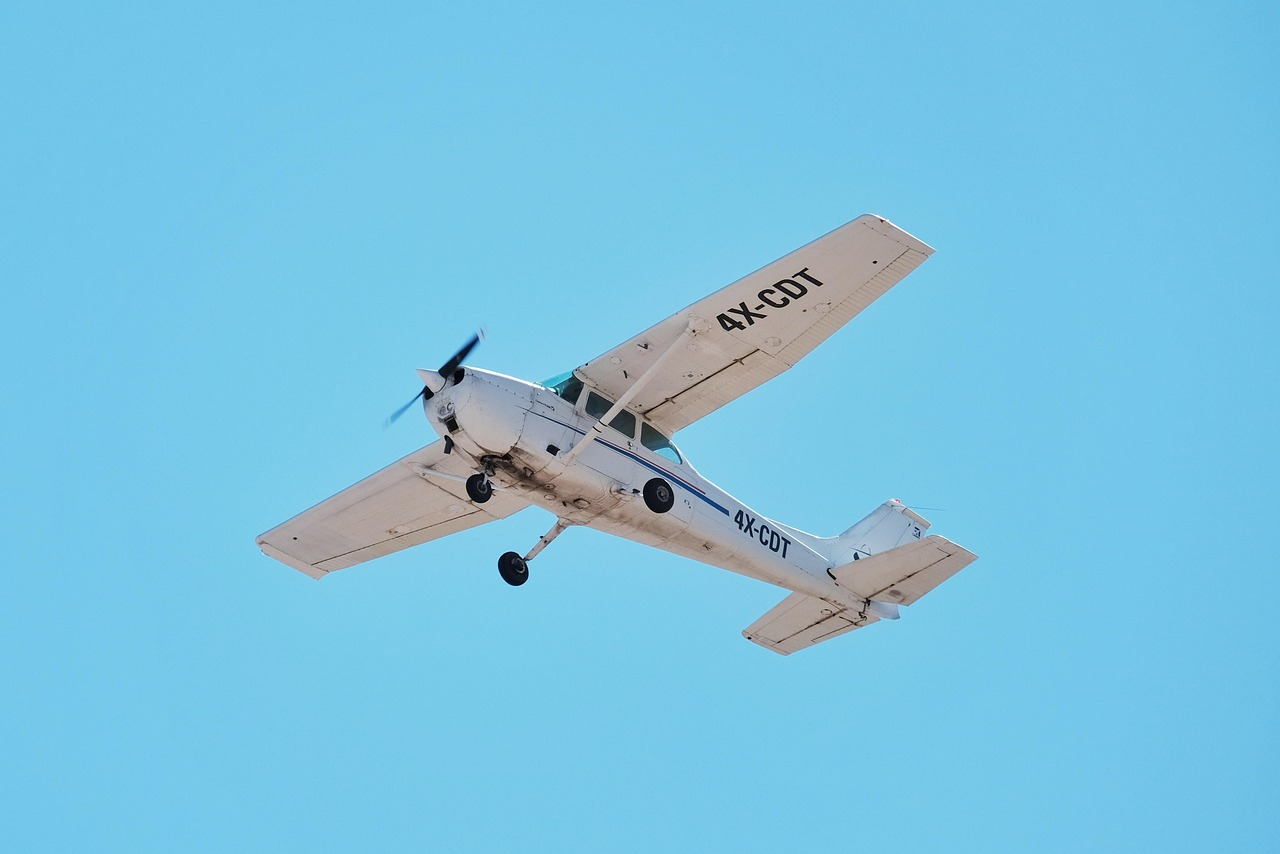
Cessna planes are popular in general aviation for a reason. Models like the cessna 172 are known for simple systems and strong support in aviation circles. Many association forum posts praise how the c172 handles winter with the right setup.
Cold starts require planning. Using tanis or tanis heaters warms the engine evenly. A heated hangar or shared hangar space helps, but not every airport has it. Planes kept hangared stay warmer than ones sitting outside in the coldest nights of a cold winter.
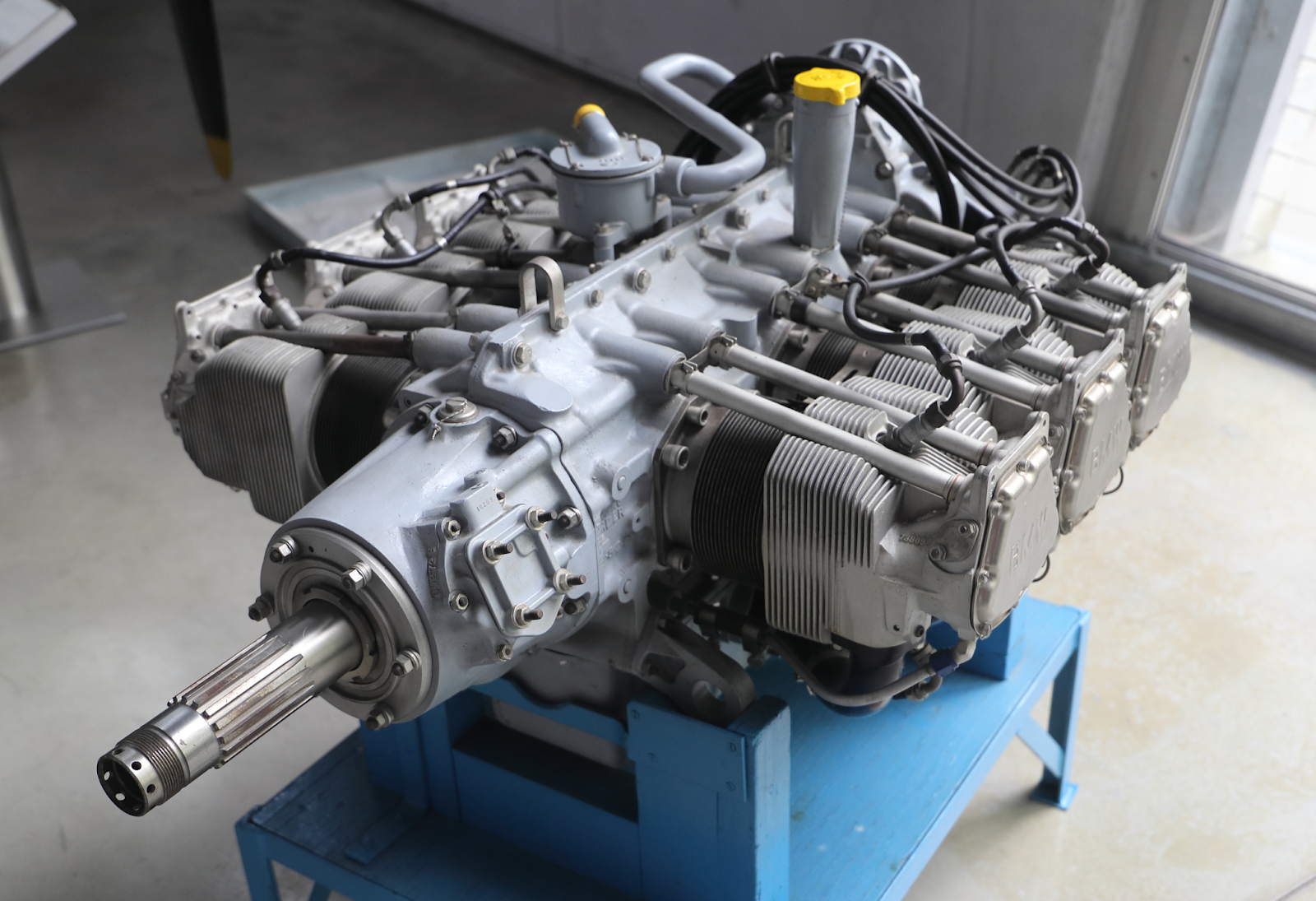
Engine care is key. Pilots watch oil temperature, oil temp, and oil temperature closely after running the engine. Low oil temp means waiting longer before power changes. Running the engine too hard too soon can harm parts. The poh gives clear limits for air temperature and power use.
Winter gear may include:
- Winterization kits
- Engine cowling covers
- A heater might be needed before startup
- Anti-ice and deicing fluid knowledge
- Ski gear for special operations
Ice awareness stays critical. Avoid known icing conditions, even if the plane has anti-ice. Most light planes are not fiki approved. Always plan an icing exit strategy toward warmer air. Watch forecast icing and respect ifr limits.
During runup, check systems carefully. Look for smooth propeller movement and stable engine oil pressure. Monitor airframe surfaces for ice. Even dry air can hide risk when got snow nearby.
Cessna winter flying works best with guidance. A flight instructor can help pilots learn safe habits when flying this winter, especially during the first winter season. Inside the cockpit, stay ahead of tasks and plan each step early.
Can You Fly a Cessna in Winter Safely and Legally
Yes, flying in winter can be safe and legal when pilots follow the rules and respect the season. Cold weather flying brings new limits, new checks, and new habits. These steps are not optional. They protect the pilot, the plane, and everyone on the ground.
Safety Starts With Knowing the Rules
Every flight must follow federal rules. These rules do not change in winter, but how pilots meet them does. The plane must be airworthy, and the pilot must be ready. That sounds simple, but winter adds pressure.
Pilots must check weather reports before flight. Snow, ice, and wind can change fast. A clear sky in the morning can shift by noon. That is why winter planning starts early.
Key safety rules to remember:
- The plane must be clear of frost, snow, or ice
- Weather reports must support safe flight
- The pilot must stay within training limits
- Equipment must work as designed
Winter does not forgive shortcuts. Small mistakes can grow fast in the cold.
Weather Checks Matter More In Winter
Cold seasons demand deeper weather checks. Pilots look beyond basic forecasts. They watch trends and changes.
One key detail is temperature spread. A 50 degree swing in a day can affect how systems work. Pilots also watch surface readings and upper-level reports. Even when skies look clear, hidden risks may exist.
When warm air moves over cold ground, fog or ice can form quickly. Pilots must also understand reports given in degrees Celsius, since many weather tools use that scale.
Important winter weather checks include:
- Surface temperature trends
- Wind speed and direction
- Cloud layers and moisture
- Forecast updates close to departure
Winter weather rewards patience. Rushing rarely ends well.
Ice Is the Biggest Winter Risk
Ice is one of the most serious dangers in winter flying. Icing can form fast and change how the plane flies. It adds weight and reduces lift. Even a thin layer can cause problems.
Ice often forms during cold weather when moisture is present. Pilots avoid these conditions whenever possible. Light airplanes are not built to handle heavy ice loads.
Pilots manage ice risk by:
- Avoiding moisture near freezing temps
- Staying out of clouds when risk is high
- Turning back early if conditions change
Good judgment is the strongest defense against ice.
Aircraft Condition Comes First
Winter flying demands more from the aircraft. Cold affects metal, rubber, and fluids. Preflight checks take longer, and that is a good thing.
Pilots inspect the airplane carefully. They look for stiff controls, frozen hinges, and brittle parts. Fuel drains may freeze. Oil flows slower.
Engine health matters most. The cylinder walls need proper lubrication before power increases. Cold starts without warming can cause damage.
Winter aircraft care includes:
- Extra time during preflight
- Gentle engine warm-up
- Slow power changes
These steps protect the engine and extend its life.
Ground Conditions Affect Every Flight
Winter does not stop on the ground. Taxiways and ramps can be slick. The runway may look clear but still hide ice.
Pilots walk the area when possible. They check braking action and steering response. Slippery surfaces demand smooth control inputs.
Storage also plays a role. A plane kept in a hangar stays warmer and needs less prep time. Planes left outside need more care before flight.
Cold ground tips to remember:
- Test brakes slowly
- Use minimal power when taxiing
- Watch for icy patches near ramps
Ground safety sets the tone for the entire flight.
Heating And Comfort Support Safety
Cold cockpits distract pilots. Staying warm helps keep focus sharp. A working heater is not a luxury in winter. It is a safety tool.
Pilots dress in layers and plan for heat loss. Cold fingers reduce control feel. Fogged windows reduce visibility.
Winter comfort planning includes:
- Checking cabin heat during preflight
- Wearing gloves that allow movement
- Keeping windows clear
Comfort supports clear thinking, and clear thinking supports safety.
Special Operations Need Extra Planning
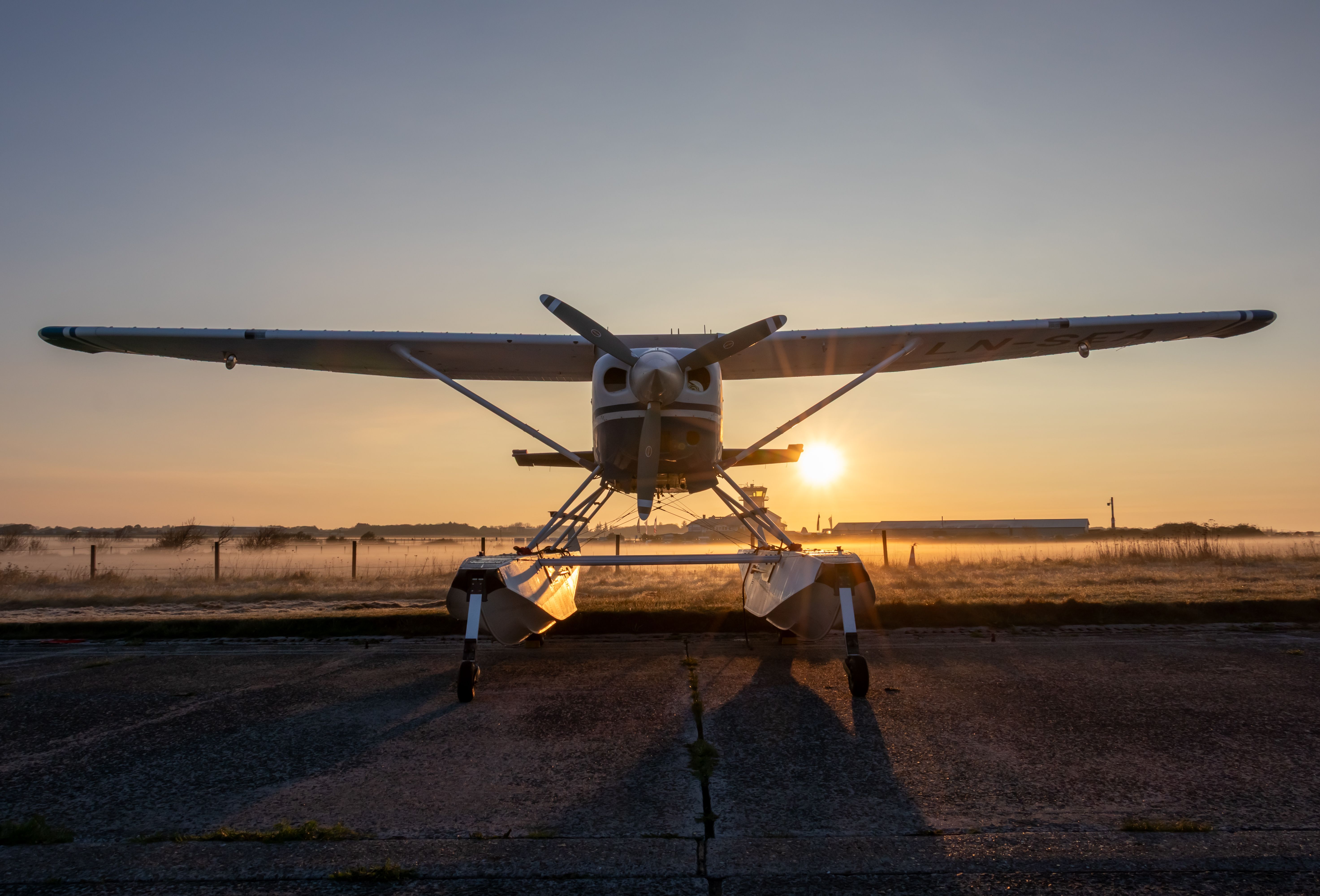
Some winter flights include special gear. In certain regions, planes may use ski equipment instead of wheels. This setup requires training and proper conditions.
Not all pilots are trained for this type of flying. It adds new risks and rules. Pilots must know their limits.
Winter operations are part of broader aviation safety culture. The goal is not to prove skill, but to manage risk.
Training And Legal Limits Matter
Winter is not the time to stretch skills. Pilots stay within their training level. A flight instructor can help pilots learn winter techniques safely.
Training may include:
- Cold weather preflight habits
- Winter weather decision-making
- Engine care in low temperatures
Flying within training limits keeps flights legal and safe.
Airport Conditions Change In Winter
Every airport handles winter differently. Some clear snow fast. Others take longer. Pilots check local notices and field reports before arrival.
Winter airport planning includes:
- Checking snow removal status
- Reviewing lighting availability
- Planning alternate airports
A prepared pilot always has a backup plan.
Winter flying can be safe when pilots respect the season. The cold slows things down and demands patience. Good planning, careful checks, and smart choices keep flights within safe and legal limits.
Pilots who take winter seriously enjoy calm skies and smooth air. Those who rush often learn hard lessons. Slow down, plan well, and let winter flying work for you.
Conclusion
Winter brings new challenges, but it also brings quiet skies and smooth rides. Pilots who slow down, plan well, and respect the cold can enjoy safe winter flights. If you want help learning winter safety, aircraft prep, or ownership tips, explore trusted resources at Flying411 and fly with confidence all season long.
Frequently Asked Questions
Is winter flying harder for new pilots?
Winter flying needs more planning and patience. With training and guidance, new pilots can fly safely in cold months.
Does cold air help airplane performance?
Yes. Cold air improves climb and takeoff, but it also raises icing risk that pilots must manage.
Can small planes fly after snowfall?
Yes, if the runway is clear and the aircraft has no snow or ice on any surface.
Do engines need warming before winter flights?
Yes. Preheating protects engine parts and helps oil flow during cold starts.
Is ice always visible on the wings?
No. Ice can form quickly and may be hard to see, which is why weather checks matter.