Aviation is a wide, fascinating world. From tiny single-seat trainers to massive double-decker airliners, there is an aircraft built for almost every purpose you can think of. Understanding the different types of planes helps make sense of what you see in the sky, what you read in the news, and what is parked at your local airport. It also helps if you are thinking about flying, buying, or working with an aircraft of your own.
Planes come in many shapes, sizes, and roles. Some are built to carry hundreds of passengers across oceans. Others are built to fight fires, fly low over crops, or land on grass strips deep in the wilderness.
A few are built to do things most people never see, like break the speed of sound or take off straight up like a helicopter.
Each plane is the answer to a specific question someone once asked the sky.
Key Takeaways
Planes are grouped into types based on what they do, how they fly, and how they are built. The most common types include commercial airliners, private and business jets, general aviation aircraft, military planes, cargo planes, seaplanes, helicopters, gliders, and specialized aircraft like firefighters and crop dusters. Each type has its own size, engine setup, range, and purpose, and the right plane depends on the mission it needs to fly.
| Category | Main Purpose | Common Examples |
| Commercial Airliners | Carry passengers on scheduled routes | Boeing 737, Airbus A320, Boeing 777 |
| Private and Business Jets | Personal or corporate travel | Cessna Citation, Gulfstream G650 |
| General Aviation | Training, recreation, personal flying | Cessna 172, Piper Cherokee, Cirrus SR22 |
| Military Aircraft | Combat, transport, surveillance | F-35, C-130, B-2 Spirit |
| Cargo Planes | Move freight and supplies | Boeing 747-8F, Antonov An-124 |
| Helicopters | Vertical takeoff, hover, short trips | Robinson R44, Bell 407, Sikorsky S-92 |
| Seaplanes | Water takeoff and landing | DHC-2 Beaver, Cessna 208 Caravan amphibian |
| Gliders | Engineless soaring flight | Schleicher ASK 21, Schempp-Hirth Discus |
| Specialized Aircraft | Firefighting, agriculture, science | Air Tractor AT-802, CL-415 |
Flying411 is an aviation marketplace built around real aircraft, real engines, and real parts, with a side of useful blog reading for anyone curious about how the sky actually works.
How Planes Are Classified
Before getting into specific aircraft, it helps to understand how planes are grouped in the first place. Aviation experts and regulators like the FAA sort aircraft using a few different lenses.
The most common ways to classify a plane include:
- Purpose: What the plane is built to do (carry passengers, haul cargo, train pilots, fly combat missions, etc.)
- Size and weight: Light aircraft, medium aircraft, and heavy aircraft each have different rules and capabilities
- Wing type: Fixed-wing planes have non-moving wings, while rotorcraft like helicopters use spinning blades
- Engine type: Piston, turboprop, turbofan, turbojet, or none at all in the case of gliders
- Operating environment: Land planes, seaplanes, amphibians, and aircraft carrier-based jets all live in different worlds
- Civil or military: Civil aircraft cover everything from airliners to crop dusters, while military aircraft are built for defense missions
Good to Know: The FAA officially recognizes several major aircraft categories for pilot certification, including airplane, rotorcraft, glider, lighter-than-air, powered lift, powered parachute, and weight-shift control. Your pilot certificate tells you which categories you are trained for.
Most everyday conversations about planes mix and match these lenses. When someone says "regional jet," they are really talking about a small commercial airliner with a turbofan engine used for shorter routes. The category just bundles the size, purpose, and engine type into one easy label.
Heavier-Than-Air vs Lighter-Than-Air Aircraft
At the highest level, every flying machine falls into one of two big buckets.
Heavier-than-air aircraft include almost everything you think of when you picture a plane. They generate lift either by moving wings through the air or by spinning rotor blades. Airliners, fighters, helicopters, gliders, and crop dusters all live in this group.
Lighter-than-air aircraft float because they are filled with a gas that weighs less than the surrounding air, like helium or hot air. Blimps, hot air balloons, and airships are the main examples. They are not common in modern transportation, but they still show up at sporting events, for advertising, and in scientific research.
Fun Fact: The Goodyear blimp has been a familiar sight in American skies for decades and is widely known as one of the most recognizable lighter-than-air aircraft still flying today.
For the rest of this guide, the focus stays on heavier-than-air aircraft, since they are what most people mean when they say "plane."
Civil vs Military Aircraft
Another big split in aviation is between civil and military aircraft. The difference is who operates the plane and what mission it flies, not always how it looks.
Civil aircraft cover any aircraft used for non-military, non-state purposes. This includes:
- Commercial airliners owned by airlines like Delta or Lufthansa
- Cargo planes that move freight
- Business jets used by companies and wealthy travelers
- General aviation aircraft used for training, recreation, and personal trips
- Special-purpose civil aircraft like air ambulances, firefighting planes, and crop dusters
Military aircraft are built or operated by armed forces around the world. This category includes:
- Fighter jets like the F-22 Raptor and F-35 Lightning II
- Bomber aircraft built to strike ground targets
- Transport planes like the C-17 Globemaster III
- Surveillance and reconnaissance aircraft
- Trainers used to teach pilots
- Tankers used for aerial refueling
Many planes blur the line. The Boeing 707 was a commercial airliner that later became the basis for the KC-135 military tanker. Plenty of small Cessnas have been used by both flight schools and military training programs over the years.
Why It Matters: Knowing if a plane is civil or military changes how it is regulated, where it can fly, what kind of pilot can operate it, and how it shows up in public databases.
Heavy Hitters: 9 Main Types of Planes You Should Know
Now for the specifics. While there are dozens of niche aircraft out there, the bulk of what flies today fits into nine major categories. These are the workhorses, the show-offs, and the specialists that make modern aviation what it is.
1. Commercial Airliners
Commercial airliners are the planes most people picture when they think of flying. They are built to carry paying passengers on scheduled routes, anywhere from a 45-minute hop to a 17-hour intercontinental marathon.
Airliners are usually split into three sub-types based on size:
- Narrow-body (single-aisle) jets: Built around a single aisle with seating up to six across. The Boeing 737 family and the Airbus A320 family are the two most popular examples and are widely used for short to medium-haul routes.
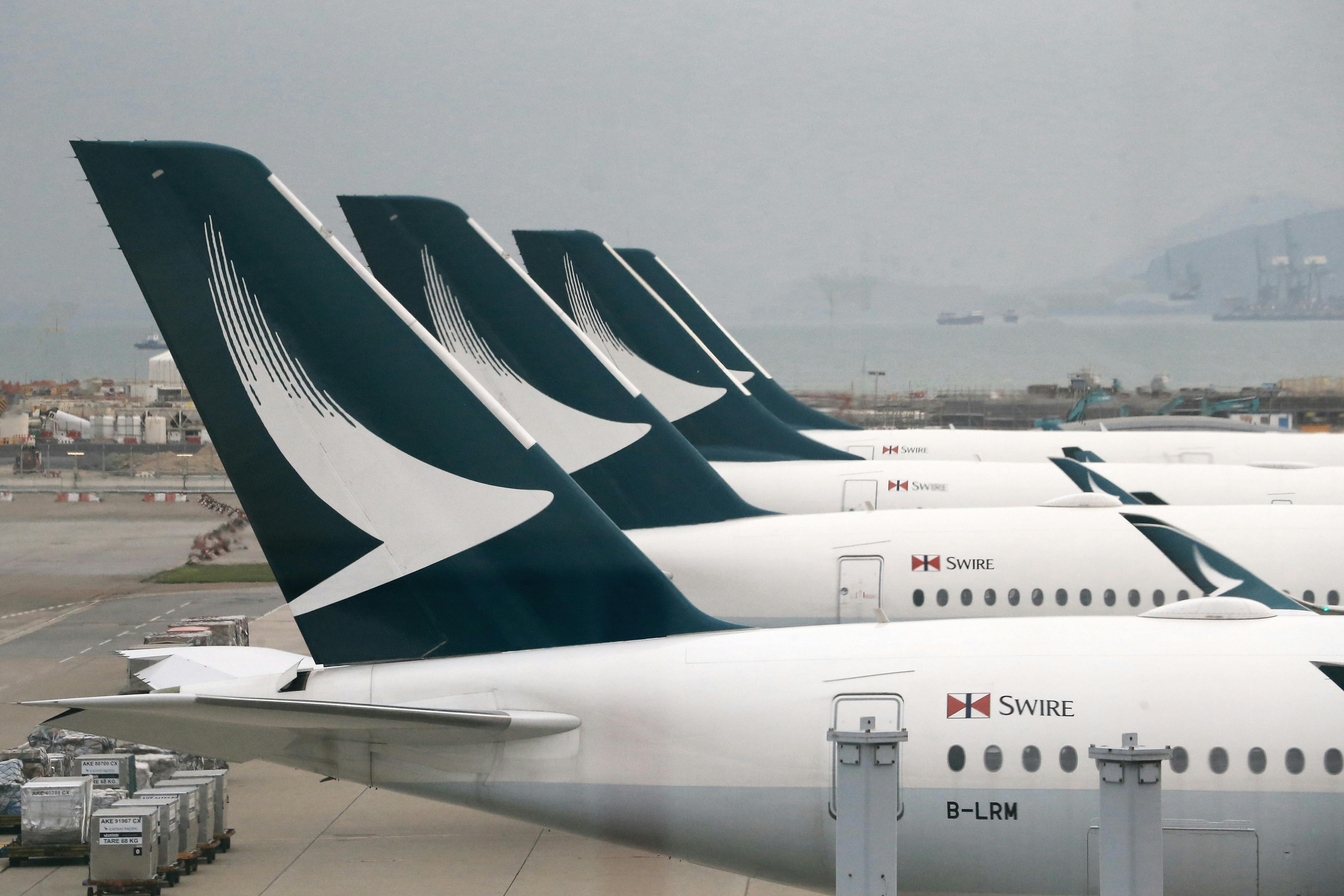
- Wide-body (twin-aisle) jets: Larger planes with two aisles and seating that can stretch to ten across. These are designed for long-haul international travel. The Boeing 777, Boeing 787 Dreamliner, Airbus A330, and Airbus A350 all live in this group.
- Jumbo jets: The biggest of the wide-bodies. The Boeing 747 and Airbus A380 can carry hundreds of passengers in multiple classes. The A380 is widely considered the largest passenger airliner ever built.
Modern long-range narrow-body planes like the Airbus A321XLR are starting to blur the line between narrow and wide-body, since they can now fly routes that used to require a much larger jet.
2. Regional Jets and Turboprops
Regional aircraft are smaller commercial planes built for shorter routes and smaller airports. They usually carry fewer than 100 passengers and fly trips of under a few hours.
Common examples include:
- Embraer E-Jets (E170, E175, E190, E195)
- Bombardier CRJ series (now part of Mitsubishi)
- ATR 42 and ATR 72 turboprops
- De Havilland Canada Dash 8
Turboprops use a gas turbine engine connected to a propeller, while regional jets use turbofan engines like their larger cousins. Turboprops tend to be more fuel-efficient at lower altitudes and shorter distances. Regional jets are faster and more comfortable on slightly longer hops.
3. Private and Business Jets
Private jets, also called business jets or "bizjets," are built for personal and corporate travel. They range from small four-seat light jets to large, long-range aircraft that rival airliners in size and luxury.
The main sub-classes of business jets include:
| Class | Typical Passengers | Range Estimate | Common Examples |
| Very Light Jet | 4–6 | Short to medium | Cirrus Vision Jet, HondaJet |
| Light Jet | 6–8 | Short to medium | Cessna Citation CJ4, Embraer Phenom 300 |
| Mid-Size Jet | 7–9 | Medium | Cessna Citation Latitude, Hawker 800 |
| Super Mid-Size | 8–10 | Medium to long | Bombardier Challenger 350 |
| Heavy Jet | 10–18 | Long-haul | Gulfstream G650, Bombardier Global 7500 |
Pro Tip: Business jets are typically valued for their door-to-door time savings, not just their cruise speed. Small airports, no security lines, and flexible scheduling often save more time than raw airspeed.
4. General Aviation Aircraft
General aviation, often shortened to "GA," covers nearly any civil flying that is not airline or commercial cargo. This is the world of weekend pilots, flight schools, bush flying, and small aircraft owners.
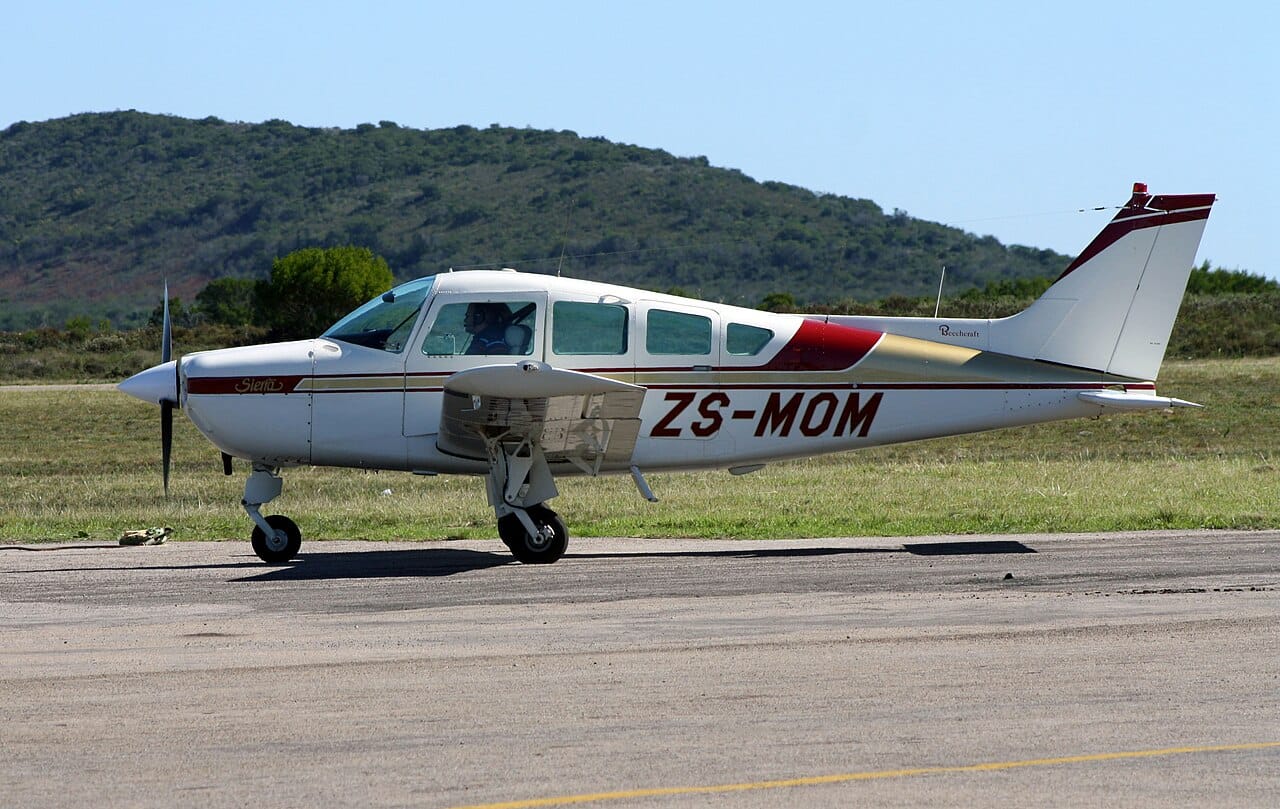
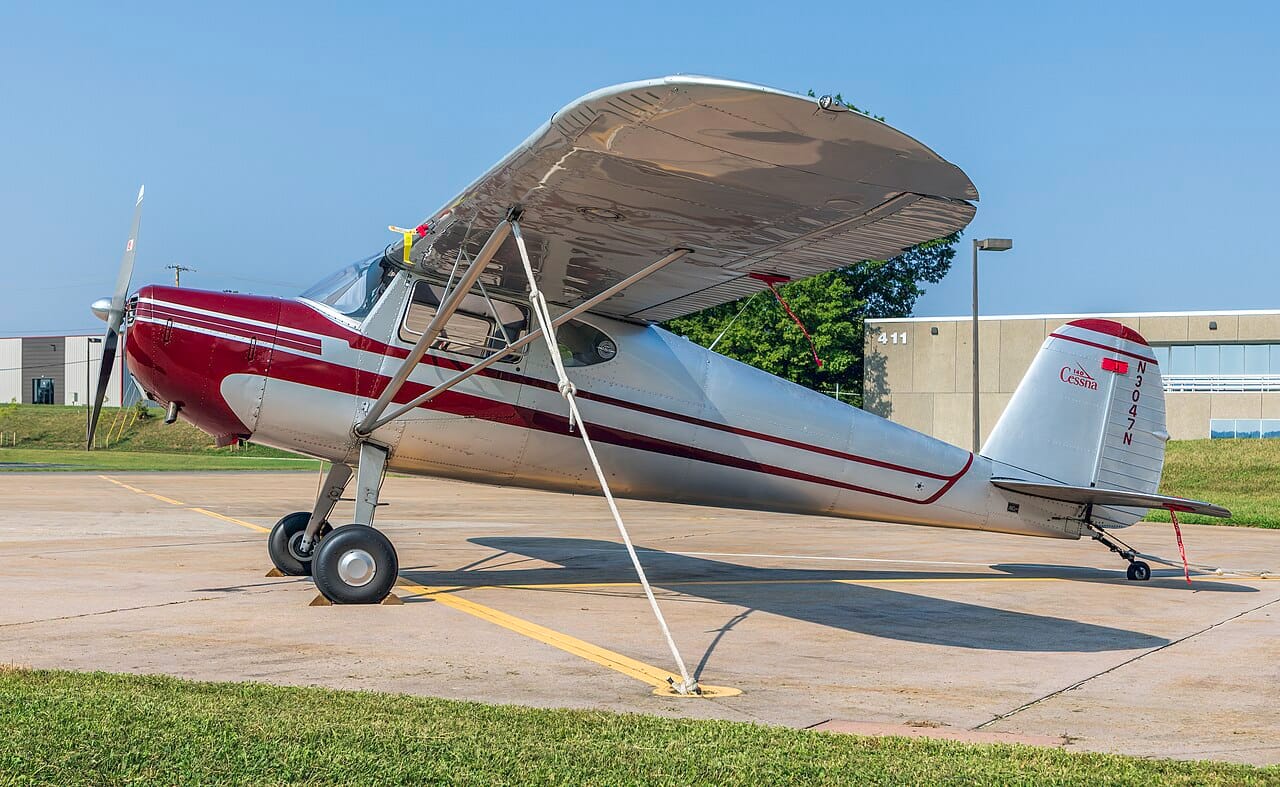
General aviation planes are usually small, with one or two engines, and built for short trips or training. Popular examples include the Cessna 172 Skyhawk, Piper PA-28 Cherokee, Cirrus SR22, Beechcraft Bonanza, and Diamond DA40. These aircraft are the entry point for most pilots and are often the most numerous type of plane parked at small local airports.
Heads Up: The Cessna 172 is widely considered one of the most produced aircraft in aviation history and is a common sight at flight schools around the world.
5. Military Fighter Jets
Fighter jets are fast, agile combat aircraft built for air-to-air and air-to-ground missions. Modern fighters carry advanced radar, missiles, and electronic warfare systems, and many can fly faster than the speed of sound.
Well-known fighters include:
- F-15 Eagle and F-15EX Eagle II
- F-16 Fighting Falcon
- F-18 Super Hornet
- F-22 Raptor
- F-35 Lightning II
- Eurofighter Typhoon
- Dassault Rafale
- Sukhoi Su-35 and Su-57
Some fighters fall into the broader category of stealth aircraft, which use special shapes, coatings, and design choices to be harder to detect on radar. Others are known for extreme maneuverability and can perform tricks like the famous Cobra maneuver, where the nose pitches up almost vertical for a moment.
6. Military Transport and Bombers
Beyond fighters, military forces use a wide range of larger aircraft to move people, supplies, and weapons.
Transport aircraft, sometimes called "airlifters," move troops, vehicles, and cargo. The Lockheed C-130 Hercules has been in service for decades and is widely used for tactical airlift. The larger Boeing C-17 Globemaster III and the massive Lockheed C-5 Galaxy handle the heaviest loads.
Bombers are built to carry and deliver large amounts of ordnance over long distances. Some famous bomber planes include the B-1 Lancer, B-2 Spirit, B-52 Stratofortress, and the newer B-21 Raider. Each one fills a different role in modern air forces, from low-level strikes to high-altitude stealth missions.
7. Cargo Planes
Cargo planes, also called freighters, are built to move goods rather than people. The biggest are direct cousins of passenger airliners, while smaller cargo planes serve regional routes.
Notable cargo aircraft include:
- Boeing 747-8F: A heavy-lift freighter widely used by global carriers
- Boeing 777F: A twin-engine long-haul freighter
- Airbus A330-200F and A350F: Modern wide-body freighters
- Antonov An-124 Ruslan: A massive Soviet-era heavy lifter
- McDonnell Douglas MD-11F: Still in cargo service with several airlines
Keep in Mind: Many older passenger planes get converted to freighters once their passenger years are done. The "P2F" (passenger-to-freighter) conversion is a common second life for older airliners.
8. Helicopters and Rotorcraft
Helicopters use spinning rotor blades instead of fixed wings to generate lift. This lets them take off and land vertically, hover in place, and reach spots no fixed-wing aircraft can.
Helicopters serve many roles:
- Emergency medical services (EMS) and air ambulance
- Search and rescue
- Police and law enforcement
- Offshore oil rig transport
- Tourism and sightseeing
- Personal and corporate travel
- Military transport, attack, and reconnaissance
Common civilian models include the Robinson R44, Bell 206 JetRanger, Airbus H125, and Sikorsky S-76. On the military side, the Boeing AH-64 Apache, Sikorsky UH-60 Black Hawk, and Boeing CH-47 Chinook are widely recognized names.
9. Special-Purpose and Experimental Aircraft
This last group is a catch-all for everything that does not fit neatly into the categories above. It includes:
- Firefighting aircraft: Like the Canadair CL-415 and Air Tractor AT-802 Fire Boss, built to scoop or carry water and drop it on wildfires
- Crop dusters: Agricultural planes that spray fertilizer or pesticide on fields
- Aerobatic planes: Built for airshow flying, like the Extra 300 and Pitts Special
- Ultralights and light sport aircraft (LSA): Very small, simple aircraft for recreational flying
- Experimental aircraft: Including homebuilt kits, prototype designs, and one-of-a-kind test beds
- Research aircraft: Like NASA's modified jets used to study weather, climate, and aerodynamics
Fun Fact: Some experimental aircraft eventually move into the mainstream. The Cirrus SR22, now one of the most popular general aviation aircraft, started in the experimental category before becoming certified.
Looking to buy, sell, or research an aircraft from any of these categories? Flying411's aircraft marketplace lists new and used planes, helicopters, jets, and turboprops from the brands you already know and trust.
How Engines Define Aircraft Types
Another useful way to group planes is by what powers them. The engine type often tells you what kind of mission the aircraft is built for.
Piston engines work like the engine in a car, using cylinders and pistons. They power most small general aviation planes like the Cessna 172 and the Piper Archer. They are cheap, simple, and reliable, but they are limited in speed and altitude.
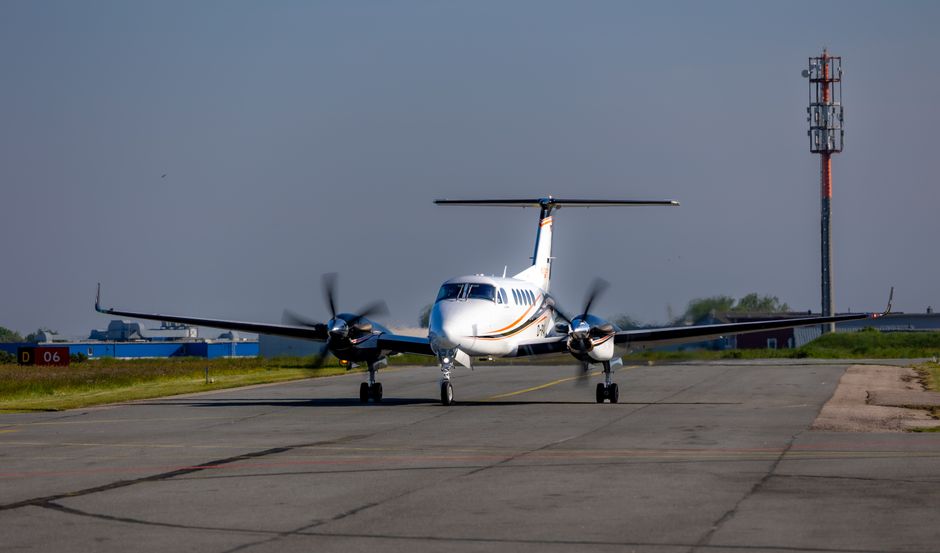
Turboprop engines combine a gas turbine with a propeller. They are common on regional commuter aircraft, business turboprops like the King Air, and agricultural aircraft. Turboprops are very efficient at lower speeds and altitudes.
Turbofan engines are the most common type on modern jets. They use a large fan at the front to push air around the core engine, which makes them quieter and more fuel-efficient than older designs. Almost every commercial airliner and most business jets use turbofan engines today.
Turbojet engines are older and simpler. They produce thrust directly from exhaust gases. Most early jets used turbojets, but they are loud and thirsty. Today they are mainly found on older military aircraft and some specialty designs.
Ramjets and scramjets are exotic engine types used on hypersonic and experimental aircraft. They have no spinning compressor and rely on the speed of the aircraft itself to compress incoming air. You will mostly see them in military research projects and some missile designs.
Quick Tip: When you compare planes online or at a marketplace, the engine type is one of the first things to check. It changes fuel costs, maintenance schedules, pilot ratings, and resale value more than almost any other spec.
Vertical Takeoff and Other Special Capabilities
A small but interesting group of aircraft can do things most planes cannot. The most famous example is vertical takeoff and landing, often called VTOL.
Planes that can take off vertically include helicopters, tiltrotors like the V-22 Osprey, and some fighter jets. The most well-known fighter with this capability today is the F-35B variant, which uses a unique vertical takeoff system involving a lift fan and a swiveling exhaust nozzle.
Other special-capability aircraft include:
- STOL aircraft (Short Takeoff and Landing): Built to use very short runways, like grass strips in the backcountry
- Carrier-based aircraft: Designed to take off from and land on aircraft carriers, often using catapults and arresting wires
- Amphibious aircraft: Can operate from both water and land
- Supersonic aircraft: Capable of flying faster than the speed of sound (Mach 1)
- Hypersonic aircraft: Designed for speeds above Mach 5, mostly experimental for now
How To Choose the Right Plane Type
For most aviation enthusiasts, pilots, and buyers, the type of plane that fits best comes down to a few simple questions.
1. What is the primary mission? A weekend flyer who wants to take family on short trips has different needs than a corporate operator flying coast-to-coast or a flight school training new pilots.
2. How many seats are needed? A two-seat trainer is plenty for solo flying lessons. A growing family or a small business might need four to six seats. A regional charter operator may need 10 or more.
3. How far do you want to fly? Short trips under 300 miles can be done in a basic piston single. Trips across the country or overseas usually call for a turboprop or jet.
4. What is your budget? Total cost of ownership goes well beyond the purchase price. Fuel, insurance, hangar fees, maintenance, and inspections all add up. A high-performance turbine aircraft can cost many times more to operate per hour than a simple piston single.
5. What pilot ratings do you have? Some aircraft require a specific type rating, an instrument rating, or a multi-engine rating. The right plane is one you are qualified to fly safely.
Pro Tip: When you start comparing aircraft, look at the typical hours flown per year for the models on your shortlist. An airframe that has been flown regularly is often in better shape than one that has been sitting for years with low total time.
Ready to find your next aircraft? Browse current listings on Flying411 to compare aircraft, helicopters, engines, and parts side by side, all in one place.
Conclusion
The world of aviation is filled with many different types of planes, each one shaped by the job it was built to do. Some are massive, some are tiny, some are loud, some are nearly silent. Together they make up an industry that moves people, goods, ideas, and even hope across borders every single day.
For an enthusiast at the fence line, a student pilot in training, or a buyer hunting for the right airframe, understanding the major categories of planes gives you a strong starting point. From there, the deeper details (engine types, avionics, performance, history) all start to make a lot more sense.
Looking to take that next step? Check out Flying411 for current aircraft listings, expert blog reads, and a marketplace built for people who love aviation as much as they love a smooth landing.
Frequently Asked Questions
What are the three main types of planes?
The three most common categories are passenger planes, cargo planes, and military planes. Inside those groups you'll find dozens of sub-types that range from small trainers to massive jumbo jets.
What is the difference between a jet and a propeller plane?
A jet uses a turbine engine that produces thrust by pushing exhaust gases out the back, while a propeller plane uses a piston or turbine engine to spin a propeller that pulls or pushes the aircraft through the air. Jets are usually faster and fly higher, while propeller planes are often cheaper and more efficient on shorter routes.
Which type of plane is the most common at small airports?
Single-engine piston aircraft like the Cessna 172 and Piper Cherokee are widely considered the most common planes at local general aviation airports. They are used heavily for flight training, recreational flying, and short personal trips.
Are private jets the same as business jets?
The two terms are usually used to mean the same thing. Both refer to small to medium-sized jets used for personal or corporate travel rather than scheduled airline service.
What is the largest type of passenger plane in service?
The Airbus A380 is widely recognized as the largest passenger airliner ever built, with a typical capacity of around 500 to 550 passengers in a normal configuration and up to roughly 800 in a high-density layout.