Bomber planes changed the course of warfare forever. From early wood-and-wire machines to modern stealth aircraft that avoid radar, each generation of bombers has rewritten the rules of air combat. They weren’t just tools of destruction—they were symbols of technology, strategy, and power.
Early designs focused on simply being able to carry bombs and return home. But as conflicts evolved, so did the missions. The rise of the air force and breakthroughs in aviation technology made bombers faster, tougher, and capable of flying at high-altitude for long-range missions. Soon, these aircraft could perform reconnaissance, close air support, and even deliver nuclear weapons.
From the b-17 flying fortress to the b-2 spirit, bomber planes became a key part of every bomber force around the world. Let’s take a look at some of the most famous ones and how they changed air combat forever.
What Are The Famous Bomber Planes In History
Bomber planes have a long history that stretches back to the early 1900s. Each bomber aircraft brought something new to military aircraft design, improving range, payload, and speed. Here’s a look at some of the most iconic models and the different roles they played in shaping warfare.
| Bomber Plane | Manufacturer | Era/War | Key Features | Notes |
| Sikorsky Ilya Muromets | Sikorsky | WWI | First bomber capable of carrying bombs | Used for reconnaissance and ground attack |
| B-17 Flying Fortress | Boeing | WWII | Powered by four engines, strong armament, high-altitude missions | Became a symbol of army air force strength |
| B-24 Liberator | Consolidated Aircraft | WWII | Long-range heavy bomber, large bomb bay | Could carry heavy payloads for strategic bombing |
| B-25 Mitchell | North American | WWII | Medium bombers, dive bomber capability | Famous for the Doolittle Raid |
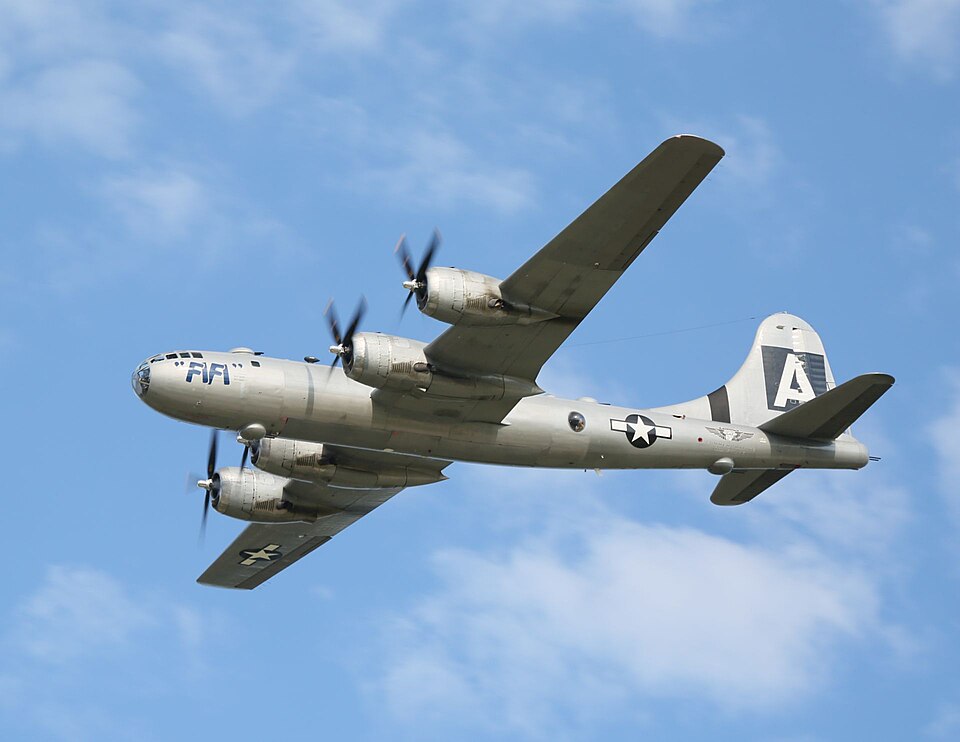
| Boeing B-29 Superfortress | Boeing | End of WWII | Superfortress design, pressurized cabin | Capable of carrying nuclear weapons; dropped atomic bombs in Japan |
| English Electric Canberra | English Electric | Cold War | Early jet bomber | Used by the army air corps and reconnaissance aircraft roles |
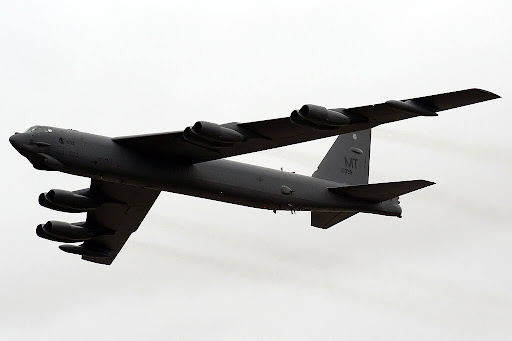
| B-52 Stratofortress | Boeing | Cold War to today | Designed for long-range missions, modified to carry air-launched cruise missiles | Still serves with the United States Air Force |
| B-1B Lancer | Rockwell | 1980s | Supersonic tactical bomber, stealth technology | Used for support of ground operations |
| B-2 Spirit | Northrop Grumman | Modern era | Stealth bomber capable of carrying nuclear weapons | Advanced stealth technology, attack aircraft design |
| B-21 Raider | Northrop | Modern era | Next-gen long-range heavy bomber | Expected to enter service soon with U.S. Air Force |
These bombers used different technologies to handle changing battle needs. The b-17, b-24, and b-29 ruled the years of World War II, while the b-52, b-1, and b-2 defined modern air superiority and strategic bomber power. Each one marked a step forward in aviation, armament, and the support aircraft role of the army air and air corps units.
How Bomber Planes Changed Air Combat
When the first bombers took flight, they were slow and easy targets for anti-aircraft fire. But over time, engineers built stronger, faster, and smarter machines. By the start of the war in WWII, the army air force had a clear idea: use bombers to hit targets deep inside enemy territory.
Here’s how bombers transformed the skies:
1. EXPANDING STRATEGY AND REACH
- Heavy bombers like the b-17 and b-24 allowed forces to reach targets hundreds of miles away.
- These planes could carry large payloads—often several tons of bombs.
- The b-29 superfortress showed how a single aircraft could strike from high-altitude with precision.
2. ADDING NEW ROLES
As technology advanced, bombers became multirole combat aircraft. They could perform ground attack, reconnaissance, or close air support for troops on the ground. Some, like the b-25, doubled as attack planes equipped with machine guns and torpedo options.
3. INTRODUCING STEALTH AND MODERN TECH
The Cold War brought a push for stealth technology. The northrop grumman b-2 spirit redefined what a bomber designed for invisibility could do. Its shape and coating made it nearly undetectable, even when carrying nuclear weapons. The upcoming b-21 raider, another northrop innovation, will continue this long-range and multirole evolution.
4. IMPROVING PRECISION AND ENDURANCE
Modern bombers can carry a single missile or several air-launched cruise missiles. The b-52 stratofortress, for example, was modified to carry new systems to keep it effective decades after the end of the war. It’s still a key bomber in the united states air force fleet today.
In short, bomber planes turned the sky into a battlefield of strategy and endurance. They changed how wars were fought—pushing the limits of range, type of aircraft, and combat aircraft design for generations.
DESIGN AND TYPES OF BOMBER PLANES
The design of bomber planes has always reflected the needs of their time. As technology advanced, each new generation of bombers took on specialized roles in the sky. Some were fast and small, built for short missions. Others were massive and designed for long-range strategic strikes. No matter the design, every bomber shared one goal: to deliver bombs to a target and return safely.
Let’s explore how these aircraft were built, what made them unique, and how engineers shaped different bomber types for different missions.
EARLY DESIGNS AND THE RISE OF BOMBER TECHNOLOGY
In the early 1900s, airplanes were still new inventions. When the first aerial bombings began in World War I, aircraft were simple machines made of wood and fabric. The earliest bombers carried light loads and had open cockpits. Pilots dropped small bombs by hand!
As countries realized the potential of bombing from the sky, they began designing planes specifically for that purpose. By the 1930s, new technology made aircraft faster, stronger, and more reliable. These improvements led to the rise of true bomber designs.
During WW2, the world saw an explosion of bomber development. Every major power created specialized aircraft for different missions, from light bomber models to massive long-range machines capable of flying thousands of miles. The design lessons from this era still shape military aviation today.
THE DIFFERENT TYPES OF BOMBERS
Not all bombers were built the same. Engineers created several categories based on mission goals, range, and bomb-carrying capacity. Here are the main types that defined bomber aviation:
1. LIGHT BOMBER
- Light bombers were small and agile, made for short-range attacks.
- They could fly lower and faster, often to avoid enemy radar or fighters.
- These aircraft carried a smaller payload, but their speed made them ideal for quick tactical strikes.
- Examples included planes like the British Bristol Blenheim and the Hawker Henley, which were used to target enemy supply lines, vehicles, and communication centers.
2. MEDIUM BOMBER
- Medium bombers were designed for balanced missions—fast enough to avoid interception but powerful enough to deliver a heavy strike.
- They usually had twin engines and could carry more bombs than light bombers.
- The North American B-25 Mitchell was one of the most famous medium bombers, known for its role in the Doolittle Raid on Japan.
3. HEAVY BOMBER
- Heavy bombers were the giants of the sky.
- They had four or more engines and could carry massive bomb loads across long distances.
- Planes like the B-17 Flying Fortress and the B-24 Liberator were the backbone of the Allied bombing campaigns in WW2.
- Their large size allowed them to fly higher, resist damage, and deliver devastating strikes on strategic targets like factories and railroads.
4. STRATEGIC BOMBER
- Strategic bombers were built for long-range missions.
- They could fly across continents to hit key enemy infrastructure.
- The Boeing B-29 Superfortress, for example, was designed to drop heavy bombs on Japan, ending the war in the Pacific.
- These bombers shaped modern aerial strategy by showing how a single mission could change the outcome of a conflict.
5. TACTICAL BOMBER
- Tactical bombers supported troops directly on the battlefield.
- Their targets were usually close to the front lines—tanks, artillery, or enemy soldiers.
- They played a crucial role in ground attack aircraft missions, where precision and coordination with ground forces were vital.
HOW DESIGN IMPACTED PERFORMANCE
Bomber design depended heavily on mission type and available technology. A single-seat dive bomber had very different needs from a massive four-engine bomber flying at 30,000 feet. Engineers had to balance speed, range, and bomb capacity without making the aircraft too heavy or unstable.
Here’s how different design elements shaped bomber performance:
- Engines: Early bombers used piston engines, but as technology improved, jet engines allowed higher speeds and longer ranges.
- Wings: Large wings helped bombers carry heavy loads and stay stable in the air. Swept or delta-shaped wings later improved performance for faster flight.
- Bomb Bays: Internal bomb bays reduced drag and kept bombs secure until release. This feature allowed bombers to fly farther and faster.
- Armor and Armament: Heavy bombers often carried machine guns or cannons for defense. Gun turrets gave crews a 360-degree view to spot enemy fighters.
- Crew Size: Small bombers might have had only one or two crew members, while large bombers needed teams of ten or more to handle navigation, bombing, and defense.
Each feature reflected the balance between survival and effectiveness. Engineers constantly tested and modified designs to keep bombers ahead of enemy defenses.
ICONIC BOMBERS THAT CHANGED DESIGN HISTORY
A few aircraft stood out for their innovation and lasting impact:
- Hawker Henley: Originally built by Hawker, this British light bomber was also used for target towing. Although it didn’t see much combat, it showed how British engineers were experimenting with multi-role bomber designs.
- Douglas A-20 Havoc: A fast twin-engine bomber that excelled in low-level attacks. It combined bombing with ground attack roles and was used effectively by Allied forces.
- Junkers Ju 87 Stuka: A German single-seat dive bomber known for its precision. It could strike with deadly accuracy and was one of the earliest examples of tactical bombing design.
- Avro Lancaster: The British heavy bomber that carried the largest bombs of the war, including the 22,000-pound “Grand Slam.”
- Boeing B-29 Superfortress: A long-range, pressurized bomber capable of aerial missions across the Pacific. Its advanced design paved the way for postwar strategic bombers.
Each of these bombers contributed something vital—whether in design, mission success, or influence on future generations of aircraft.
THE SHIFT TO JET AND STEALTH DESIGNS
After World War II, bombers entered a new era. The introduction of jet propulsion changed everything. Jet-powered bombers could fly higher and faster than anything before. They no longer relied on speed alone for defense; advanced navigation, radar, and stealth coatings became essential.
Modern bombers like the B-2 Spirit and the upcoming B-21 Raider combine radar-absorbing materials with aerodynamic designs that make them nearly invisible to enemy sensors. While they no longer resemble the heavy, propeller-driven planes of the past, their purpose remains the same: to reach a target, deliver a precise strike, and return safely.
HOW BOMBERS FIT INTO MODERN WARFARE
Today, bombers continue to play vital roles alongside fighters and support aircraft. Instead of carpet bombing, they focus on precision strikes. Smart weapons and guided missiles have replaced free-falling bombs.
Modern bombers are also key in missions beyond attack roles. They can perform:
- Reconnaissance and Surveillance: Gathering intelligence from great distances.
- Electronic Warfare: Disrupting enemy radar and communication.
- Deterrence: Showing a nation’s ability to strike anywhere at any time.
Their role has expanded, but the goal remains simple—to project strength from the air with speed, precision, and reliability.
Bomber design has come a long way since the early WW2 days of roaring engines and open cockpits. From light bombers darting across enemy lines to ground attack aircraft supporting troops, every bomber type represents a piece of aviation’s ongoing story. The evolution of these machines shows how innovation, courage, and necessity shaped the skies—and changed how wars were fought forever.
Conclusion
Bomber planes tell a story of invention, courage, and global change. From the first bomber planes built by pioneers to today’s advanced stealth bomber fleets, they’ve shaped how nations defend and strike. Each model—from the p-47 to the b-21 raider—shows how far aviation and air combat have come.
To keep learning about the types of bomber planes, aircraft history, and the latest models shaping our skies, visit Flying411.com today!
FAQs
1. WHAT WAS THE FIRST BOMBER USED IN WARFARE?
The Sikorsky Ilya Muromets was the first bomber used in combat during World War I. It was capable of carrying bombs and performing reconnaissance missions.
2. WHAT MAKES A BOMBER DIFFERENT FROM A FIGHTER AIRCRAFT?
A bomber is designed to carry and drop bombs on targets, while a fighter aircraft focuses on air-to-air combat and defense.
3. WHICH BOMBER IS STILL IN SERVICE TODAY?
The Boeing B-52 Stratofortress is still in service with the United States Air Force, thanks to its upgrades and long-range capability.
4. WHAT IS THE MOST ADVANCED STEALTH BOMBER?
The Northrop Grumman B-2 Spirit is currently the most advanced stealth bomber, but the B-21 Raider is set to take that title soon.
5. CAN BOMBERS BE USED FOR NON-COMBAT MISSIONS?
Yes. Many bombers have been used for reconnaissance, surveillance, and testing new aviation technologies outside combat roles.