Sometimes a plane lifts straight into the air instead of rolling forward down a long runway. This idea feels different and exciting, because it changes how flight can work in tight spaces. Many people call this type of aircraft a vtol plane. The full name means vertical take-off and landing. These planes look powerful and smart, and they help pilots reach places fast. They mix the capability of a helicopter with the forward speed of an airplane. Some examples include the harrier, the f-35b lightning ii, and the bell boeing v-22 osprey.
Before vertical flight existed, planes needed big open areas. Now, technology lets aircraft take off vertically, lift fast, and move forward like a regular jet. The next ideas will help you understand how they work and why they matter.
What Does Vertical Takeoff Mean?
Vertical takeoff means a plane goes straight up into the air instead of rolling forward like a normal aircraft during takeoff. It can push air down using special engines, vectored-thrust, or aircraft with powered rotors. When a plane can take off or land vertically, it becomes a vtol craft. Some also use a vertical landing method to return to the ground.
Here is a simple table to help explain:
| Feature | Description |
| Vertical Takeoff | The aircraft goes straight up from the ground. |
| Vertical Lift | Power pushes the plane upward using engines or rotors. |
| Vertical Flight | The plane climbs upward vertically while staying stable. |
| Transition From Vertical | The plane shifts to forward flight with wings and engines. |
| Land Vertically | The aircraft comes down straight and slowly to the ground. |
Some planes can also do a short takeoff or short takeoff and landing (stol) when they use minimal fuel or need to carry a high takeoff weight. Models like the f-35 and stovl aircraft do this. STOVL means short takeoff and vertical landing. The harrier family, including the av-8b harrier ii, works like that.
A classic example is the hawker siddeley harrier, which became one of the first successful models to take off and land vertically. Before it, the yakovlev yak-38 was a Soviet design that also tested vertical capability. The convair xfy pogo was a test aircraft, and many call it the first aircraft to try true vertical operations. Some were prototype vtol models. Later, the lockheed martin f-35b became a modern strike fighter and part of the united states marine corps. It also uses flight control technologies, a jet engine, and shaft-driven lift fans to manage vertical movement.
Some vtol fighters even try supersonic vtol speeds. The av-8b and f-35b lightning ii represent big steps in aircraft design. Some use turbofan engines, turboprop aircraft parts, or a turbofan that can angle thrust downward. Meanwhile, bell helicopters helped develop the tiltrotor system. This design rotates the rotor to change direction. Today, the bell boeing v-22 osprey is a well-known tiltrotor aircraft that can hover and vertical takeoff, fly forward for speed and range, and act like a plane.
A helicopter with the long-range advantage of a fixed-wing aircraft offers something unique. The ability to go airborne, take off vertically, and land vertically without long runways gives pilots a strong response time and support in tight missions. Landing gear that can handle different surfaces also helps.
When the plane moves forward, the wings achieve lift in forward flight, and the engines shift power from vertical thrust to forward thrust. At that point, the craft combines the vertical and horizontal movement in one design. Some people call it a vtol aircraft, some say vertical take-off, and some just call them planes that can take off vertically. Whatever the name, the core idea remains simple: they can take off and land vertically and operate in places that normal fixed-wing or conventional takeoff and landing planes cannot.
Why Are Vertical Takeoff Planes Important?
Planes that take off vertically help solve space and time problems. A normal plane needs long runways. A VTOL plane can launch in tight places, like crowded bases or ships. This gives them advantages in rescue work, military use, and travel.
Vertical capability matters for many reasons:
- Fast response time in emergencies
- Support for the marine corps and other forces
- Help in areas without prepared runways
- Useful for city use in the future
- Fits well into ships or small landing zones
Some models, like the lockheed martin f-35, help protect nations. Others like the boeing-linked tiltrotor systems help carry people and supplies through the air. Some fighter jets like the f-35b, the harrier and yak-38, and aircraft from the harrier family can hover and operate in small spaces.
Vertical planes support new ideas in travel, shipping, rescue, and defense. They help move people quickly and safely. Many engineers want to make lighter, faster, safer models. One goal is to mix the vertical take skills with strong forward flight so the aircraft becomes efficient and reliable. Some projects hope for true vertical capability at long distances.
They also open the door for stronger production aircraft with better engines and systems. New prototypes could change how cities connect or how supplies move to remote areas. Each design teaches more about aircraft capable flight, power, balance, and safety.
Vertical takeoff technology keeps growing. With time, safer, smarter designs might become part of everyday flight.
TYPES OF VTOL AIRCRAFT
There are different designs of vtol planes in aviation, and each type works in its own way. Some look and fly like a jet, while others look closer to a helicopter. Each one has a purpose and a role. They help with missions, transport, and travel in places where a long runway is not available.
When we talk about the types of vtol, we look at how they take off, how they move forward, and how they switch between upward lift and forward flight. Some can hover, and some use smart systems to shift power and direction.
Here are the main types explained clearly.
Tiltrotor VTOL Aircraft
Tiltrotor designs use a rotor that can tilt. The airplane lifts like a helicopter first, then the rotors tilt forward to fly like a normal winged aircraft. One well known example in aviation is the boeing V-22 system. This design helps move cargo and people quickly. It can also fly long distances and land in tight places. Many people like tiltrotor setups because they mix efficiency and flexibility.
Vectored-Thrust VTOL Aircraft
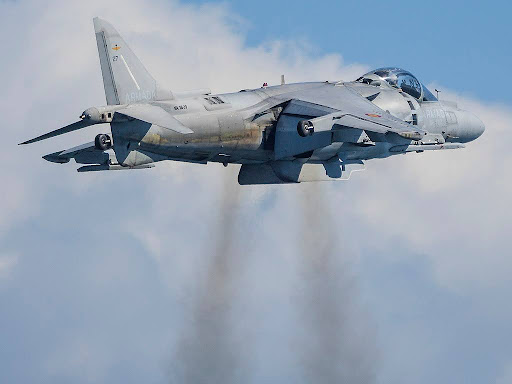
Vectored thrust models use engines that point in different directions. Instead of a spinning rotor, the engine itself channels the power downward and then forward when needed. The harrier became one of the most famous examples of this group, and its technology helped shape modern models. The av-8b is part of the same line and later improved handling and safety. When you see a vectored thrust model take off, it rises straight up, then shifts into forward flight smoothly.
STOVL Aircraft
Some planes do not lift straight up from the ground all the time. Instead, they do a short takeoff or sometimes a stol style lift before transitioning up. These are called stovl aircraft. They can take off with less space than normal planes and still perform a vertical landing when needed. The f-35b is a great example, and it uses advanced systems to control its power and balance. This type works well for missions and tight conditions.
Helicopter-Based VTOL Aircraft
Some VTOL models began with helicopter layouts. A helicopter already takes off straight up, so engineers built on that idea and made models that could fly farther or faster. These early designs helped shape future aircraft with stronger engines and better systems. They remain helpful in rescue efforts and situations where landing space is limited.
Fixed-Wing VTOL Aircraft
A fixed-wing model has solid wings shaped to support forward flight. Some fixed-wing versions can adjust thrust or reposition engine direction to lift straight up. They become more efficient in forward flight compared to rotor models since wings support lift during fast travel. These designs continue to grow in use, especially for defense or transport.
Prototype and Experimental VTOL Aircraft
Some aircraft never reach full production. Engineers build them to test ideas and see how the systems behave. These test models help shape new engines, lighter parts, and stronger control systems. Many improvements in VTOL today exist because of past test models.
To sum it up, each VTOL type brings something useful to the aviation world. Some focus on strength and stability. Some focus on speed and long distance. What connects all of them is the ability to take off without needing a long runway.
COMMON EXAMPLES OF VTOL PLANES
Now it helps to look at real aircraft that fly using these ideas. When people talk about planes that take off vertically, a few become well known quickly. These examples helped shape aviation and show how powerful VTOL can be.
Hawker Harrier
The hawker Harrier became very famous. It was one of the first practical aircraft to prove that a plane could lift off vertically, move forward fast, and also land softly. The model helped military teams because it could operate from small areas. The Harrier line showed the world what VTOL could do.
AV-8B Harrier II
The av-8b Harrier II took the original model and improved balance, strength, and control. Pilots liked it because it handled better and performed well even in difficult flying conditions. This model became part of many military groups and helped modern VTOL grow.
F-35B
The f-35b represents one of the most advanced modern VTOL fighters. It includes secret systems, advanced controls, and the ability to take off like a VTOL plane and fly forward at fast speeds. It pushes the limits of aircraft design and shows how far technology has come.
Bell-Boeing Tiltrotor Systems
One of the strongest examples of tiltrotor VTOL systems is the Bell and Boeing partnership model. This design helped large teams move people and equipment. The tiltrotor system makes it easy to switch between helicopter-style lift and airplane-style travel.
WHY THESE DESIGNS MATTER
Vertical takeoff designs continue to shape how the world uses flight. They help in rescue zones, tight city spaces, and military operations. They support ideas for future travel where planes do not need long runways.
These designs also help engineers create safer controls, stronger engines, and better materials. Each new model helps aviation understand what is possible.
Some people call these systems futuristic. Others see them as tools. For many pilots, they are simply aircraft that can take off in places normal planes cannot.
No matter how you describe them, the idea remains clear. A VTOL plane gives flexibility, speed, and control. It becomes a lift aircraft that changes how travel works.
In time, more designs may enter everyday airports. Some may support cities or remote areas. Some may help teams in hard-to-reach places. As new ideas grow, VTOL will stay important in aviation.
CAPABLE OF VERTICAL FLIGHT
One thing remains true. VTOL planes stay special because they are capable of vertical takeoff and control. They give pilots options. They help solve problems in spaces where normal runways do not exist.
The aviation world continues to explore these ideas and shape smarter, safer designs. Soon, VTOL may feel common, just like jets or helicopters feel today.
CONCLUSION
Planes that can take off vertically show how technology and smart engineering can change the way flight works. These designs help pilots take off in small areas, support important missions, and reach places fast. The mix of speed, flexibility, and vertical capability makes them useful in many fields.
To learn more about aviation and planes that can take off vertically, visit Flying411!
FAQs
1. HOW DO VTOL PLANES BALANCE DURING LIFTOFF?
VTOL planes use sensors and computer systems to stay stable while rising upward. These systems adjust thrust and keep the aircraft level.
2. CAN VERTICAL TAKEOFF PLANES FLY LIKE NORMAL AIRPLANES?
Yes. After lifting off, many models switch to forward flight and use wings like a regular airplane.
3. ARE VTOL AIRCRAFT USED IN CIVILIAN SETTINGS?
Some are used for medical rescue, remote access, or research. Civil models are still growing.
4. DO VTOL PLANES USE MORE FUEL THAN CONVENTIONAL PLANES?
Vertical flight often requires more power, so fuel use is usually higher during takeoff and hover.
5. ARE ALL VTOL PLANES MILITARY?
No. Many early models were military, but more civilian and commercial versions are being developed now.