Some aircraft are easy to see on a screen. Others stay hidden, even when advanced radar systems scan the sky. That idea feels exciting because it changes how wars are fought and how nations protect themselves.
Stealth changed aviation in a big way. It made pilots harder to track, helped missions stay quiet and safe, and pushed engineers to build new shapes, new materials, and new flight systems. Today, stealth is a major part of modern aircraft, and many air forces rely on it to reach, strike, and leave before the enemy reacts.
Before looking at models and rankings, it helps to understand what actually makes a plane hard to detect. The ideas behind low observability may look simple, but designing them into a fast and powerful machine takes skill, testing, and advanced technology. The next section breaks down how that works.
What Makes An Aircraft “Stealth”?
Creating a stealth aircraft is not about making it invisible. It’s about making it harder to detect. The goal is to make the plane appear smaller on radar, harder to track with heat systems, and quieter when it moves through the air. Engineers optimize shapes, materials, and systems to make the aircraft harder to see, hear, or lock onto with a missile.
Stealth design focuses on the shape first. Surfaces stay flat or angled. Curves stay controlled. This helps radar waves bounce away instead of returning to the radar dish. That lowers the radar cross-section (also written as rcs), and a lower rcs makes radar detection more difficult. The famous f-117 nighthawk showed the idea early, and it became the world’s first operational stealth aircraft.
The engine also matters. A plane releases heat, noise, and air. So designers protect the intake, shield the exhaust, and control heat to reduce ir signatures. Weapons stay inside an internal weapons bay, and the cockpit blends into the shape.
Materials also play a role. Many stealth aircraft use special coatings or radar-absorbing materials. These surfaces help reduce the radar signature and manage radar energy.
Here is a simple breakdown of the main stealth factors:
| Feature | Role in Stealth | Example Method |
| Shape and Angles | Helps reduce radar reflection | Flat surfaces, angled edges |
| Weapons Storage | Keeps the body smooth and clean | Internal weapons or full weapons bay |
| Engine Placement | Lowers heat and sound detection | Hidden intakes and shielded exhaust |
| Special Coatings | Absorbs radar waves | Radar-absorbing paint |
| Flight Control | Supports smooth airflow and silence | Software and balanced airframe |
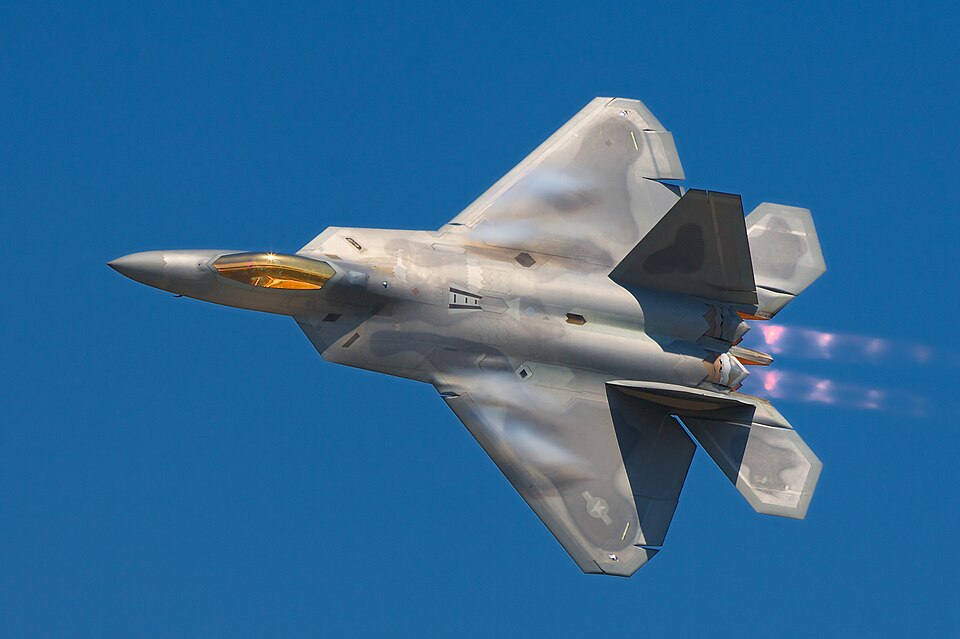
Stealth capabilities became stronger through testing. Aircraft like the b-2 spirit, lockheed martin f-22 raptor, lockheed martin f-35 lightning ii, and chengdu j-20 mighty dragon show improvements in shape, material, and systems. Each new stealth aircraft entered service with new ideas and better performance.
Even today, stealth aircraft are designed to stay ahead of new sensors. That includes systems found in china’s chengdu j-20, the sukhoi su-57, and the newer b-21 raider.
Many people call some of these jets the stealthiest aircraft in the sky. But every stealth plane still works with the same goal: reduce signals, reduce noise, and stay hidden in air combat.
With these basics in place, it becomes easier to understand how stealth changed warfare and air dominance.
HOW STEALTH TECHNOLOGY CHANGED MODERN AIR COMBAT
Stealth changed how nations plan missions, defend airspace, and build modern aircraft. Before stealth, radar could track a fighter jet from far away. Today, many radar systems have a significantly lower detection range against a fully stealth jet.
Aircraft like the f-22 and f-35 show how stealth combines with speed, range, and sensors. The lockheed martin f-22 raptor became important for air superiority. The lockheed martin f-35 lightning ii, also called the joint strike fighter or f-35 lightning ii, works as a multirole fighter with advanced sensors, data sharing, and strong stealth features. Together, the f-22 and f-35 changed ideas about air dominance.
The first aircraft to prove the concept was the f-117. That plane completed missions during conflicts with strong enemy radar defenses. Later, the b-2 stealth bomber pushed the idea further. Its shape allowed it to reach targets without being detected early. Now, the next generation includes the b-21 raider, which focuses on new stealth aircraft capabilities.
Other nations are building their own stealthy aircraft. Examples include the chengdu j-20 from China and the su-57 felon from Russia. These models show how global competition continues to grow.
Stealth also changed mission planning. A stealth fighter can enter defended airspace with a lower chance of being detected. A stealth plane can strike targets and return to an air base or aircraft carrier before threats react. Some missions even use unmanned stealth systems.
Older designs such as a 4.5-generation fighter still fly, but they need support or upgrades because they are larger on radar. New models use advanced stealth, internal fuel, improved sensors, and better systems to stay hidden.
Stealth technology reshaped strategy and forced nations to rethink defense. It improved performance, reduced exposure, and changed expectations for future combat aircraft and military aircraft.
Even today, engineers continue improving modern stealth, building better shapes, materials, and systems. In many ways, stealthy aircraft represent the next step in aviation and the future of defense.
THE MOST FAMOUS STEALTH AIRCRAFT IN HISTORY
Some aircraft became well known because they changed how people think about stealth and military aviation. These aircraft helped engineers understand what works, what fails, and what needs improvement. Many of them came from years of research and patience. Even today, they are still studied because the ideas behind them shaped modern designs.
The first well-known example was the u.s f-117 Nighthawk. It looked sharp and unusual, with flat sides and angles. The shape helped reduce radar reflections and made the aircraft harder to track. It carried weapons inside the body and avoided outside mounts to stay smooth. The goal was simple: stay hidden, strike, and return safely.
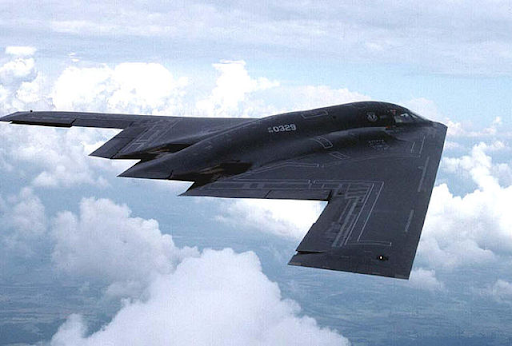
Soon after, the B-2 Spirit entered service. It had a flying wing shape and a quiet air profile. It could fly long distances and reach targets across the world. The B-2 also held its weapons inside and used advanced materials to lower its radar signature.
Over time, engineers tested more shapes and ideas. The results helped create newer programs like the fifth-generation stealth jets that many air forces use today.
Some standout examples include:
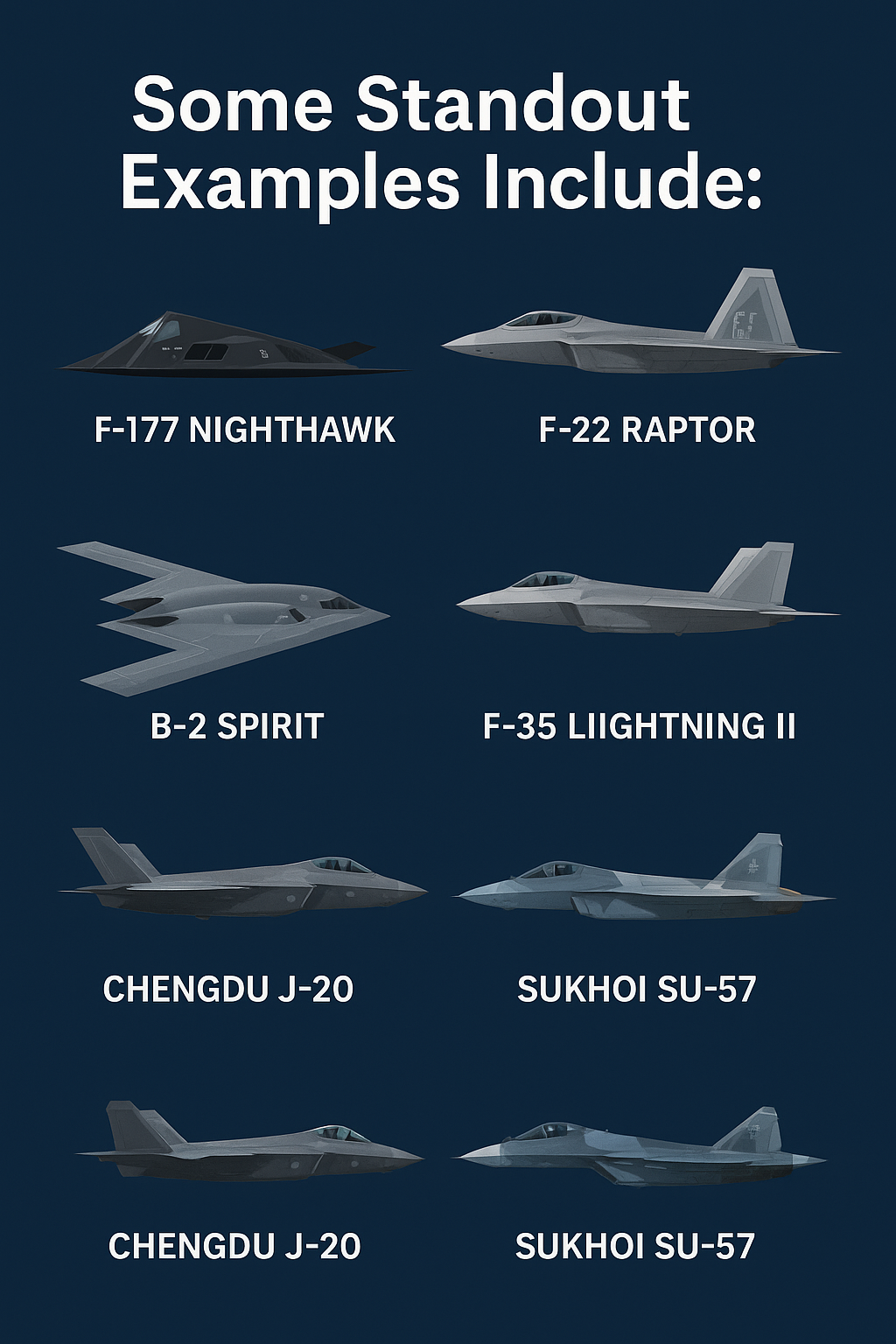
These aircraft each represent a step forward. They show how radar reduction, engine control, internal storage, and material science evolved to support modern stealth aircraft performance.
Stealth today is more than shape. It also includes sensors, software, and data sharing. A newer jet can track targets, plan attacks, and coordinate with other systems without giving away its position.
Some aircraft in this list focus on speed and agility. Others focus on range and weapon capacity. A few, like the B-21 or future unmanned platforms, focus on long-term missions and low visibility.
Even older platforms have value. Many aircraft are still in use as trainers, support platforms, or test models to improve new technology. Engineers learn from them and build the next generation.
Stealth continues to grow, and each famous aircraft adds lessons for the next one.
THE FUTURE OF STEALTH AND AIR POWER
Stealth today is strong, but it keeps changing. Many engineers and militaries focus on new systems that help aircraft remain undetected longer. They improve sensors, materials, and software. They study new shapes and build smaller or more efficient platforms. The goal is clear. Future designs must stay ahead of new detection systems.
One trend points to smaller and lighter aircraft with more automation. Some projects include drones that fly alone or alongside jets. These systems can share tasks and reduce pilot workload. They can scout, defend, or attack based on the mission.
Another trend is improved sensor fusion. A modern jet already collects information from many sources and shows the pilot a simple picture. In the future, this could get faster and smarter. A jet might see threats earlier and avoid them without alerting enemies.
Engineers also continue improving heat and sound control. New coatings and materials help reduce heat signatures. Some systems adjust air around engines to help cool exhaust output. This reduces tracking from thermal sensors. Changes like these support stronger low-observable designs.
Weapons storage also remains important. Future aircraft may carry more tools inside the body without harming stealth. This improves mission choice. Some aircraft already support flexible payload loadouts depending on the operation.
Many air forces also research ground and sea-based platforms that help stealth aircraft operate more safely. An aircraft may take off from a land base, a hidden airfield, or even a stealth helicopter support ship in rare mission types. When combined, these tools increase the chance of success.
With growing interest from multiple nations, the future likely includes more competition. Engineers in Asia, Europe, North America, and beyond look for better ideas. They test new shapes, new coatings, and new flight systems. Some designs focus on speed and stealth. Others focus on range or flexible mission roles.
One idea seen in prototypes is the stealthiest fighter possible: a jet that is quiet, small on radar, and capable of advanced networking. Such a design would enter defended airspace with very low radar cross section readings.
Another idea focuses on group tactics. Instead of one powerful jet, many smaller aircraft could fly together and share information. If one aircraft is damaged, others continue the mission. This could change how battles begin and how air dominance works.
As time goes on, more fighter aircraft will join fleets with advanced capabilities. Some will come from new programs. Others may update older jets with partial low-observable features. Even then, the fully modern stealth aircraft will still lead high-risk operations.
Right now, the world prepares for the next wave of stealth. Some call it generation six. It includes unmanned support, linked sensor webs, adaptive engines, and even smarter targeting systems.
Overall, stealth remains a major part of future air power. It affects planning, defense, and conflict strategy. If trends continue, stealth platforms will stay important for many decades.
The aircraft flying today show how far technology has come. Aircraft like the F-22 and F-35 prove how far stealth can push advantage. Future designs will raise performance again and help maintain secure skies for the next era of aviation.
CONCLUSION
Stealth changed the way nations protect airspace and complete missions. Engineers and designers push for better shapes, smarter materials, and stronger systems to keep aircraft ahead of detection methods. As new aircraft enter service, technology continues to improve speed, safety, and mission success.
Curious to learn more or explore aircraft in today’s market? Visit https://flying411.com/ for insights, resources, and updates connected to aviation and the best stealth aircraft.
FAQs
1. WHAT MAKES A STEALTH AIRCRAFT HARD TO TRACK?
A mix of shape, radar-absorbing materials, internal weapons storage, and controlled heat signatures helps reduce detection from sensors and radar systems.
2. DO STEALTH AIRCRAFT NEED SPECIAL MAINTENANCE?
Yes. Coatings, angles, and sensor systems require careful inspection and service to maintain low observability.
3. CAN A NON-STEALTH JET BECOME STEALTH?
Only to a small degree. Some upgrades reduce radar signature, but full stealth requires a purpose-built design.
4. ARE UNMANNED STEALTH AIRCRAFT COMMON?
They are growing. Some militaries use unmanned stealth aircraft for surveillance and testing.
5. DO RADARS STILL EVOLVE TO COUNTER STEALTH?
Yes. Detection systems continue to improve, and new sensors test the limits of stealth aircraft performance.