The cobra maneuver is one of the most dramatic and demanding moves in the world of aviation. It looks simple at first because the jet stays in straight flight throughout the maneuver, but there is much going on that the eye cannot see. A cobra maneuver is a maneuver in which an aircraft or maneuver in which an airplane abruptly raises its nose to a very high angle of attack. The plane slows down, almost stops in the air, and then returns to normal level flight. It almost looks like a short break in motion, like a pause button was pressed.
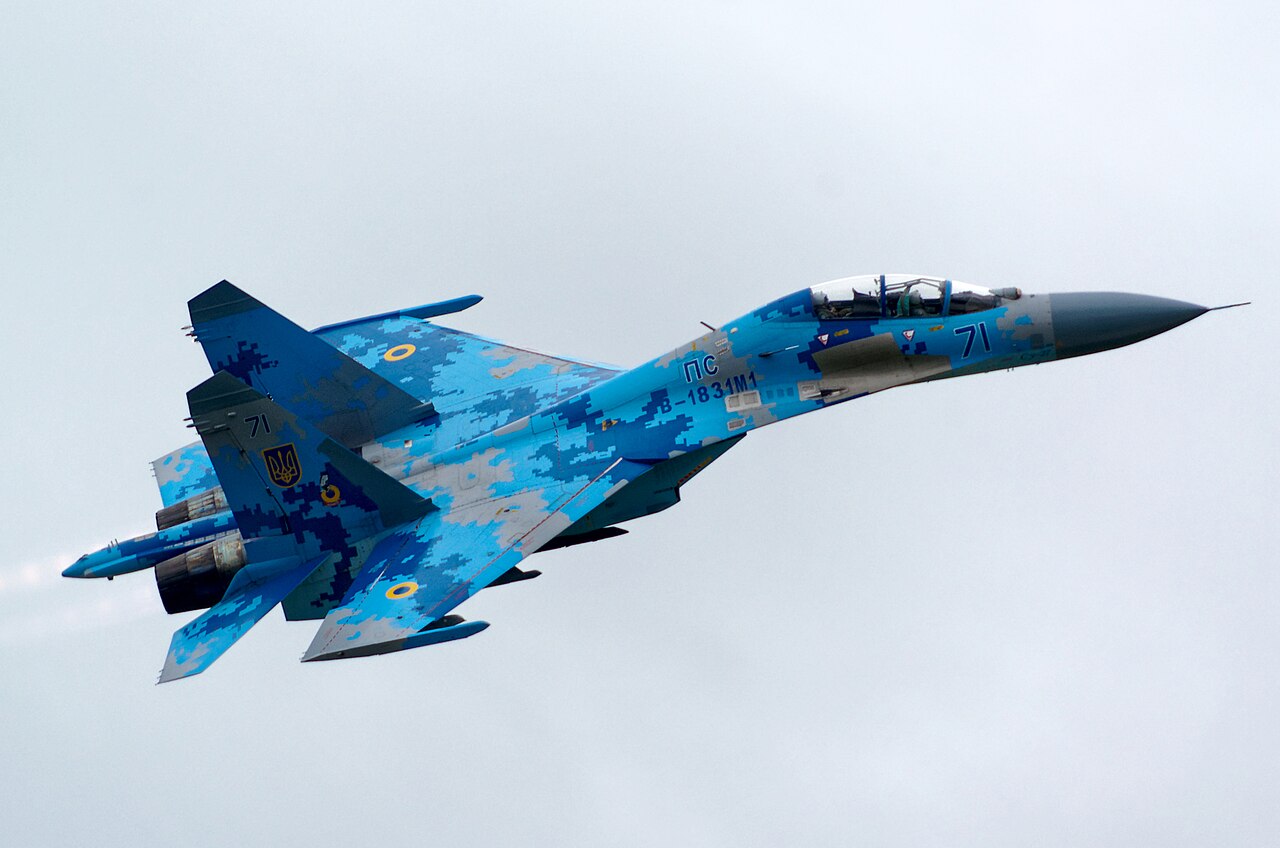
Many people first saw it in an air show when soviet test pilot viktor pugachev shocked the world during the su-27 aerobatics display at le bourget. He flew a sukhoi su-27 fighter jet at about 220 mph, then suddenly lifted the nose to an extremely high angle of attack. There was a significant loss of speed and strong drag at the rear, but the plane still stayed under control. Soon, the move became known as the pugachev cobra, the pugachev’s cobra maneuver, or simply the cobra.
Today, many people still ask the same question: which jets can perform the cobra and what makes them special? The next section helps explain the unique parts that make this move stand out and help guide the rest of the topic smoothly.
WHAT MAKES THE COBRA MANEUVER UNIQUE
The cobra maneuver looks simple from the outside, but it’s actually very technical. The move has a strange balance between physics, control systems, and pilot skill. A fighter jet doing this move does not rely only on speed. It depends on control systems that allow it to push past normal stability rules.
Key Features of the Cobra
Here are the core traits that make the cobra stand out:
- Very high angle of attack
- A sudden nose pitch upward
- Short, controlled stall behavior known as super stalls
- A return to level flight without tumbling
- A large loss of speed after the motion
- It requires high skill and precise timing to execute the cobra maneuver
A cobra is a maneuver is also called a short parry, or in some cases a fencing maneuver, because the movement looks like a quick defensive block. The motion has also been compared to the herbst maneuver, but these are not the same.
Some describe the cobra as pointless in combat. Many call it useless in combat, but others argue that it might have an air-to-air fighter combat application during a close-range fight. So far, though, the maneuver has never proven itself in real combat.
The pilot viktor, or pilot viktor pugachev, was the first to perform the maneuver in public. The world watched as a soviet test pilot pushed control surfaces past what people thought possible with standard aerodynamic controls.
The motion needs strong pitch control and special systems that allow temporary bypass of the angle of attack limiter. It also needs stability and engine-versus-inlet compatibility, because the jet must keep the engine running smoothly while the nose points almost straight up.
The cobra is a dramatic and demanding maneuver, and very few aircraft can do it. Even with the right systems, only skilled pilots can execute the cobra without losing balance or control.
TABLE: WHAT MAKES THE COBRA MANEUVER UNIQUE
| Feature | Why It Matters |
| Extremely High Angle of Attack | Allows the nose to rise far above normal flight limits |
| Sudden Nose Pitch | Creates the dramatic move seen in shows |
| Short Stall (Super Stalls) | Shows control beyond standard flight behavior |
| Controlled Recovery | Jet returns to flight without tumbling |
| Engine and Inlet Stability | Prevents power loss mid-maneuver |
| Pilot Skill and Precision | Required to safely maintain control |
The cobra can be performed only by jets with the right shape, systems, and control authority. The next part explains why only a few aircraft are capable of doing this move.
WHY ONLY A FEW JETS CAN DO IT
Most western fighter jets can’t do the cobra because the design goals are different. The cobra needs a combination of flight control systems, body design, and engine flow handling. Many engineers and pilots also don’t see enough benefit in real combat for the move.
The sukhoi su-27 and its later versions remain famous for this motion. It has a shape and system designed for extreme agility. The soviet planes had design elements that allowed high maneuvering even at moderate speed and high angle of attack.
There are a few other jets that have performed similar moves. One example is the swedish saab 35 draken, also called the saab 35 or simply the j35 draken. Its double delta tailless design allowed a version of the motion long before the Su-27. Another similar aircraft is the saab 37, and some people also mention the saab program as a leader in early high-agility research.
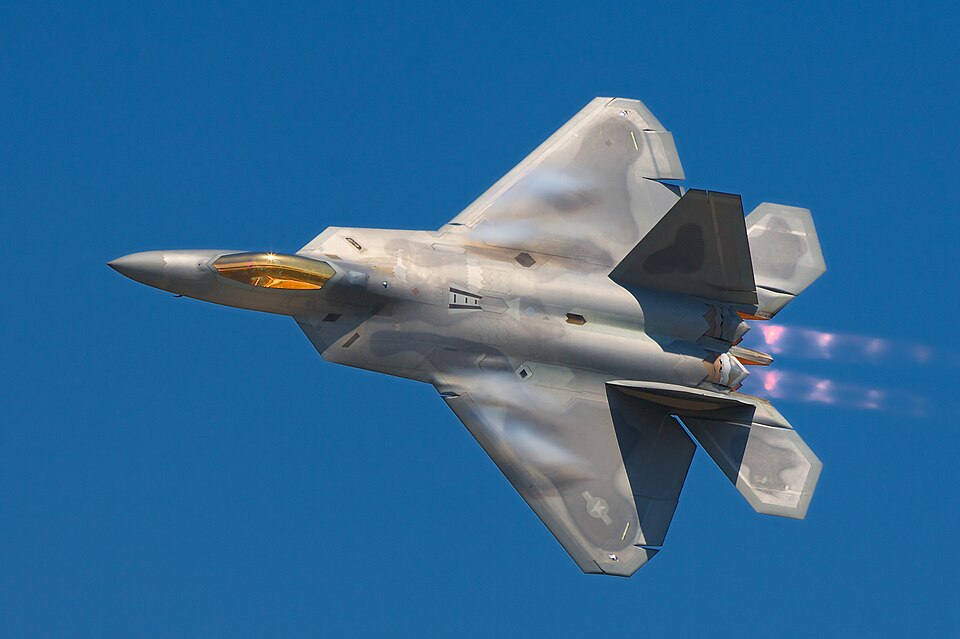
A later era saw the f-22 perform low-speed and tight vector motion thanks to modern thrust vectoring. This lets the jet move airflow from the engines in different directions. The change adds control authority beyond wings alone. This type of movement helps perform the cobra maneuver under controlled testing.
Surprisingly, older footage exists where a test pilot uses techniques on early jets like the swedish draken to mimic a partial cobra. The design allowed brief high-angle behavior. However, not all aircraft can do it safely.
Other rare cases include the sukhoi series. The original aircraft that developed the cobra was the su-27. The updated shape, controls, and engineering created the ideal platform. The way the plane could slow down quickly without spinning out made it special.
The move also shows how engine-versus-inlet compatibility impacts flight under strange airflow angles. Traditional engines lose power when the airflow pattern breaks at high pitch angles. That’s why only a few aircraft support such behavior.
The pugachev’s cobra became famous because a soviet pilot viktor pugachev made the motion public in spectacular fashion. Many now call it the pugachev’s cobra maneuver or called the maneuver part of his name.
Even today, only a few jets can perform the maneuver fully. A list includes:
- Sukhoi su-27
- Later sukhoi su-27 variants
- Some western fighter jets with advanced vector controls like the F-22
- Rare experimental jets with special flight control systems
- Aircraft like the saab 35 draken
The cobra is still a rare skill. It remains something you see more often at an air show than in combat.
WHICH JETS CAN ACTUALLY DO THE COBRA
Only a small group of aircraft can perform the cobra. Many jets look fast and powerful, but only a few have the right mix of control systems, design features, and pilot training to pull it off safely. The cobra maneuver looks simple from far away, especially at an air show, but the control needed is very advanced.
Before naming the jets, it helps to understand what makes an aircraft able to do a sudden motion where the nose lifts almost straight up while the plane keeps traveling forward. The cobra requires a strong control system, a stable air intake design, and good lift even during a stall. Many aircraft lose control during a stall. The jets that can do it stay controllable and return back to normal flight smoothly.
Below is a closer look at aircraft known for performing a true cobra.
SUKHOI SU-27 AND RELATED MODELS
The aircraft most famous for the cobra maneuver is the Sukhoi Su-27. This design showed the world how a large fighter jet could pitch its nose upward to an extreme level. During the first public demonstration, a pilot named pugachev surprised the audience. Many people still call the move the pugachev cobra today.
Later Sukhoi models, like the Su-30, Su-33, and Su-35, improved control systems. These upgrades allow more stable flight at very high pitch angles. They also allow smoother entry and exit from the cobra maneuver.
Key features that help the Sukhoi aircraft perform it include:
- Adjusted control surface authority
- Strong engine airflow handling
- Ability to remain stable at high angles of attack
- Good lift during a stall
- Smooth nose pitch control
These planes can repeat the motion at low speed and moderate altitude, which makes the demonstration safe for shows and controlled test flights.
SWEDISH SAAB 35 DRAKEN
The swedish draken was an interesting aircraft long before the cobra became well known. The saab program tested unusual stall behavior because of the aircraft’s double delta shape. The draken could pitch its nose sharply and hold stable control during the motion. Some pilots demonstrated a version similar to the cobra, long before the Su-27 made it famous.
The shape of the Saab 35 gave it strong lift and a controlled stall pattern. It did not use modern digital controls, yet it handled strange flight angles well. This made it a rare example of an older jet showing cobra-like behavior.
F-22 RAPTOR
The f-22 shows a newer approach to the cobra. The F-22 uses thrust vectoring, which means the engines can point the thrust in different directions. This adds control beyond the wings and tail alone. With vectoring, the jet can change direction even at very low speeds.
Some flight displays show the F-22 performing a cobra-style pitch motion and then transitioning into other maneuvers. The jet does not rely purely on traditional aerodynamics. Instead, the engine direction gives it full control during slow flight.
OTHER AIRCRAFT WITH POTENTIAL
Some experimental aircraft, test platforms, and advanced prototypes can also do moves similar to the cobra manoeuvre. These jets include advanced research aircraft built to study aerodynamics and control beyond normal flight limits.
Some older jets could also show partial cobra-like behavior. These cases came from unique shapes or special stability designs. Even though they were not designed specifically for stunts or extreme motion, they could still show similar flight responses under certain conditions.
HOW PILOTS PRACTICE AND MASTER THE COBRA
Seeing the cobra performed once might make it look easy. In reality, training takes time and control discipline. Even with the right aircraft, a pilot must understand speed, angle, and airflow behavior.
The cobra maneuver requires the pilot to lift the nose quickly using pitch control, then hold the angle without overshooting. After the peak angle, the pilot must push the nose forward again to return to level flight. Many pilots describe the motion as a careful balance between letting the aircraft stall and keeping stability.
SKILL REQUIREMENTS
A pilot learning this maneuver typically studies:
- Stall patterns
- Airflow separation
- High-angle handling
- Smooth nose pitch control
- Engine flow response
If the pitch is too fast, the jet may spin or roll. If the pitch is too slow, the move may not form a real cobra shape and instead become a normal high-pitch climb. Timing is key.
SAFETY FACTORS
Safety is also a major part of training. The pilot must understand the limits of the jet so control remains predictable. Many training flights involve slow-flight practice, angle tests, and progressive pitch increases.
Pilots also monitor engine strain. Some aircraft cannot maintain proper airflow when pitched sharply upward. A loss of airflow can stall the engine. Aircraft that perform the cobra often have careful intake design so they can keep stable airflow during the maneuver.
WHY THE COBRA REMAINS A SPECIAL MANEUVER
Even with technology improving, the cobra still feels rare. Many aircraft focus on performance in real missions, not on extreme display motion. The cobra is impressive, bold, and shows advanced control in flight.
Some people ask why pilots still practice it, even if the move may not help in combat. The answer is simple. It demonstrates control authority, aerodynamic understanding, and engineering strength. Watching a jet stop forward airflow without losing stability always feels exciting.
The cobra gives a clear message. Some aircraft can control airflow and pitch in ways that feel almost unreal. When seen live, it becomes a moment where the motion captures attention and keeps the crowd watching.
CONCLUSION
The cobra maneuver remains one of the boldest and most famous aerobatic moves ever flown. Only a few jets have the systems and control needed to do it safely, and only skilled pilots can use it without losing control. If you enjoy learning about rare flight capabilities, military jets, or advanced control systems, you’ll enjoy exploring aircraft topics even more.
Want to learn more about private aviation news, buying aircraft, or the world of flight? Visit Flying411.com for guides, insights, and updates connected to the question: Which jets can do the cobra maneuver?
FAQs
1. CAN MOST FIGHTER JETS DO THE COBRA MANEUVER?
No. Only a few jets have the control systems and body shape needed to perform it safely.
2. DOES THE COBRA WORK IN REAL COMBAT?
It may help in rare close-range situations, but it is mostly seen in demonstrations.
3. WHAT SPEED IS COMMON BEFORE EXECUTING THE COBRA?
Many pilots begin around 200–250 mph, depending on the aircraft.
4. DOES THE MOVE DAMAGE THE ENGINE?
It can if the engine cannot handle airflow disruption. Only specially designed jets can manage it.
5. WHO FIRST PERFORMED THE COBRA IN PUBLIC?
The first public performance was by Viktor Pugachev flying a Su-27.