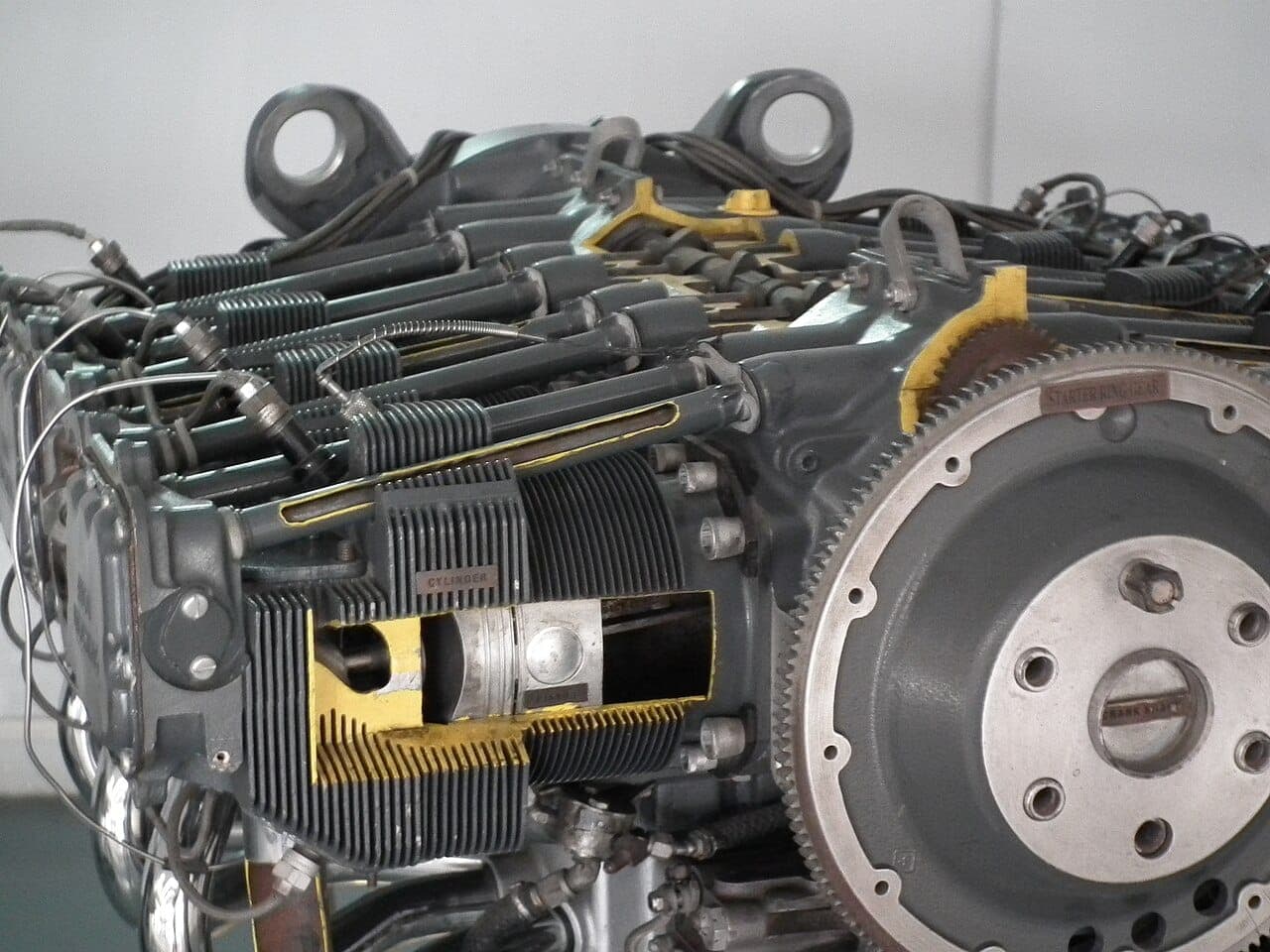
Flying 40 to 60 hours a year puts your piston engine in the highest-risk group there is for internal rust, and the fix is not complicated or expensive: fly it on a 10-to-14-day cycle and get the oil genuinely hot, keep dry air inside the case the rest of the time, and change the oil on the calendar instead of the Hobbs. Do those three things and cam and lifter corrosion stops being the thing that decides when your engine comes apart.
This article gives you the whole routine in seven steps, along with honest numbers for what spalling does to time between overhaul, what a cam job actually costs, and how a prebuy inspection prices it. Setting the routine up takes a weekend and a few hundred dollars. Running it takes about twenty minutes per oil change for the rest of the engine's life.
What This Takes, Start to Finish
| Step | What you need | How long it takes |
| 1. Score your own risk | Logbooks, last 3 years of flight time, your hangar situation | One evening |
| 2. Reset the flying schedule | A calendar reminder and about 45 minutes per flight | Ongoing, every 10-14 days |
| 3. Fix the oil and the interval | Ashless dispersant oil with an anti-corrosion additive, filter | One oil change, then every 4 months |
| 4. Keep dry air in the engine | Engine dehumidifier or desiccant plug set, $250-$1,200 | Half a day to set up |
| 5. Preserve for layups over 30 days | Preservation oil, desiccant plugs, dehydrator, A&P help | 2-3 hours |
| 6. Watch for the first metal | Filter cutter, oil analysis account, borescope at annual | 20 minutes per oil change |
| 7. Price the damage before you decide | Two or three shop quotes, current market comps | A day of phone calls |
Step 1: Score Your Own Risk Honestly
Before you buy anything, work out how exposed you actually are. Four things drive internal rust, and you can grade yourself on each in about ten minutes.
How often you fly, not how much. An owner who flies 50 hours as ten five-hour cross-countries spread across the year is in far worse shape than one who flies 50 hours as fifty one-hour flights. Rust does not care about your annual total. It cares about the gap between flights. Pull the last three years out of the logbook and look at the longest gaps, not the yearly sums.
Where the airplane lives. Coastal Florida, the Gulf Coast and the Pacific Northwest are hard on engines. Arizona and the high desert are forgiving. A heated hangar that swings through the dew point every evening can be worse than an unheated one, because condensation forms on cold metal when warm, damp air moves in.
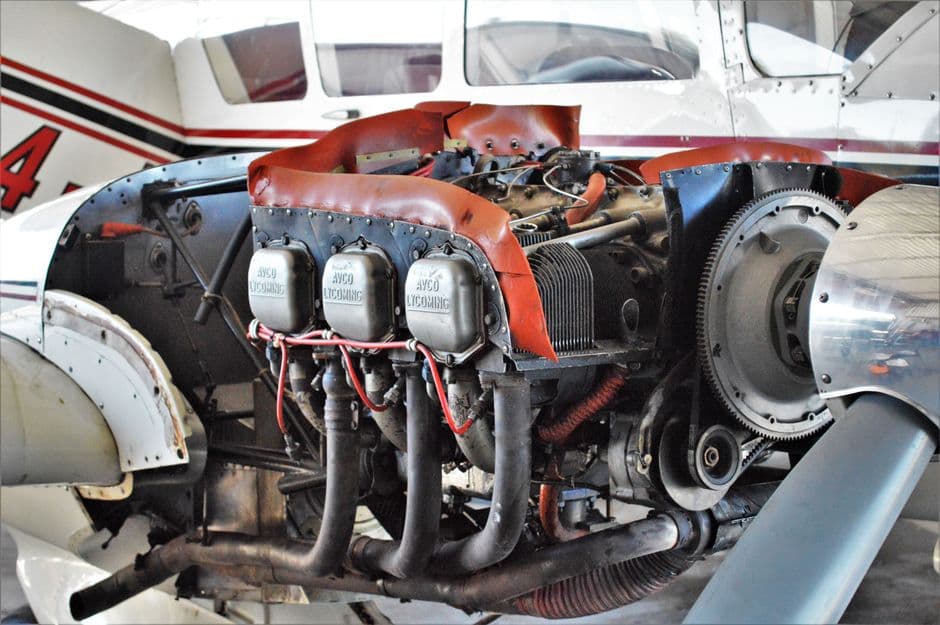
Which engine you have. On most Lycoming engines the camshaft sits above the crankshaft, near the top of the case. When you shut down, oil drains away from it and the lobes and tappet faces are left as the highest, driest steel in the engine. Continental puts the camshaft below the crankshaft, where it sits closer to the oil. That helps, and Continental owners still get spalled lifters, so nobody is exempt. But if you fly a Lycoming infrequently, the cam is your weak point and you should plan around it.
How the engine has been treated so far. A mid-time engine with a long layup in its history is a different animal from one that has flown weekly since new. If your airplane sat before you bought it, our guide on what to check after a long layup is worth reading before you build a plan around an engine that may already be damaged: Airplane Sat for a Year? What to Inspect First.
Why It Matters: At 50 hours a year, a 2,000-hour TBO would take forty years to reach. You will never get there. Calendar time, not hours, is what will end this engine's life, and corrosion is the mechanism. Everything below is about making the calendar limit the limit, instead of a surprise teardown at 600 hours.
Step 2: Reset the Flying Schedule, Not the Flying Hours
The cheapest corrosion control in aviation is a 45-minute flight every other weekend. Put it on the calendar the way you would an oil change.
What you are trying to do is bring the engine to normal operating temperature long enough to help remove accumulated moisture and replenish the protective oil film on internal surfaces. Combustion produces water vapor, some of which reaches the crankcase through blow-by. Lycoming recommends regular flight rather than brief ground runs, which can introduce moisture without warming the oil sufficiently. Its guidance discusses oil temperatures around 165°F as important for removing accumulated water and acids. Actual flight duration depends on the engine, ambient temperature and operating conditions, so a fixed 30-to-45-minute flight does not guarantee adequate temperature or prevent corrosion.
Heads Up: A ten-minute ground run is worse than doing nothing. You make a fresh batch of combustion water, you never get the oil hot enough to evaporate it, and you shut down with a damp crankcase and a cylinder full of acidic condensate. Lycoming's engine preservation service letter has said for years that ground running is not a substitute for flying. If you cannot fly it, leave it alone and rely on Steps 4 and 5.
The old advice to pull the propeller through by hand every week has largely fallen out of favor at major engine shops. Turning the engine without running it wipes the remaining oil film off the cam lobes and bearing surfaces without replenishing anything. If the airplane is going to sit, let it sit — sealed and dry.
Two more habits that cost nothing. Fly the last leg long enough that the engine is fully hot on shutdown, rather than finishing the day with a five-minute repositioning hop. And in cold weather, make sure the oil actually reaches operating temperature in cruise; a winterization kit or partial cowl baffle restriction on many airframes exists precisely so that the oil gets hot enough to purge moisture.
Step 3: Match the Oil and the Interval to the Calendar
Low-use engines need the oil changed on time, not on hours. Lycoming's oil-change service bulletin in the SB 480 series calls for oil and filter replacement every 50 hours or four months, whichever comes first, with a tighter hour interval for engines using a screen rather than a full-flow filter. If you fly 50 hours a year, that means three oil changes a year at roughly 16 hours each. Yes, the oil still looks clean. It is not the dirt that matters — it is the acids and water the oil has absorbed, which sit there attacking bearing surfaces while the airplane does nothing.
Choose the correct oil and understand its additives. Lycoming's LW-16702 is primarily an anti-scuffing and anti-wear additive, rather than a substitute for proper engine preservation. It is included in certain aviation oils, including AeroShell 15W-50, and Lycoming requires or approves its use in specified engine models under its service publications. Do not add it again to an oil that already contains the approved concentration. Some owners also use aftermarket corrosion inhibitors such as CamGuard, but these should not be treated as replacements for the manufacturer's oil recommendations, regular engine operation or approved storage procedures. Check the current Lycoming oil service instructions and the specific engine's requirements before selecting additives.
Good to Know: Mineral oil has no corrosion inhibitor to speak of. If you are breaking in new cylinders on straight mineral oil and the airplane is only flying every few weeks, you have combined the two worst conditions. Break in hard and fast, on consecutive days if you can, and get onto an additive-bearing oil as soon as the cylinders are seated.
Top the oil up rather than letting it run to the bottom of the dipstick. A fuller sump means less air space, less humid air in contact with internal steel, and more thermal mass to hold heat after shutdown.
Flying411 keeps engine maintenance guidance and real aircraft listings in one place, so you can compare how two otherwise identical airplanes have actually been cared for before you shop on price alone.
Step 4: Keep Dry Air in the Engine Between Flights
Steel does not rust in dry air. Below roughly 40 percent relative humidity, corrosion essentially stops; above 60 or 70 percent it accelerates fast. That is the entire principle behind engine dehydrators, and it is the single highest-value purchase a low-utilization owner can make.
Think of it like a cast-iron skillet. Dry it on the stove and oil it, and it lives forever in a cupboard. Leave it wet in the sink and it is orange by morning. Your cam lobes are the same bare steel with the same problem, except you cannot see them.
The three options, cheapest first
| Method | Typical cost (2025) | How it works | Best for |
| Desiccant spark plug kit | $200-$350 | Dry plugs replace the lower plugs; crankcase sealed; silica gel absorbs moisture and is re-baked when it changes color | Layups of weeks to months |
| Powered engine dehydrator | $450-$1,200 | Pushes warm, dried air through the crankcase via the breather or dipstick tube between flights | Hangared airplanes flying every few weeks |
| Hangar dehumidifier | $250-$1,500 plus power | Dries the whole hangar, protecting airframe and avionics as well as the engine | Humid climates, enclosed hangars |
A powered dehydrator is the one most owners end up with, because it works without any disassembly — you plug it in when you put the airplane away and unplug it when you pull it out. Pair it with a plug on the breather tube and you have cut the air exchange to almost nothing. The common mistake is forgetting to switch it on, so put the cord where you trip over it.
If the airplane lives outside, your options narrow. Desiccant plugs and a sealed intake and exhaust will still help, but an outdoor tiedown in a humid climate is a losing fight over years, and it shows up in resale as more than just an engine problem. Airframe corrosion follows the same climate map, as we cover in Corrosion in Cessna 172s: Where to Look and What It Costs.
Step 5: Preserve Properly for Anything Over 30 Days
There is a point where "I will fly it soon" becomes storage, and the engine makers draw that line at about 30 days. Lycoming's preservation service letter splits layups into flyable storage up to 30 days, temporary storage out to 90 days, and indefinite storage beyond that, with a different procedure for each. Continental publishes comparable guidance in its standard practice maintenance manual. Have your mechanic look up the current revision rather than working from an old photocopy.
In practical terms, a proper temporary preservation means draining the oil and refilling with a preservative oil, running it briefly to circulate, fogging the cylinders through the plug holes with preservative, installing desiccant plugs, sealing the breather, exhaust and intake, and tagging the propeller so nobody turns it. It takes two or three hours and costs a few hundred dollars in parts and labor. Against a five-figure cam job, that is cheap insurance.
Pro Tip: If you know in advance that the airplane will sit — a deployment, a medical, a winter away — preserve it before the layup starts, not after you come back and find the oil filter full of glitter. Preservation applied to an already-rusting cam does nothing except lock in the damage.
Log every preservation event. The entry costs nothing to make and it is worth real money later, because it is the only proof a future buyer has that the gap in the flight record was managed rather than ignored.
Step 6: Watch for the First Metal
Cam and lifter failure almost always announces itself before it becomes catastrophic. The sequence goes: rust pits form on a cam lobe or tappet face, the pits concentrate stress under the very high contact pressure between lobe and lifter, and the surface begins to flake away. That flaking is spalling. Once it starts it is progressive, because the loose metal acts as a grinding compound and the damaged lobe stops lifting the valve as far as it should.
Three checks that catch it
Cut the oil filter every change. This is the big one. Spalling produces flakes of hardened steel, often the size of a grain of pepper or larger, and they end up in the filter pleats. A filter cutter costs under $150 and the inspection takes fifteen minutes. Any ferrous flake you can see with your eye deserves a conversation with your mechanic that same day.
Run spectrographic oil analysis for the trend. Lab analysis measures particles small enough to stay suspended, so it will not usually see a spalling flake. What it will show is a rising iron trend over several samples, which often precedes visible metal. Use it as a trend tool across the life of the engine, not as a single pass-fail test.
Inspect for evidence of cam and lifter damage. On most conventional Lycoming engines, the mushroom-shaped tappet bodies cannot be removed through the pushrod tubes because their faces are larger than the lifter bores. Direct inspection of those faces generally requires splitting the crankcase. A mechanic can inspect accessible valve-train components, review oil-filter findings, analyze wear-metal trends and investigate abnormal valve lift or other indications of cam damage. Some engine designs permit additional inspection methods, but these must be confirmed against the applicable maintenance manual. For a low-time engine with a long storage history, discuss the available inspection options with a Lycoming-experienced mechanic rather than assuming a simple annual inspection can expose the tappet faces.
Keep in Mind: Cylinder-bore and valve corrosion show up on a routine cylinder borescope, but the cam does not. A clean borescope report on four jugs tells you nothing about the camshaft. Related reading on the cylinder side is in Lycoming Cylinder Corrosion: Causes, Prevention, and Solutions.
Step 7: Price the Damage Before You Decide Anything
If metal does turn up, the decisions come fast and they are expensive. Get the numbers straight first.
What it does to TBO
TBO was never a legal limit for a Part 91 operator in the first place — it is a manufacturer recommendation, as we explain in What Is TBO in Aircraft Engines? and in more depth in Is Lycoming TBO a Legal Limit for Part 91?. What matters to a low-use owner is the other half of the recommendation. Lycoming's Service Instruction 1009 series publishes an hour figure and a twelve-year calendar recommendation side by side, and advises overhaul in the twelfth year for engines that have not reached the hourly figure. Continental publishes a comparable calendar recommendation alongside its hour figures.
Run the math on that. At 50 hours a year, twelve years is 600 hours. If your engine's hourly TBO is 2,000 hours, the calendar recommendation arrives at 30 percent of it. Spread a $40,000 overhaul across 600 hours and your engine reserve is about $67 an hour. The owner who flies 170 hours a year and reaches 2,000 hours spends $20 an hour on the same engine. That three-to-one gap is the real cost of low utilization, and it exists whether or not the cam ever spalls.
Spalling simply moves the date forward. A cam that lets go at 650 hours and nine years turns a planned twelfth-year overhaul into an unplanned one, usually at the worst possible moment.
What the repair costs
Here is the part that surprises people: on a Lycoming the camshaft lives inside the crankcase, so replacing it means splitting the case. Once the case is split you have already paid for the great majority of an overhaul in labor and teardown. Most shops will tell you that doing a "cam and lifters only" job on a mid-time engine is false economy, because you are inside the engine with worn bearings, a crankshaft that has not been inspected and accessories with time on them.
| Path | Rough cost, 2025 | What you get |
| Cam, lifters, case split, bearings, seals | $12,000-$20,000 | Fixes the cam; everything else keeps its existing time |
| Field overhaul, four-cylinder Lycoming | Commonly $30,000-$50,000 | Engine retains accumulated total time; time since major overhaul resets to zero, with shop warranty |
| Factory rebuilt or new exchange | Higher again, varies by model and availability | Zero-time engine, factory warranty, shortest downtime |
| Six-cylinder engines | Substantially above the four-cylinder figures | Same structure, more cylinders and parts |
Quotes for the same work vary enormously depending on what is replaced versus reconditioned, which is the subject of Why Engine Overhaul Quotes Differ by Thousands. Get at least two written quotes with parts lists, and read Should You Replace or Overhaul Your Aircraft Engine? before you commit, because for some models an exchange engine is both faster and no more expensive once downtime is counted. Model-specific numbers are in Lycoming Engine Overhaul Cost and Time to Expect.
What it does to resale
Three things happen to the asking price, and only one of them is obvious.
First, a confirmed cam or lifter finding during a prebuy inspection is effectively a full overhaul bill handed to the seller. Buyers do not split it. They either walk or they subtract the overhaul quote from the price, and they are right to, because they cannot fly the airplane safely without doing the work.
Second — and this costs owners money every day without any spalling at all — appraisers and experienced buyers discount a low-time engine that has aged out on the calendar. An engine showing 700 hours since major overhaul sounds wonderful until the buyer notices the overhaul was eighteen years ago. Many appraisers prorate engine value toward run-out on calendar as well as hours, and a cautious buyer budgets for an overhaul regardless of what the tach says. The airframe side of that same arithmetic is covered in How Airframe Hours Affect Aircraft Value.
Third, the finding colors the whole inspection. A buyer who sees a spalled lifter starts looking harder at everything else, and the negotiation moves from "what is this airplane worth" to "what else is hiding here." That is a worse conversation than the dollar amount alone suggests. The same dynamic plays out with airframe findings, as described in Corrosion Found at Your Annual: Costs and Resale.
Flying411 keeps listings, engine times and overhaul guidance in one place, so you can compare a 700-hour engine from 2008 against a 1,200-hour engine from 2019 and see which one is really the better buy.
Fun Fact: Spalled cam lobes are one of the few engine failures that almost never happen to flight school airplanes. Trainers get flown every day by people who do not own them, the oil never cools all the way down, and the cam stays wet. Hard use, gently treated metal.
Making Low Hours Work in Your Favor
Flying 40 to 60 hours a year is a perfectly normal way to own an airplane, and it does not have to mean paying for a surprise teardown. The routine is small: a flight every other weekend that runs long enough to get the oil hot, oil and filter changed every four months whether you need it or not, an oil with a corrosion inhibitor in it, a dehydrator plugged in whenever the airplane is in the hangar, proper preservation for anything past 30 days, and a cut filter at every change. That is the whole program, and it costs less in a year than one cylinder.
Build your overhaul reserve around the twelve-year calendar recommendation rather than the hour figure, because at your utilization the calendar is what will arrive first. If you are shopping rather than owning, add a lifter inspection to the prebuy on any airplane with low hours and high calendar age — cam and lifter corrosion is invisible from the outside and it is the one finding that rewrites the price of an otherwise lovely airplane. Our piece on when to overhaul an aircraft engine covers the signs worth arguing about with a seller.
Flying411 keeps aircraft listings, ownership costs and maintenance explainers in one place, so you can compare what an airplane costs to buy against what its engine will cost you to keep.
When you are ready to compare listings, visitFlying411and see what is on the market today.