You turn the key. The engine roars to life. Everything sounds normal. But underneath that familiar hum, things might be wearing down in ways you can't see or hear.
Every pilot knows that keeping a plane in the air depends on what's happening inside that aircraft engine. Parts spin thousands of times per minute. Metal rubs against metal. Heat builds up. Over time, even the best-maintained engines reach a point where they need serious attention. That's when an engine overhaul becomes necessary.
According to Cessna records, many single-engine aircraft reach their TBO (Time Between Overhaul) between 1,800 and 2,000 hours. But hours alone don't tell the whole story.
Some engines need work sooner. Others keep running strong well past TBO. Knowing the signs and understanding the rules can save you money and keep you safe. Let's look at how engines work, what an overhaul really means, and how to spot the warning signs before small problems turn into big ones.
Key Takeaways
An aircraft engine typically needs an overhaul between 1,800 and 2,000 hours of operation, but the actual timing depends on several factors. You should consider an overhaul when you notice low oil pressure, metal in the oil filter, falling compression readings, rough running, or high oil consumption. The FAA doesn't require Part 91 operators to overhaul at TBO, but ignoring warning signs can lead to catastrophic failure. Regular inspections by an A&P mechanic, oil analysis, and proper aircraft maintenance help you make smart maintenance decisions about when to overhaul an aircraft engine.
| Topic | Key Information |
| Typical TBO | 1,800 to 2,000 hours for most single-engine aircraft |
| Warning Signs | Low oil pressure, metal in oil, falling compression, rough running |
| Legal Requirements | Part 91 operators can fly past TBO if engine remains airworthy |
| Overhaul Cost | $20,000 to $40,000+ depending on engine type and condition |
| Best Practice | Monitor oil analysis, compression tests, and logbook trends |
What Does an Aircraft Engine Do?
Your plane's engine does one main job. It turns fuel into power that spins the propeller. That spinning propeller pulls your plane through the air. Simple idea, but the work happening inside is anything but simple.
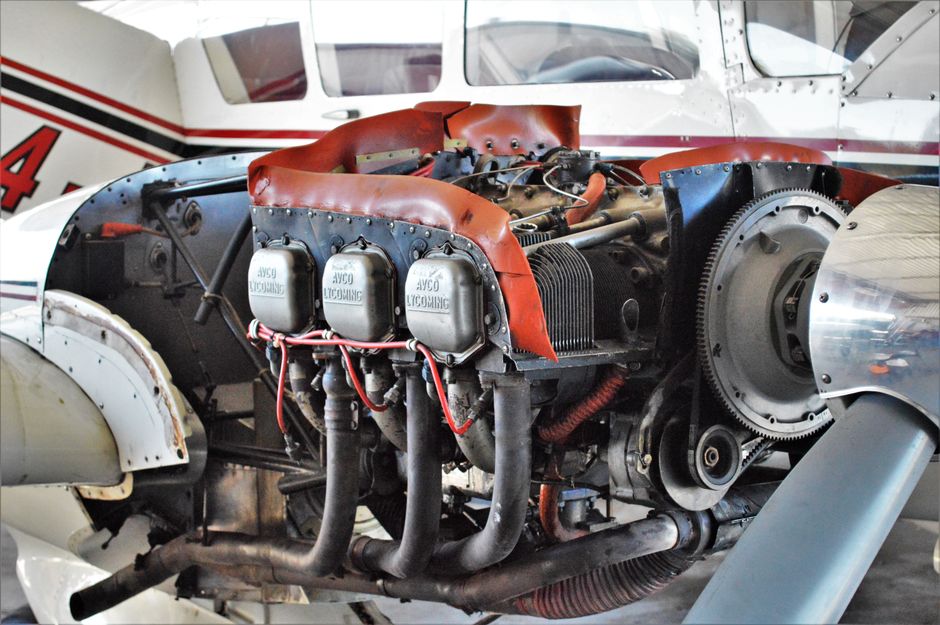
Inside the engine, you've got pistons moving up and down inside cylinders. These pistons are connected to a crankshaft. When fuel and air mix in the cylinder and spark, it explodes. That explosion pushes the piston down. The piston pushes the crankshaft. The crankshaft turns. That turning motion goes to the propeller. This happens thousands of times every minute you fly.
Here's what makes it all work:
- Pistons slide up and down in metal cylinders
- Cylinders hold the fuel and air mixture
- The crankshaft converts up-and-down motion into spinning motion
- Camshaft controls when valves open and close
- Magnetos create the spark that ignites the fuel
- The fuel system delivers the right amount of fuel
- Oil keeps everything lubricated and cool
All these parts work together under extreme heat and pressure. Metal expands. Parts wear down. Bearings get loose. Over time, even the best engine needs to be taken apart, cleaned, measured, and put back together with new parts. That's where an overhaul comes in.
The engine also has to maintain proper oil pressure to keep all those moving parts from grinding against each other. When oil pressure drops, it's often one of the first signs that something inside needs attention.
What Is an Engine Overhaul?
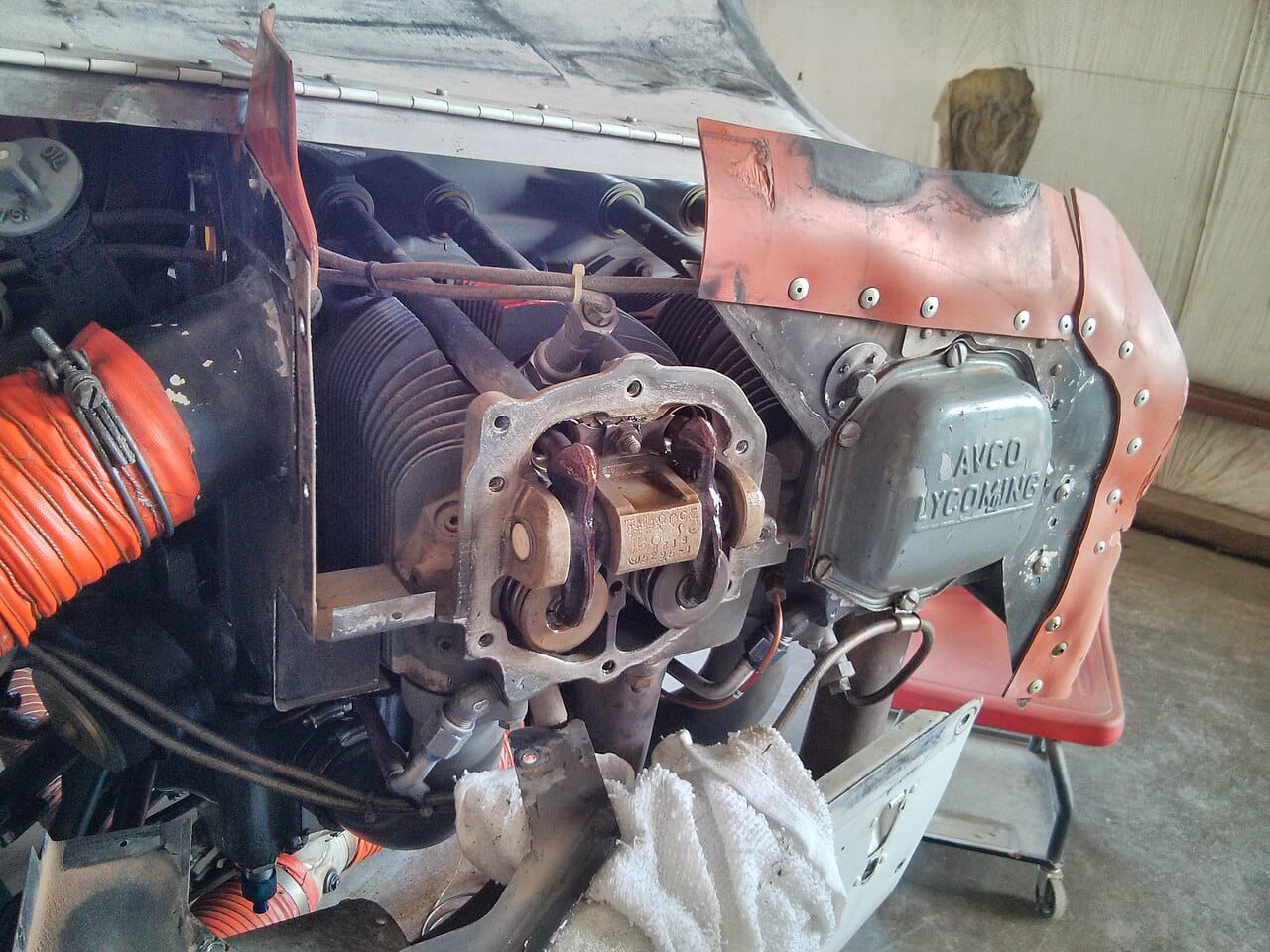
An engine overhaul means taking the engine completely apart and putting it back together with parts that meet like-new standards. Think of it as giving your engine a complete reset.
During an overhaul, a certified mechanic removes the engine from the plane. Then comes the disassembly. Every single part gets taken out. The crankshaft, pistons, cylinders, valves, bearings—everything. Each piece gets cleaned and measured against factory specifications.
Here's what happens during the overhaul process:
- The engine gets removed from the aircraft
- Every engine component is taken apart during teardown
- Parts are cleaned and inspected for cracks, wear, and damage
- Measurements are taken to check tolerances and limits
- Worn parts are replaced with new or repaired as necessary
- The crankshaft is checked for cracks and proper dimensions
- Cylinders are measured and may need to be replaced or reworked
- Bearings, seals, and gaskets get replaced
- The engine is put back together during reassembly
- Testing happens before return to service
There are different types of overhauls. A major overhaul means the whole engine gets this treatment. A top overhaul focuses just on the cylinders and the parts above them. You might also hear about a rebuild, which is similar to an overhaul but might involve more extensive work inside the engine.
Some engines go to the factory for a factory rebuilt overhaul. Others go to an approved maintenance facility. Both options can give you an overhauled engine that meets FAA standards.
After the work is done, the logbook gets an entry showing the engine was overhauled. This entry shows zero hours SMOH (Since Major Overhaul). That's your new starting point for tracking engine life.
Why Engine Care Is Important
Taking care of your engine isn't just about following rules. It's about safety, money, and peace of mind.
First, there's safety. An engine failure in flight is serious. While pilots train for this, you don't want it to happen. Regular aircraft maintenance catches problems before they become emergencies. A small issue with compression in one cylinder is manageable on the ground. A catastrophic failure at 5,000 feet is not.
Second, there's money. Engines are expensive. A Lycoming or Continental Aerospace engine overhaul can cost $20,000 to $40,000 or more. If you catch problems early through regular inspections, you might fix them with a new part or two instead of a full overhaul. Waiting too long can turn a $5,000 repair into a $35,000 overhaul.
Third, there's the legal side. As an aircraft owner, you're responsible for keeping your plane airworthy. Under Part 91 rules for private flying, you can operate past TBO if the engine still meets safety standards. But if you ignore warning signs and something goes wrong, you could face serious consequences.
Here's why proper aircraft maintenance matters:
- Prevents in-flight emergencies
- Saves money by catching problems early
- Maintains aircraft value and resale potential
- Keeps you legal and airworthy
- Protects your aircraft ownership investment
- Reduces insurance costs
- Gives you confidence every time you fly
Good engine care also affects your insurance. Companies look at hours on the engine and how engine time affects insurance rates. A well-maintained engine with good records usually means lower premiums.
In aviation, you can't just hope things work out. You need to know your engine is ready for every flight. That means regular oil changes, compression checks, oil analysis, and paying attention to how your engine sounds and performs.
How to Know When It Is Time to Overhaul an Aircraft Engine
Figuring out time to overhaul your engine involves more than just looking at the hour meter. You need to watch for patterns, track data, and pay attention to what your engine is telling you.
Recommended TBO varies by engine model. A Lycoming engine in a Cessna 172 typically has a TBO of 2,000 hours. A Bonanza with an IO-520 might have a different TBO. Continental Aerospace engines have their own schedules. But here's the thing: TBO is a guideline, not a hard rule for Part 91 operations.
The FAA allows private pilots to fly beyond TBO as long as the engine remains airworthy. Commercial operators under Part 135 have stricter rules. They usually must overhaul the engine at TBO unless they have special approval through a Supplemental Type Certificate or other program.
So how do you know it's time to overhaul? Watch for these signs:
Oil Consumption and Quality
- Burning more than one quart per 10 hours of flight
- Oil turning black quickly between changes
- Metal particles in the oil filter
- Oil analysis showing elevated levels of iron, chrome, or aluminum
Compression Issues
- Cylinder compression readings below 60/80
- Rapid drop in compression over just a few flights
- Multiple cylinders showing low readings
- Air leaking past rings or valves
Performance Changes
- Rough running that doesn't improve with magneto checks
- Loss of power during climb
- Difficulty starting, especially when warm
- Unusual vibration that wasn't there before
Mechanical Symptoms
- Low oil pressure at operating temperature
- High oil temperature even in cool weather
- Metal shavings on the oil screen or filter
- Exhaust smoke during startup or cruise
Your A&P mechanic can help you track these issues. They'll do regular inspections and look at trends. One bad compression test might not mean much. Three bad tests in a row? That's a pattern.
Calendar Time also matters. Even if you don't fly much, engines age. Seals dry out. Corrosion can form inside the engine. Most experts suggest that if your engine was past TBO by both hours and years (usually 12 to 15 years), you should seriously consider an overhaul even if it's still running okay.
Here's what to track in your logbook:
- Hours in service since last overhaul (SMOH)
- Compression test results for each cylinder
- Oil consumption rate
- Any oil analysis reports
- When new parts were installed
- Notes about performance or unusual behavior
Some aircraft ownership groups offer engine monitoring services. They track your data and alert you to trends that might indicate time to overhaul your engine.
Mid time overhauls happen too. If your engine is around 1,000 hours and showing problems, you might do a top overhaul instead of waiting for full TBO. This replaces cylinders and related parts but leaves the bottom end alone. It can extend engine life by several hundred hours.
The overhaul or replacement decision also depends on what's available. Sometimes you can find a rebuilt engine or low-time used parts that make more financial sense than overhauling what you have. For older planes like a Cessna 150 or vintage models that need special care for vintage aircraft engines, replacement might be the better choice.
New engines are rare and expensive, but a new engine offers zero-time and a full warranty. Most owners choose an overhaul or a factory rebuilt engine instead.
When evaluating time for overhaul, look at the whole picture:
- Total hours on the engine
- Age in years
- How the plane was operated (hard use vs. gentle use)
- Maintenance history
- Current performance and test results
- Cost of repairs vs. overhaul
- Your plans for the aircraft
Some owners operate 200 hours or more beyond TBO with no issues. Others need an overhaul before reaching recommended TBO. Your engine writes its own story. You just need to read it.
What Happens If You Wait Too Long?
Delaying an overhaul when your engine needs one is risky. The consequences range from expensive to dangerous.
The most serious risk is catastrophic failure. This means something breaks in a way that stops the engine suddenly. A crankshaft can crack. A piston can break apart. An exhaust valve can fail. When this happens in flight, you're looking for a place to land right now.
Catastrophic engine problems don't always give you warning. Sometimes they do. Sometimes they don't. Running an engine beyond TBO with known issues is gambling with your safety.
Beyond safety, there's cost. When every engine component is worn beyond new limit specifications, the teardown at the maintenance facility reveals more problems. Cylinders that could have been saved now need replacement. The crankshaft that was borderline now has to be scrapped. The camshaft shows pitting that can't be polished out.
What might have been a $25,000 overhaul becomes a $40,000 job. Worse, some parts might not be available. Older engines sometimes have starter adapter or other parts that are hard to find. Waiting too long can mean waiting for parts or accepting used parts when you wanted new ones.
Insurance is another concern. If your engine was past TBO and hours on the engine keep climbing, your insurance company might refuse to renew your policy. Or they might increase your rates significantly. They see the risk just like you should.
There's also the issue of airworthy status. While Part 91 lets you fly past TBO, the engine still has to meet all other airworthiness requirements. If an inspection shows the engine no longer meets tolerance specifications, it's not legal to fly. You're grounded until repairs happen.
Delaying also affects aircraft value. Buyers look at red flags when buying a high-time Cessna 172, and an engine with high hours beyond TBO is a major concern. They'll either walk away or demand a huge price reduction to cover the overhaul process they'll face.
Here's what can go wrong:
- Sudden engine stoppage in flight
- Higher repair costs when problems worsen
- Parts wearing beyond repair limits
- Insurance complications or cancellation
- Failed annual inspection
- Reduced aircraft resale value
- Grounded aircraft until overhaul is complete
The smart move is to plan ahead. When your engine reaches 1,500 hours or so, start budgeting for the overhaul. Get quotes from different shops. Understand what used vs. overhauled parts mean for cost and reliability. Build a relationship with an A&P mechanic who knows your engine's history.
Some owners wait until they see a directive or mandatory service bulletin. But being proactive beats being reactive. Plan the overhaul on your schedule, not the engine's.
Tips to Make Your Engine Last Longer
You can't make an engine last forever, but you can maximize how long an engine serves you well. Good habits and proper care can add hundreds of hours to engine life.
Oil Care
- Change oil every 25 to 50 hours depending on your engine and flying habits
- Use the oil grade recommended by the manufacturer
- Cut open the oil filter and inspect for metal particles
- Send oil samples for analysis every few changes
- Check oil level before every flight
Proper oil care is like giving your engine a health checkup every time you fly. Metal in the oil tells you when parts are wearing. Catching it early means fixing one cylinder instead of overhauling the whole engine.
Operating Habits
- Warm up the engine properly before takeoff
- Avoid shock cooling by gradually reducing power
- Don't let the engine idle too long—it fouls plugs
- Use proper mixture settings for altitude
- Monitor temperatures and pressures in flight
- Cool down before shutdown
Engines don't like extremes. Rapid temperature changes cause parts to expand and contract unevenly. That creates wear and can crack cylinders. Gradual changes keep everything happy.
Maintenance Schedule
- Follow the manufacturer's maintenance schedule
- Don't skip annual inspections
- Do compression checks at least annually
- Check magnetos and fuel system regularly
- Replace hoses and seals before they fail
- Keep detailed records in your logbook
Skipping maintenance to save money now costs more later. A $500 annual inspection might catch a problem that prevents a $5,000 repair.
Storage and Use
- Fly regularly—engines that sit deteriorate faster
- If you can't fly monthly, consider a ground run (but flying is better)
- Use proper storage procedures for long periods
- Keep the engine covered when parked outside
- Run the engine through all temperatures ranges regularly
An engine that flies stays healthier than one that sits. Regular use keeps seals lubricated, prevents corrosion, and keeps parts moving freely.
Monitor Trends
- Track oil consumption flight by flight
- Note any changes in how the engine starts or runs
- Watch for new vibrations or unusual sounds
- Compare compression tests to previous results
- Review oil analysis trends over time
Your engine talks to you through data. A sudden change in oil consumption or compression means something changed inside the engine. Find out what before it becomes a bigger problem.
Professional Help
- Work with an A&P mechanic you trust
- Consider getting a pre-buy inspection checklist even for your current plane
- Join type-specific forums and owner groups
- Learn from general aviation resources and training
- Don't ignore advice from experienced mechanics
Experienced mechanics have seen thousands of engines. They know what's normal and what's not. Listen to them.
Plan for Costs
- Budget for unexpected costs as an owner
- Set aside money each flight hour for eventual overhaul
- Understand wear limits and what they mean
- Know the difference between new part costs and used parts
- Research overhaul process costs before you need one
If you fly 100 hours a year and your engine has a 2,000-hour TBO, that's 20 years until overhaul. But setting aside $20 per hour gives you $40,000 when the time to overhaul arrives. No surprises.
Following these practices won't prevent the need to overhaul the engine eventually. But they will help you get the most value from every flight hour. They'll also help you make better maintenance decisions based on data instead of guesses.
Remember, taking care of your engine is part of being a responsible aircraft owner. Your engine takes care of you in the air. Return the favor on the ground.
Conclusion
Knowing when to overhaul an aircraft engine comes down to paying attention. Watch the hours. Track the data. Listen to what your engine tells you through oil consumption, compression tests, and performance. The recommended TBO gives you a target, but your engine's actual condition matters more.
Don't wait for a crisis. Plan ahead. Budget for the overhaul before you need it. Work with a qualified A&P mechanic who can help you make smart decisions. And remember that flying past TBO is legal under Part 91, but only if you're monitoring everything carefully.
Your engine is the heart of your aircraft. Treat it right, and it will keep you flying safely for years. Ignore the warning signs, and you're asking for trouble. The choice is yours.
Looking for more insights on aircraft ownership and maintenance? Flying411 offers practical guides and expert advice to help you make informed decisions about your aircraft.
Frequently Asked Questions
How much does an aircraft engine overhaul typically cost?
An engine overhaul for a single-engine aircraft typically costs between $20,000 and $40,000, depending on the engine model and what needs to be replaced. Larger engines like the IO-520 in a Bonanza cost more than smaller engines in a Cessna 150. Get quotes from multiple shops and ask what's included in the price.
Can I do an engine overhaul myself?
No, you cannot legally overhaul your own aircraft engine unless you're a certified A&P mechanic with appropriate experience. Engine overhauls require special tools, knowledge, and FAA approval to return to service. However, you can assist your mechanic and learn the process, which helps you understand your engine better.
What's the difference between a field overhaul and a factory overhaul?
A field overhaul is done by an approved repair station or A&P mechanic, while a factory overhaul is completed by the engine manufacturer like Lycoming or Continental Aerospace. Factory overhauls often include a zero-time designation and new warranty, but they typically cost more than field overhauls. Both can produce excellent results when done properly.
How does flying infrequently affect engine life?
Engines that sit for long periods without running develop corrosion inside, especially in humid climates. Moisture condenses in the crankcase, and seals dry out. If you can't fly at least once a month, consider having someone ground-run the engine, though actual flight is much better for keeping everything lubricated and preventing internal rust.
What should I look for in a logbook before buying a used aircraft?
Check the logbook for SMOH (Since Major Overhaul), compression test results, oil consumption trends, any major repairs, and compliance with service bulletins. Look for consistent maintenance, not gaps in records. Also verify the last overhaul was done by a reputable shop and documented properly with return to service entries.