Ask around the hangar and someone will tell you the FAA forces a full engine teardown after any propeller strike. No federal regulation says that. What actually drives a prop strike teardown is the engine manufacturer's service bulletin, the mechanic who has to sign the logbook, and your insurance adjuster — and for most owners that combination is just as binding as a rule, only with more gray area and more money at stake.
Believing the myth cuts both ways. Owners who think it is the law never question a $14,000 invoice they could have scoped down, and owners who think "it's only a bulletin, bulletins are optional" sometimes fly away from a nosewheel-over incident with a cracked crankshaft gear and a logbook entry no buyer will ever accept.
Key Takeaways
There is no FAA rule that uses the word "teardown." Lycoming Service Bulletin 533 and Continental's mandatory bulletin MSB05-8 both call for complete engine disassembly and inspection after a propeller strike, and because 14 CFR 43.13(a) makes manufacturer data the default acceptable method, your A&P is on very thin ice signing the airplane off any other way. For Part 135 operators and aircraft on manufacturer or FAA-approved inspection programs, that bulletin genuinely is mandatory. The definition of a strike is broader than most pilots think — tall grass, water and a tow-bar ding can all qualify. Budget roughly $6,000 to $18,000 for a clean inspection with nothing found, and a full overhaul's worth if the crankshaft is bent.
| What people say | What is actually true |
| "The FAA requires a teardown after a prop strike." | No regulation says so. The requirement comes from Lycoming SB 533 / Continental MSB05-8, enforced through 14 CFR 43.13(a), your mechanic's signature, and Part 135 or approved-program rules. |
| "Service bulletins are optional under Part 91, so I can skip it." | True in the narrow legal sense, false in practice. The mechanic still has to find acceptable data to return the aircraft to service, and the insurer and the next buyer will both ask. |
| "It only hit grass and the blades look fine — not a strike." | Lycoming's definition includes a sudden RPM drop in water, tall grass or similar yielding media even with no visible blade damage. |
| "The engine ran fine afterward, so it's fine." | The classic damage — a sheared crankshaft gear dowel, a bent flange, cracked counterweight parts — does not show up on a run-up. It shows up later. |
| "A teardown costs the same as an overhaul." | Only if damage is found or you choose to upgrade. A no-damage inspection is typically a fraction of overhaul cost. |
Myth: "The FAA requires a teardown — it's the law"
The Reality
Search Title 14 of the Code of Federal Regulations and you will not find a propeller strike rule. What you will find is 14 CFR 91.403(a), which makes the owner or operator responsible for keeping the aircraft in an airworthy condition, and 14 CFR 43.13(a), which tells the person doing the work to use the methods, techniques and practices in the current manufacturer's maintenance manual or Instructions for Continued Airworthiness — or other methods acceptable to the Administrator.
Under 14 CFR Section 43.13(a), maintenance personnel must use the manufacturer's applicable maintenance instructions or other methods, techniques and practices acceptable to the FAA. Lycoming Service Bulletin 533D provides detailed inspection recommendations following a qualifying propeller strike, including engine disassembly and inspection. However, a manufacturer's service bulletin does not automatically become legally mandatory for every privately operated Part 91 aircraft merely because it provides an accepted maintenance procedure. An applicable AD, airworthiness limitation or other binding requirement may mandate specific actions. Regardless of the bulletin's regulatory status, the aircraft cannot be approved for return to service unless the mechanic can establish that it is airworthy.
Continental also publishes propeller-strike and sudden-stoppage inspection guidance, including Service Bulletin SB96-11 and its applicable revisions. Owners and mechanics should identify the current Continental instructions for the exact engine model and incident, then determine whether disassembly, dimensional inspections, nondestructive testing or component replacement is required. The manufacturer's recommendation must also be evaluated against applicable FAA requirements and airworthiness directives.
Reality Check: "Not legally required" and "you will find a mechanic who signs it off" are different sentences. Liability sits with the person holding the certificate, and after a documented prop strike very few A&Ps will put their number next to an engine they did not open.
Commercial operations can carry additional maintenance obligations, but the applicable requirements depend on the operator and its maintenance program. Under 14 CFR Section 135.421, qualifying Part 135 operators must follow the manufacturer's recommended maintenance program or an FAA-approved alternative for engines and propellers. For Part 91 aircraft using a manufacturer's inspection program under Section 91.409(f)(3), selecting that program does not automatically make every service bulletin mandatory. A bulletin may nevertheless become binding through an applicable AD, approved airworthiness limitation or other governing maintenance requirement. Owners should establish which requirements apply before returning an engine to service after a propeller strike.
Flying411 keeps aircraft listings, engine data and ownership guides in one place, so you can compare what a given airframe costs to own before a surprise like this lands on your desk.
Myth: "It only hit tall grass — the blades are barely marked, so it isn't a prop strike"
The Reality
Lycoming defines the event far more broadly than most pilots expect. Under SB 533, a propeller strike includes any incident — whether or not the engine is running — that requires repair to the propeller beyond minor dressing of the blades; any incident during engine operation that causes a loss of RPM with a shock load transmitted to the crankshaft; and a sudden RPM drop while taxiing or operating through water, tall grass or similar yielding media, even though no visible propeller damage occurs.
Read that third clause again. The wheat field at the end of a soft strip, the puddle deeper than it looked, the snowbank at the edge of the ramp — all of them count if the engine audibly bogged down. So does a tow bar left attached and run into the blade with the engine cold, if the resulting damage needs more than light dressing.
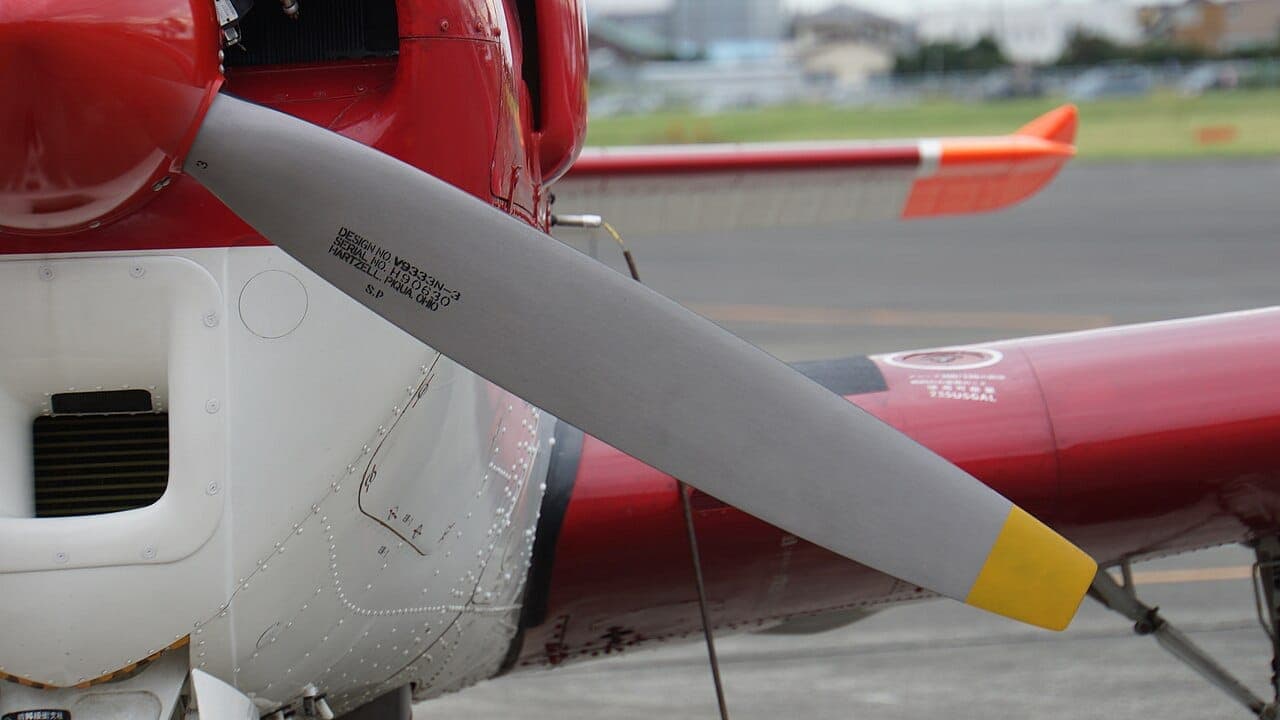
The propeller has its own rules on top of the engine's. Hartzell and McCauley publish propeller-strike inspection and repair requirements that vary with the propeller model, type of impact and extent of damage. Minor blade damage may qualify for approved dressing within published limits, while a qualifying strike can require propeller removal, disassembly and inspection by an appropriately qualified repair facility. Check the current propeller maintenance instructions rather than assuming every blade contact requires a complete overhaul. Treat the prop and the engine as two separate invoices from the start.
Heads Up: Think about the words you use on the radio and in the incident report. "Sudden stoppage" and "prop strike" are terms of art that trigger specific bulletins, and they end up in the logbook. Describe what happened accurately — but understand that an honest description is what the next buyer's prebuy inspector will be reading.
Myth: "The engine ran fine afterward, so the teardown is just a shop upsell"
The Reality
A shock load does not usually kill an engine on the spot. It damages the parts that transmit torque, and those parts keep working until they do not.
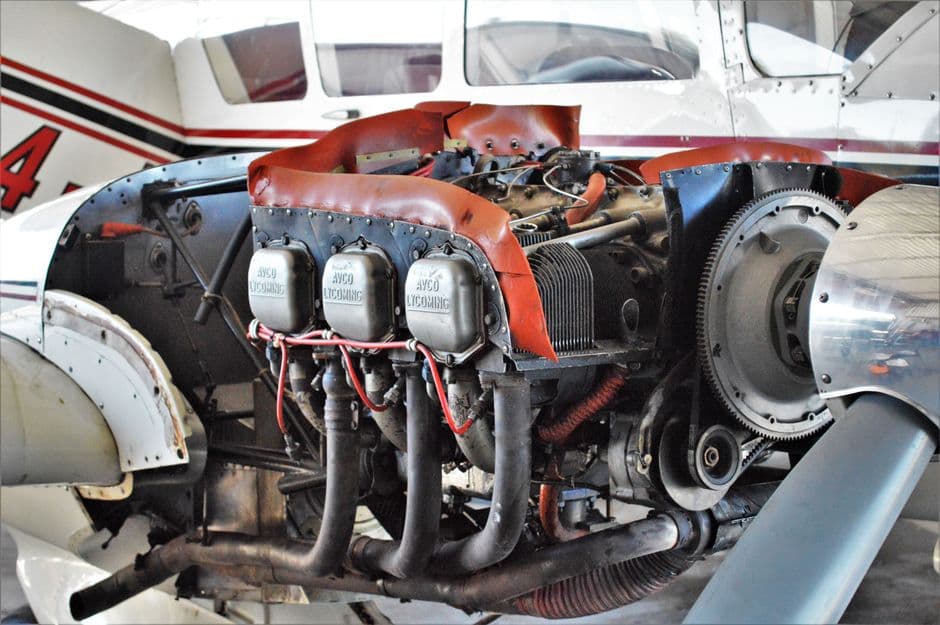
The signature find on a Lycoming is the crankshaft gear at the back of the engine. It is held to the crank by a bolt and located by a dowel pin, and a sharp reverse torque pulse can shear or elongate that dowel. The gear then drives the camshaft and accessories with a slight slip nobody can see or hear. Weeks or months later it lets go, and when the cam stops turning the engine stops making power. Nothing about a healthy-sounding run-up or a normal compression check rules this out.
The other inspection items are no more visible from outside. A crankshaft flange bent a few thousandths shows up only on a dial indicator with the engine disassembled. Counterweight bushings and pins on IO-360 and IO-540 series engines can crack. Continental engines add the starter adapter, which absorbs shock loads through its clutch spring and is a routine casualty. Magneto impulse couplings, accessory drive gears, the crankcase around the bearing bosses and the camshaft lobes all get checked for the same reason.
Why It Matters: Insurers and attorneys know this failure chain. If an undocumented prop strike precedes an engine failure, coverage and liability arguments get ugly in a hurry. The teardown is partly an inspection and partly a paper trail.
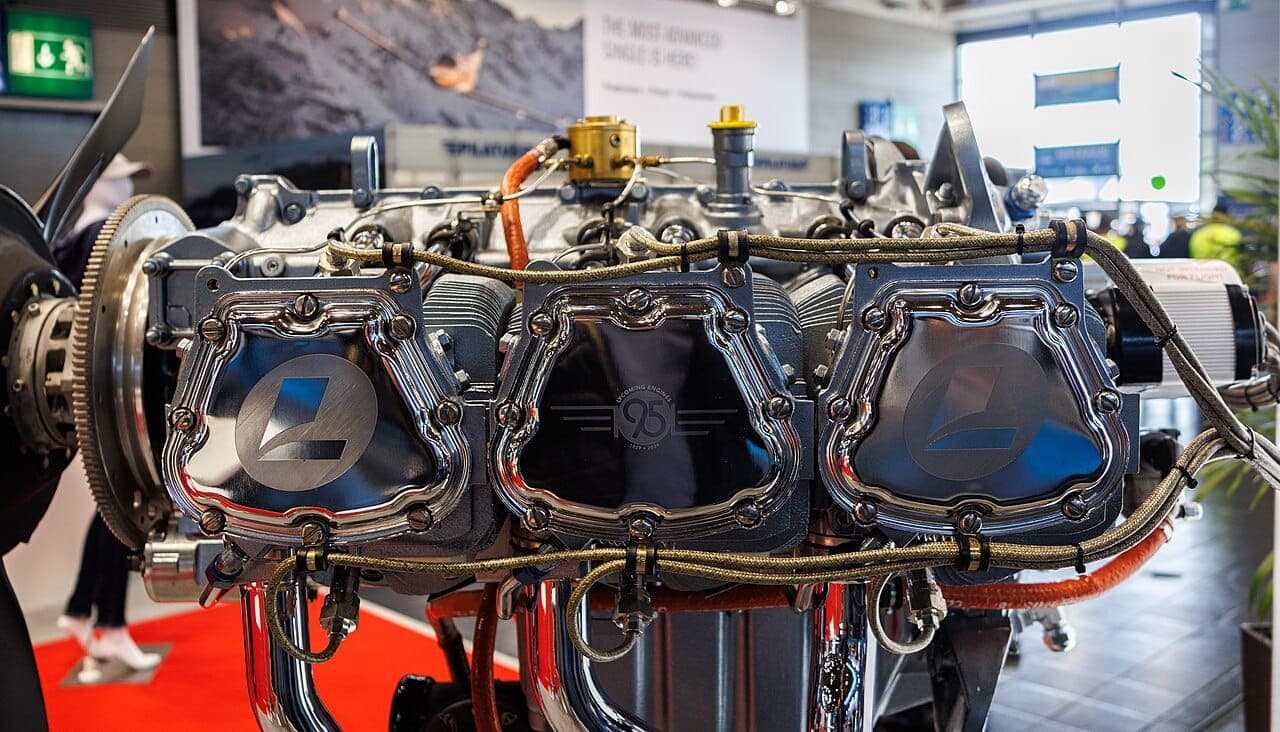
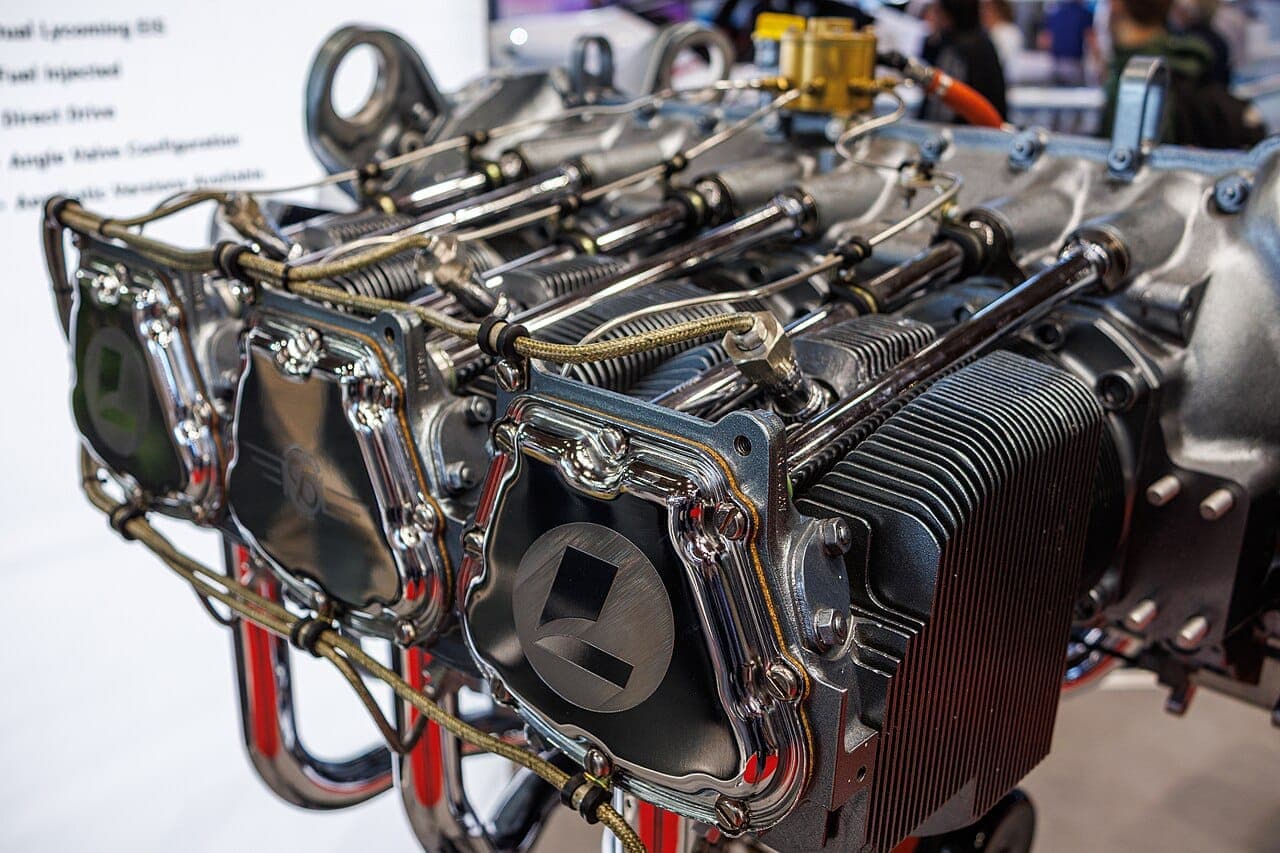
This is also where the design differences between Continental and Lycoming start to matter to your wallet — different gear trains, different accessory drives, different parts lists when the covers come off.
Myth: "A teardown costs as much as an overhaul, so you may as well overhaul it"
The Reality
Sometimes true, often not. A prop strike inspection with no damage found is labor plus a hardware kit: disassembly, cleaning, NDT on the crank and other steel parts, dimensional checks, new gaskets, seals and specified replacement hardware, then reassembly and a test run. A full overhaul generally involves additional inspection, repair and replacement work to bring the engine within applicable overhaul specifications, potentially including cylinders, bearings, camshaft components and accessories. However, a conventional field overhaul does not reset the engine's total time since new. Under 14 CFR Section 91.421, a new maintenance record without previous operating history is permitted only for qualifying engines rebuilt by the manufacturer or an agency approved by the manufacturer.
Here is how the money typically lays out in the United States as of 2025. Treat these as planning ranges, not quotes — shop rates and parts availability move them a lot.
| Item | Typical range |
| Prop strike teardown inspection, four-cylinder Lycoming (O-320/O-360 class), no damage found | $6,000 – $12,000 |
| Same inspection, six-cylinder Continental (IO-520/IO-550 class) | $9,000 – $18,000 |
| Constant-speed propeller inspection or overhaul after a strike | $3,000 – $7,000 |
| New or replacement blade, or fixed-pitch prop replacement | $2,500 – $8,000 |
| Replacement crankshaft if bent or cracked (parts) | $10,000 – $25,000+ |
| Field overhaul instead, four-cylinder | roughly $30,000 – $45,000 |
| Field overhaul instead, six-cylinder | roughly $45,000 – $75,000 |
| Engine removal, reinstallation, hoses, mount inspection | $2,000 – $5,000 |
The arithmetic that pushes owners toward overhaul is simple: once the engine is off the airplane and apart, you have already paid for most of the labor an overhaul would charge. If the engine was at 1,600 hours on a 2,000-hour TBO, spending the incremental money on cylinders, bearings and a cam is often the better buy. If the engine has 400 hours since major, finish the inspection, button it up and fly. Our breakdown of why engine overhaul quotes differ by thousands and the overview of what an aircraft engine actually costs are useful before you accept any of these numbers.
Keep in Mind: Most hull policies treat a prop strike as a covered loss and pay for the inspection plus the repair of damaged parts. What they generally will not pay for is betterment — the upgrade from "inspected and reassembled" to "zero-time overhauled." Expect to be handed that difference, and read your own policy rather than the hangar version of it.
If the quote tips you toward a replacement engine rather than a repair, the choice between a factory new and a factory rebuilt Lycoming changes both the invoice and the logbook, since a factory rebuilt comes back with zero time.
Flying411 keeps engine comparisons, overhaul cost guides and real listings in one place, so you can compare a repaired airplane against a replacement airplane with the same numbers in front of you.
Pro Tip: Whatever you decide, make the logbook entry complete. Name the bulletin complied with — SB 533 for Lycoming, MSB05-8 for Continental — list the parts replaced, and attach the shop's inspection report and the propeller shop's work order. A documented strike with a complete teardown record costs a seller far less at resale than a vague entry that leaves a buyer guessing.
What a Prop Strike Actually Asks of You
The honest summary is this: a prop strike teardown is not mandated by name in any FAA regulation, but between 14 CFR 43.13(a), the manufacturer bulletins, Part 135 and approved-program requirements, your insurer and the resale market, there is almost no realistic path to skipping it. The owners who get hurt are the ones who treat the question as legal trivia instead of a maintenance decision.
Report the event accurately, get the engine and propeller to shops that have done this work before, ask for a written scope with a damage-found contingency, and decide on overhaul versus inspection based on where the engine sits against TBO — not on what a hangar neighbor said about bulletins being optional. Buyers, meanwhile, should treat any strike entry without a matching teardown record as a reason to walk or to price the airplane as if it needs an engine.
When you are ready to compare listings, visitFlying411and see what is on the market today.