Airframe hours are one of the first numbers a buyer checks, right after the year, make, and model. They tell a story about how much an airplane has flown and how much life it may have left. But the story is rarely simple. A high number can scare some buyers away, while a low number can hide problems of its own. Learning how airframe hours affect aircraft value helps you read that number the right way, so you pay a fair price or ask for one.
The plane with the fewest hours on the ramp is not always the smart buy, and the reason catches a lot of first-time owners off guard.
Key Takeaways
Airframe hours affect aircraft value because they show how much an aircraft has flown and how close it may be to big inspections or life limits. In general, more hours can mean a lower price, and fewer hours can mean a higher price. But hours never tell the whole story. Condition, maintenance history, engine time, and the kind of flying the plane did all shape the final number too.
| Factor | Effect on Value |
| High airframe hours | Often lowers value; signals more wear and closer inspections |
| Low airframe hours | Often raises value, but very low time can hint at long idle periods |
| Airframe vs. engine time | Engines can be overhauled; airframe time stays with the plane |
| Cycles (takeoff and landing) | Matter a great deal for pressurized and turbine aircraft |
| Maintenance history | Strong records can soften the sting of high hours |
| Type of use | Trainer hours are read differently than hard-use hours |
Flying411 is an online aviation marketplace where buyers and sellers meet, with listings that spell out airframe hours, engine time, and maintenance history up front. It is a simple way to see how your numbers line up against similar aircraft.
What Airframe Hours Really Mean
Airframe hours are the total number of hours an aircraft has flown since it left the factory. Pilots and sellers often call this figure the total time airframe (TTAF). You may also see it written as total time, or just TT. Think of it as the airplane's odometer, except it counts hours in the air instead of miles on the road.
Here is the key point. This number follows the airframe for life. You can swap an engine. You can replace a propeller. You cannot reset the hours on the airframe itself. That makes it one of the most honest signals of how much an aircraft has been used.
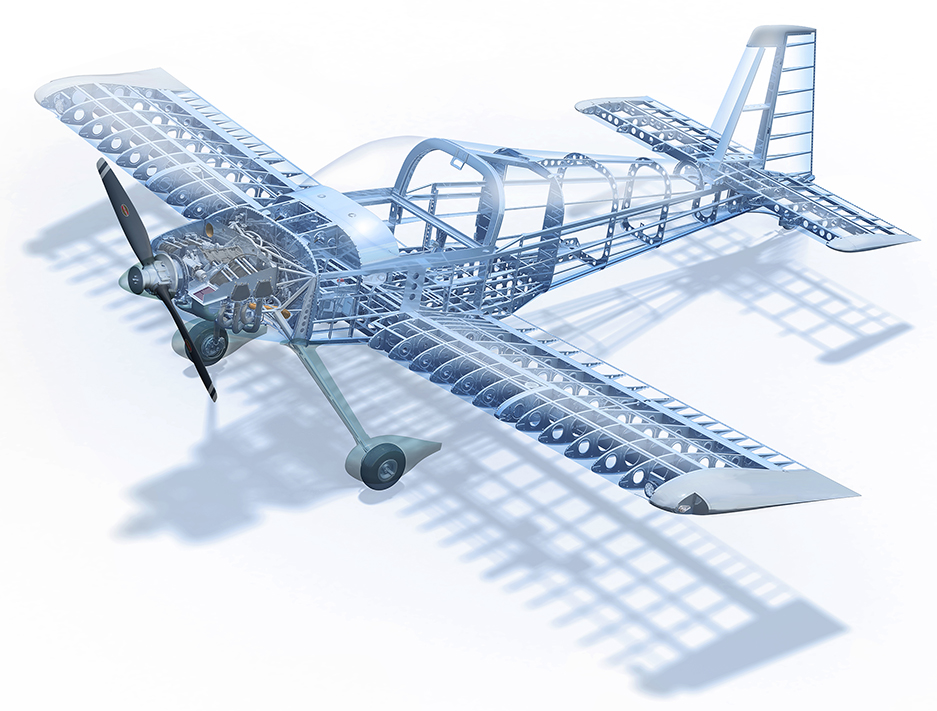
Airframe hours cover the whole structure of the plane: the fuselage, the wings, the tail, and the frame that holds it all together. Every hour in the air adds a little stress to those parts. Most of the time the stress is small and well within safe limits. Over thousands of hours, though, it starts to add up.
Good to Know: Airframe hours and aircraft age are not the same thing. A 30-year-old plane that flew only on weekends can have low hours, while a 10-year-old trainer can have thousands. Buyers look at both numbers together.
Airframe Hours vs. Engine Hours: Why the Difference Matters
New owners often mix up airframe time and engine time. They are two separate numbers, and they behave in very different ways.
The engine has a fresh-start button. When it reaches its recommended limit, a shop can overhaul it, and the clock resets. That figure is called engine time since major overhaul, and appraisers watch it closely. A tired engine can be rebuilt or replaced, so a high engine time is a fixable problem with a known price tag.
The airframe has no reset button. Its hours only go up. That permanence is exactly why airframe time carries so much weight in a valuation.
Why It Matters: A plane can have a brand-new engine and still be a high-time airplane. Buyers who focus only on the shiny engine number can miss the bigger story the airframe is telling.
So when two planes have the same total time, the one with a freshly overhauled engine will usually be worth more. The engine hours can be bought back. The airframe hours cannot. A factory-remanufactured engine on an average-time airframe often beats a patchwork of small overhauls on a low-time plane.
How Valuation Works in the First Place
Before we get to the eight big factors, it helps to know how a value gets set. An aircraft appraisal starts with the year, make, and model, much like pricing a used car or a house. From there, the appraiser compares the plane's total time and engine time against the industry average for that exact model and year.
That comparison is the heart of it. A plane with fewer hours than the average tends to get a bump up. A plane with more hours than the average tends to get marked down. Pricing guides like the aircraft value books give appraisers a starting figure, then adjust from there based on hours, equipment, and condition.
Here is a friendly example. A 1999 Cessna 172 might show 5,000 hours on the airframe. That sounds high at first. But this model is a favorite trainer, so a number like that is normal for its class. In that case, the high time may barely move the price at all.
How Airframe Hours Affect Aircraft Value: 8 Factors That Move the Needle
Total time never works alone. It runs through a set of filters that decide how much it helps or hurts the price. Here are the eight that matter most.
- Comparison to the fleet average. The single biggest question is simple. Does this plane have more or fewer hours than a typical example of the same model and year? Above average pulls the price down. Below average pushes it up. The gap from the average, not the raw number, drives the adjustment.
- Distance to the next big inspection. Some inspections and part replacements are tied to hours. A plane sitting just before a costly, hours-based inspection is worth less, because the buyer inherits that bill. A plane fresh out of one is worth more.
- Airframe life limits and cycles. Certain aircraft have a hard limit on hours or cycles. As a plane nears that limit, its remaining life shrinks, and so does its value. This matters most for pressurized and commercial types.
- The kind of flying behind the hours. Gentle cross-country hours are easier on a plane than hard training hours full of takeoffs and landings. Two planes with the same total time can be in very different shape.
- Engine time riding alongside airframe time. A high-time airframe paired with a run-out engine is a double hit. A high-time airframe with a fresh engine is a much easier sell.
- Maintenance history that backs up the hours. Clean, complete logs turn a scary hour count into a known quantity. Missing paperwork does the opposite.
- Corrosion and wear risk. Hours flown in salty coastal air, or hours that came after long idle stretches, raise the odds of hidden trouble. That risk shows up in the price.
- Buyer psychology and the resale market. Some buyers simply avoid high numbers, fair or not. Fewer interested buyers means softer offers and a longer time on the market.
Pro Tip: Ask for the average total time of the model you want before you shop. Once you know the average, every listing tells you something instantly. You can spot the deals and the overpriced planes in seconds.
The Numbers Behind High-Time and Low-Time Airframes
So how much do hours really change the price? There is no single formula, but appraisers lean on a few habits.
Many pricing guides use a dollars-per-hour adjustment. If a plane sits above the model's average total time, they subtract at a set rate per hour. If it sits below, they add. The rate depends on the model and how much life each hour represents.
For planes at the far ends, hours can swing the number harder. Some appraisers say an aircraft with unusually high or low time can move by roughly a fifth to a quarter of its value in extreme cases. That is a rough rule of thumb, not a law, and good judgment always comes first.
A high-time aircraft is not automatically a bad buy. It can be a bargain if you know what you are getting into. The catch is that most buyers would rather pay more for a lower-time plane and skip the worry. That thinner pool of buyers is part of why high hours drag on aircraft resale value.
Commercial aircraft show this at full scale. Airliners rack up time fast because they fly long days. A busy freighter, sized for jobs like how much a 767 can haul, can build hours far quicker than any private plane. As those hours climb, the reasons airlines retire jets early start to line up: rising maintenance, fading efficiency, and shrinking remaining life.
Flying411's aircraft valuation tool lets you plug in your total time and engine hours to see an estimated market value in minutes.
Cycles vs. Hours: The Fatigue Factor
For many aircraft, one number matters as much as hours, and sometimes more. That number is cycles.
A cycle is one takeoff and landing. For a pressurized cabin, each cycle pumps the fuselage up like a balloon and lets it back down. That squeeze and release, over and over, causes airframe fatigue in the metal. Fatigue is the slow buildup of tiny stresses that can eventually lead to cracks.
This is why a short-hop airliner that lands ten times a day ages differently than a long-haul jet flying the same hours with far fewer landings. The hours can match. The wear does not.
Fun Fact: Large airliners are built to handle tens of thousands of takeoff and landing cycles before they reach their designed fatigue limits. That is one reason a jet's cycle count can carry as much weight as its hours.
Regulators set a limit on how long a design can safely fly, based on testing. Once a plane nears that limit, its future is short. Owners can sometimes seek approval to extend it, but the cost is real. This is a big part of how long a commercial jet stays in service. For piston trainers and small private planes, cycles matter less, and simple total time usually rules the day.
When High Airframe Hours Don't Hurt Value
High hours are not always a red flag. In several cases, they barely dent the price.
- Trainers and working aircraft. A flight school Cessna with thousands of hours is normal. Buyers expect it, so the market prices it in.
- Planes on an engine or maintenance program. Aircraft kept under strict, well-documented care can hold value even at high time. The paperwork proves the parts have been watched and replaced on schedule.
- Regularly flown planes. A plane that flies often is frequently in better shape than one that sat for years. Steady use keeps seals moist, engines healthy, and problems visible.
That last point surprises people. A machine that works stays limber. A machine that sits gets stiff and rusty.
Heads Up: Very low airframe time can be a warning, not a prize. A plane with almost no hours may have spent years parked. Long idle time invites corrosion, dried-out seals, and hidden wear that never shows up in the total time number.
So the question is never just how many hours. The better question is what the plane did during those hours, and how well it was cared for the rest of the time.
How to Check and Verify Airframe Hours Before You Buy
Trusting a number in a listing is not enough. You confirm it. Here is a simple order to follow.
- Read the logbooks. The aircraft maintenance records should trace total time from day one to today. Gaps, rewrites, or missing books are a reason to slow down and ask questions.
- Match the logs to the meters. Compare the recorded time to the current instrument readings. The story should line up.
- Check for hours-based work. Look for inspections and part replacements that come due at set hours or cycles. Know what is coming and what it costs.
- Look for corrosion and damage history. Ask where the plane lived and how it was stored. Coastal and humid climates raise the risk.
- Get a pre-buy inspection. A trusted mechanic can confirm the airframe matches its paperwork. This step pays for itself.
Keep in Mind: The logbooks are part of the airplane's value. Complete, tidy records can raise the price. Missing books can lower it, even when the plane itself is sound. Never treat paperwork as an afterthought.
If you want a quick starting point before the deep dive, you can check your aircraft's value online, then use the pre-buy inspection to confirm the details on the ground.
What Happens When an Airframe Runs Out of Value
Every airframe has an end point. As hours and cycles pile up, the cost of keeping a plane flying can pass what the plane is worth. At that stage, its value shifts from the sky to the salvage yard.
This is where retired aircraft take a new path. Understanding what happens to retired airliners helps explain the tail end of the value curve. Many are broken down for their good components in a process worth knowing, since how parting out works turns a tired airframe into a shelf of usable parts.
The value that remains can be surprising. Take the case of what a retired 747 is worth in parts. Engines, avionics, and landing gear often carry strong resale value long after the airframe itself is done flying. And the story does not end at the scrap line, since a good deal of what gets reused in recycling finds a second life in other aircraft or industries.
Ready to list or price your airplane? Post it on Flying411 and put it in front of buyers who already know how to read airframe hours.
Putting the Numbers in Context
Let's tie it together with a simple mindset. Airframe hours are a headline, not the full article. They point you toward the right questions, but they do not answer them alone.
A low-time plane that sat for a decade may cost you more in surprises than a high-time plane that flew every week under careful hands. The smart move is to weigh the total time against the average, the condition, the records, and the engine, all at once.
Here is a quick way to sort any listing in your head:
- Below average hours, clean records, fresh engine: likely a strong buy, priced accordingly.
- Above average hours, clean records, program-maintained: often fair value with room to negotiate.
- Low hours, thin records, long idle history: approach with care and a solid pre-buy.
- High hours, thin records, run-out engine: deep discount territory, and only for buyers who love a project.
Quick Tip: If you are selling, put your best numbers up front. List total time, engine time since overhaul, and a clear note on your logbooks. Buyers reward clarity, and a well-documented plane sells faster and for more.
Conclusion
Understanding how airframe hours affect aircraft value comes down to one idea. The number matters, but the meaning behind it matters more. Total time tells you how much a plane has flown. Condition, records, cycles, and engine time tell you what those hours were really worth. Read them together, and you will price any airplane with confidence, as a buyer or a seller.
High hours are not the end of a plane's story, and low hours are not a guarantee of a good one. The best deals go to the people who look past the headline and read the whole logbook.
When you are ready to buy or sell, Flying411 makes it easy to compare airframe hours, engine time, and condition side by side, so the number on the logbook works for you instead of against you.
Frequently Asked Questions
What is considered high airframe time for a small plane?
It depends on the model, since a trainer's normal hours would be high for a rarely flown personal plane. A good rule is to compare the plane against the average total time for that exact make and year rather than fixing on one number.
Do airframe hours or engine hours matter more when buying?
Both matter, but airframe hours often carry more long-term weight because they cannot be reset, while an engine can be overhauled. The right balance depends on the aircraft type and how close each is to its limits.
Can a high-time aircraft still be a good purchase?
Yes, especially if it was well maintained, flown regularly, and comes with complete logbooks. Many high-time planes are dependable and priced lower, which can make them a smart value for the right buyer.
Why can very low airframe hours be a warning sign?
Extremely low hours can mean the plane sat unused for long stretches, which invites corrosion, dried seals, and hidden wear. A thorough pre-buy inspection helps confirm that low time reflects care rather than neglect.
How do cycles differ from airframe hours?
A cycle is one takeoff and landing, while hours count time in the air. Cycles matter most for pressurized and turbine aircraft, where each pressurization adds fatigue to the structure regardless of how long the flight lasted.